
ECMA CATALOGUE
ECMA folding carton templates.
Parametric folding-carton templates classified by ECMA code. Enter a carton's dimensions to generate its dieline and, where supported, inspect the fold in 3D.
What the ECMA code system is
ECMA — the European Carton Makers Association — publishes the industry's standard classification for folding-carton designs. Like FEFCO codes for corrugated, an ECMA code is a shared language: designers, converters and brand owners can reference an exact carton construction without exchanging drawings.
Folding cartons are the packaging of the shelf — the cosmetics box, the pharmaceutical carton, the food sleeve — die-cut from carton board, creased, and delivered flat or pre-glued for high-speed erection on the packing line.
Reading an ECMA code
Take the catalogue's tour carton, ECMA A20.01.03.00. The leading letter places the design in a construction group — A is long-seam-glued cartons with rectangular surfaces. In group A, the first two-digit block describes the bottom closure system (20: tuck-in flap), the second the top closure (01: without flaps), and the remaining blocks record which panel each closure's flap is connected to, with panels numbered from the glue seam.
That structure makes the catalogue navigable by code: cartons that share closure systems sit close together, and two codes differing only in a panel block describe the same closures hinged on different faces. Every template page decodes its own blocks in the structure notes.
Groups A and B as code examples
Group A includes long-seam-glued rectangular cartons, including familiar tuck-end constructions. Group B includes unglued tray constructions that lock by geometry; some pair with matching lids as telescopic two-part systems. These are useful examples of how the leading letter changes the code, while the published ECMA system and this catalogue also include other groups.
Every template is a real parametric model, not a static drawing: each exposes the dimension and construction parameters its design supports, validated against real ranges.
Tuck-end cartons: the everyday standard
The most familiar folding carton is the tuck-end box: side panels glued into a sleeve, with tuck flaps closing the top and bottom. Variants differ in whether the tucks close on the same side (straight tuck) or opposite sides (reverse tuck), and in how the tuck engages — details that decide packing-line behavior and shelf appearance.
Packdroid's guided product tour uses the A20.01.03.00 tuck carton precisely because it shows the parametric idea quickly: change one dimension and the tuck geometry, panel layout and 3D fold all update together.
Creases, board and the fold preview
A folding carton lives or dies by its creases: every fold line in the dieline becomes a scored hinge in carton board. When proportions are wrong, tucks jam or panels bow — problems that are invisible in a flat drawing.
For supported templates, the 2D dieline and 3D fold preview come from the same parametric model, so you can erect the carton on screen and inspect closure clearances before any cutting die exists. Confirm final board grade, grain direction and tolerances with your converter before mass production.
All ECMA templates
162 templates
ECMA2D DIELINE3D FOLDED
Food & Dry Goods Box — Sealed Gable Top, Open Base
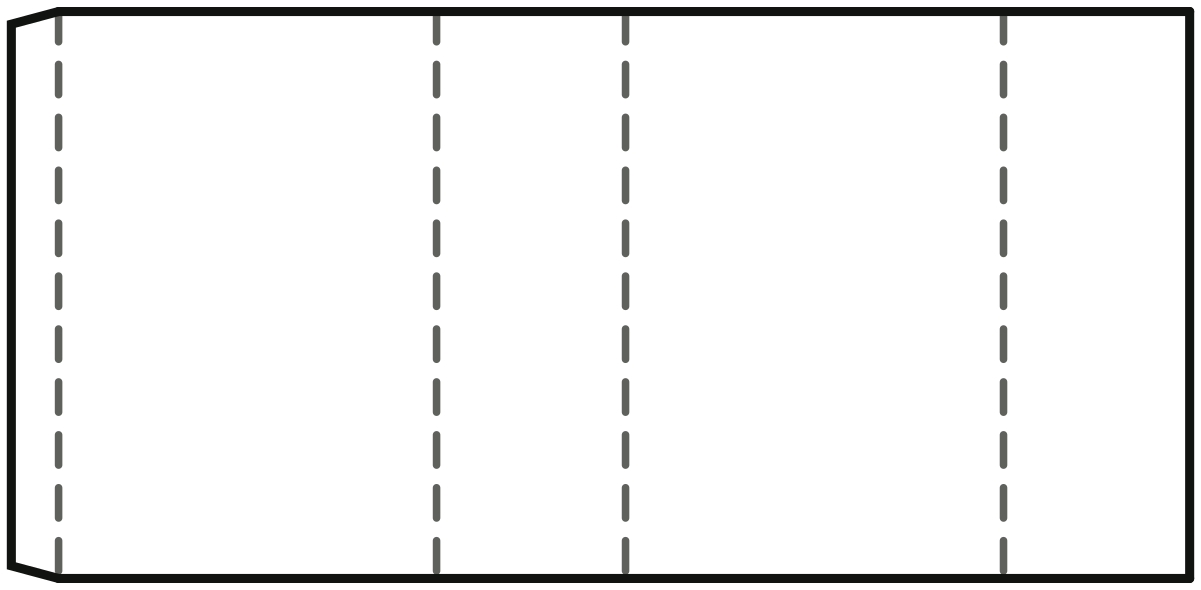
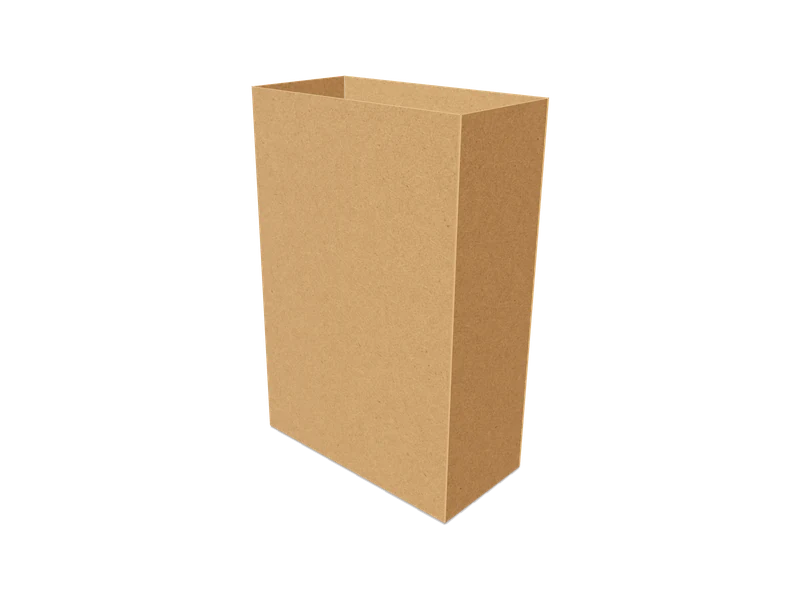
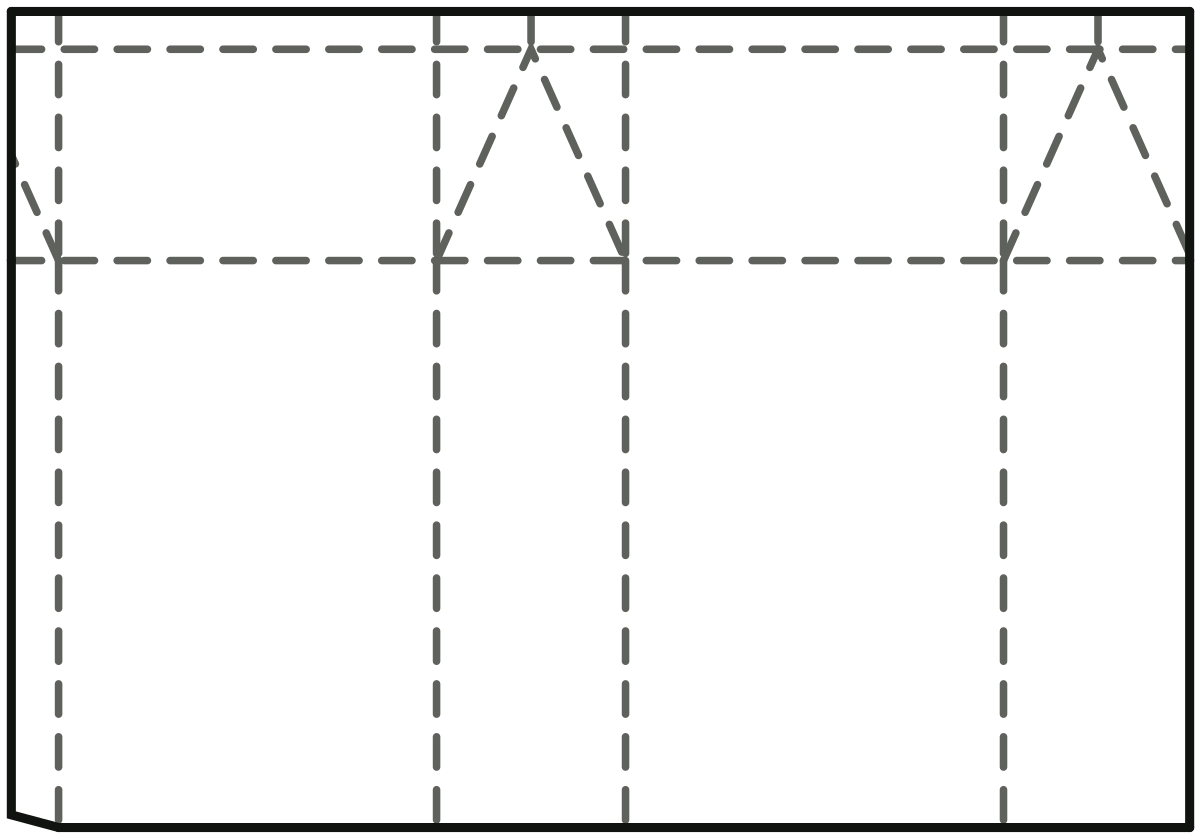
ECMA A01.70.00.00 No Flaps - Sealed Closure · 5 configurable parameters
Create dieline
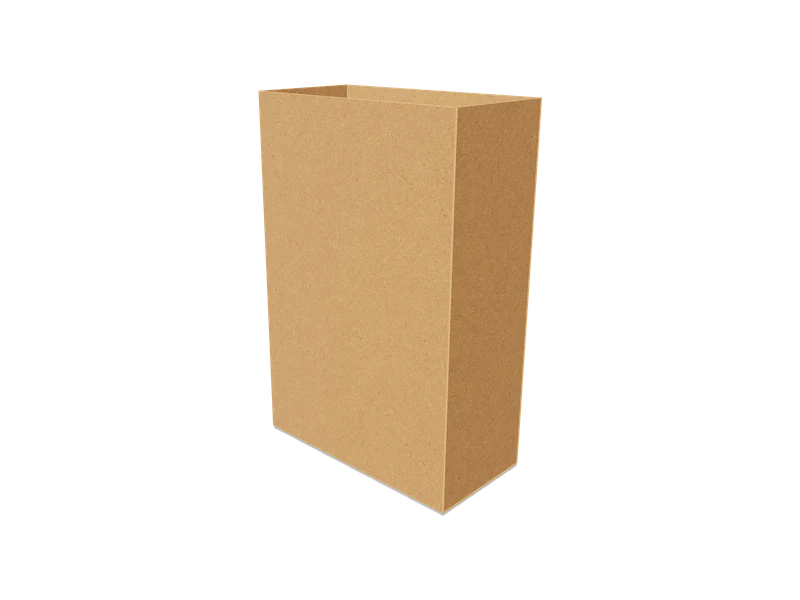
ECMA2D DIELINE3D FOLDED
Display & Shelf-Ready Box — Open Top (Variant A)
ECMA A10.01.03.00 A · 4 configurable parameters
Create dieline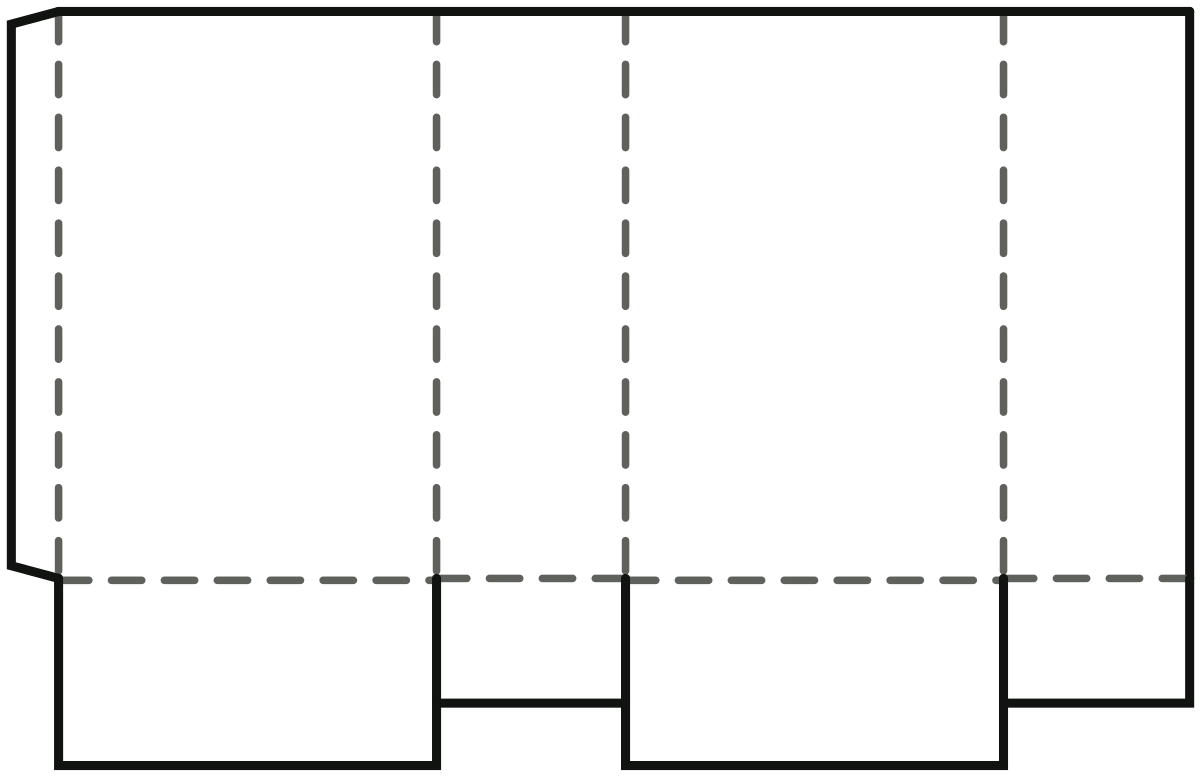
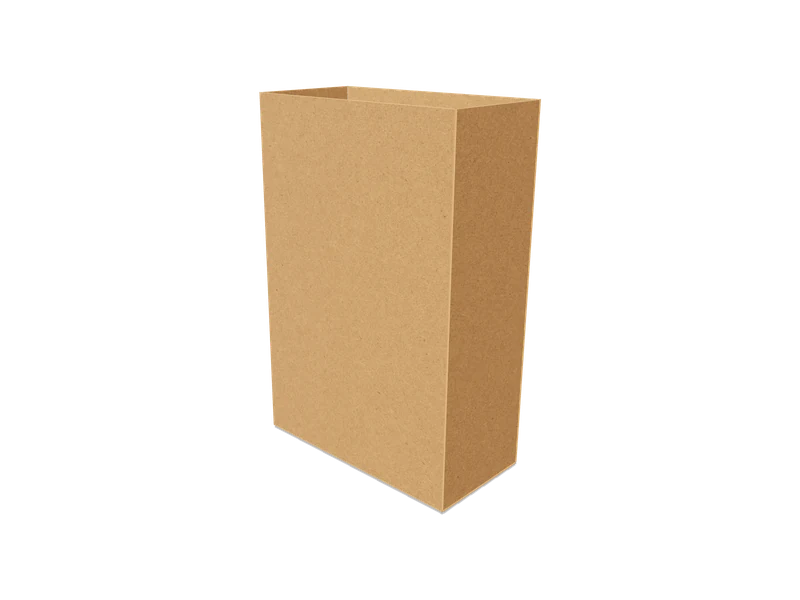
ECMA2D DIELINE3D FOLDED
Display & Shelf-Ready Box — Open Top (Variant B)
ECMA A10.01.03.00 B · 4 configurable parameters
Create dieline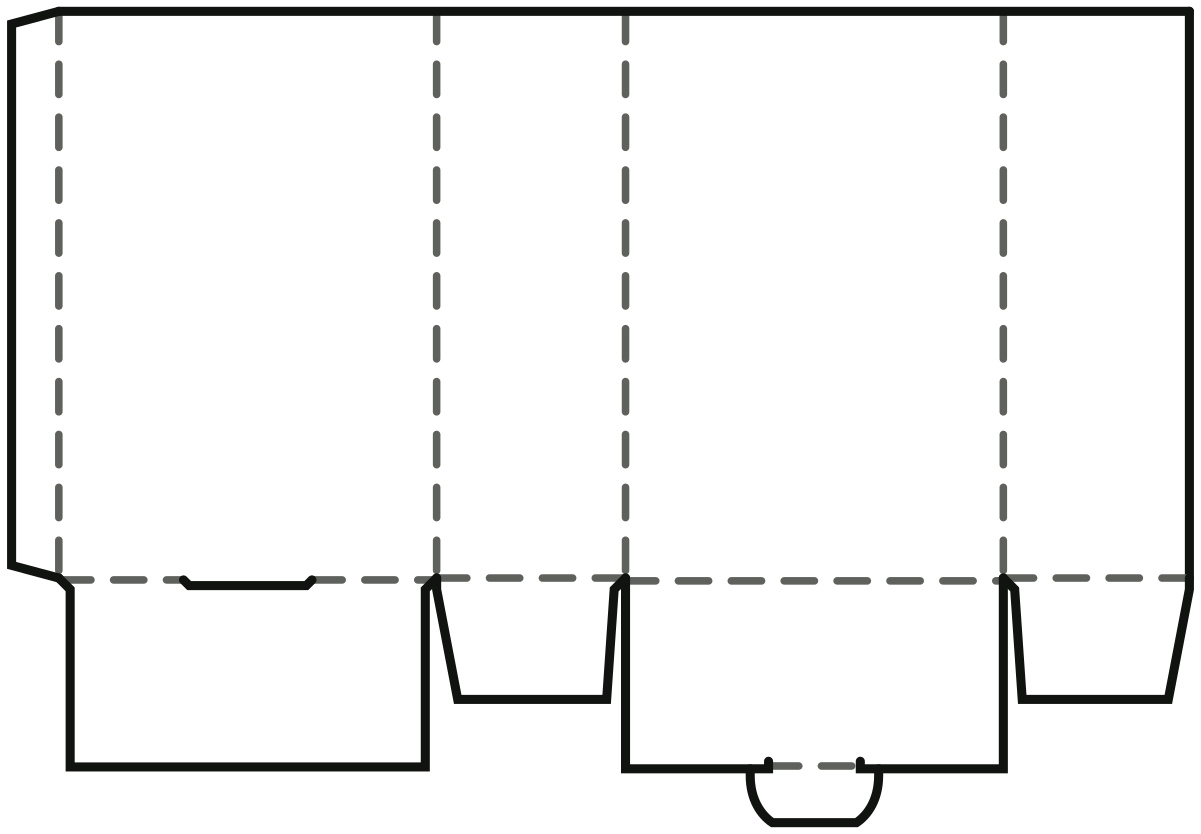
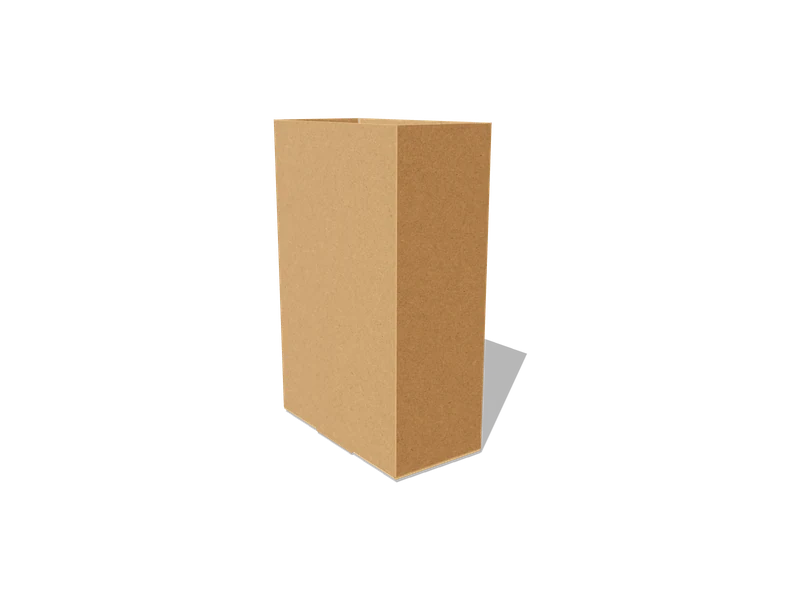
ECMA2D DIELINE3D FOLDED
Display & Shelf-Ready Box — Tab-Locking Open Top
ECMA A10.01.03.00.32 · 4 configurable parameters
Create dieline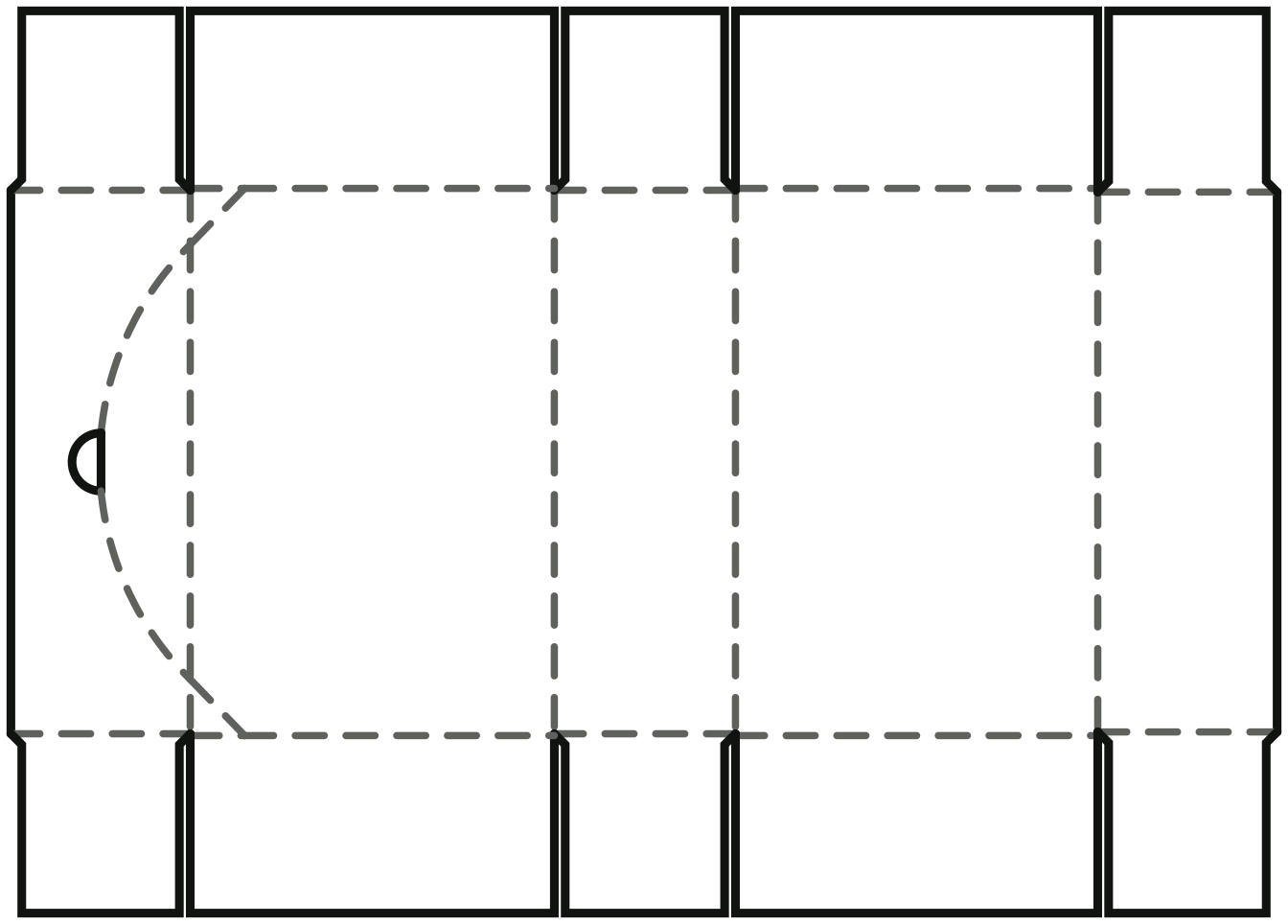
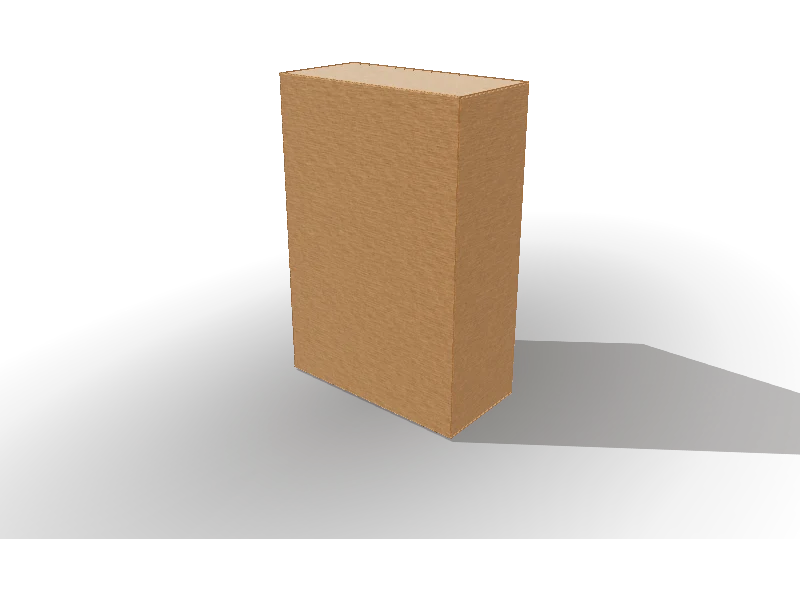
ECMA2D DIELINE3D FOLDED
Retail Product Box — Full-Length Tear-Off Lid
ECMA A10.10.01.01.29 · 4 configurable parameters
Create dieline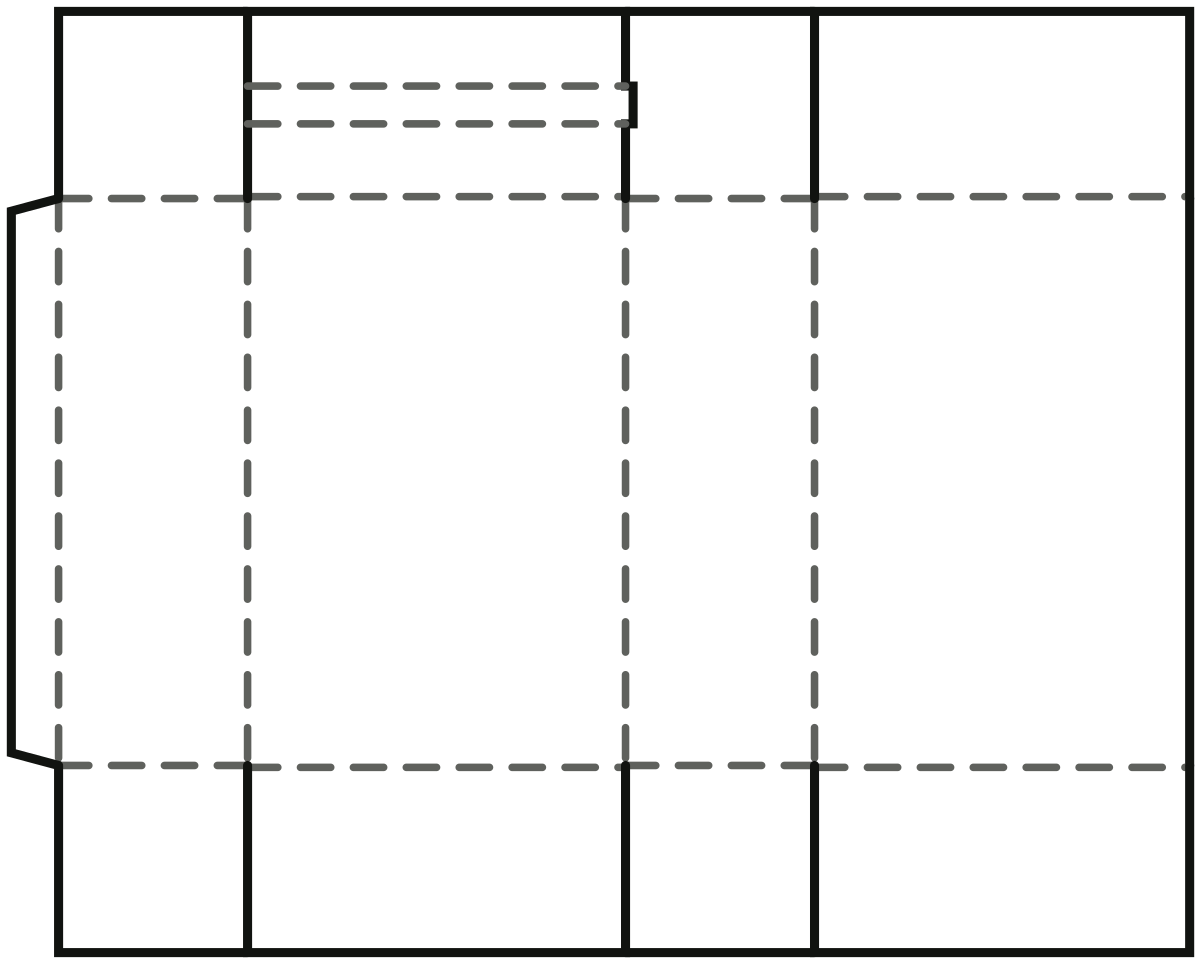
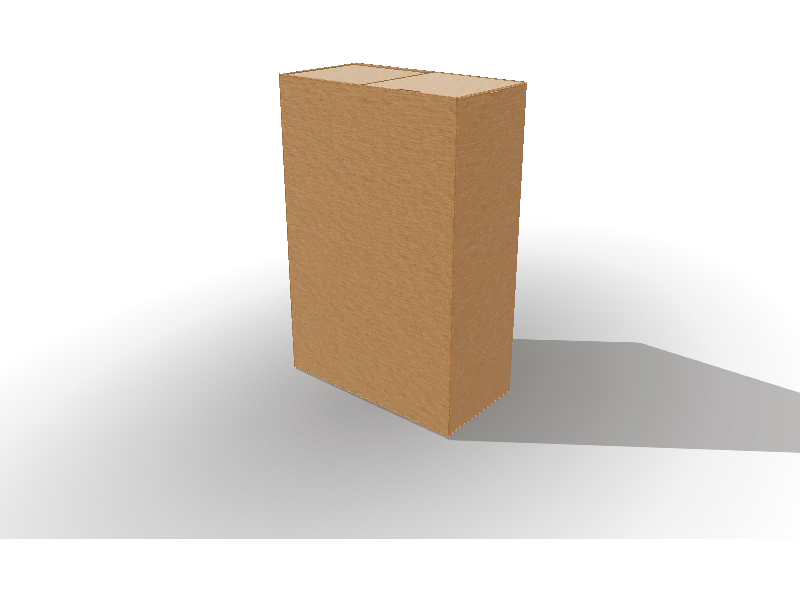
ECMA2D DIELINE3D FOLDED
Retail Product Box — Zipper-Strip Full Closure
ECMA A10.10.02.02.11 · 4 configurable parameters
Create dieline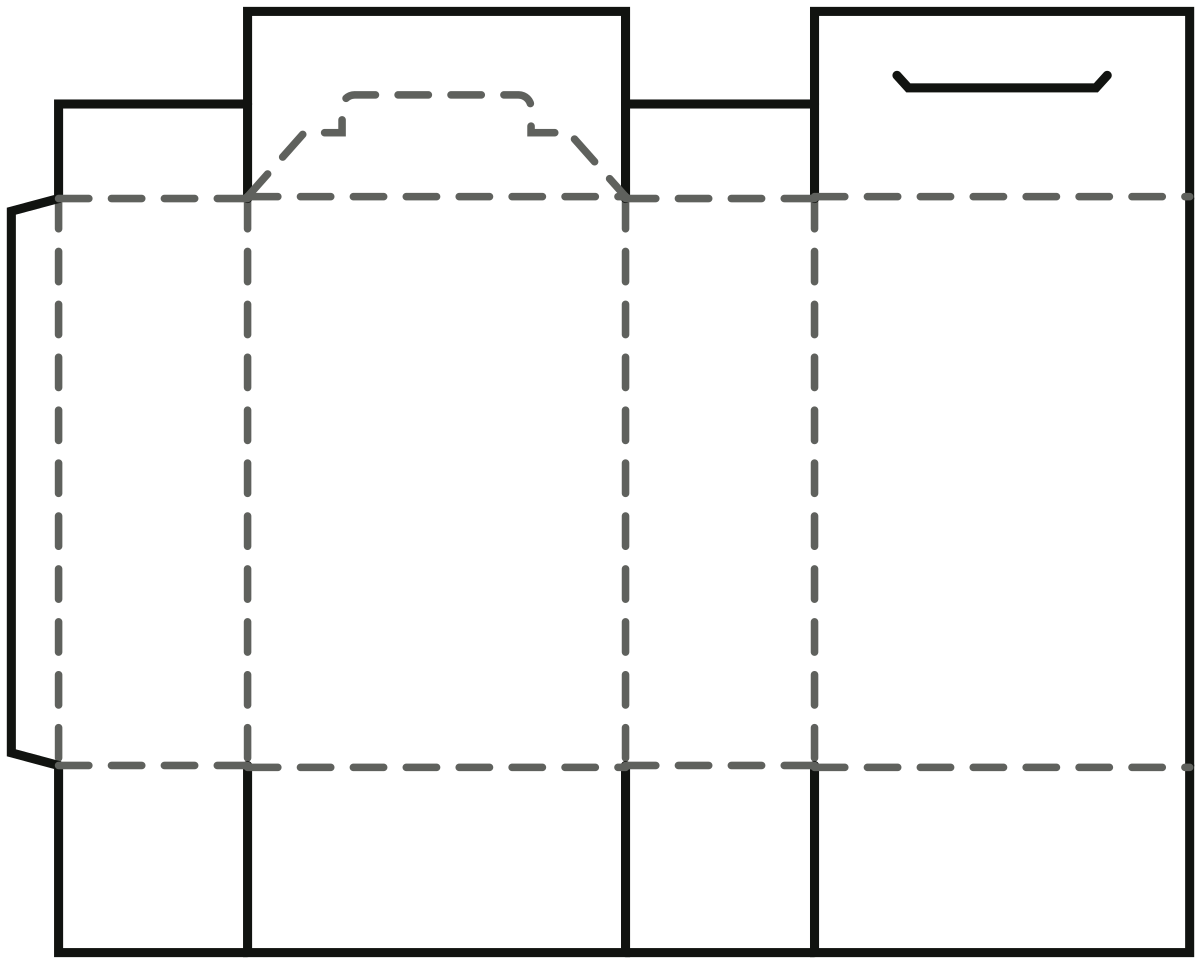
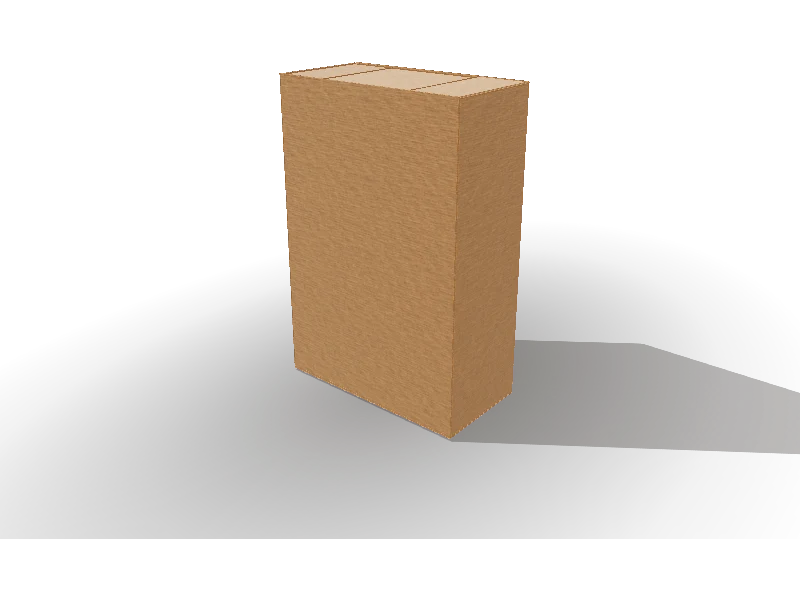
ECMA2D DIELINE3D FOLDED
Retail Product Box — Full-Overlap Fixation Hook
ECMA A10.10.02.02.22 · 4 configurable parameters
Create dieline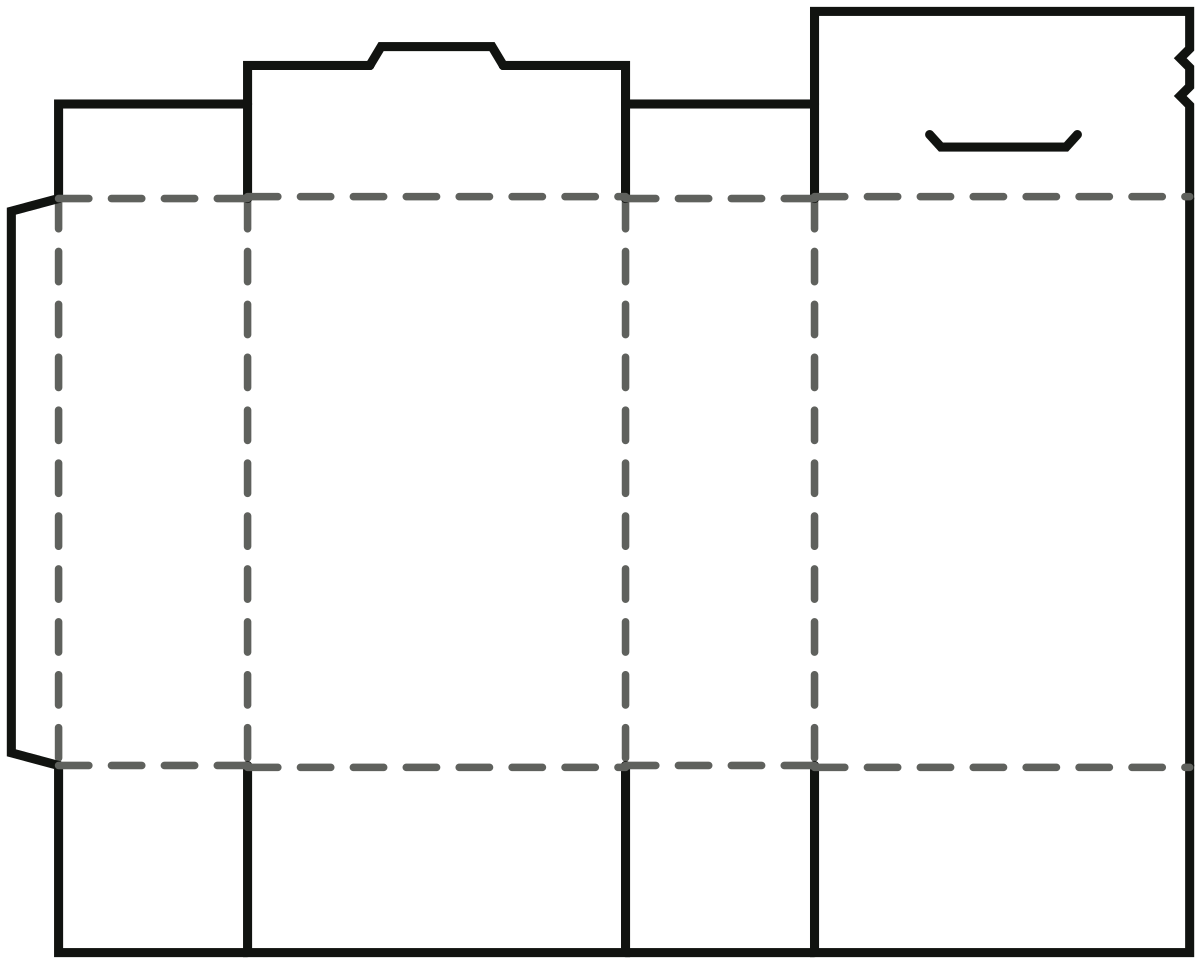
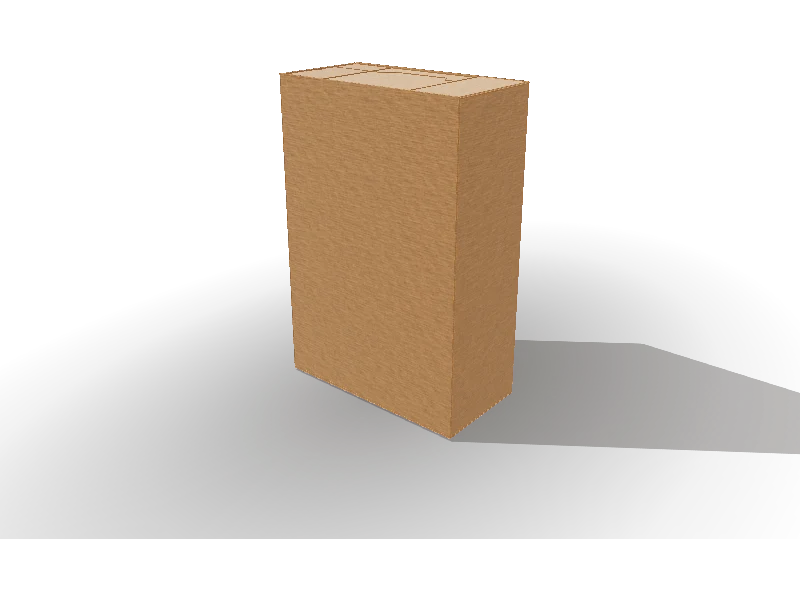
ECMA2D DIELINE3D FOLDED
Retail Product Box — Edge-Relief Fixation Hook
ECMA A10.10.02.02.22.A · 4 configurable parameters
Create dieline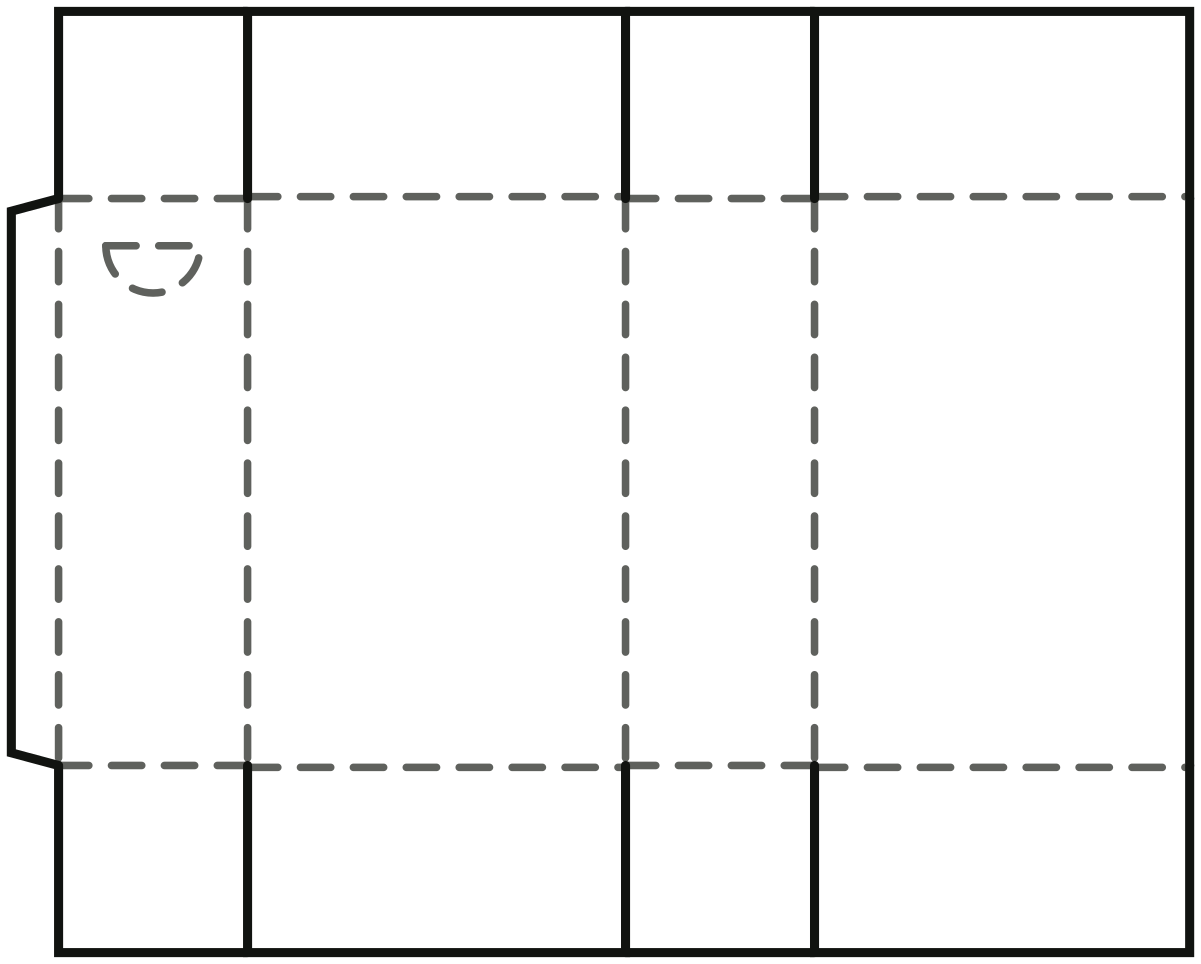
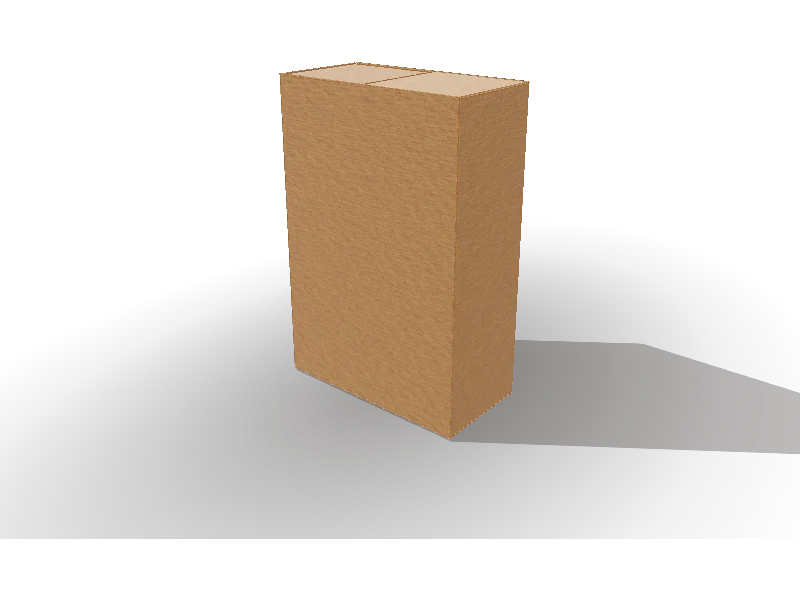
ECMA2D DIELINE3D FOLDED
Food & Dry Goods Box — Push-Through Pour-Out
ECMA A10.10.02.02.42 · 4 configurable parameters
Create dieline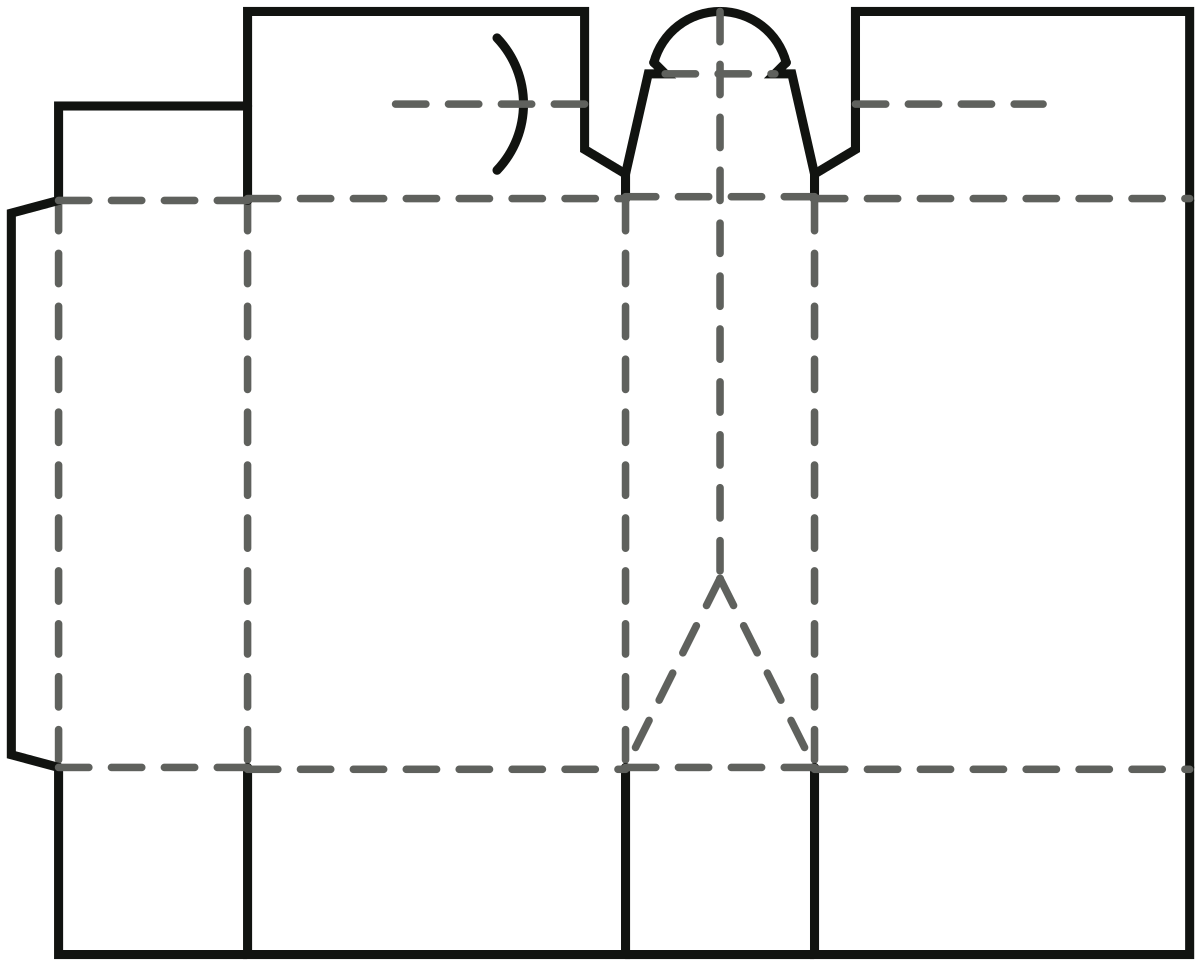
ECMA2D DIELINE3D FOLDED
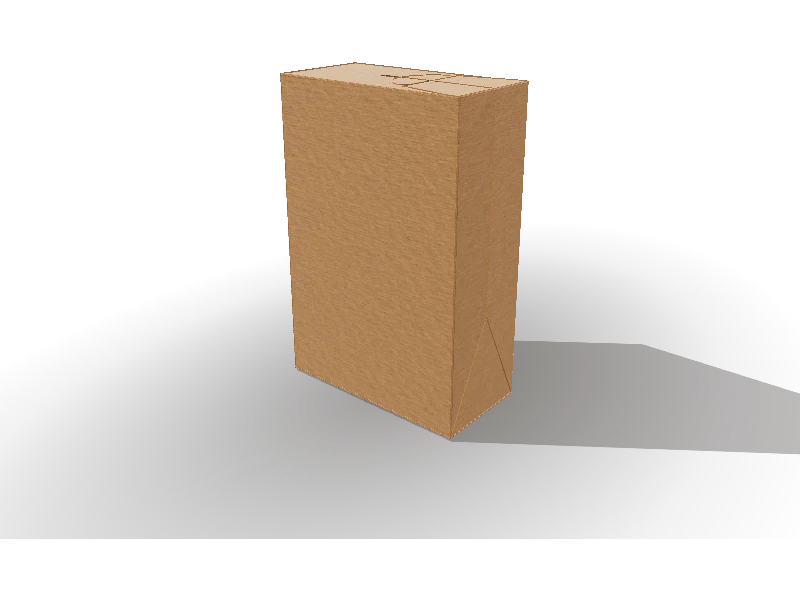
Food & Dry Goods Box — Reclosable Dust-Flap Pourer
ECMA A10.10.02.03.48 · 4 configurable parameters
Create dieline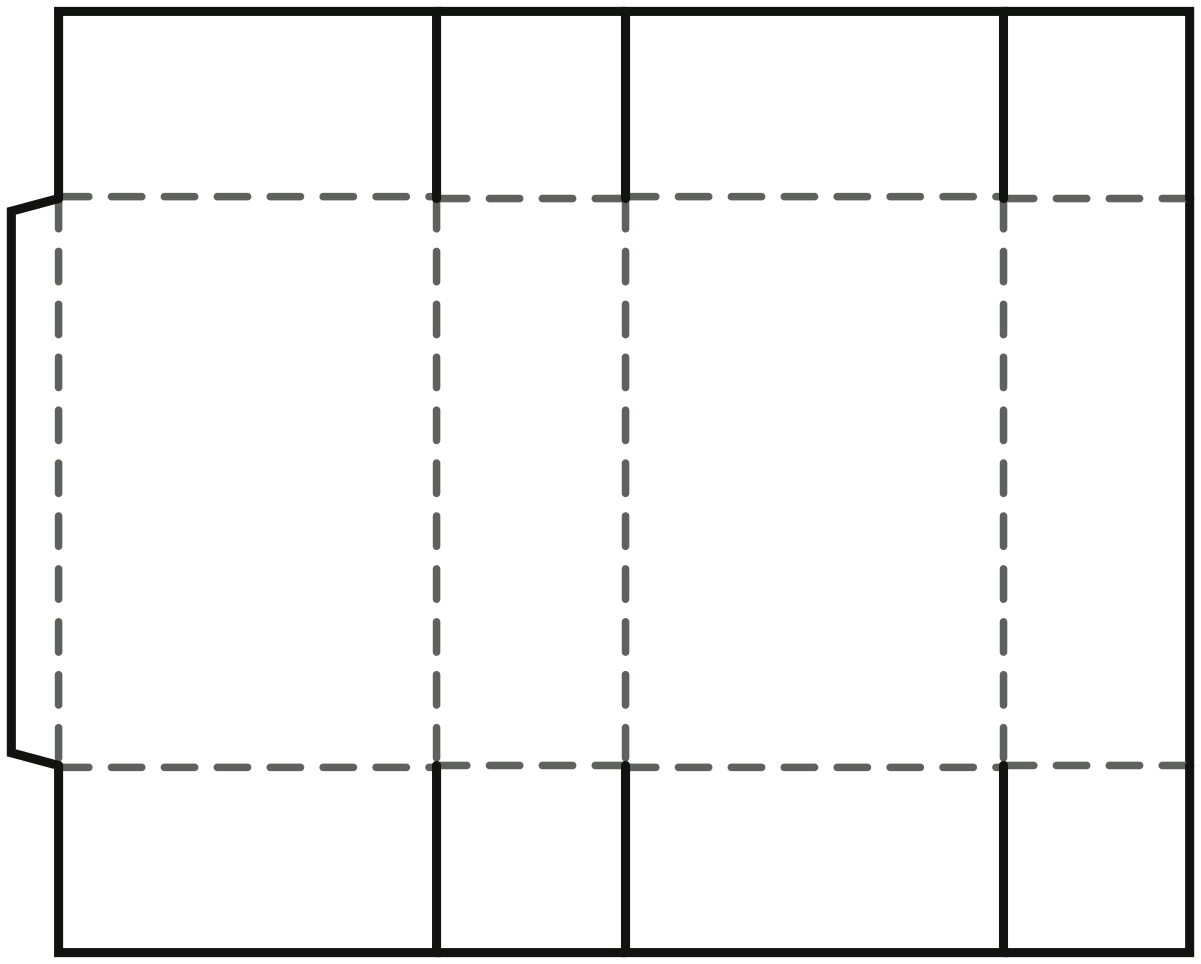
ECMA2D DIELINE3D FOLDED
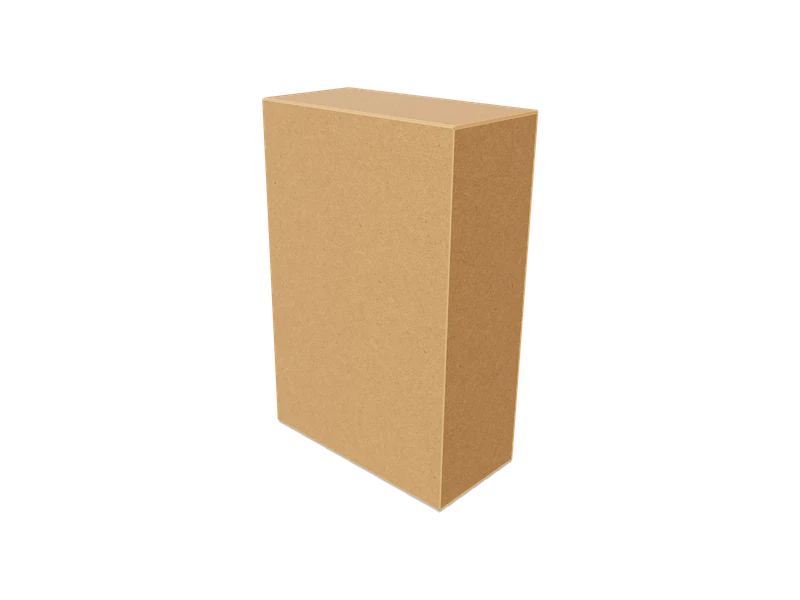
Food & Dry Goods Box — Full Overlap
ECMA A10.10.03.03 · 4 configurable parameters
Create dieline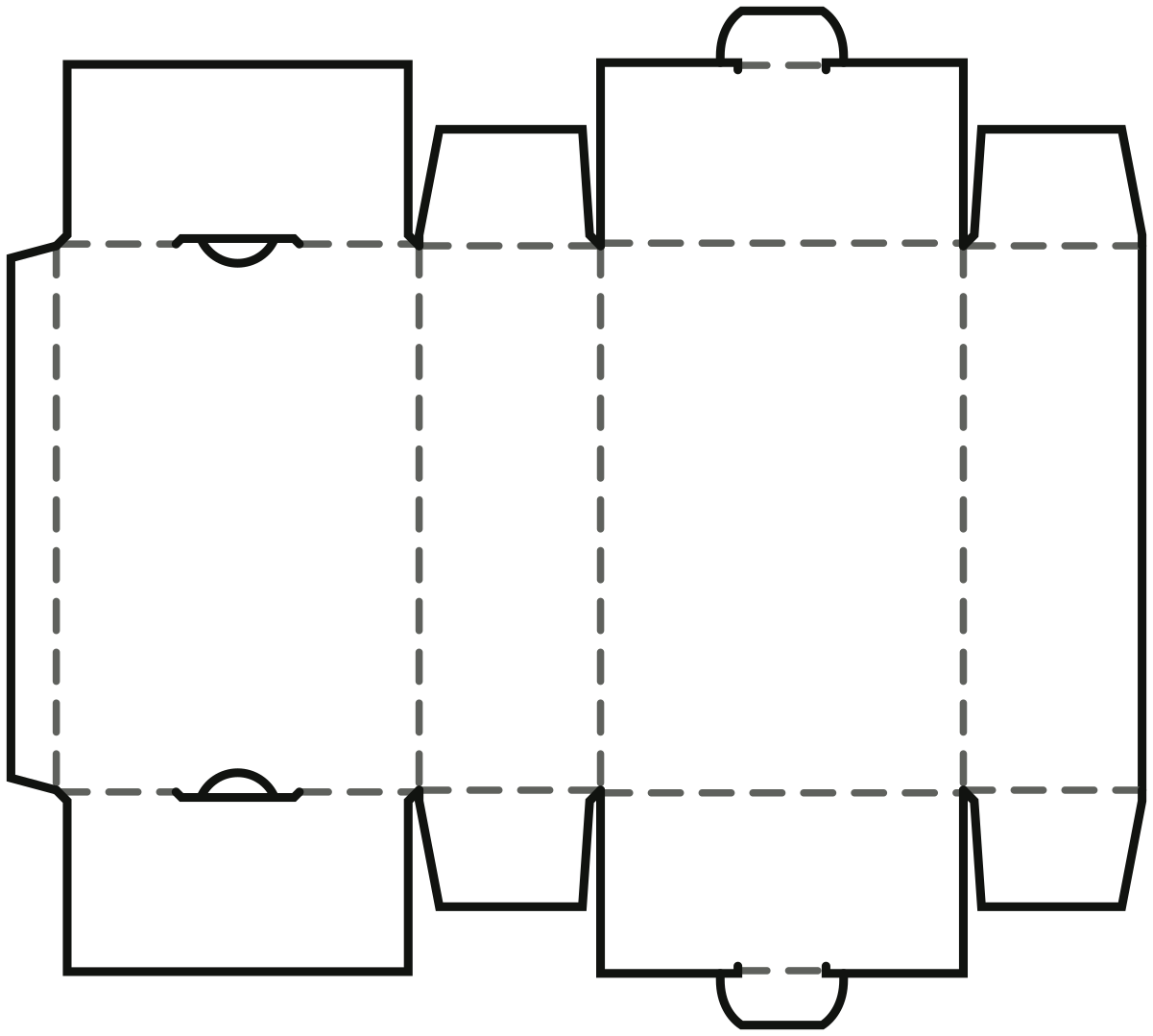
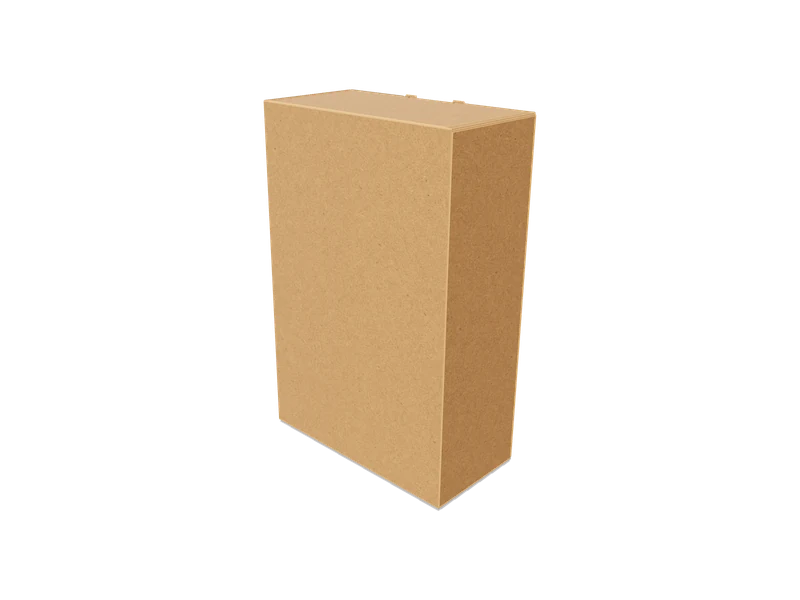
ECMA2D DIELINE3D FOLDED
Food & Dry Goods Box — Full Overlap, Tab-Locking
ECMA A10.10.03.03 32 · 4 configurable parameters
Create dieline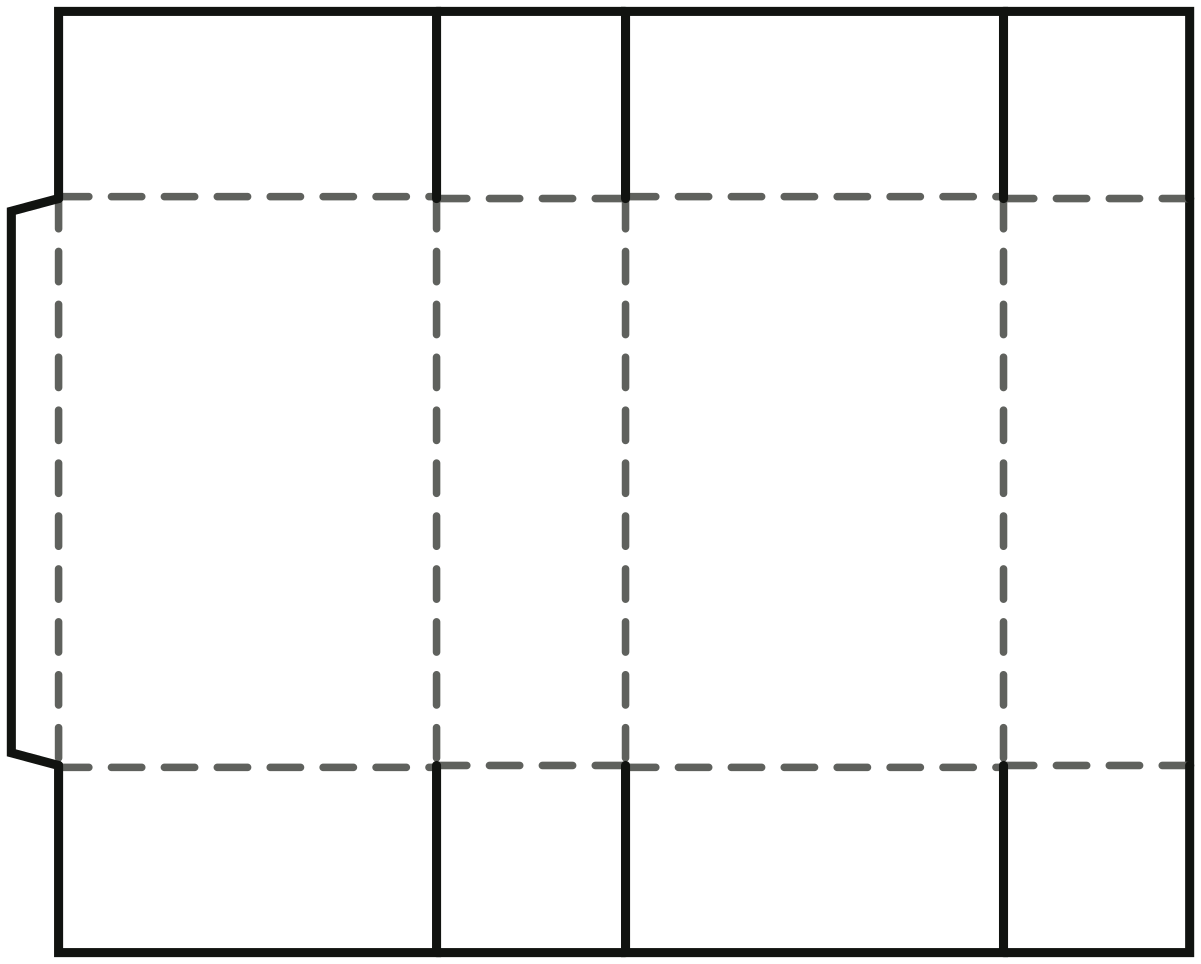
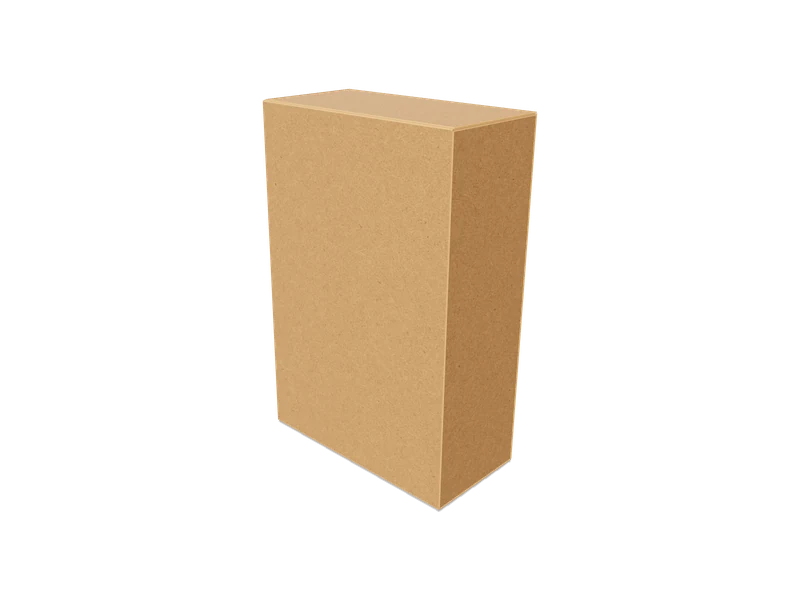
ECMA2D DIELINE3D FOLDED
Food & Dry Goods Box — Full Overlap, Tear Strip
ECMA A10.10.03.03.13 · 4 configurable parameters
Create dieline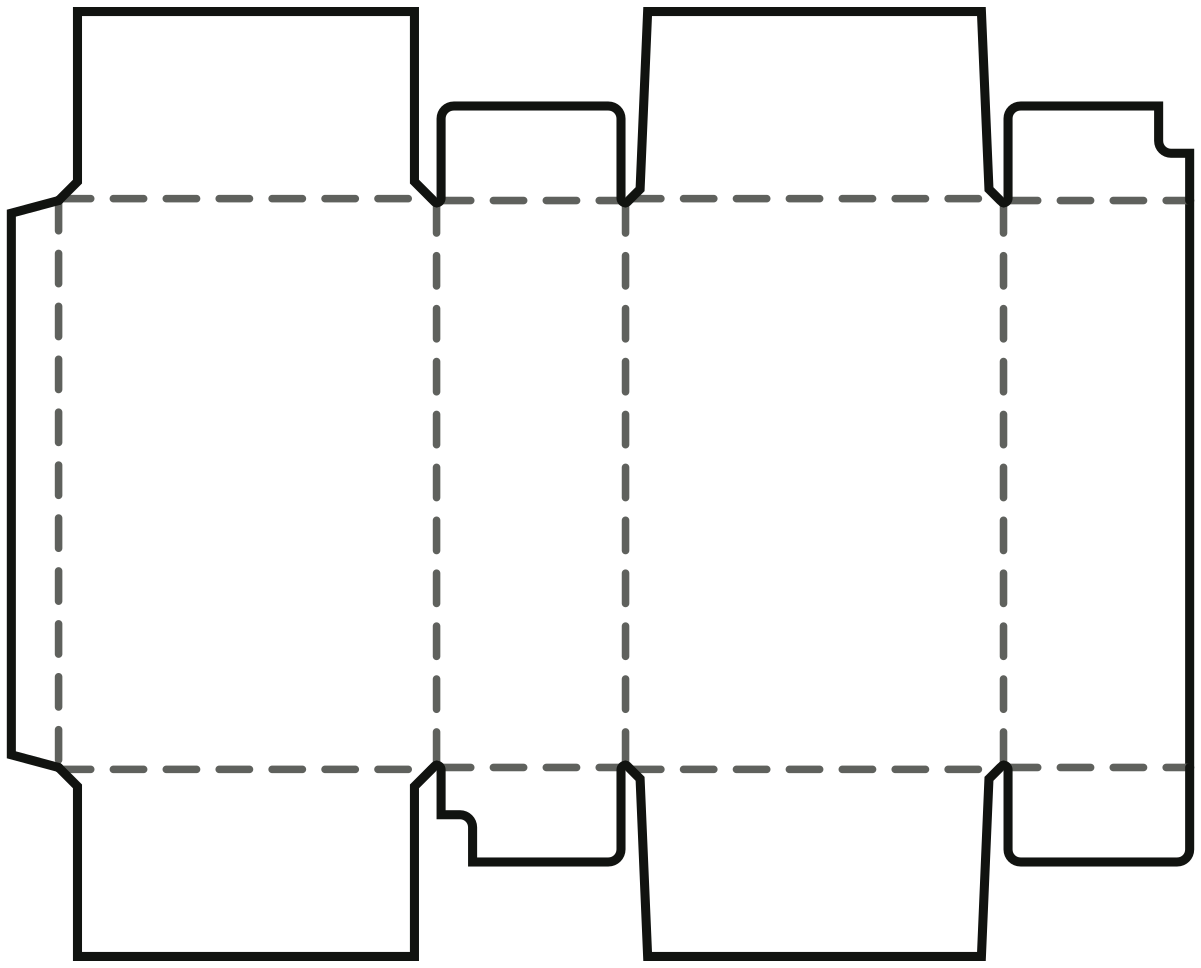
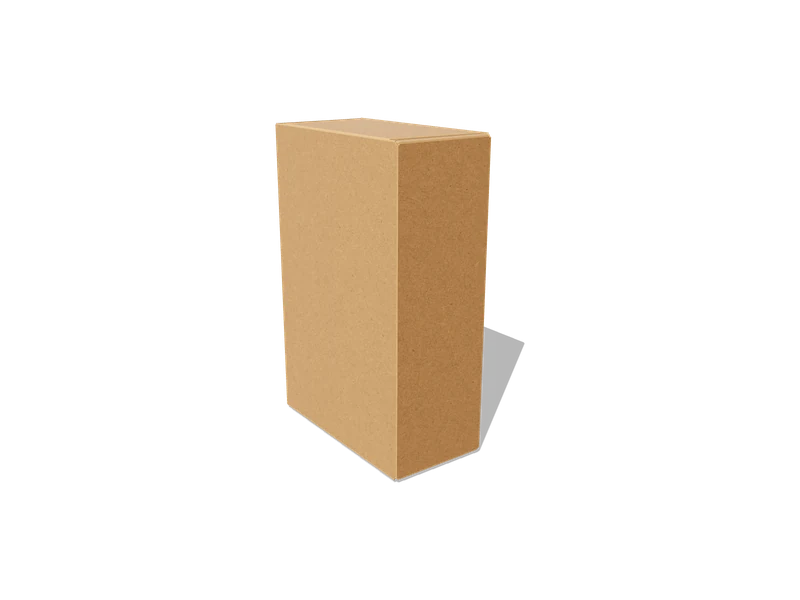
ECMA2D DIELINE3D FOLDED
Food & Dry Goods Box — Full Overlap (Variant A)
ECMA A10.10.03.03.A · 4 configurable parameters
Create dieline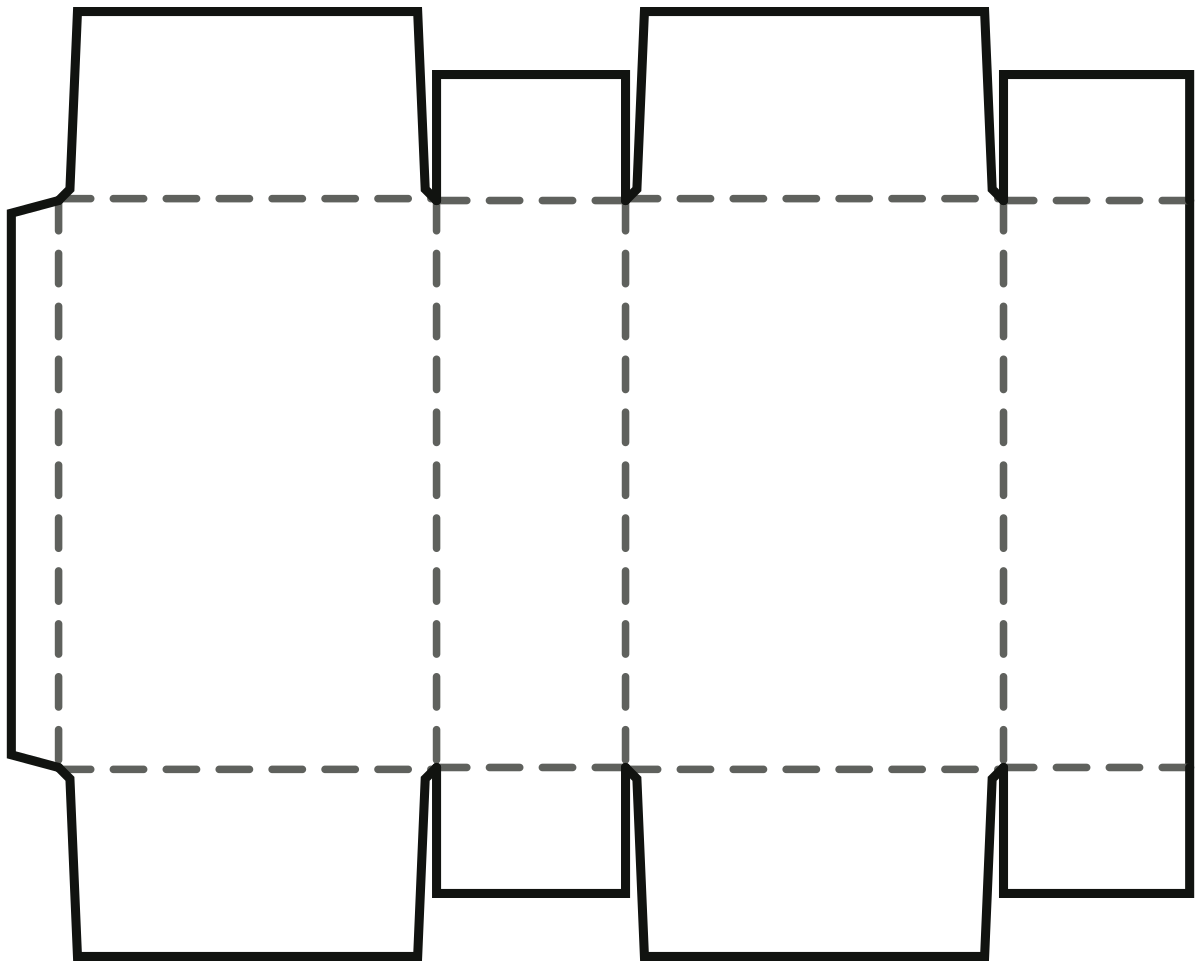
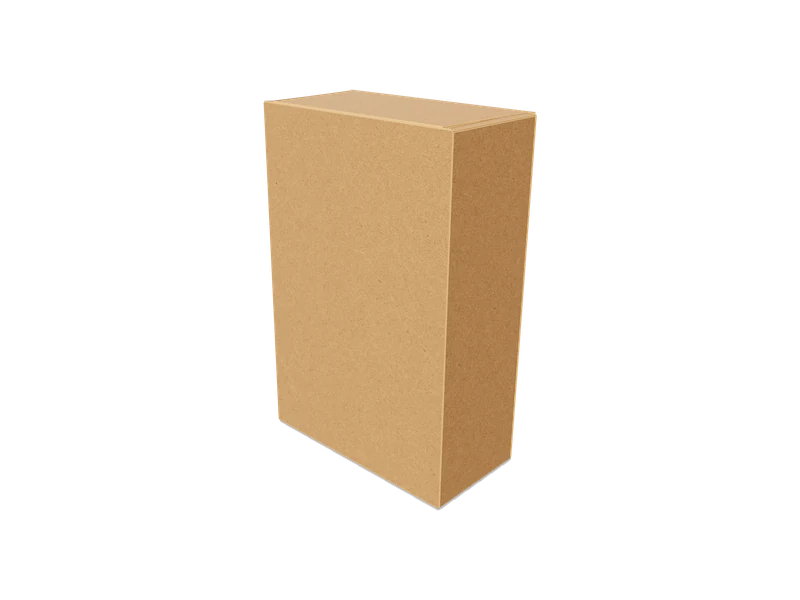
ECMA2D DIELINE3D FOLDED
Food & Dry Goods Box — Full Overlap (Variant B)
ECMA A10.10.03.03.B · 4 configurable parameters
Create dieline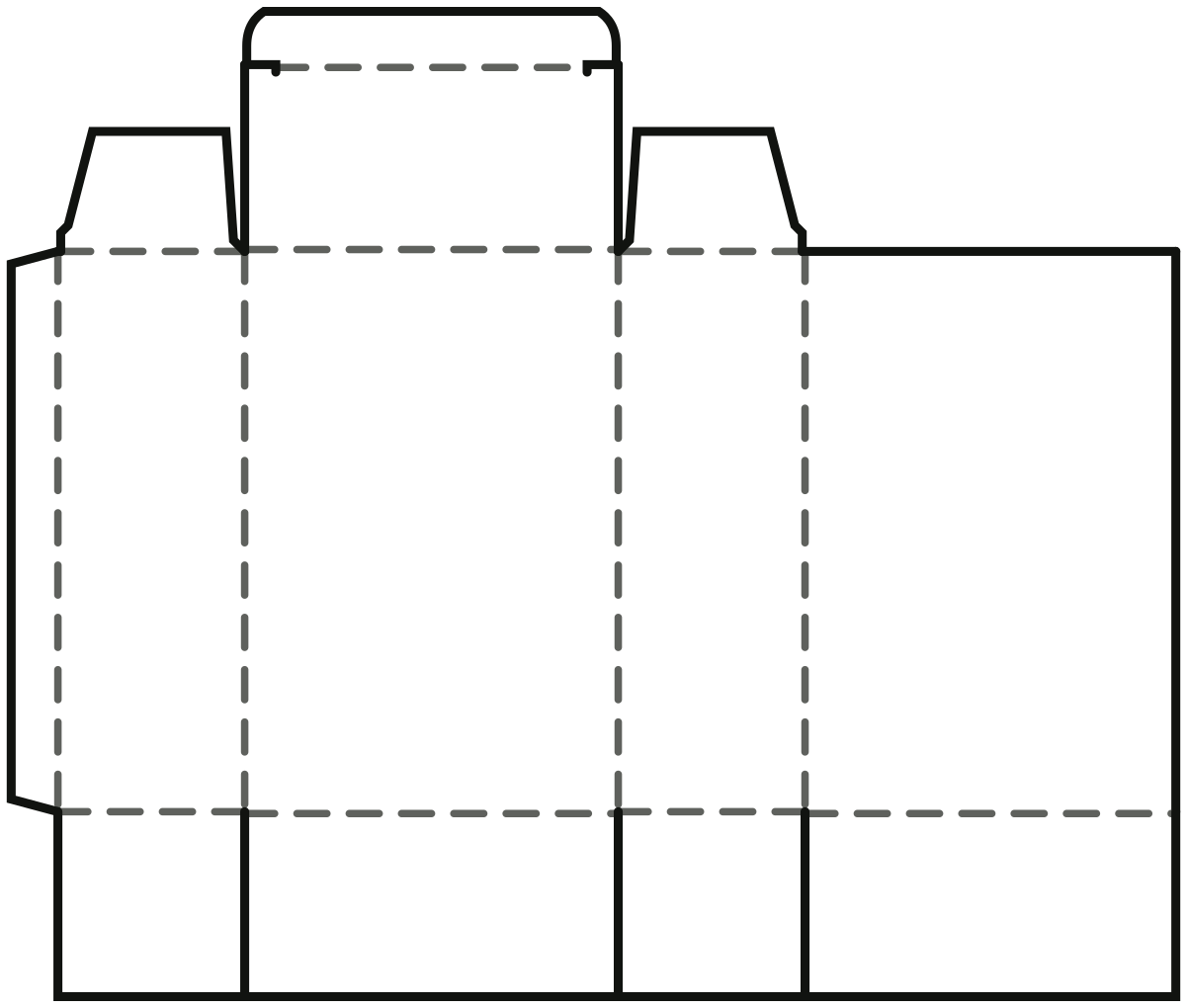
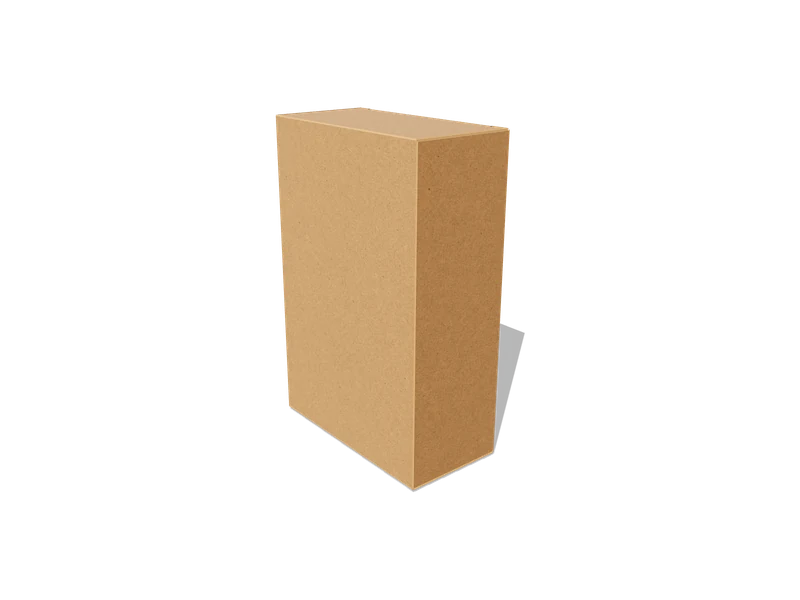
ECMA2D DIELINE3D FOLDED
Retail Product Box — Tuck Top, Full Overlap Base
ECMA A10.20.02.02 · 4 configurable parameters
Create dieline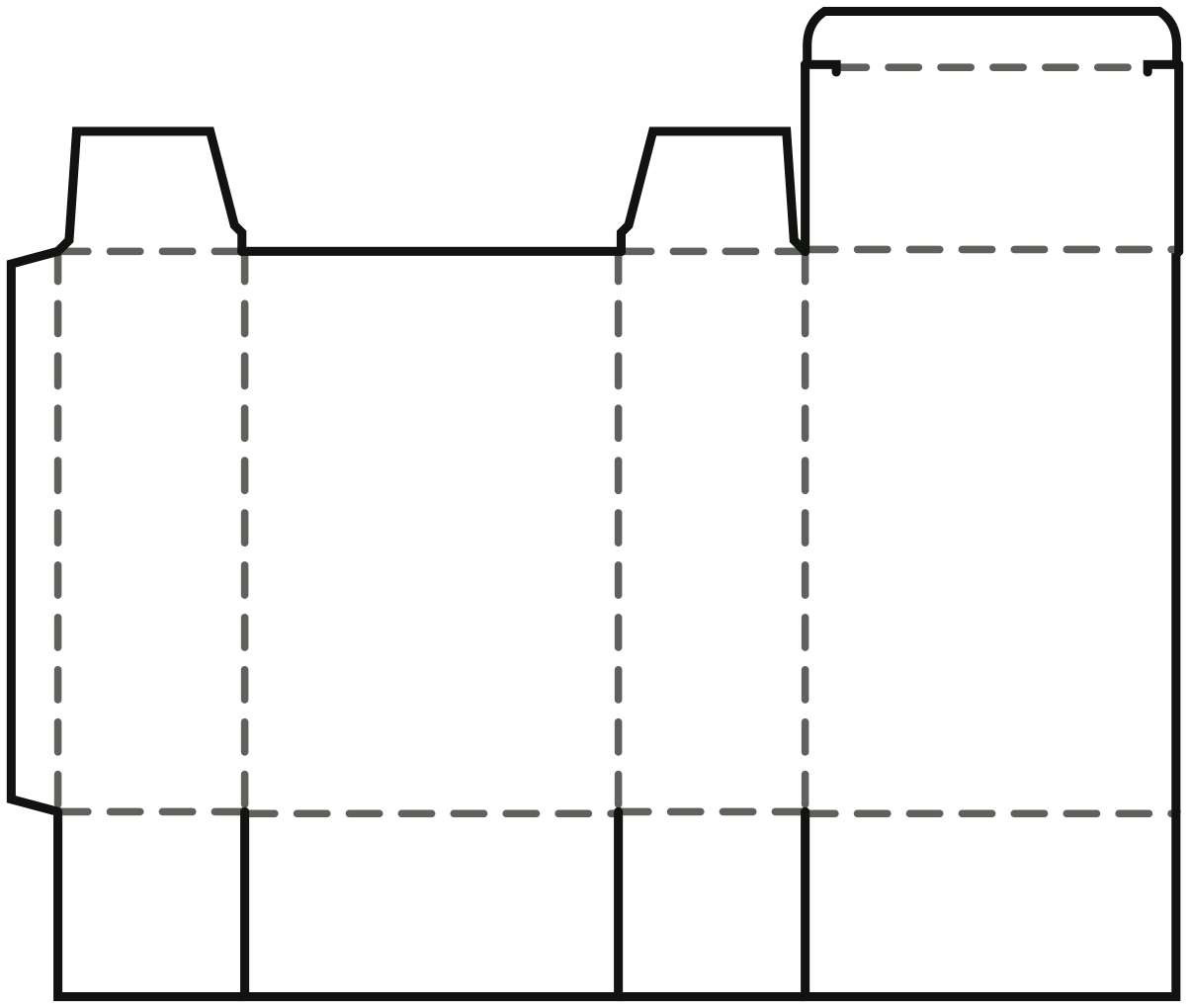
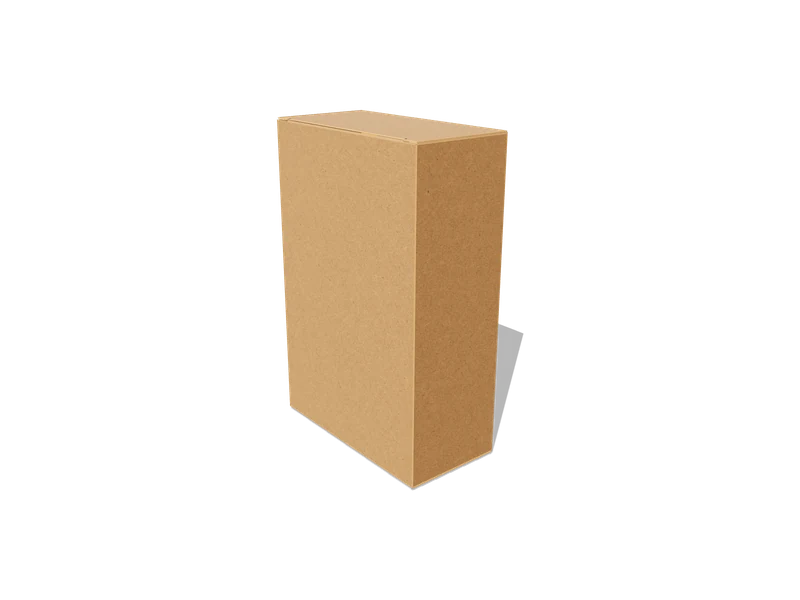
ECMA2D DIELINE3D FOLDED
Retail Product Box — Tuck Top, Reverse Panels
ECMA A10.20.02.04 · 4 configurable parameters
Create dieline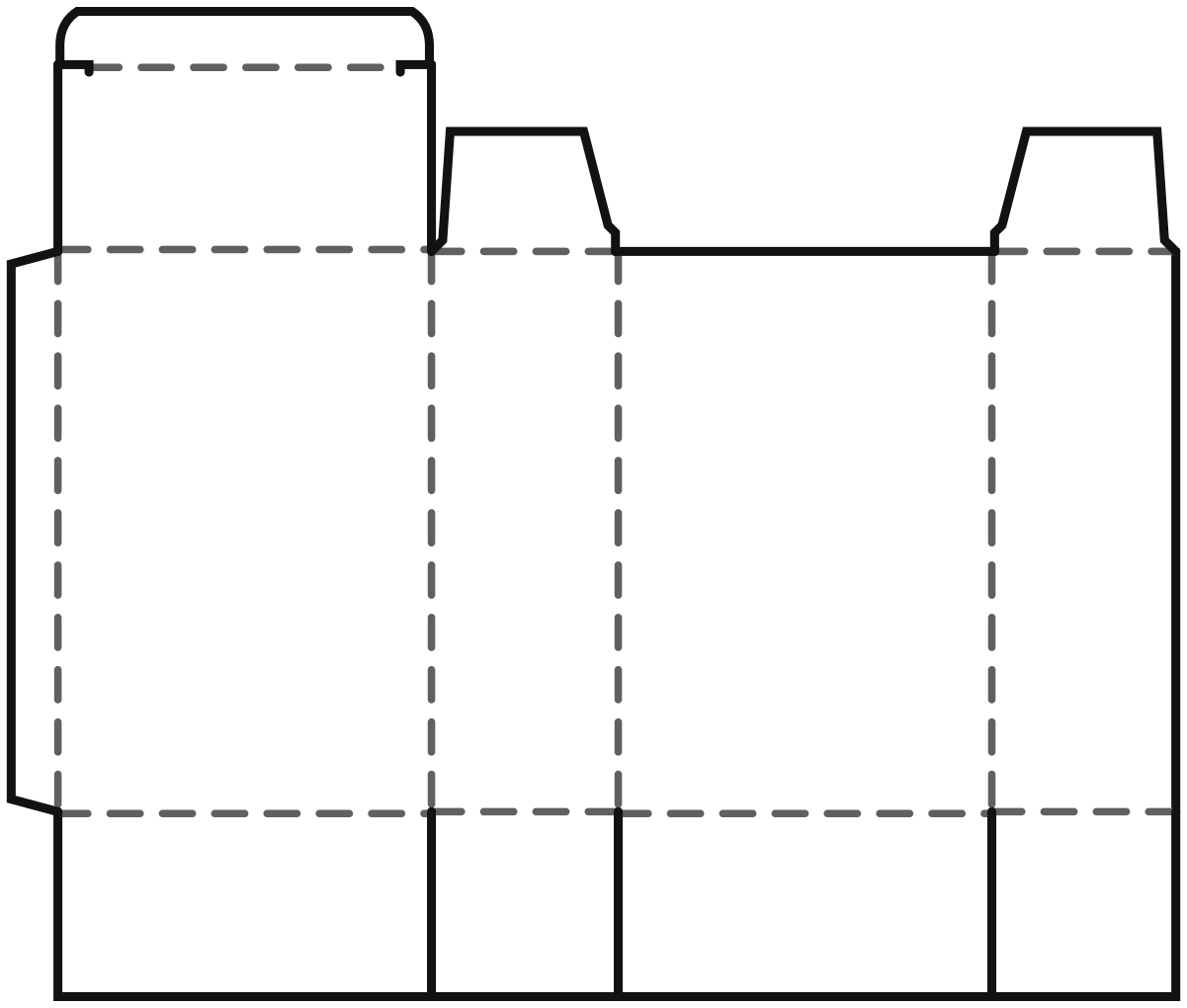
ECMA2D DIELINE3D FOLDED
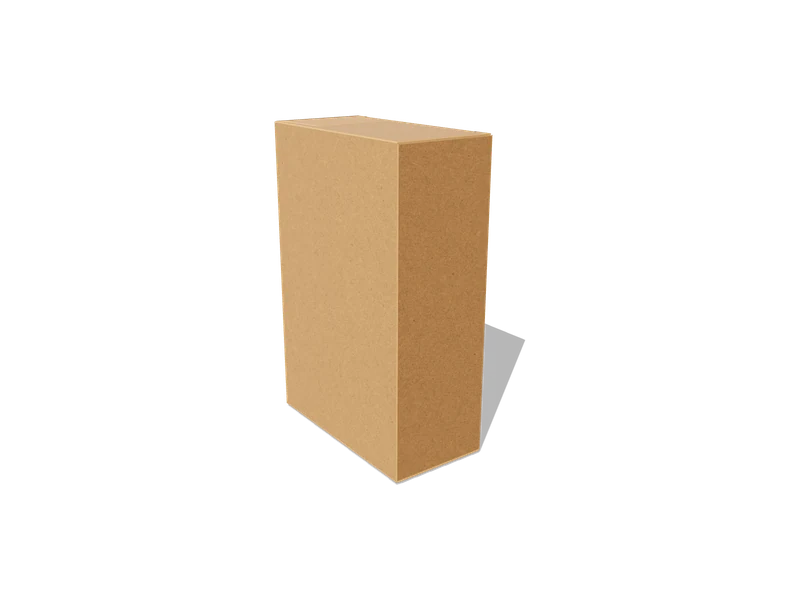
Retail Product Box — Tuck Top, Opposed Panels
ECMA A10.20.03.01 · 4 configurable parameters
Create dieline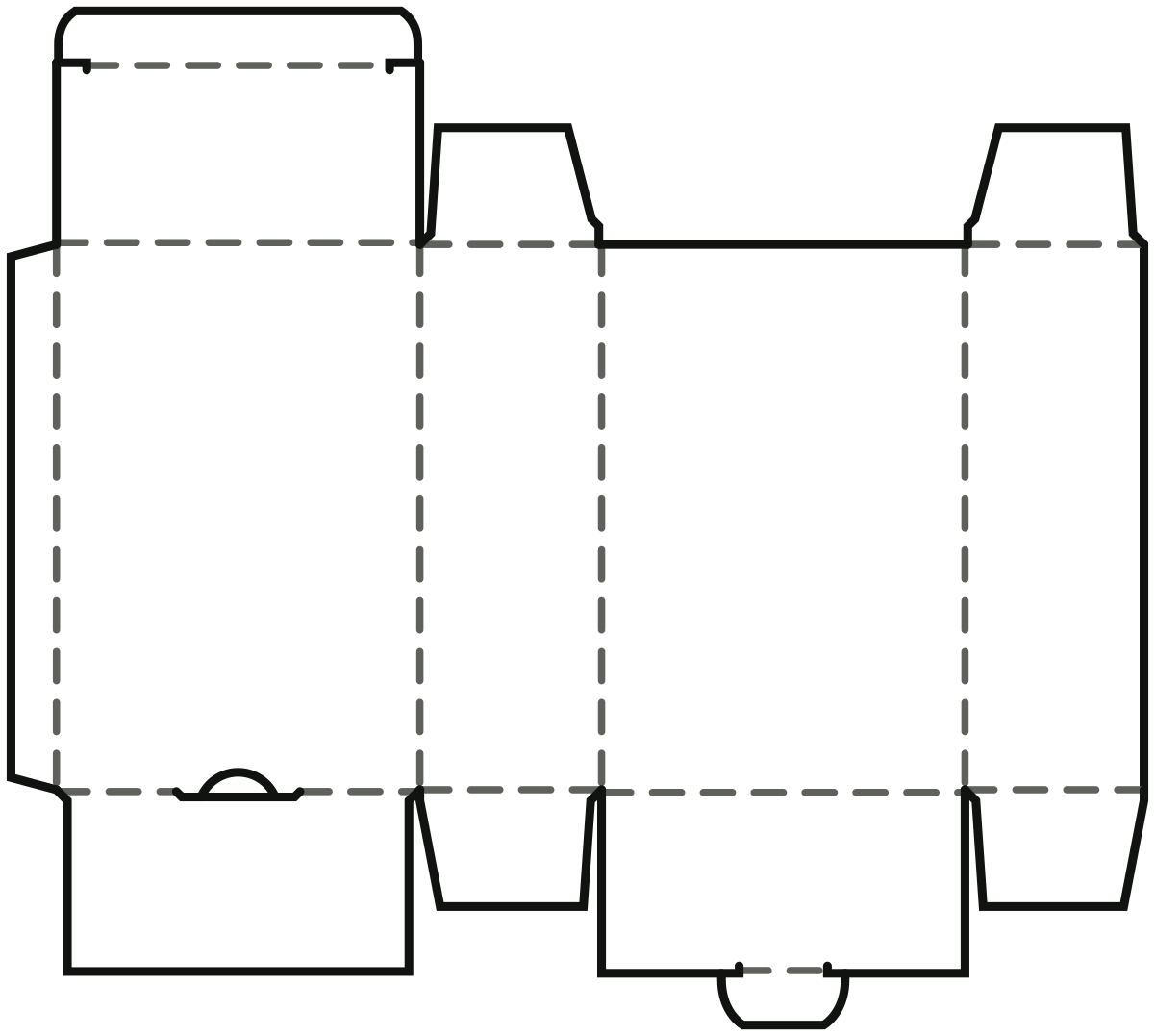
ECMA2D DIELINE3D FOLDED
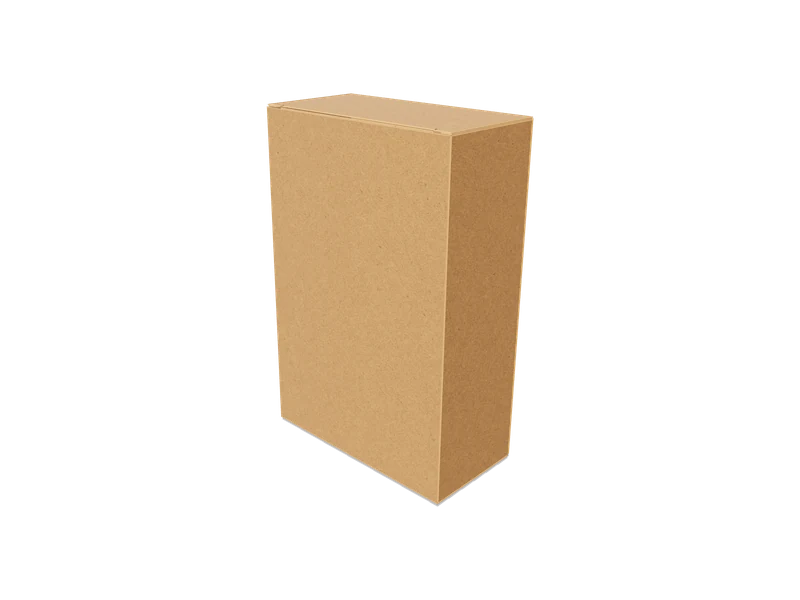
Retail Product Box — Tuck Top, Tab-Locking
ECMA A10.20.03.01.32 · 4 configurable parameters
Create dieline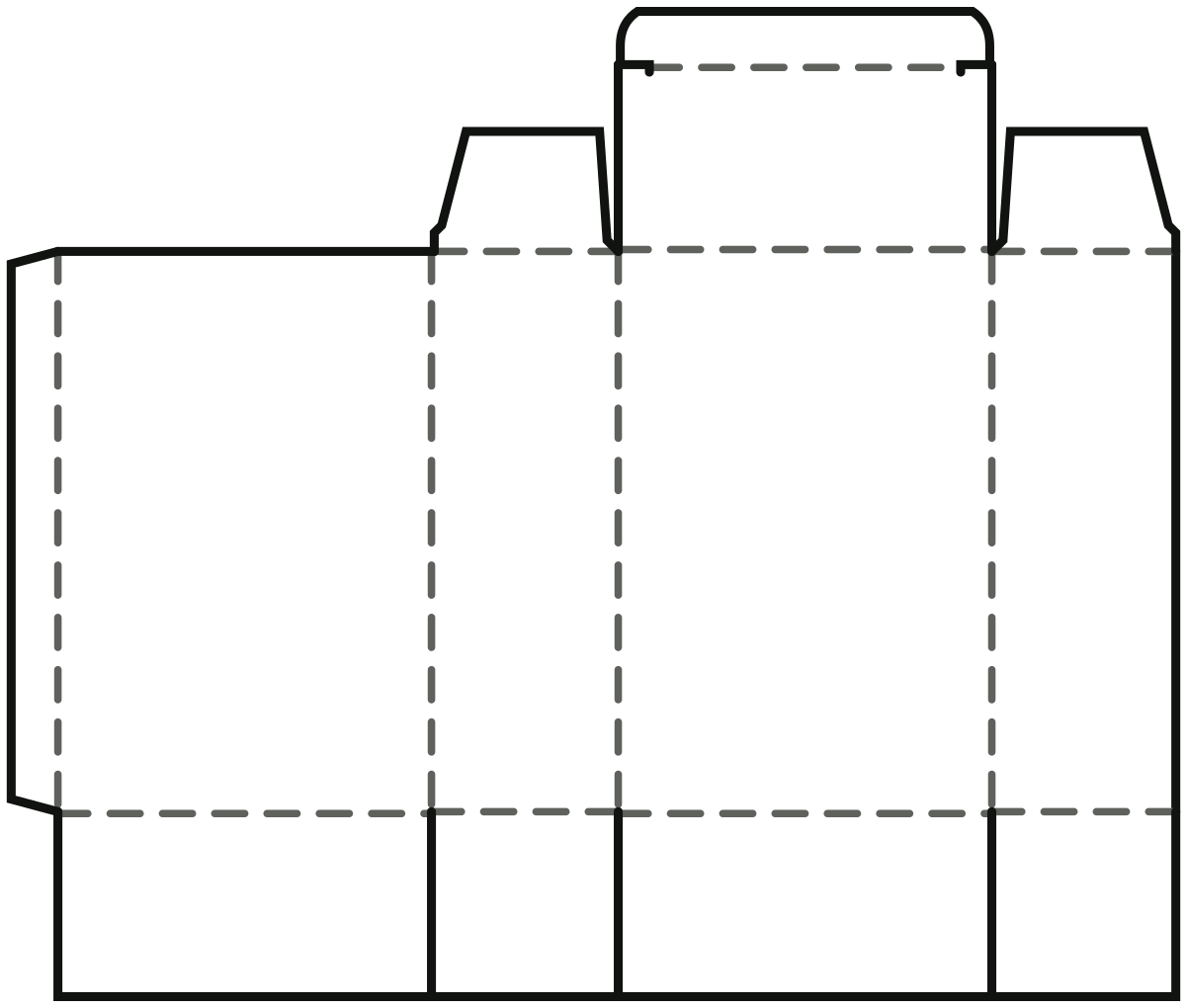
ECMA2D DIELINE3D FOLDED
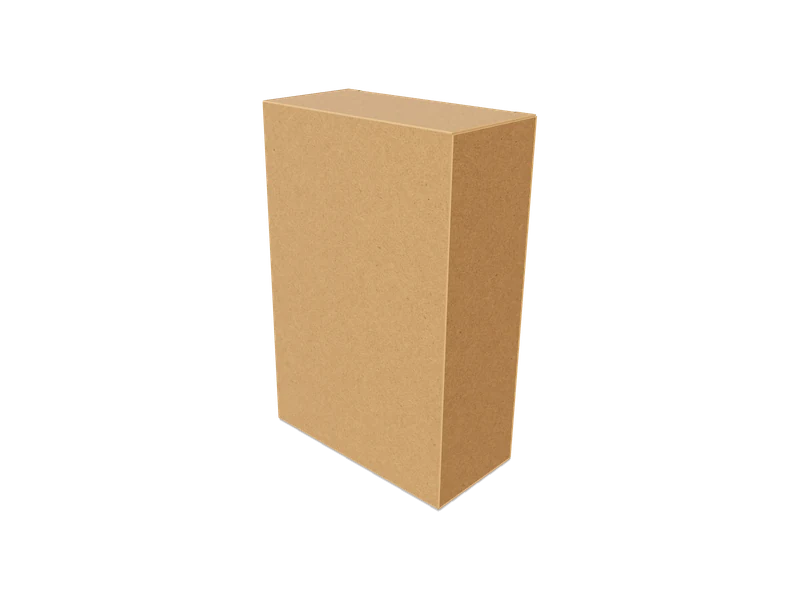
Retail Product Box — Tuck Top, Aligned Panels
ECMA A10.20.03.03 · 4 configurable parameters
Create dieline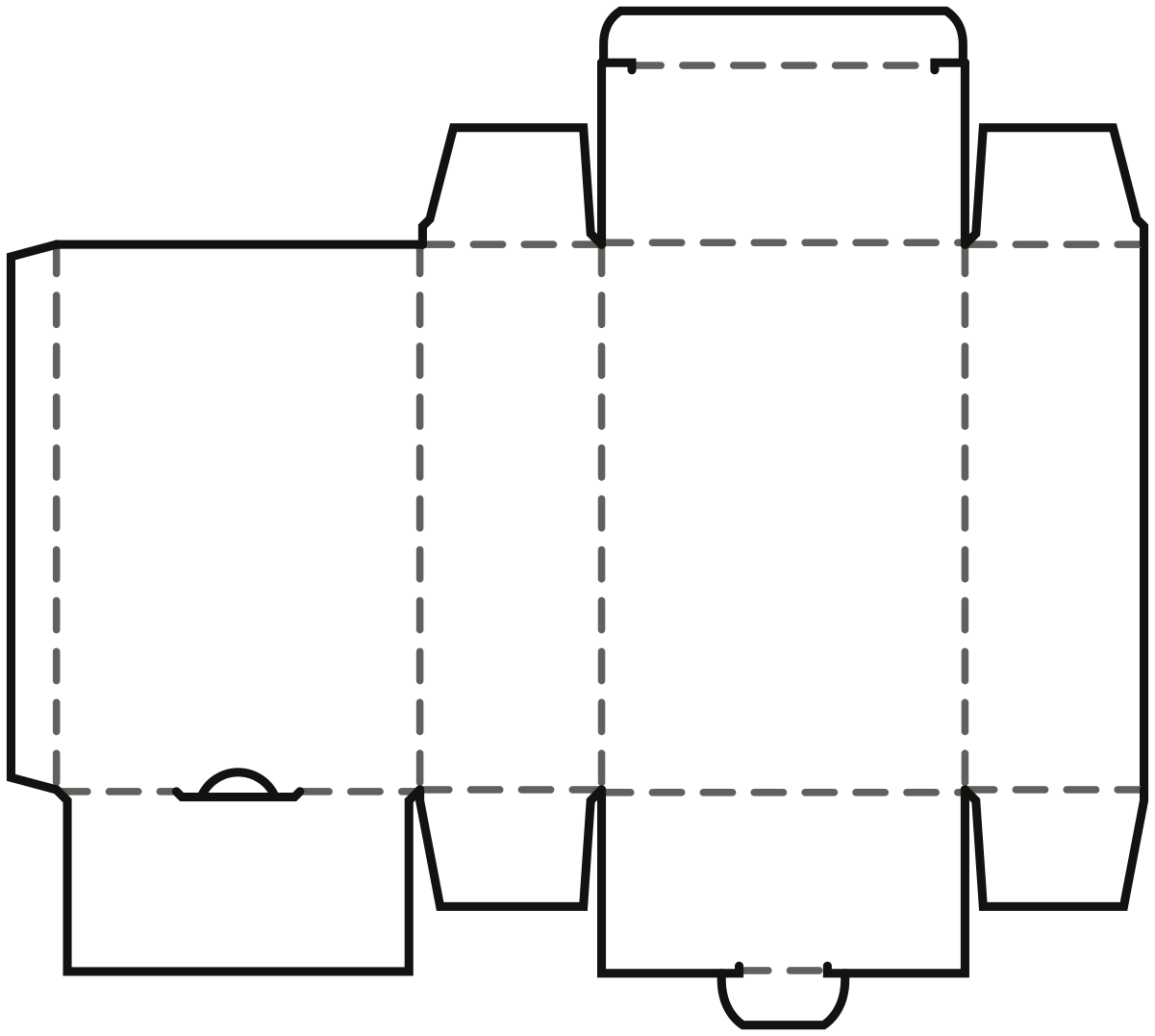
ECMA2D DIELINE3D FOLDED
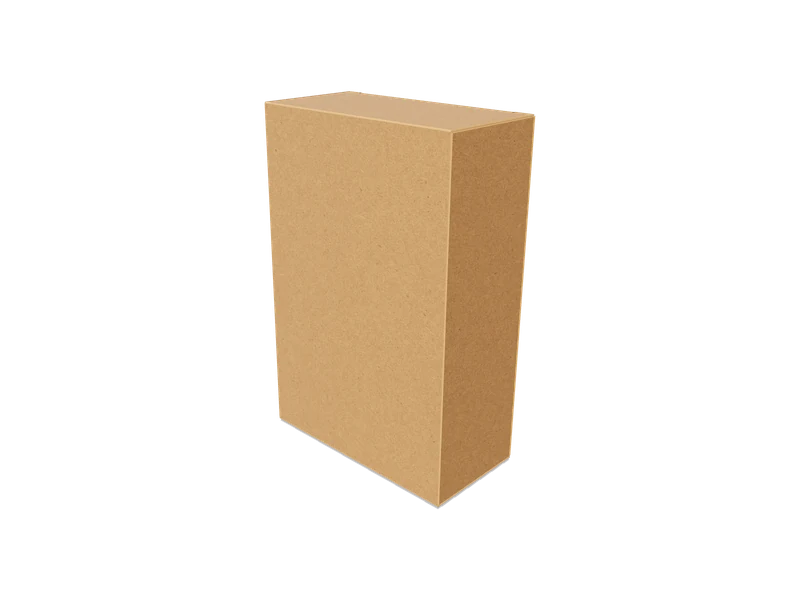
Retail Product Box — Tuck Top, Aligned, Tab-Locking
ECMA A10.20.03.03.32 · 4 configurable parameters
Create dieline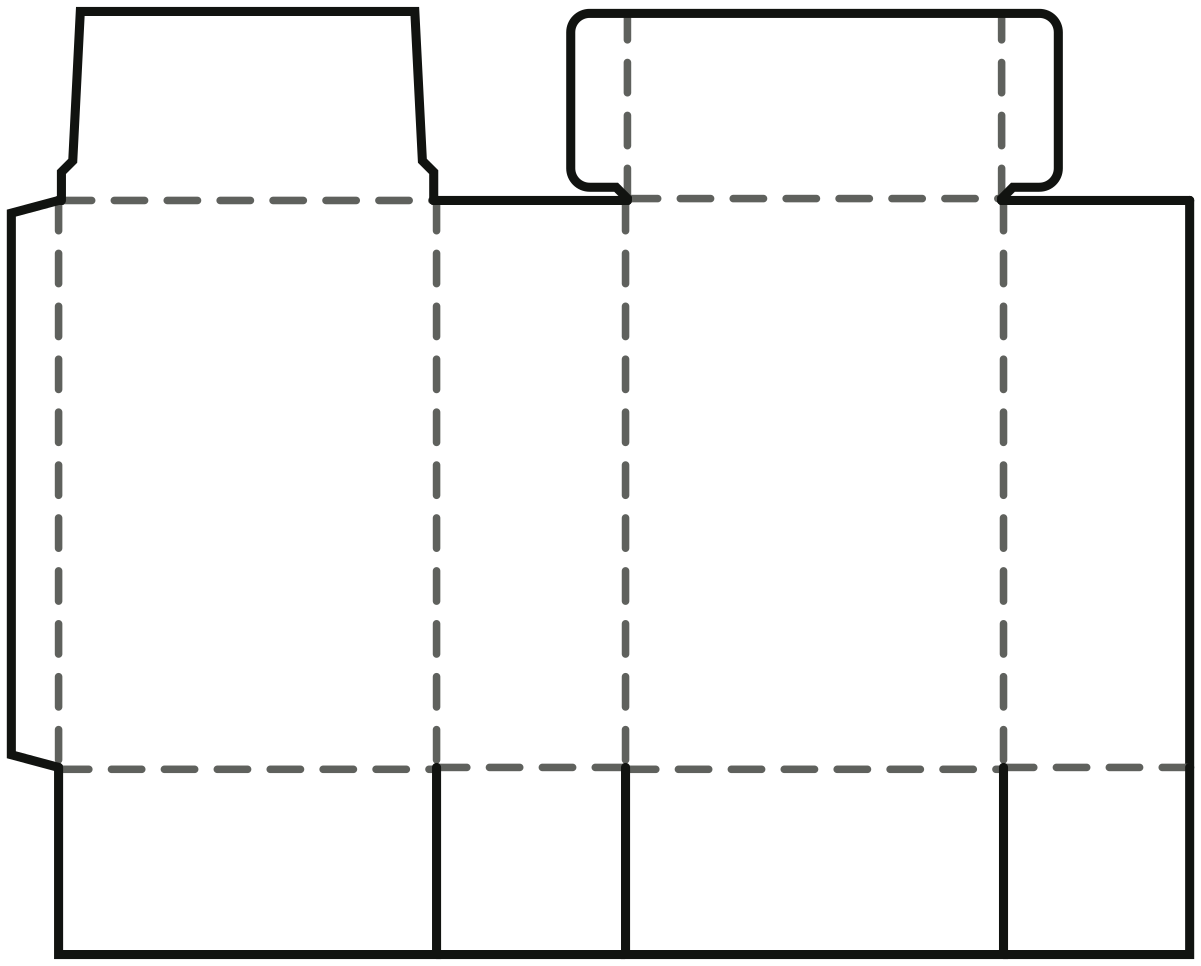
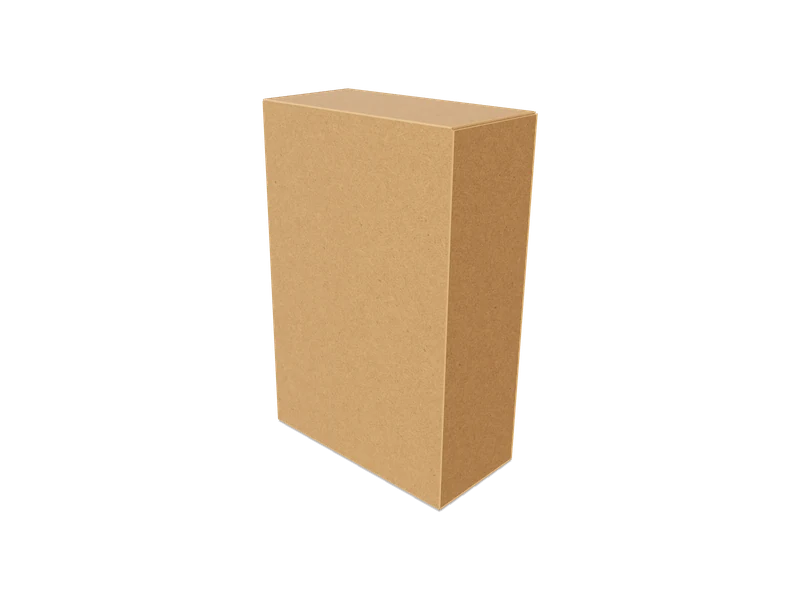
ECMA2D DIELINE3D FOLDED
Retail Product Box — Side Tuck Top
ECMA A10.40.03.03 · 4 configurable parameters
Create dieline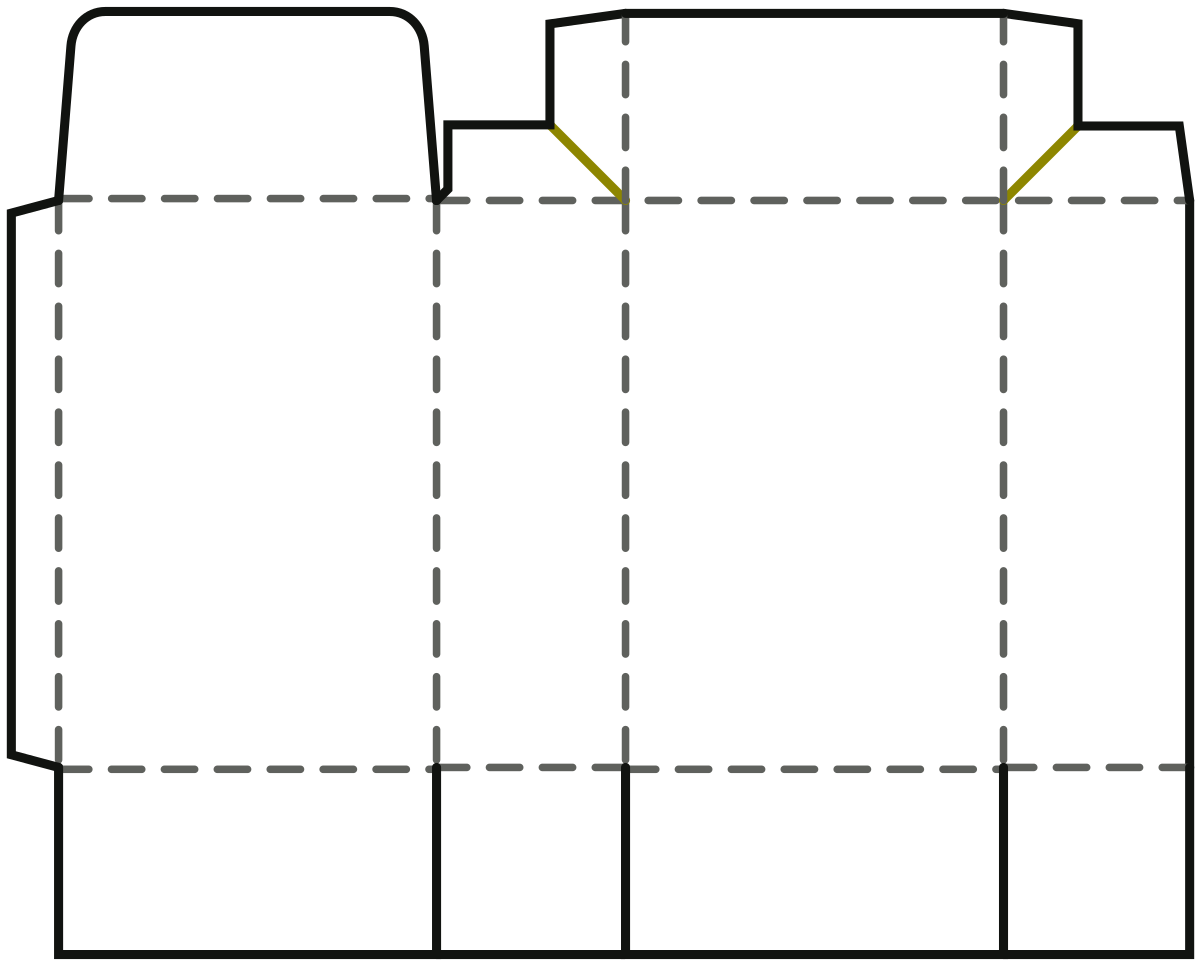
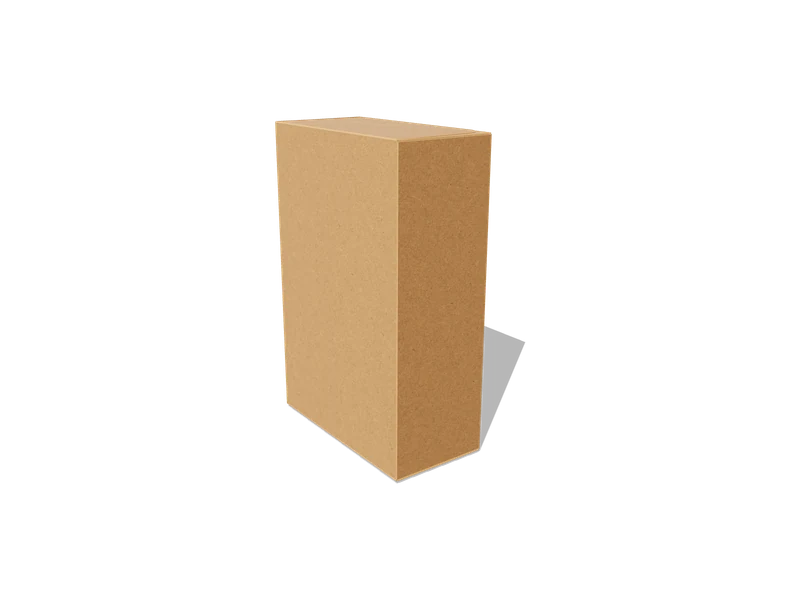
ECMA2D DIELINE3D FOLDED
Food & Dry Goods Box — Joined Dust Flap Top
ECMA A10.45.03.01 · 4 configurable parameters
Create dieline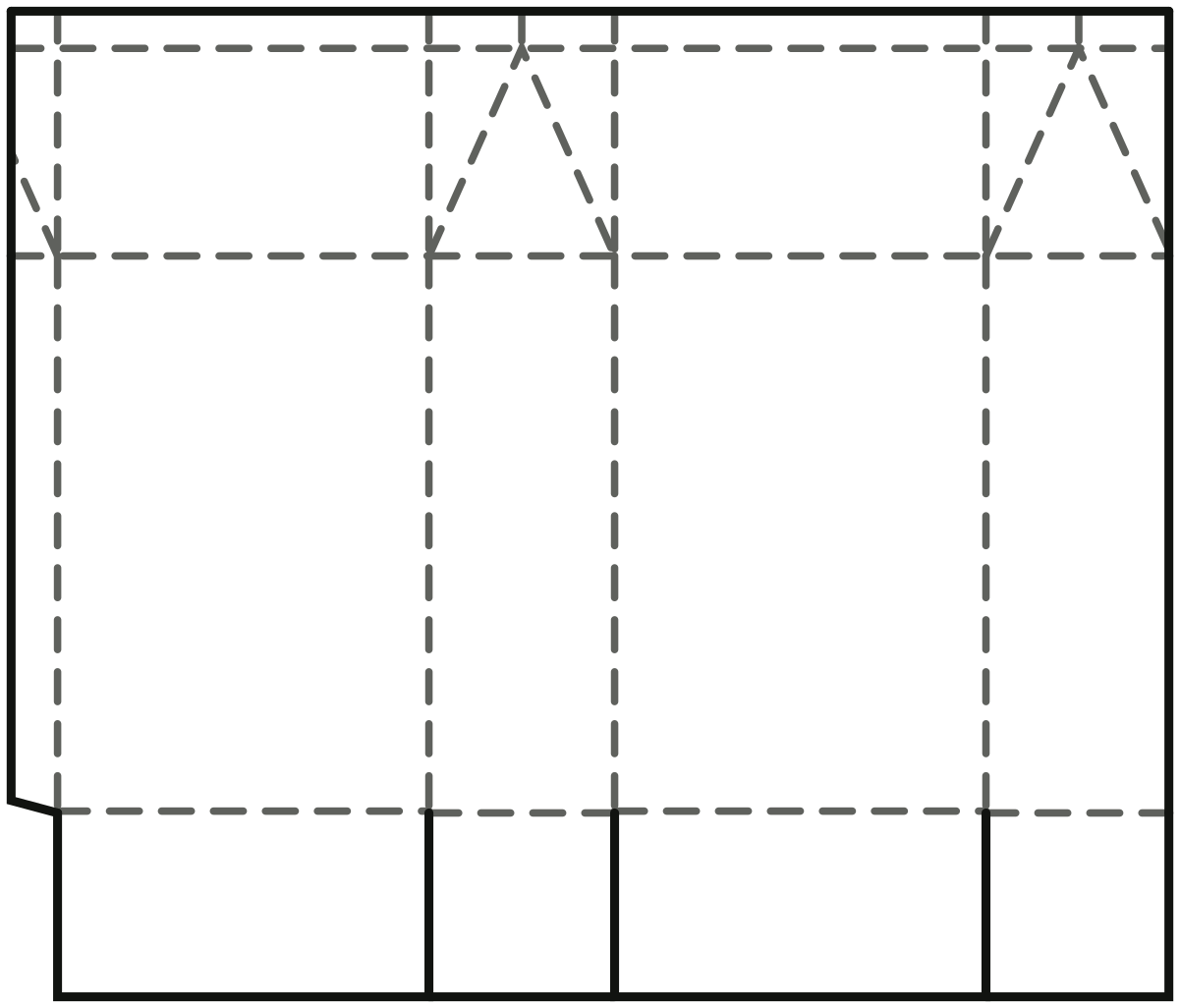
ECMA2D DIELINE3D FOLDED
Food & Dry Goods Box — Sealed Gable Top, Full Overlap Base
ECMA A10.70.03.00 Full Closure - Sealed Closure · 5 configurable parameters
Create dieline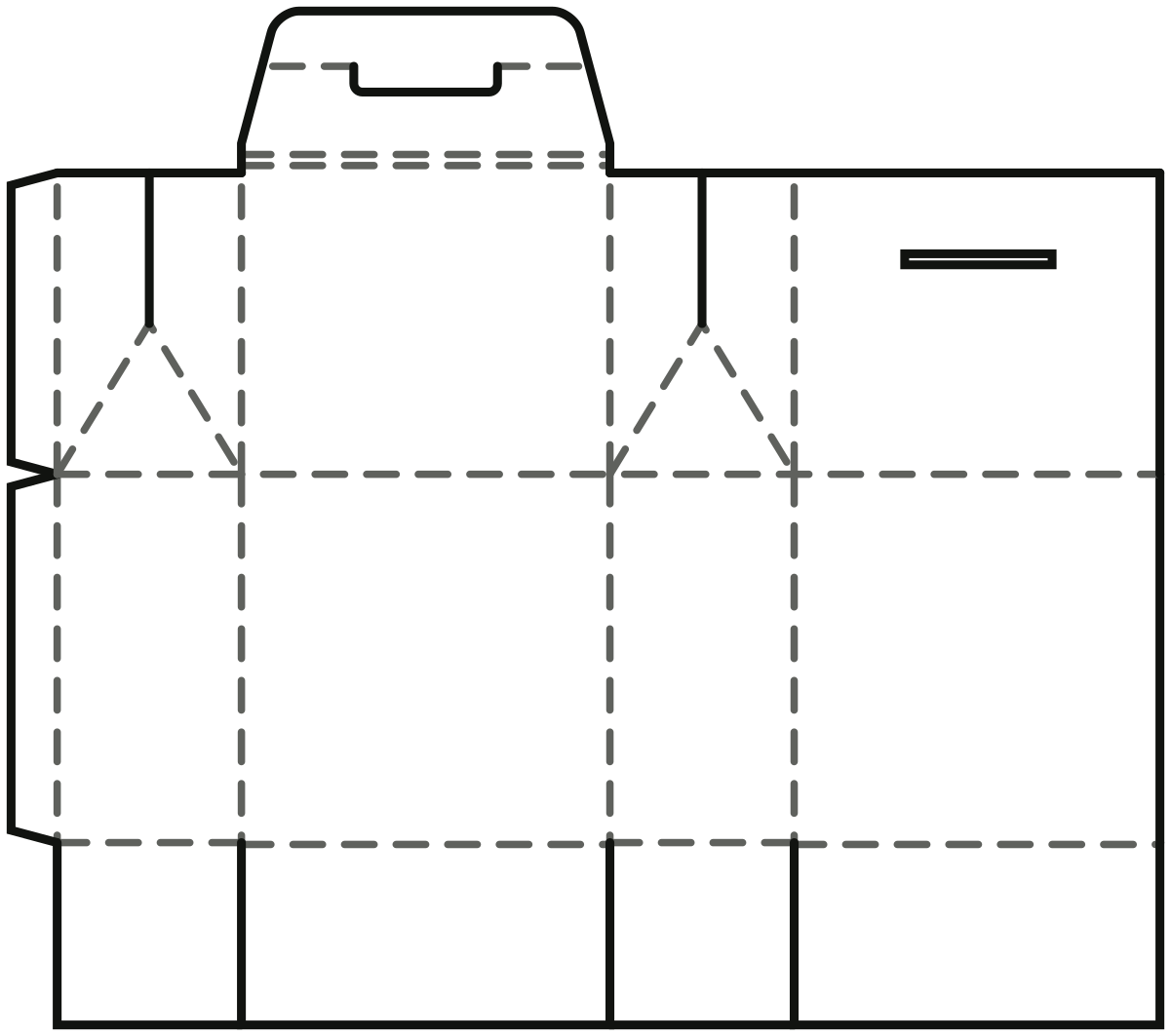
ECMA2D DIELINE3D FOLDED
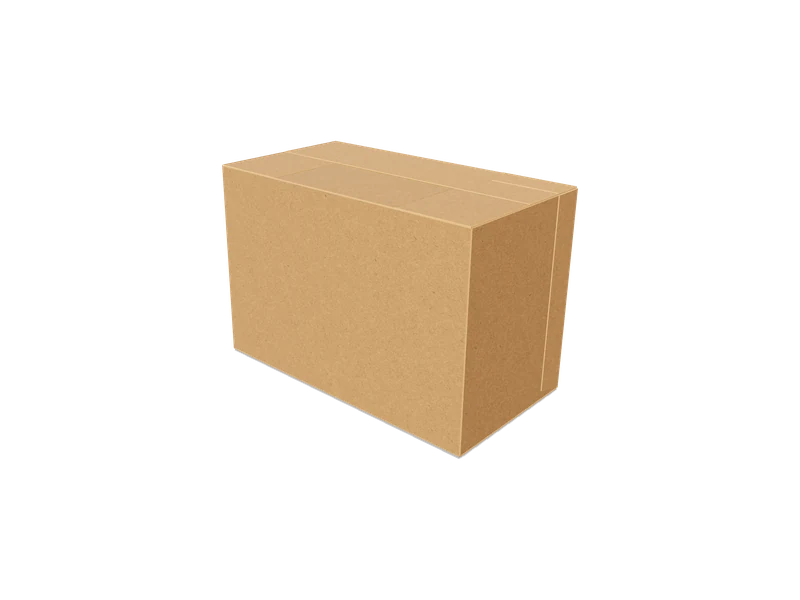
Handled Carry Box — Panel-2 Claw-Lock Gable Top
ECMA A10.75.02.02 · 5 configurable parameters
Create dieline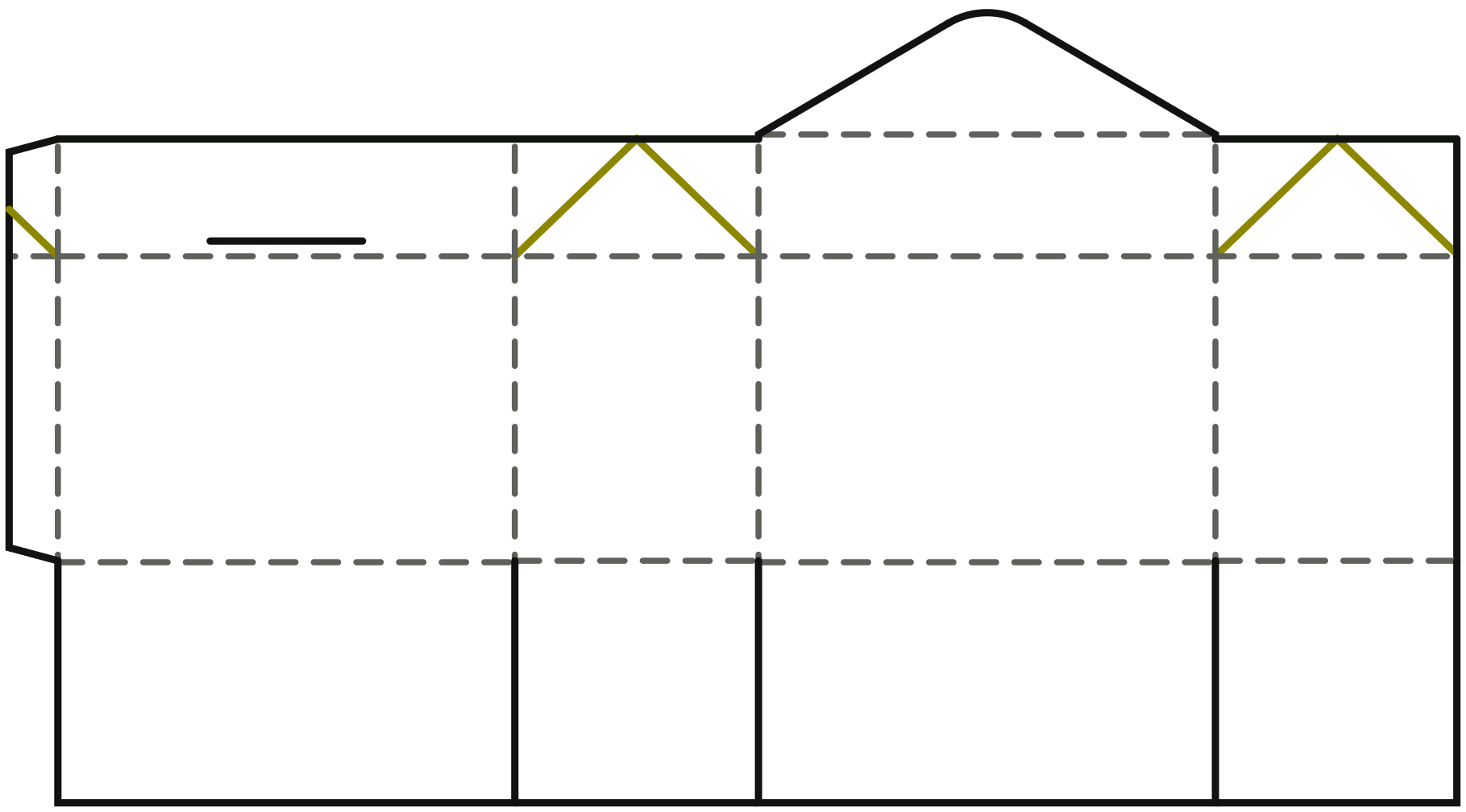
ECMA2D DIELINE3D FOLDED
Handled Carry Box — Gable Top, Full Overlap Base
ECMA A10.75.03.03 · 5 configurable parameters
Create dieline

ECMA2D DIELINE3D FOLDED
Retail Product Box — Gable Top
ECMA A10.75.03.03.62 · 5 configurable parameters
Create dieline

ECMA2D DIELINE3D FOLDED
Retail Product Box — Gable Top (Variant A)
ECMA A10.75.03.03.A · 5 configurable parameters
Create dieline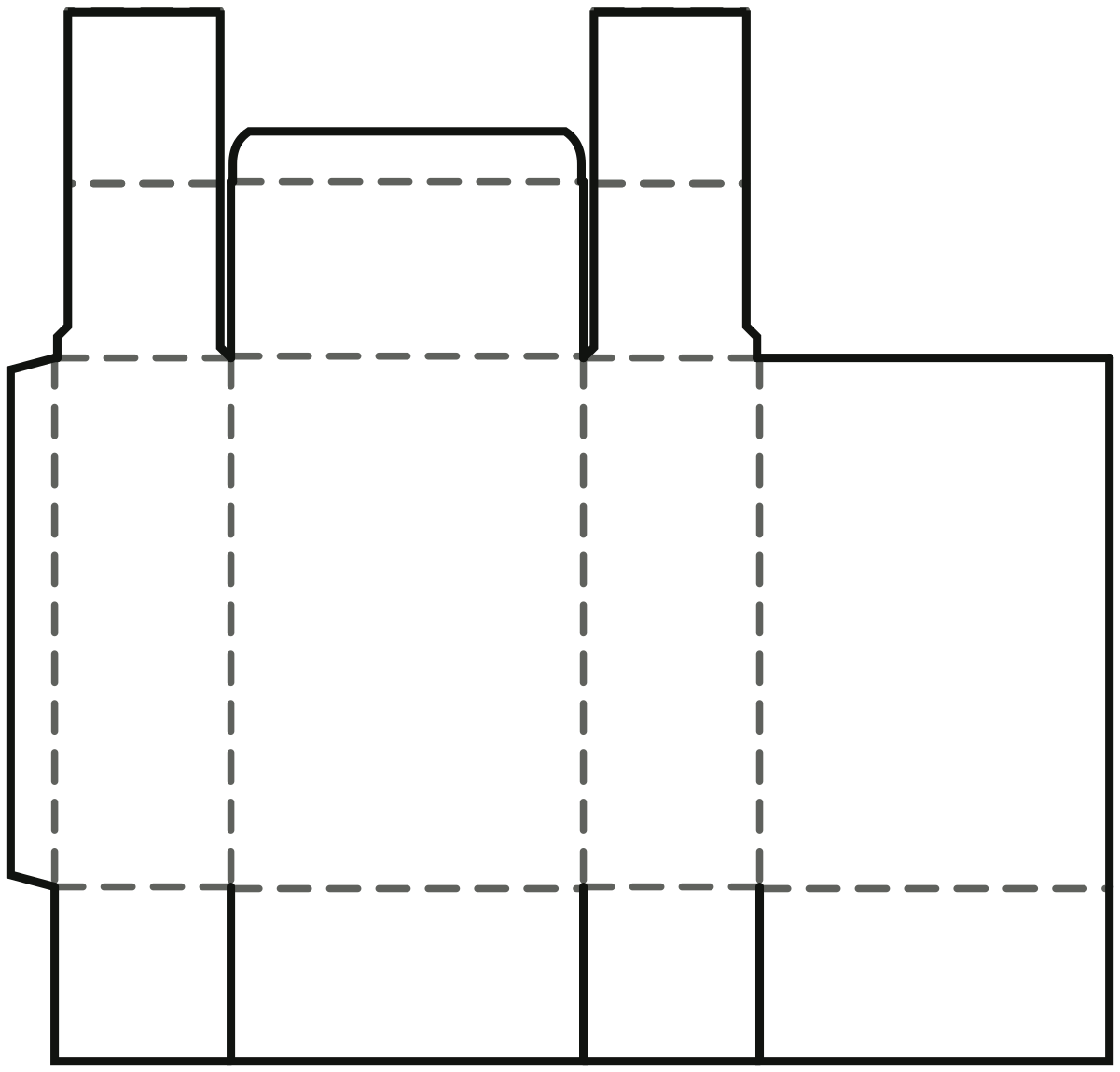
ECMA2D DIELINE3D FOLDED
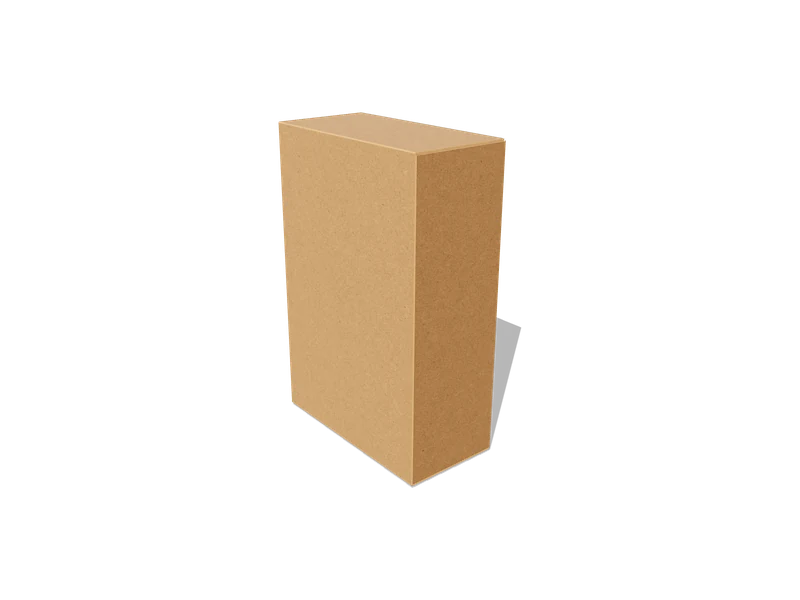
Food & Dry Goods Box — Hollow Dust Flap Tuck Top
ECMA A10.80.02.02 · 5 configurable parameters
Create dieline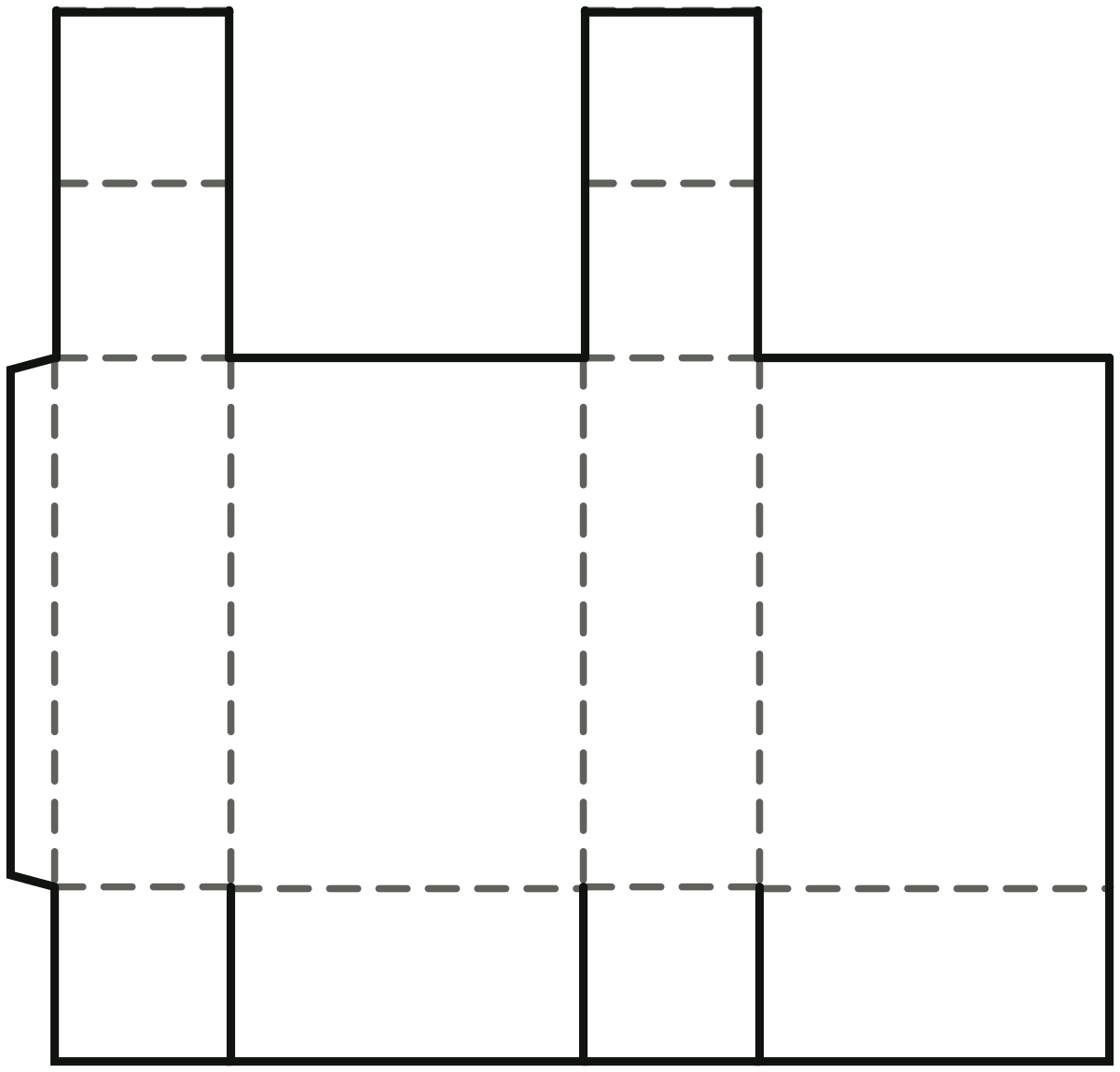
ECMA2D DIELINE3D FOLDED
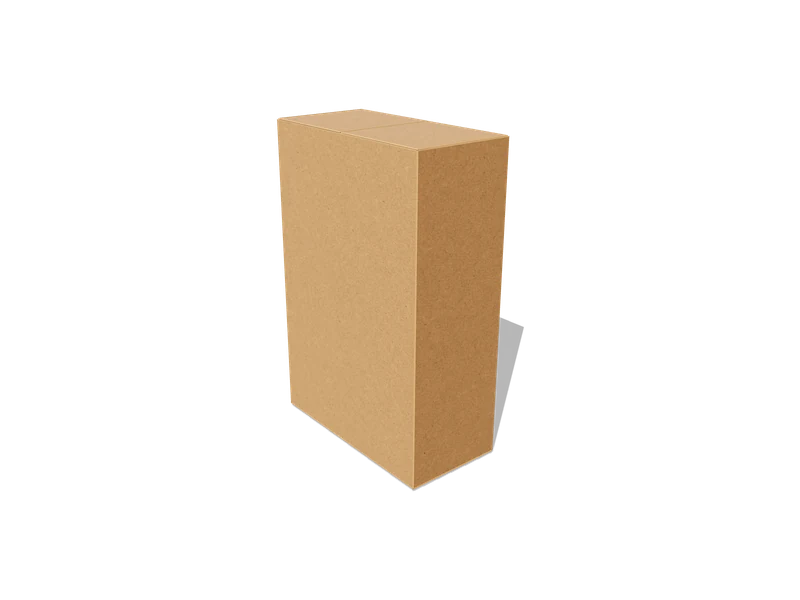
Food & Dry Goods Box — Hollow Dust Flap Top
ECMA A10.81.02.00 · 5 configurable parameters
Create dieline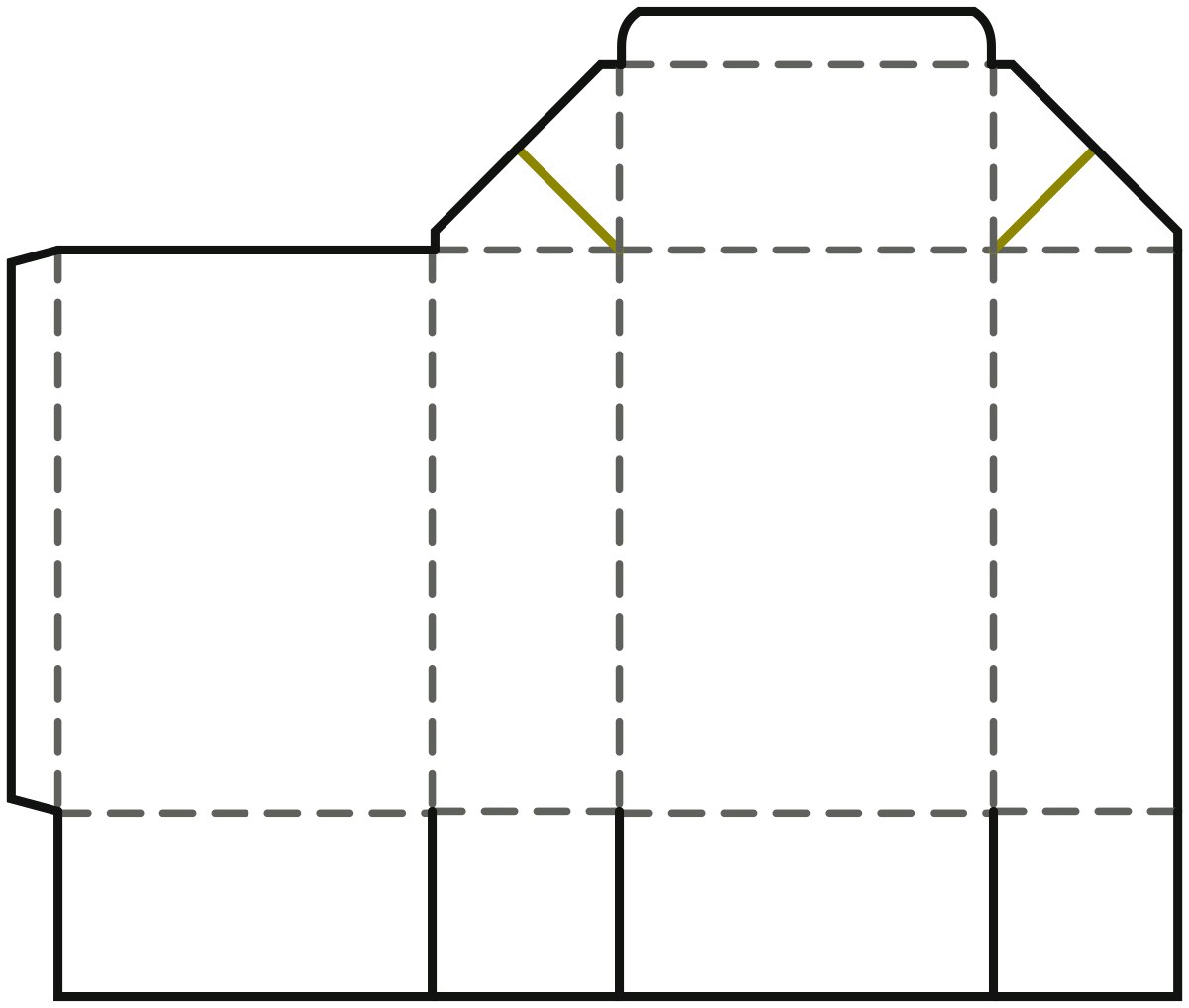
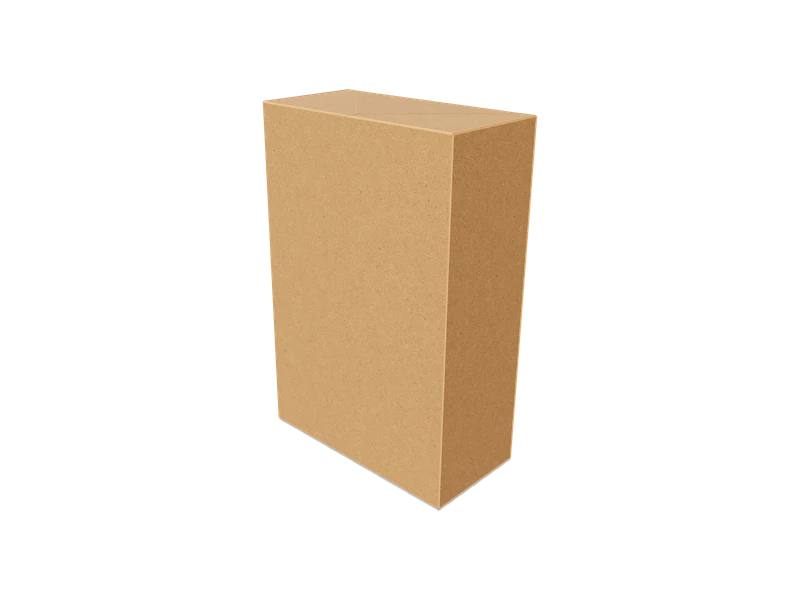
ECMA2D DIELINE3D FOLDED
Sift-Proof Powder Box — Webbed Dust Flap, Full Overlap Base
ECMA A10.99.03.03 · 4 configurable parameters
Create dieline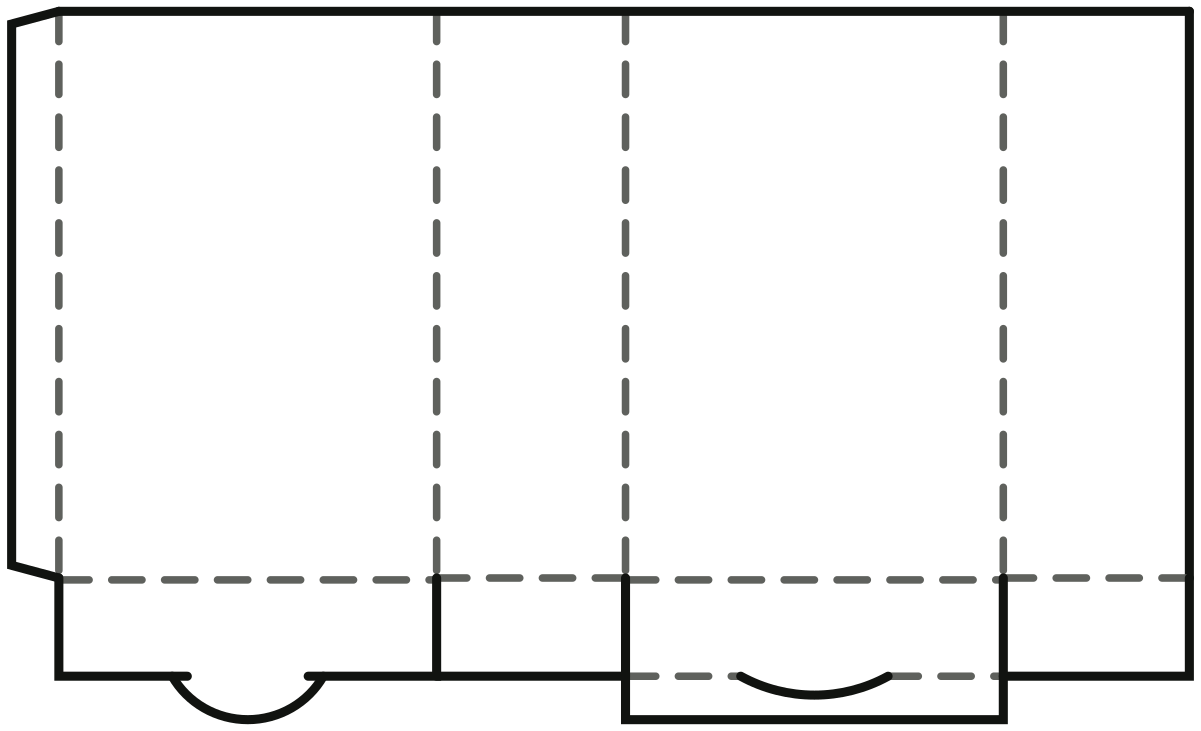

ECMA2D DIELINE3D FOLDED
Retail Product Box — Open Top, Reduced Flap Base
ECMA A11.01.01.00.38 · 4 configurable parameters
Create dieline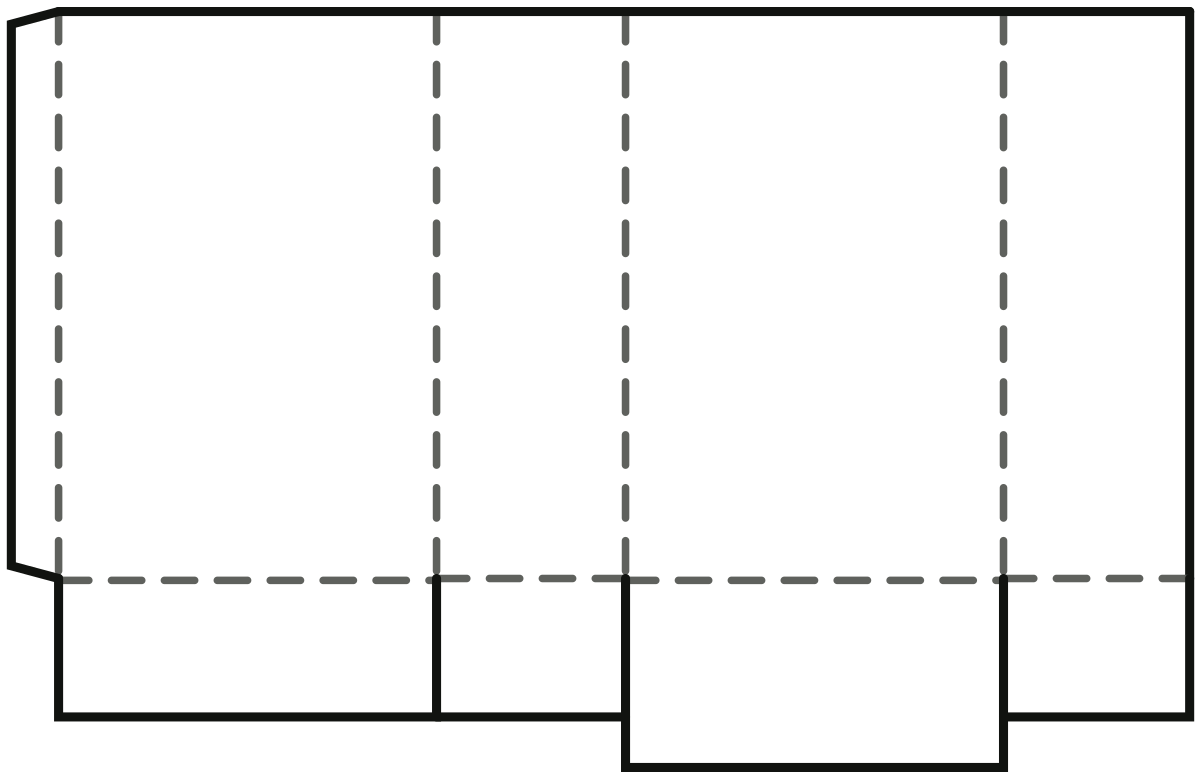

ECMA2D DIELINE3D FOLDED
Display & Shelf-Ready Box — Open Top, Single Deep Base Flap
ECMA A11.01.03.00 · 4 configurable parameters
Create dieline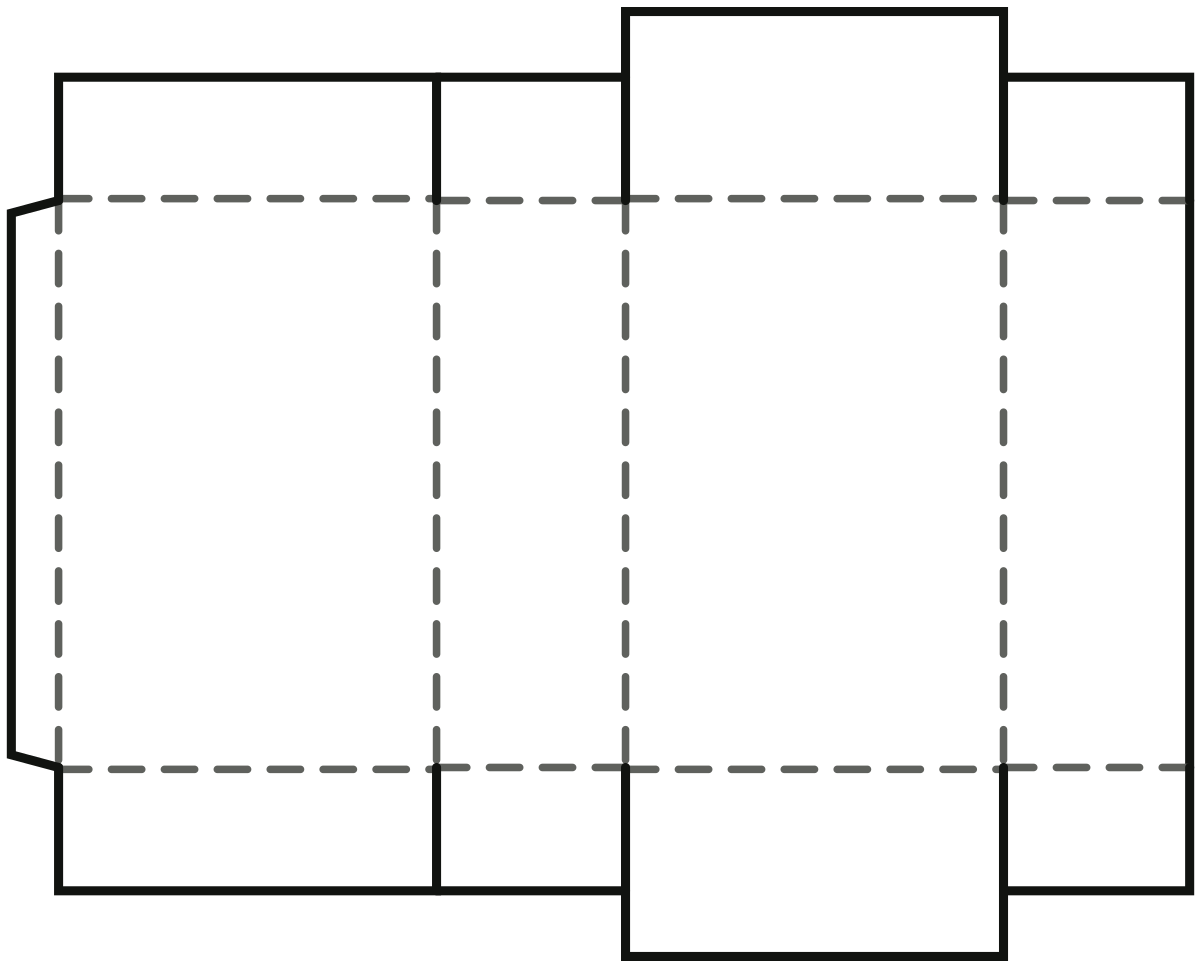
ECMA2D DIELINE3D FOLDED
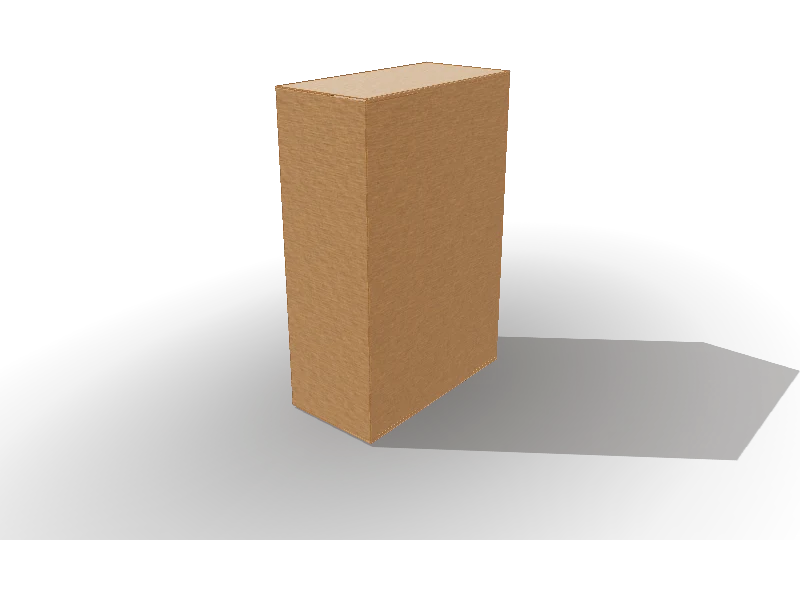
Food & Dry Goods Box — Reduced Flaps, One Full Flap
ECMA A11.11.03.03 Reduced Square Flaps and One Full Flap · 4 configurable parameters
Create dieline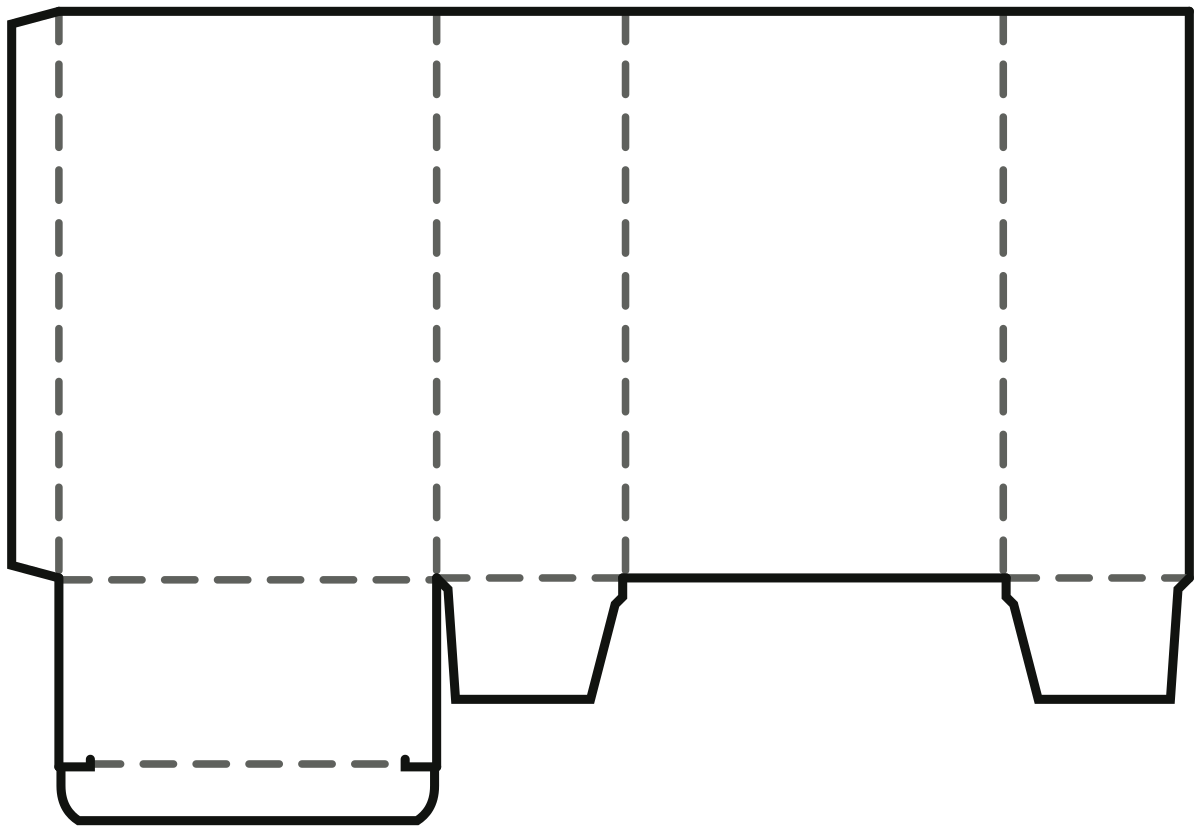
ECMA2D DIELINE3D FOLDED
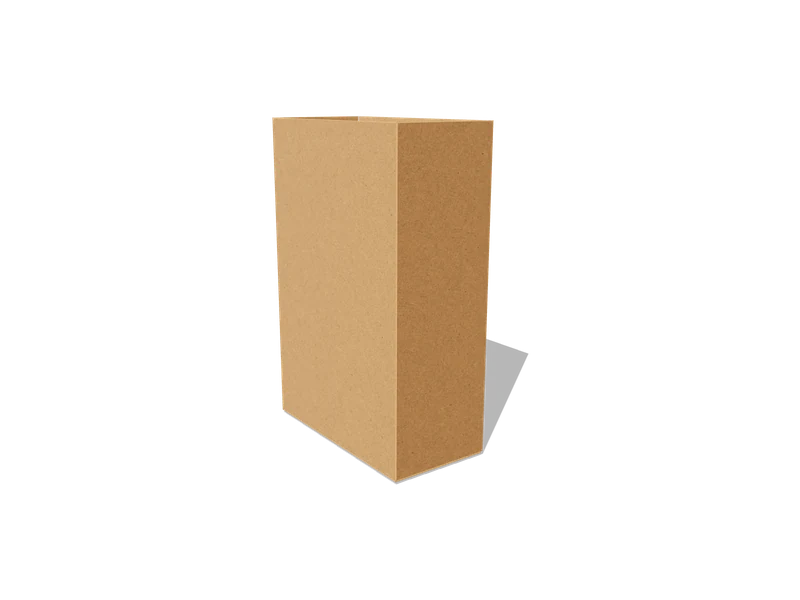
Display & Shelf-Ready Box — Open Top, Tuck Base
ECMA A20.01.01.00 · 4 configurable parameters
Create dieline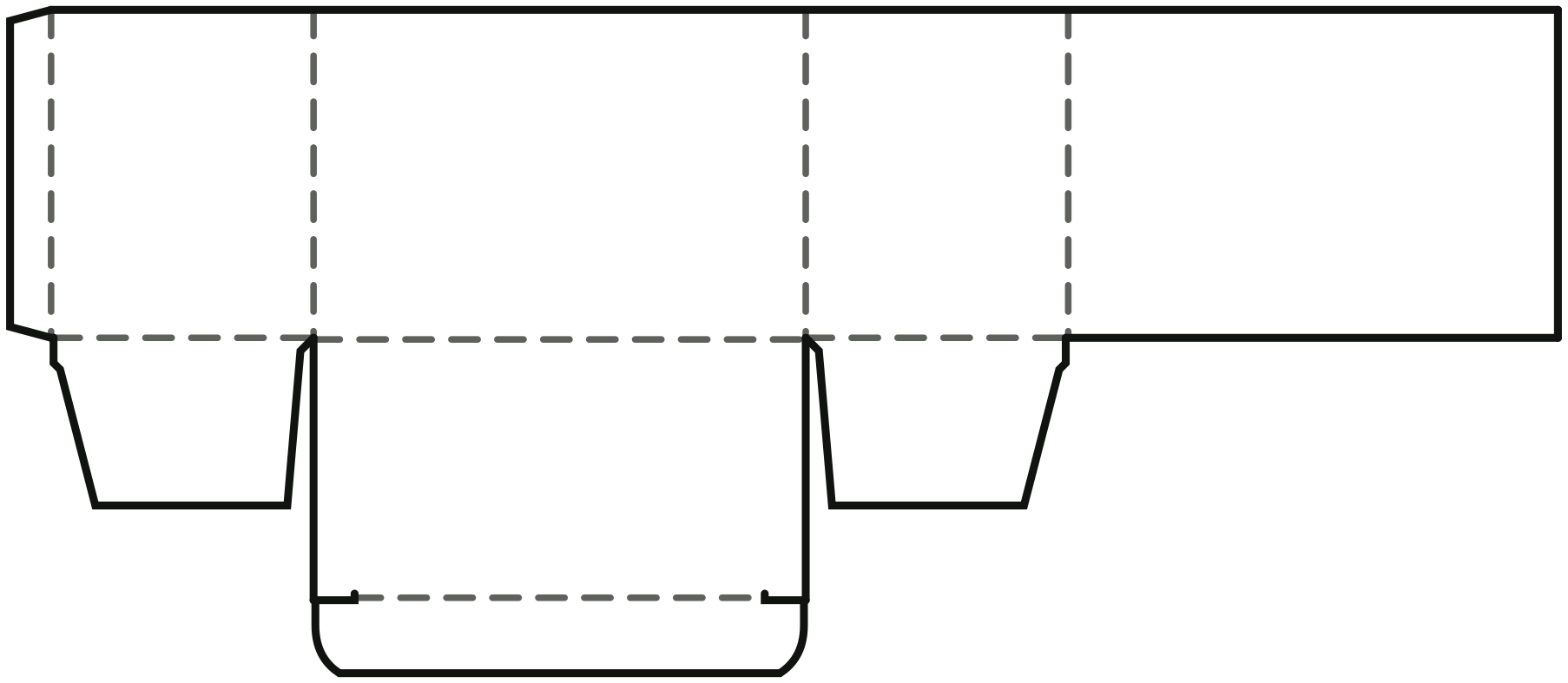
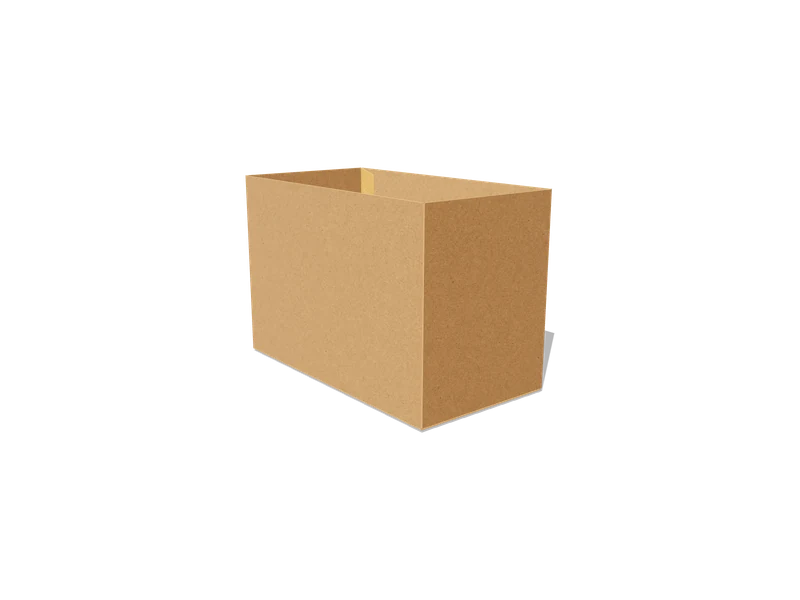
ECMA2D DIELINE3D FOLDED
Display & Shelf-Ready Box — Open Top, Tuck Base (Model 2)
ECMA A20.01.02.00 · 4 configurable parameters
Create dieline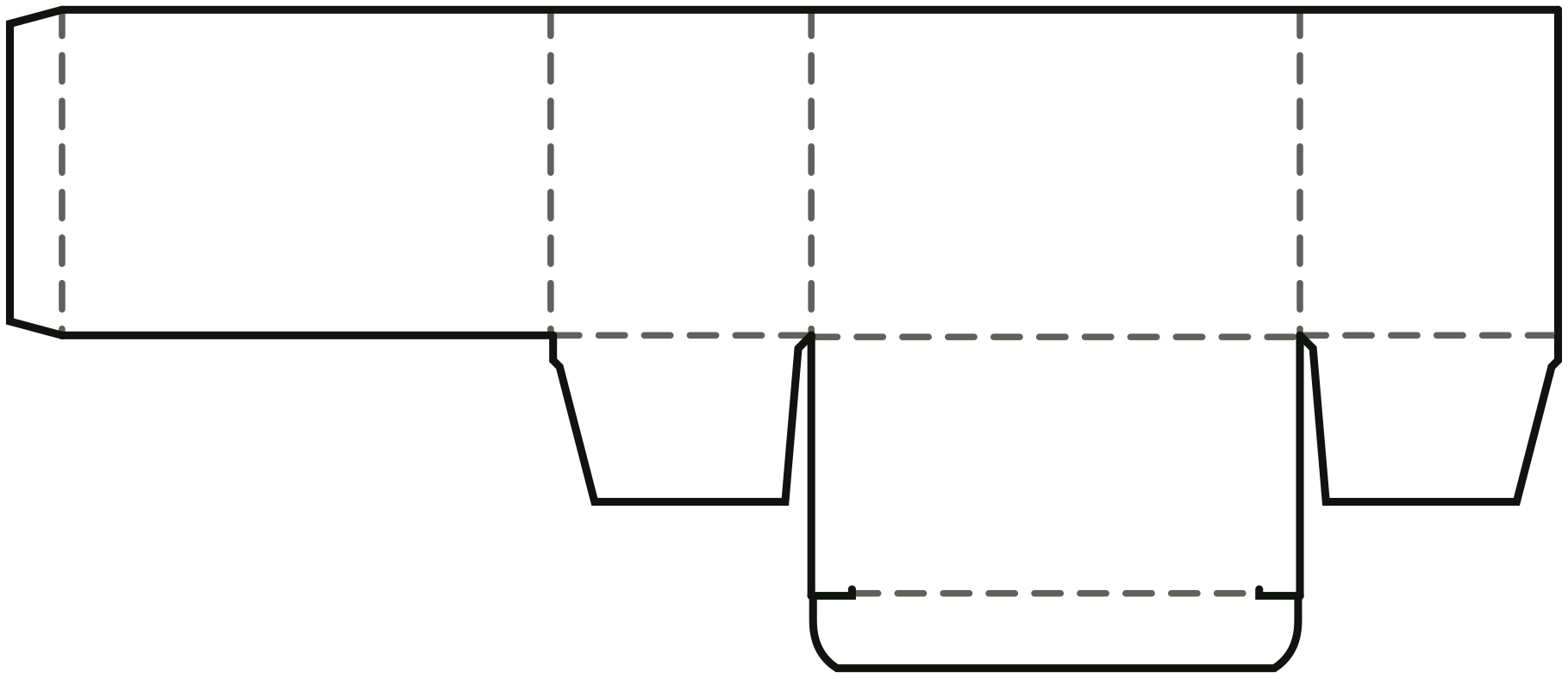
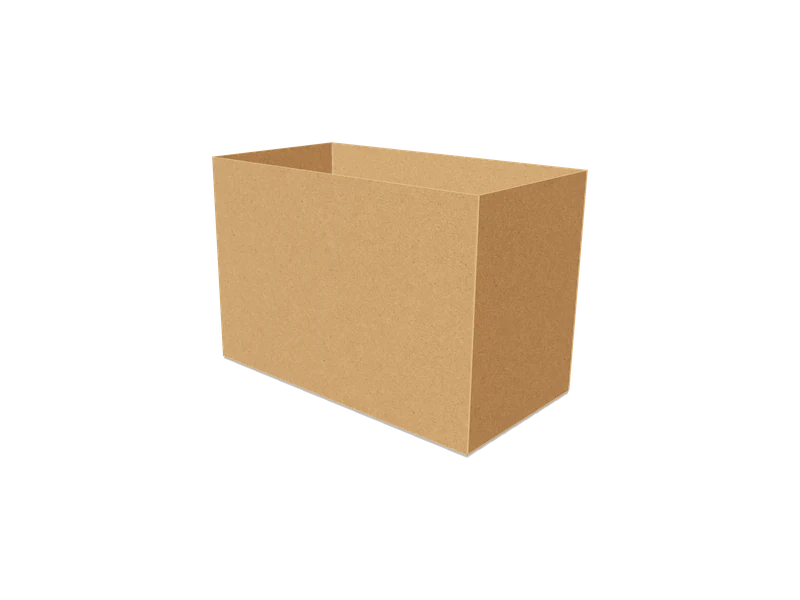
ECMA2D DIELINE3D FOLDED
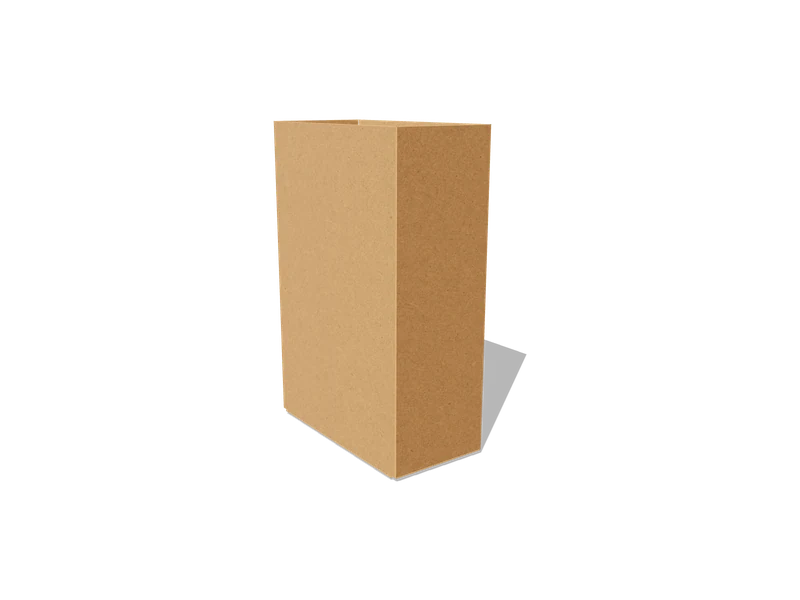
Display & Shelf-Ready Box — Open Top, Tuck Base (Model 3)
ECMA A20.01.03.00 · 4 configurable parameters
Create dieline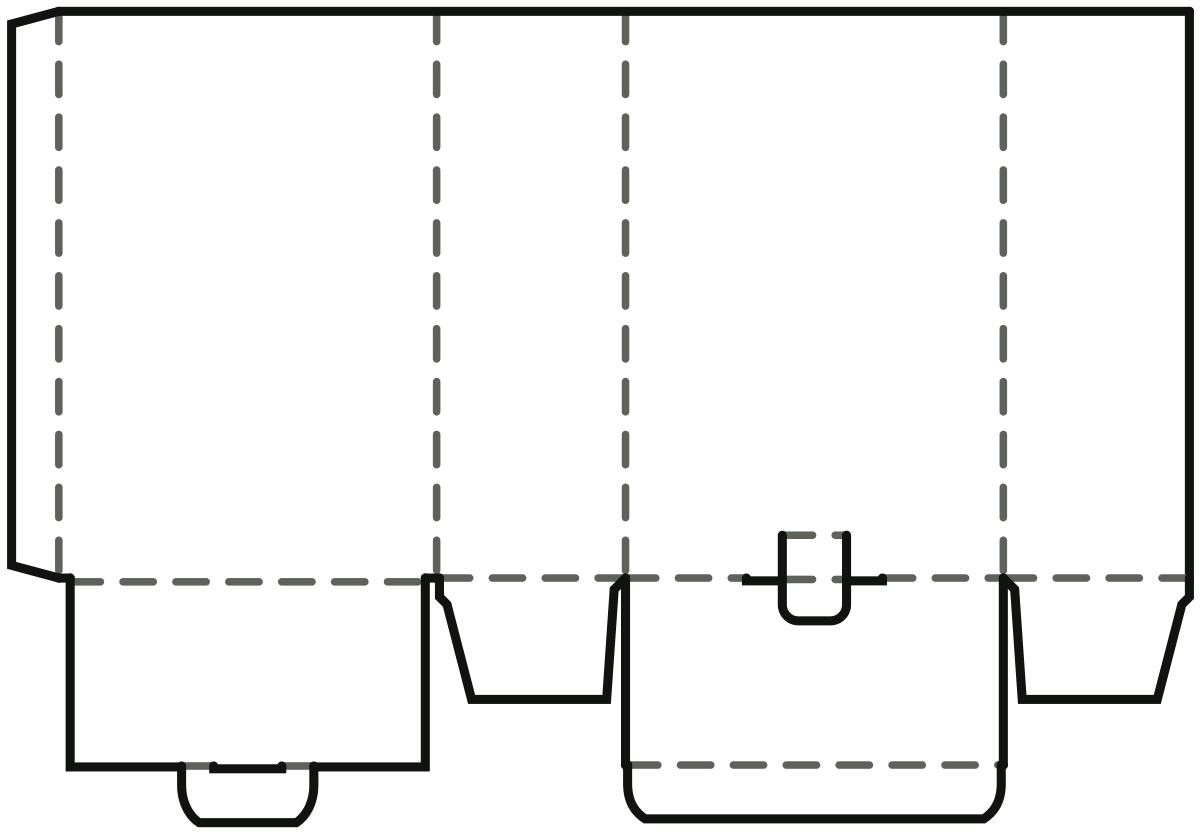
ECMA2D DIELINE3D FOLDED
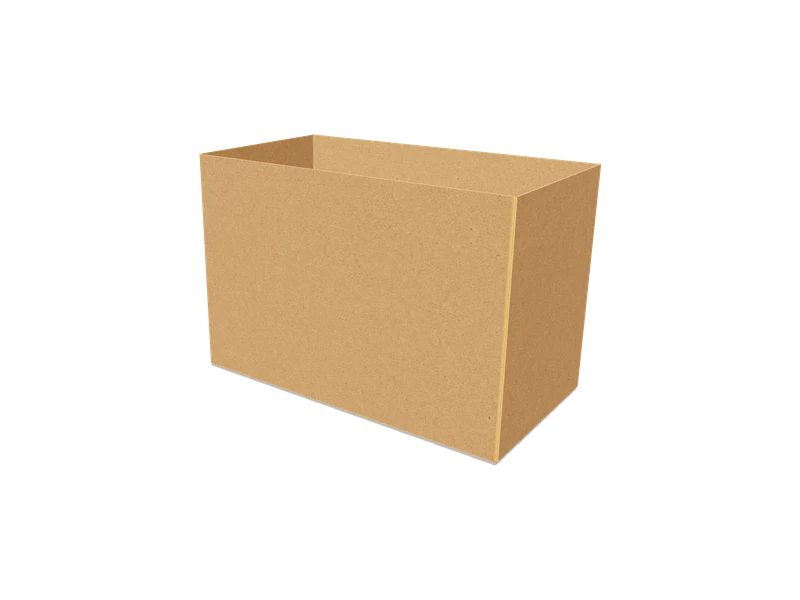
Display & Shelf-Ready Box — Open Top, Tab-Locking Base
ECMA A20.01.03.00.31 · 4 configurable parameters
Create dieline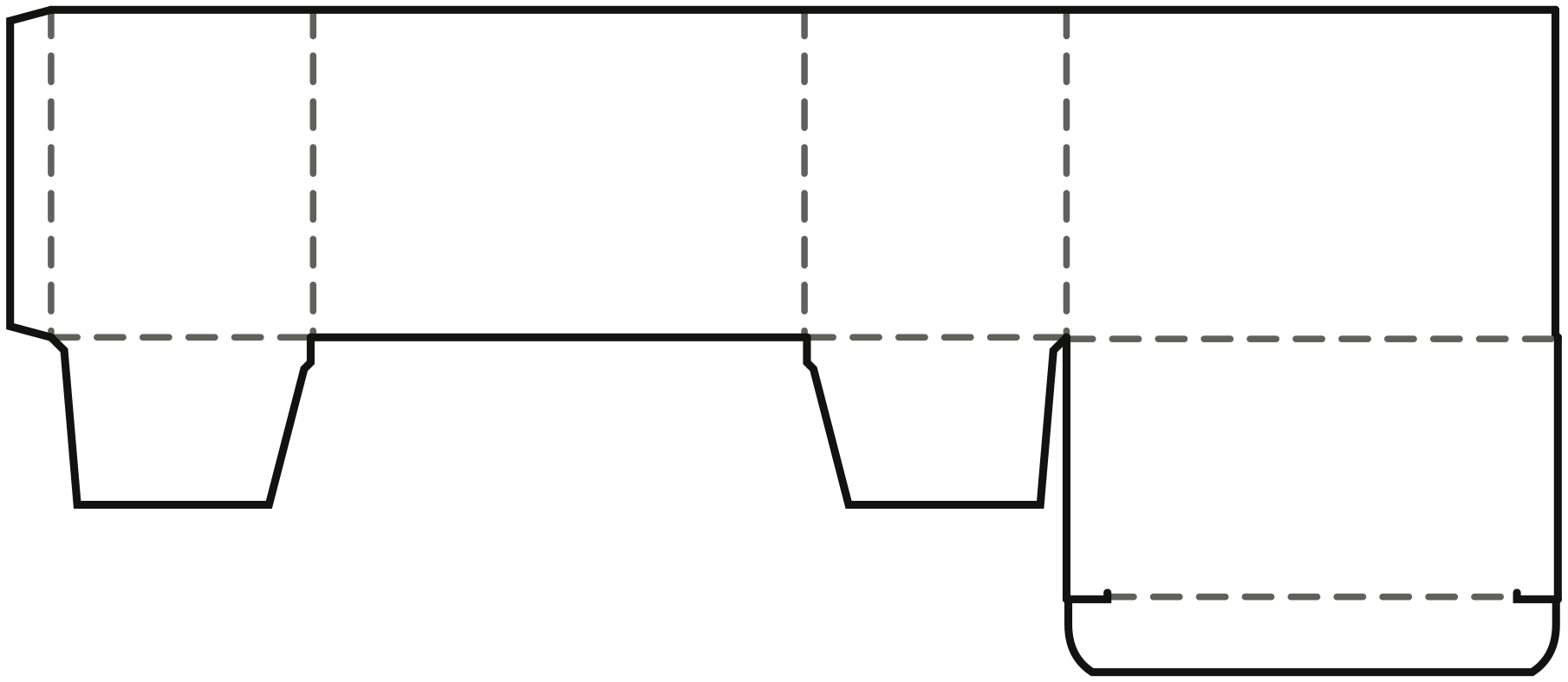
ECMA2D DIELINE3D FOLDED
Display & Shelf-Ready Box — Open Top, Tuck Base (Model 4)
ECMA A20.01.04.00 · 4 configurable parameters
Create dieline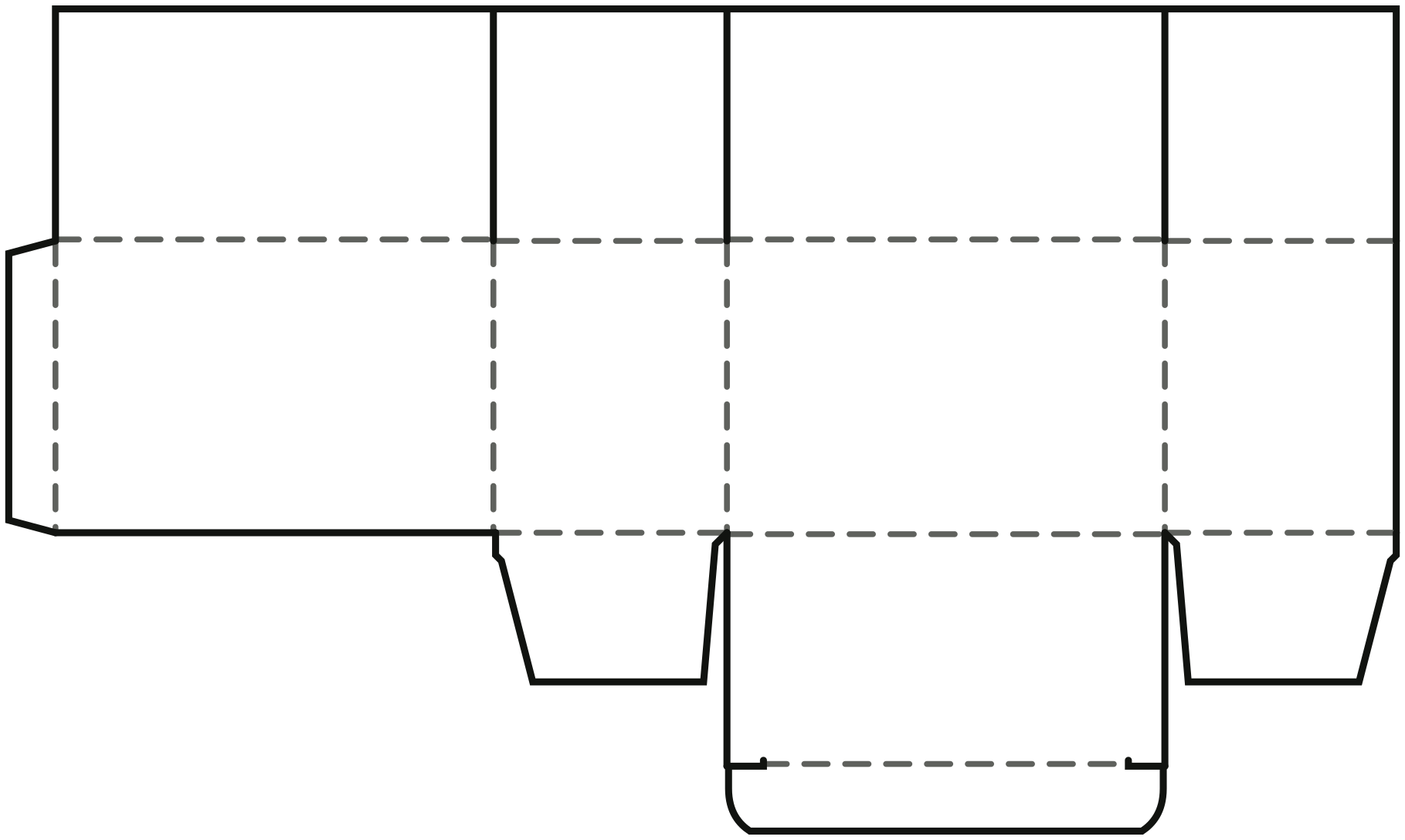
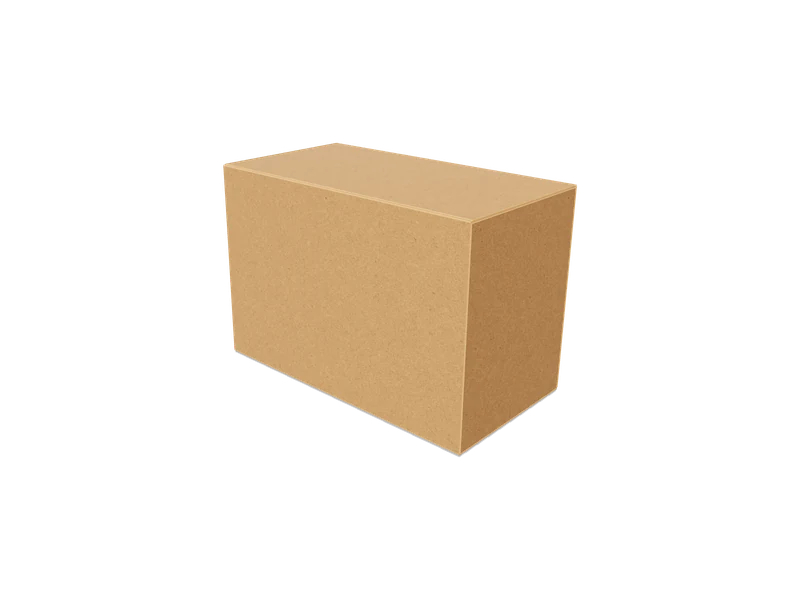
ECMA2D DIELINE3D FOLDED
Retail Product Box — Full Overlap Top, Tuck Base
ECMA A20.10.03.03 · 4 configurable parameters
Create dieline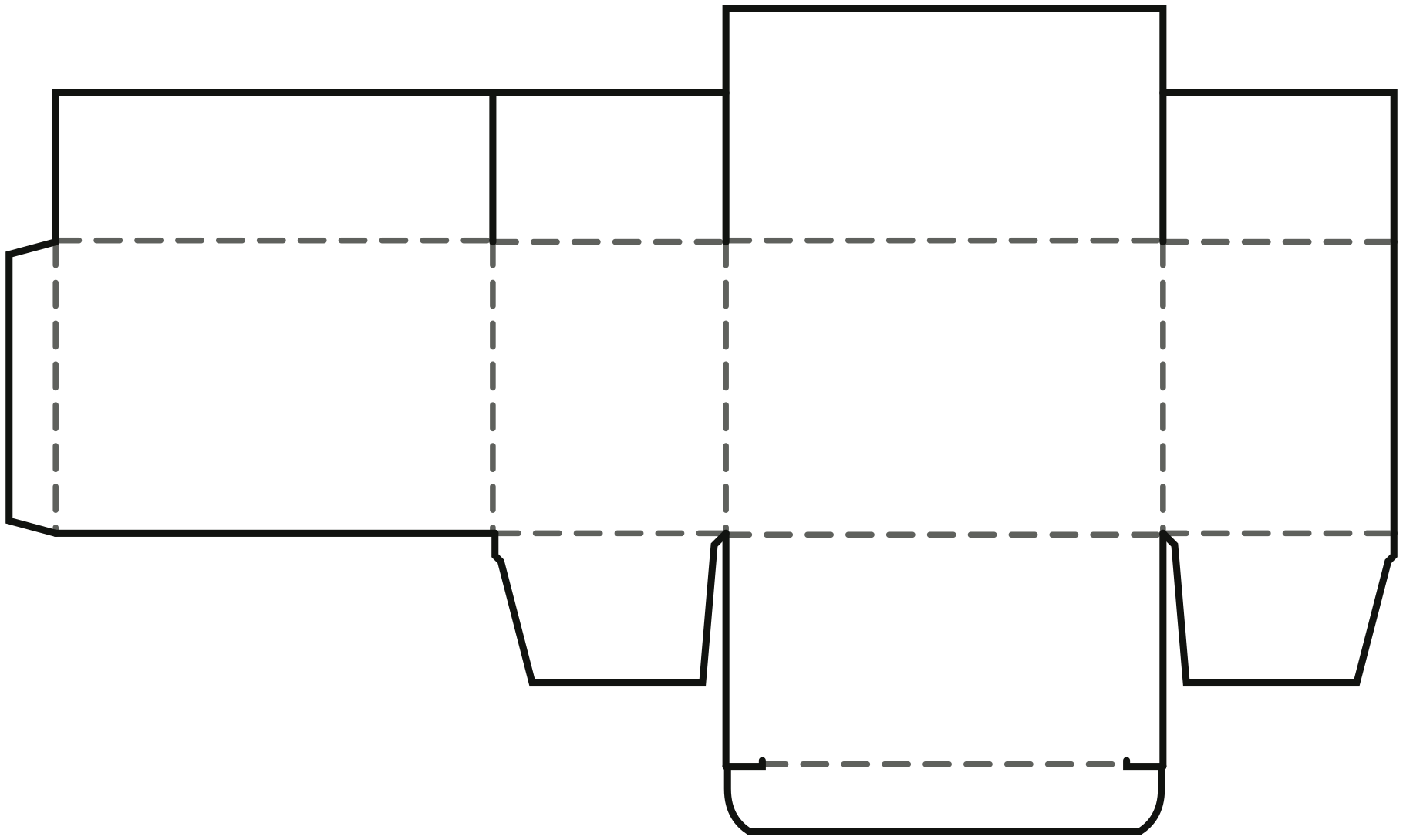
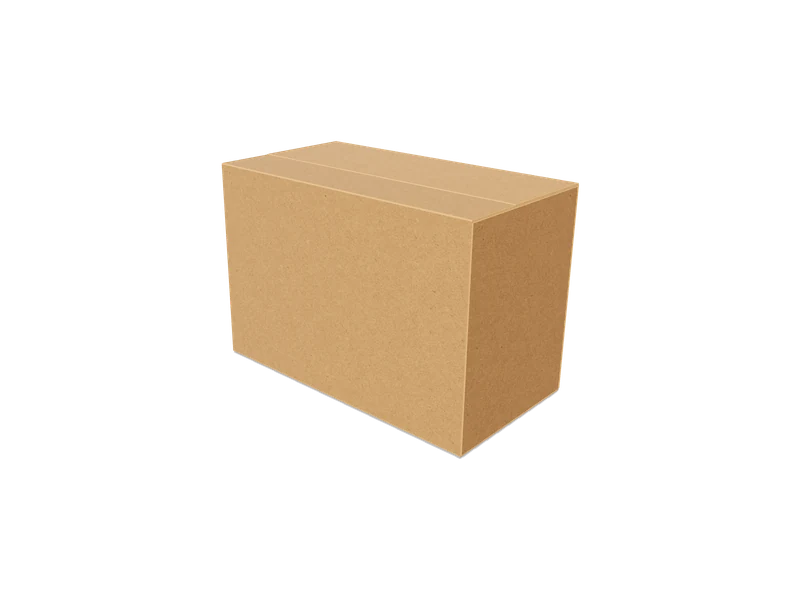
ECMA2D DIELINE3D FOLDED
Retail Product Box — Reduced Flap Top
ECMA A20.11.03.03 · 4 configurable parameters
Create dieline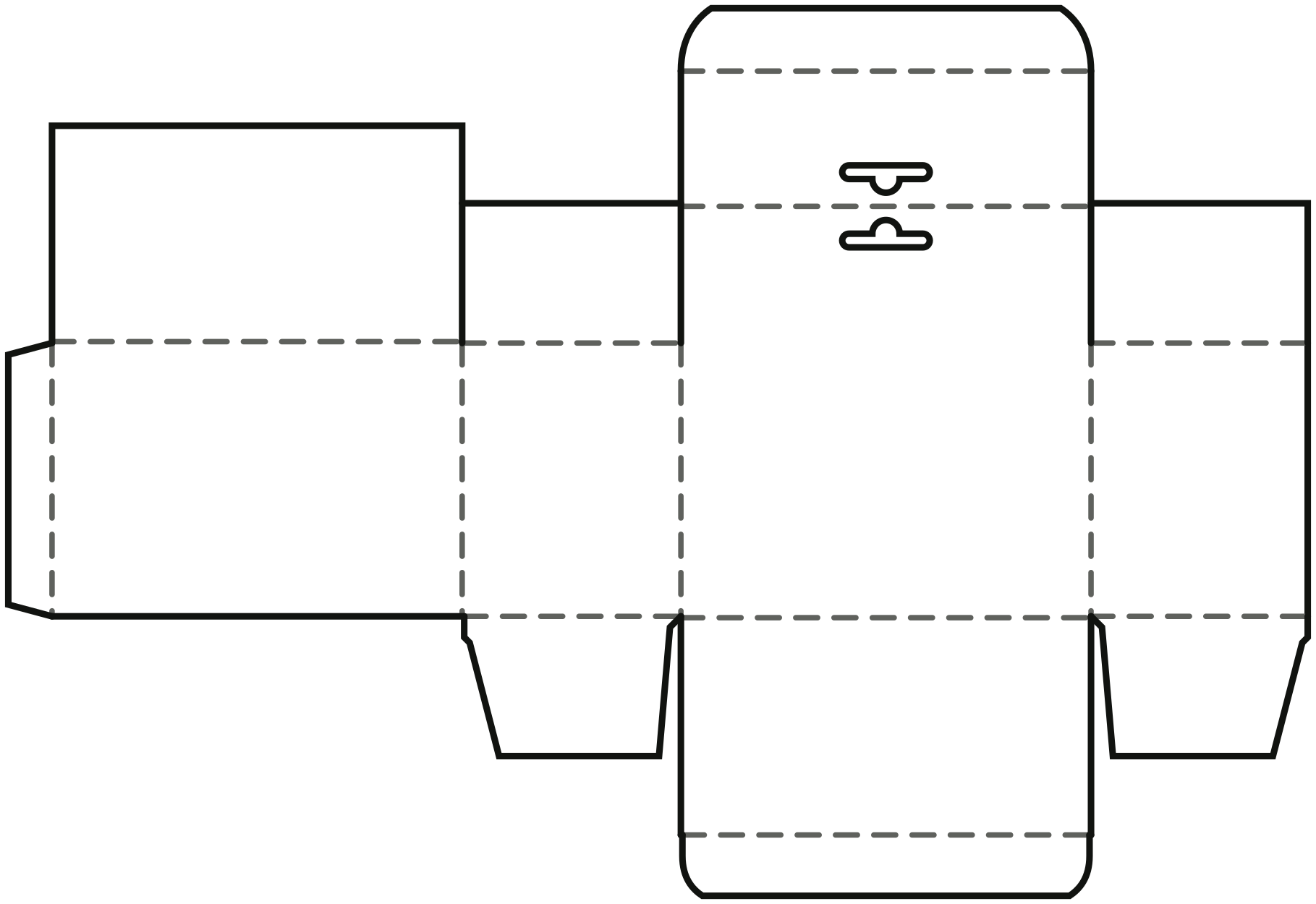
ECMA2D DIELINE3D FOLDED
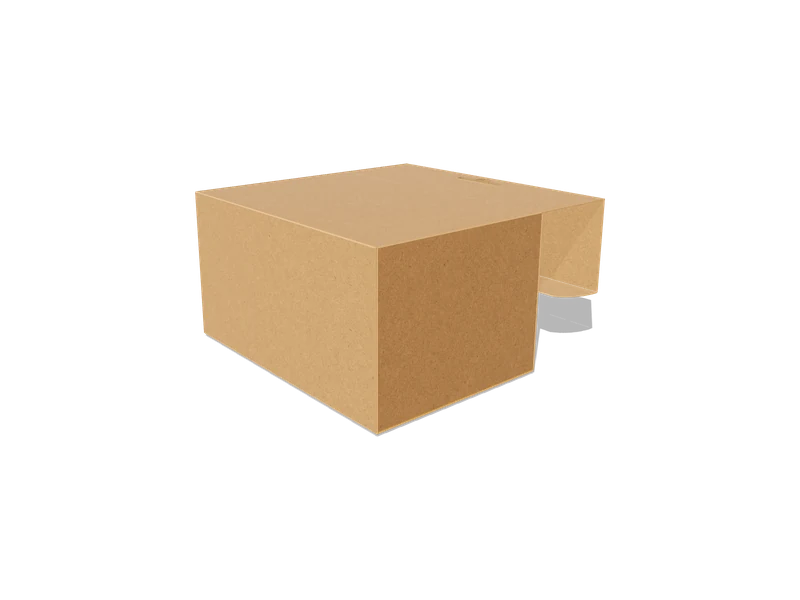
Hanging Retail Box — Full Overlap Top, Hang Tab
ECMA A20.15.03.03 · 4 configurable parameters
Create dieline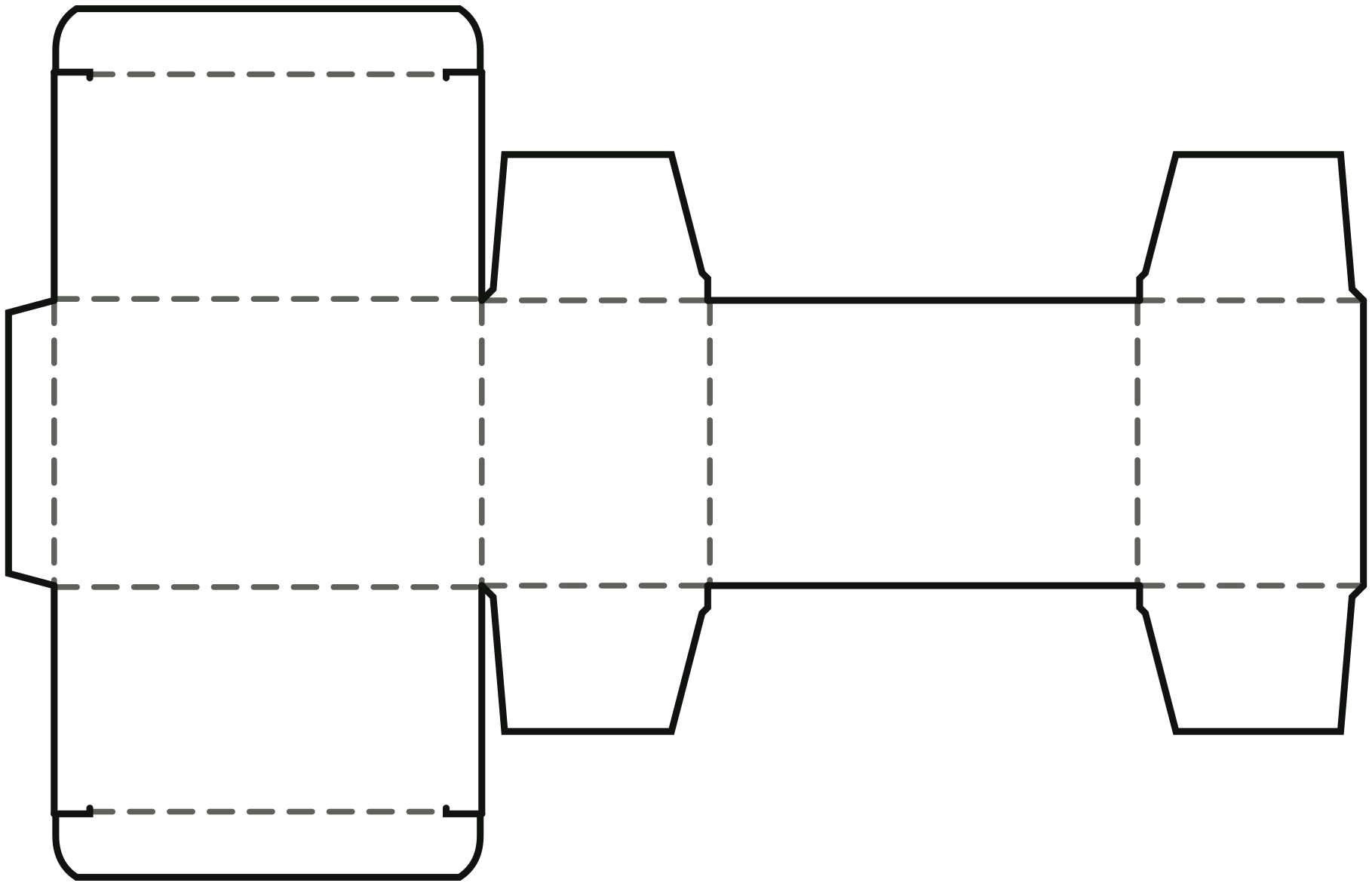
ECMA2D DIELINE3D FOLDED
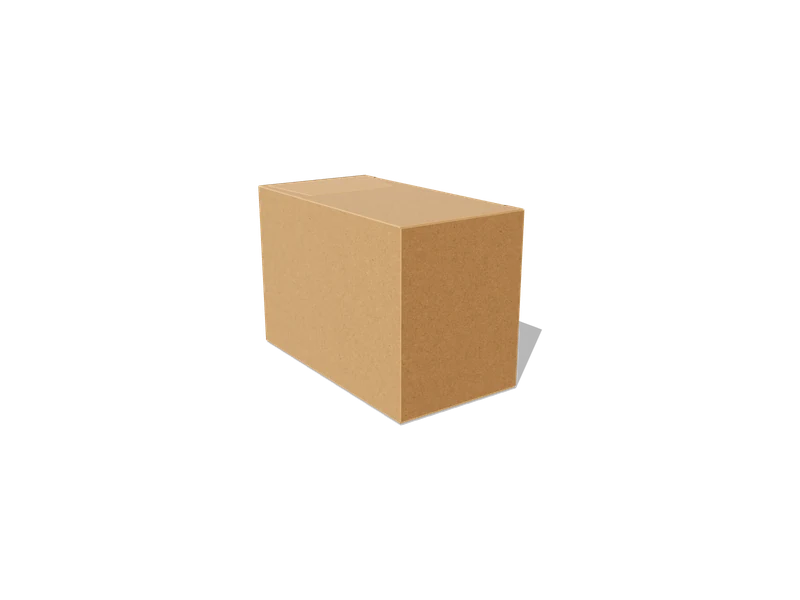
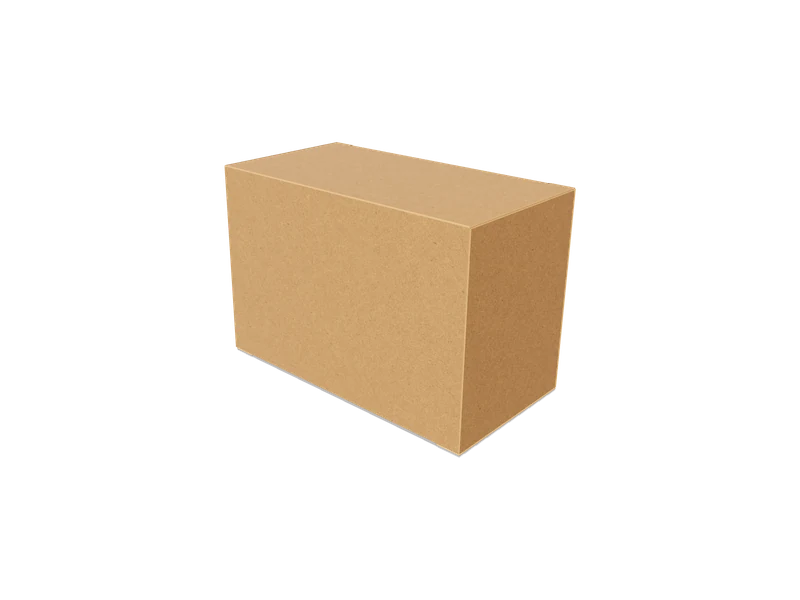
Cosmetic Box — Straight Tuck End
ECMA A20.20.01.01 · 4 configurable parameters
Create dieline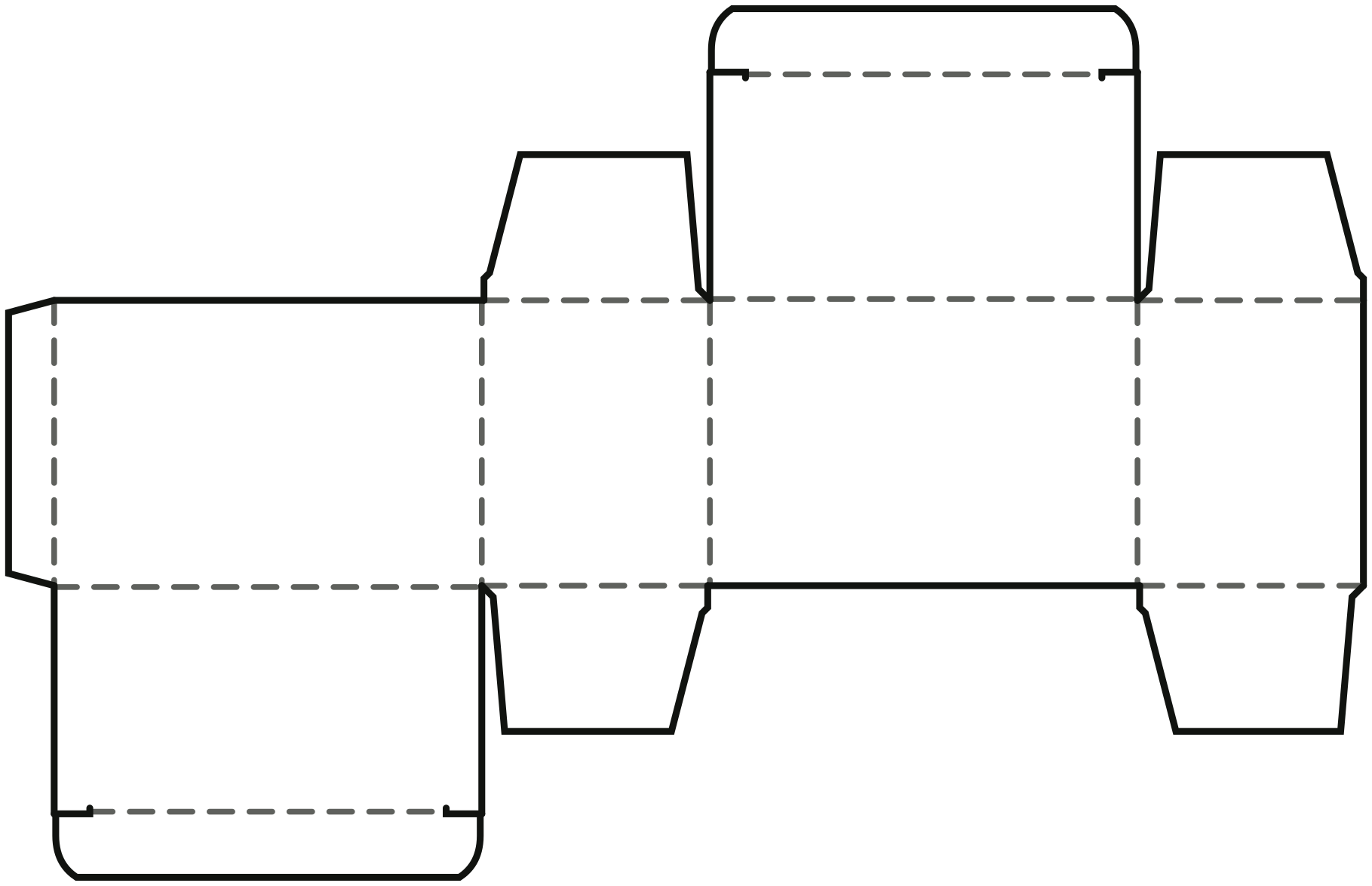
ECMA2D DIELINE3D FOLDED
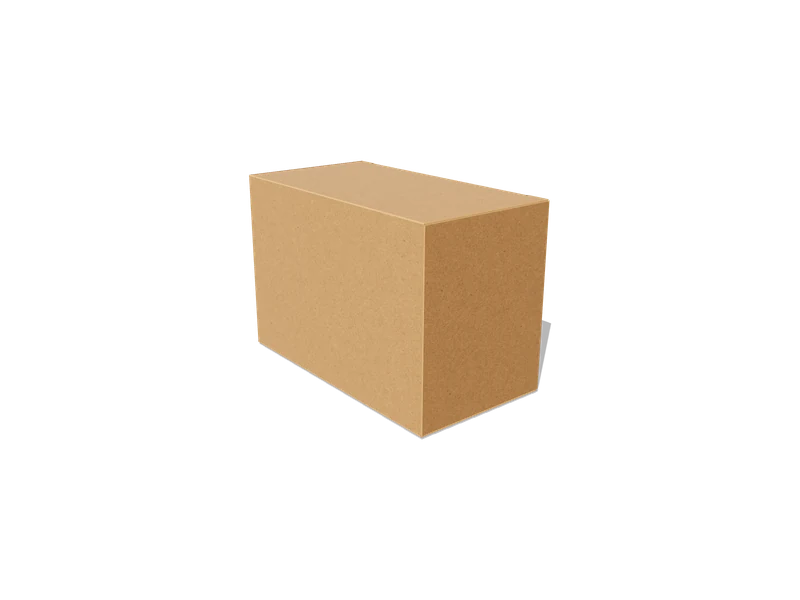
Pharmacy Box — Reverse Tuck End
ECMA A20.20.01.03 · 4 configurable parameters
Create dieline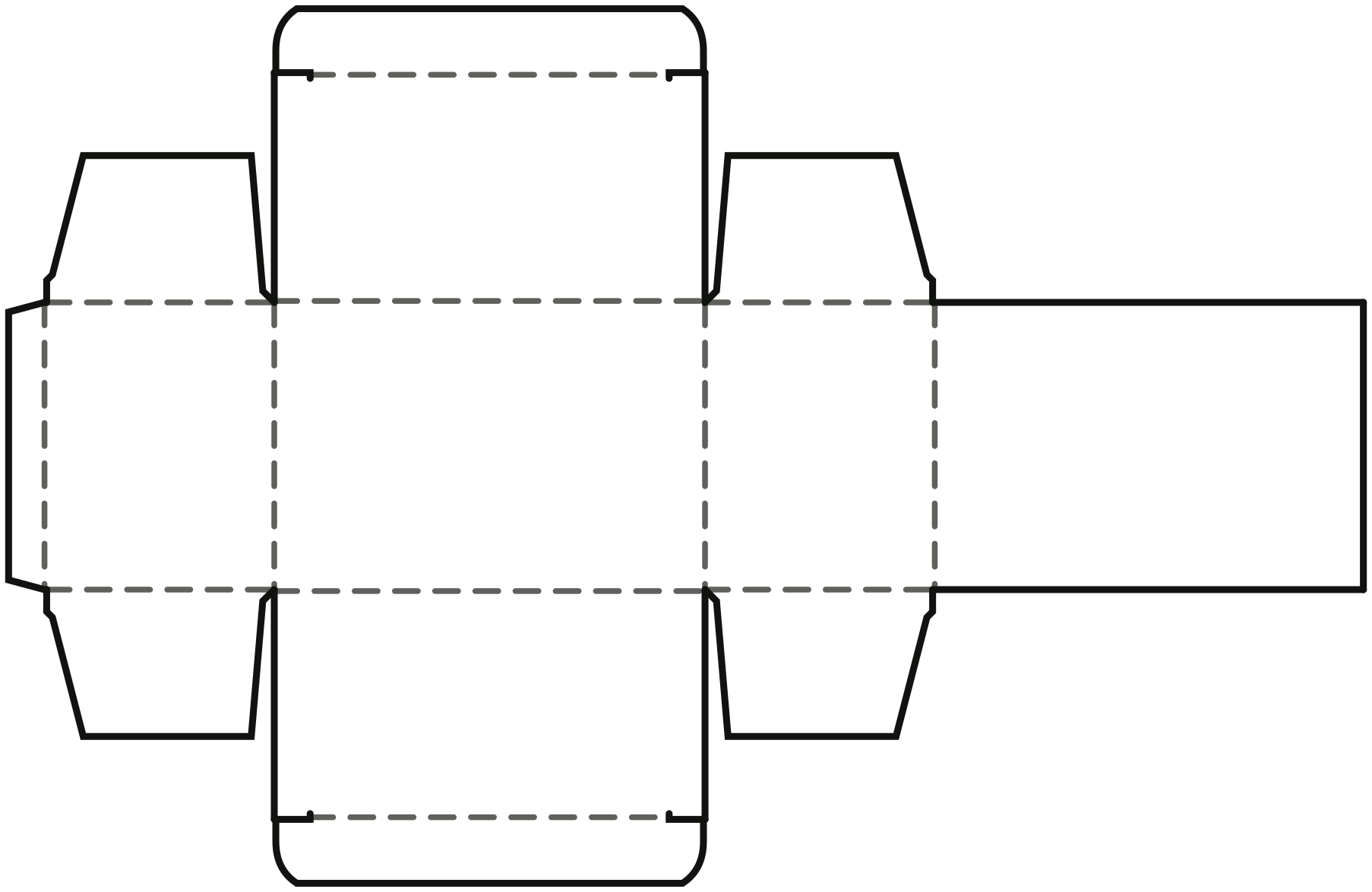
ECMA2D DIELINE3D FOLDED
Cosmetic Box — Straight Tuck End (Model 2)
ECMA A20.20.02.02 · 4 configurable parameters
Create dieline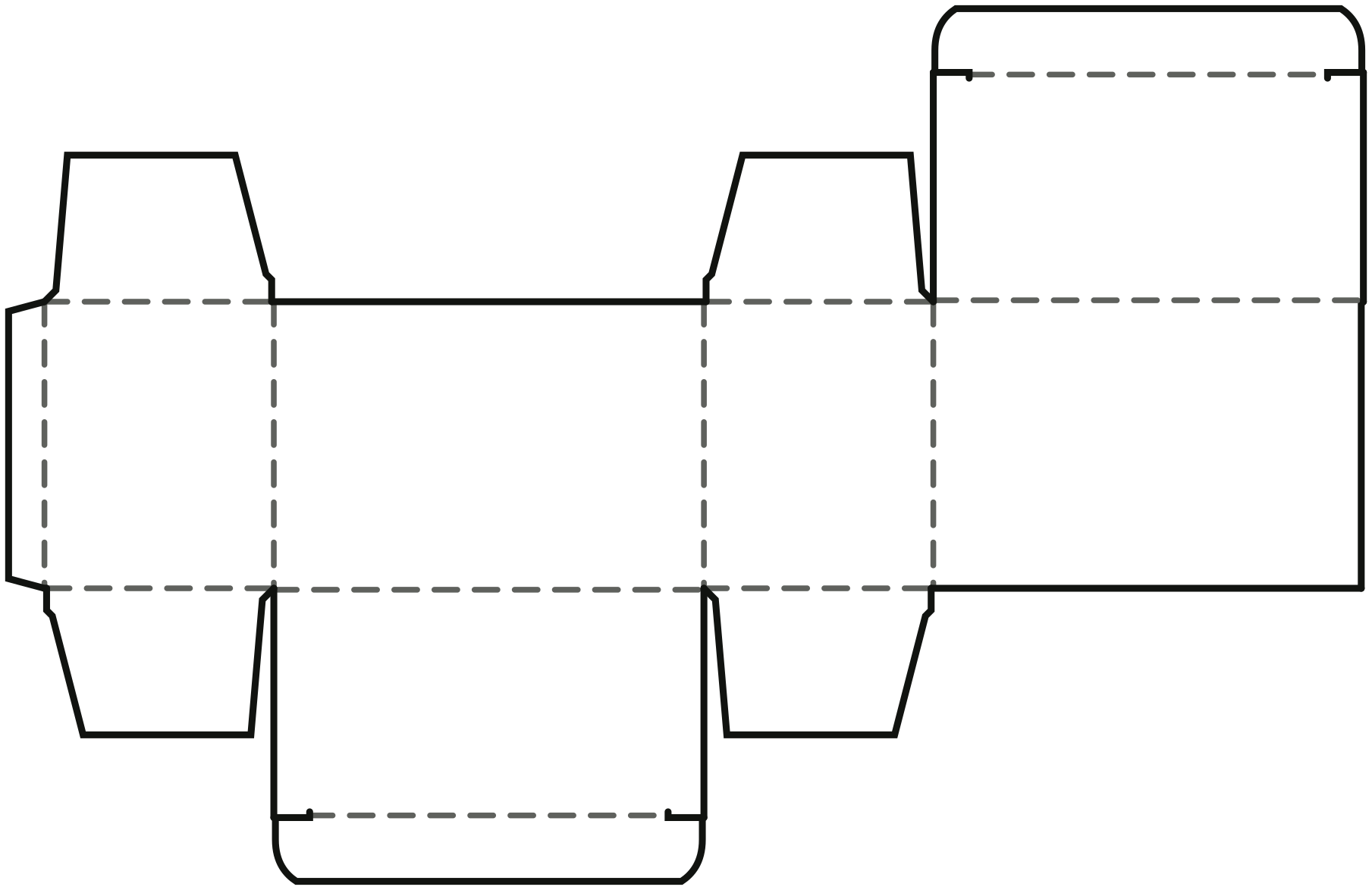
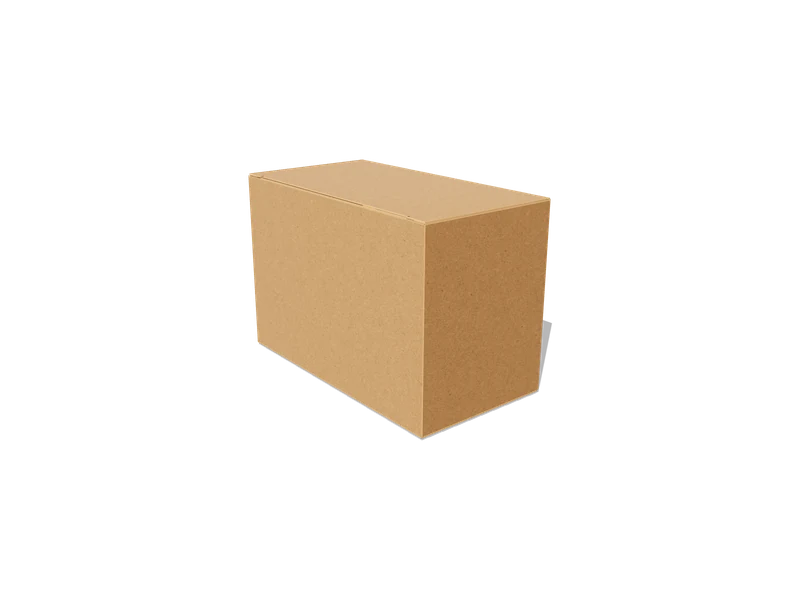
ECMA2D DIELINE3D FOLDED
Pharmacy Box — Reverse Tuck End (Model 2)
ECMA A20.20.02.04 · 4 configurable parameters
Create dieline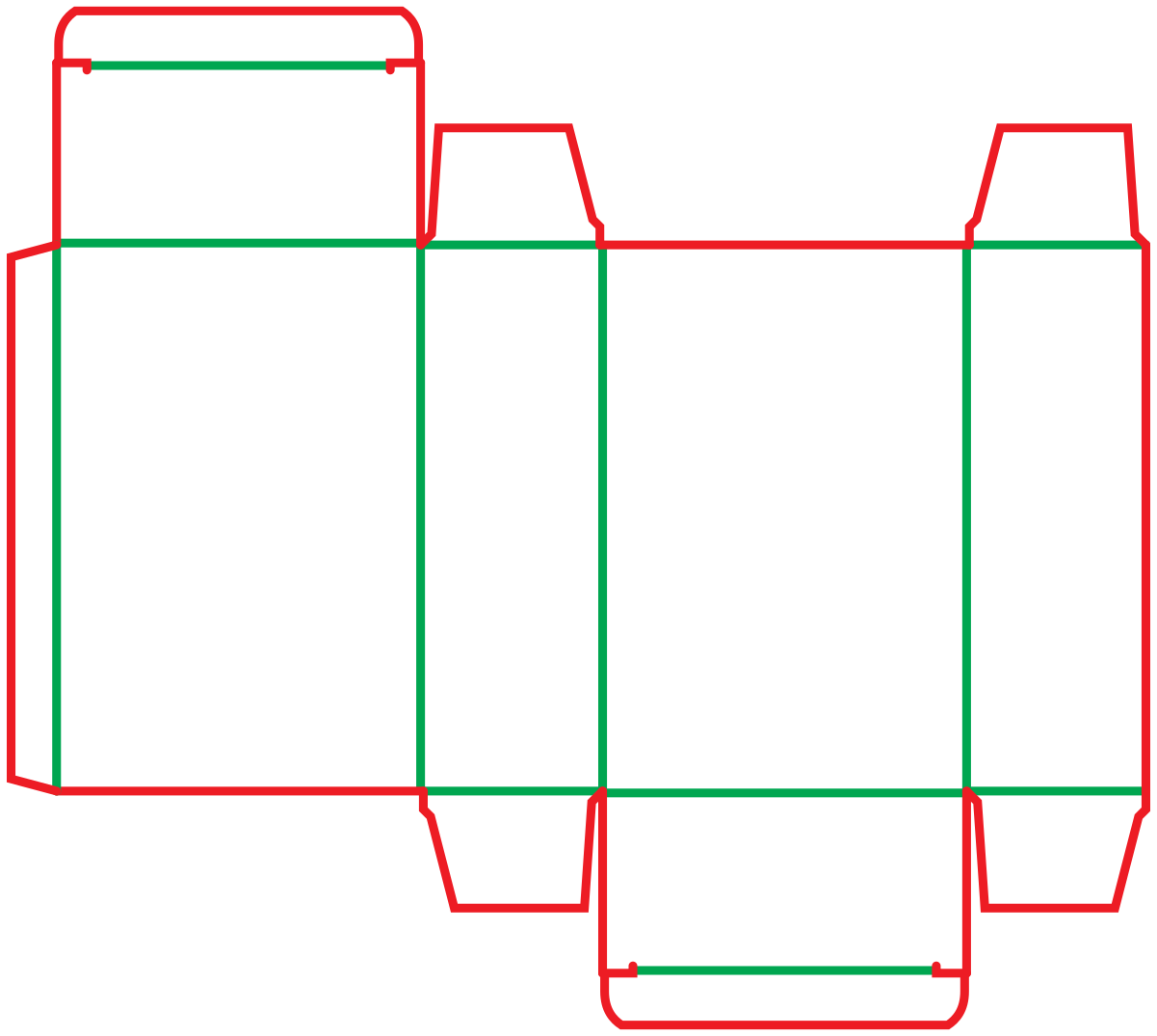
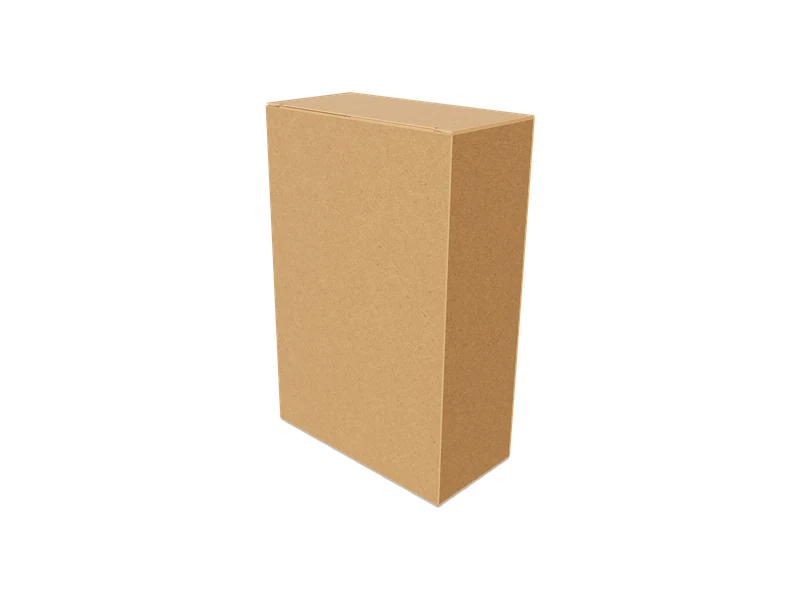
ECMA2D DIELINE3D FOLDED
Pharmacy Box — Reverse Tuck End
ECMA A20.20.03.01 · 4 configurable parameters
Create dieline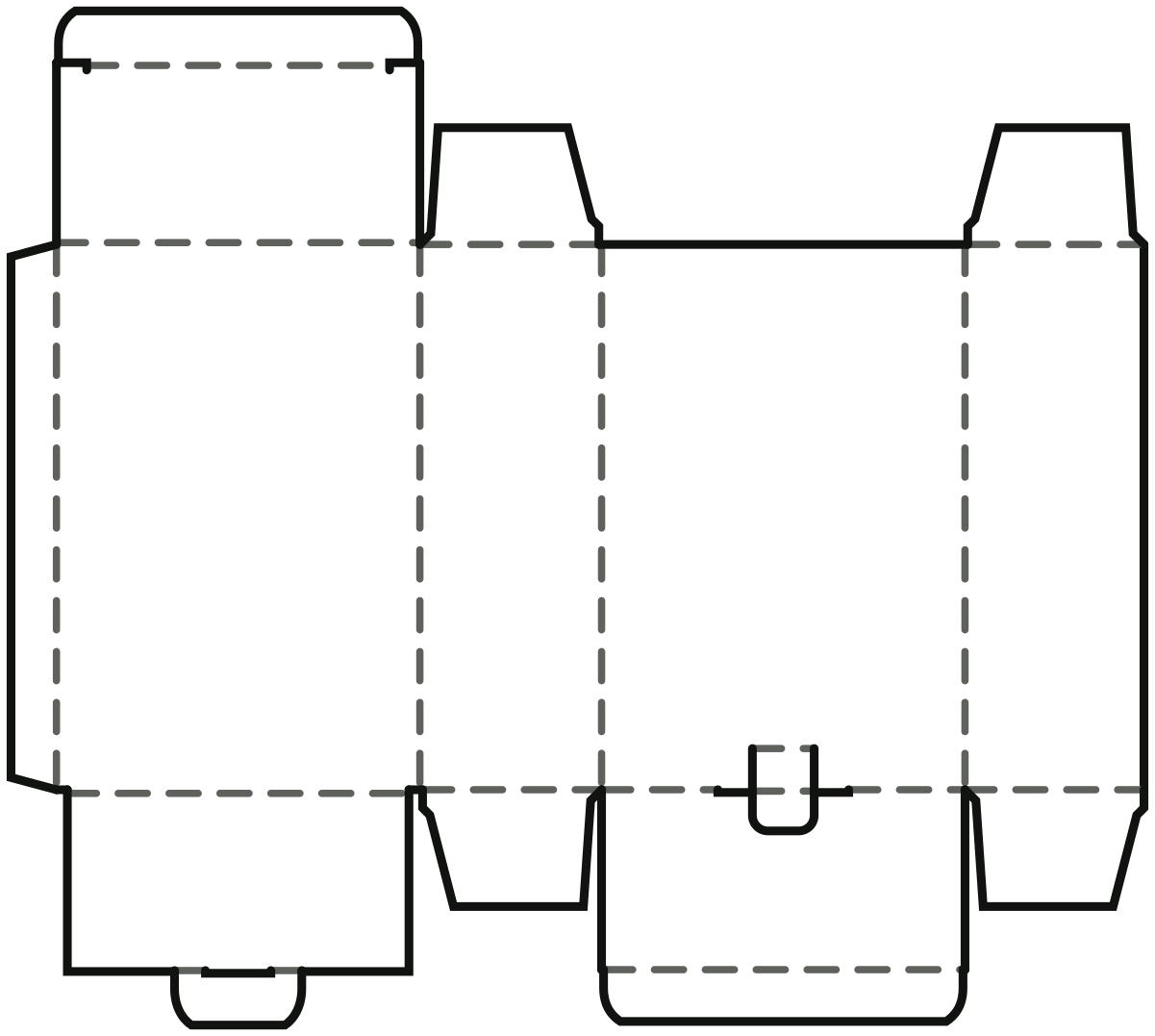
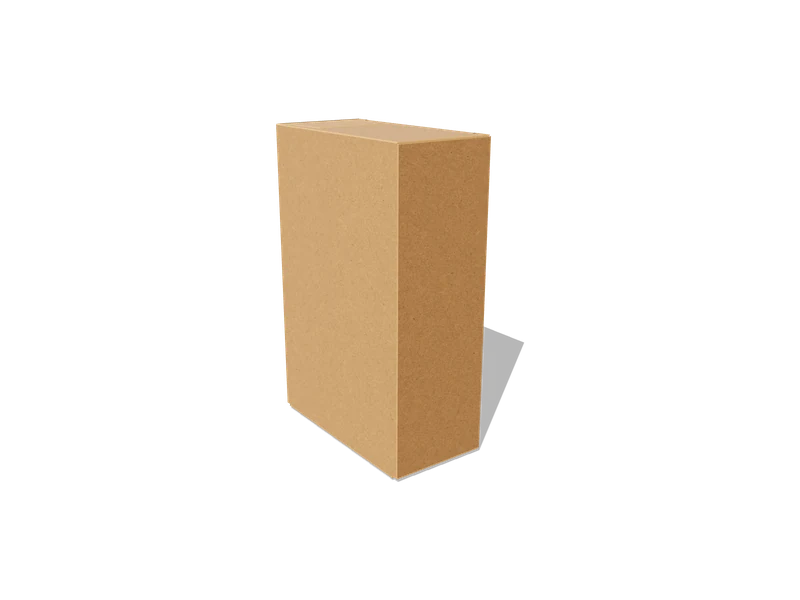
ECMA2D DIELINE3D FOLDED
Pharmacy Box — Reverse Tuck End, Tab-Locking
ECMA A20.20.03.01 31 · 4 configurable parameters
Create dieline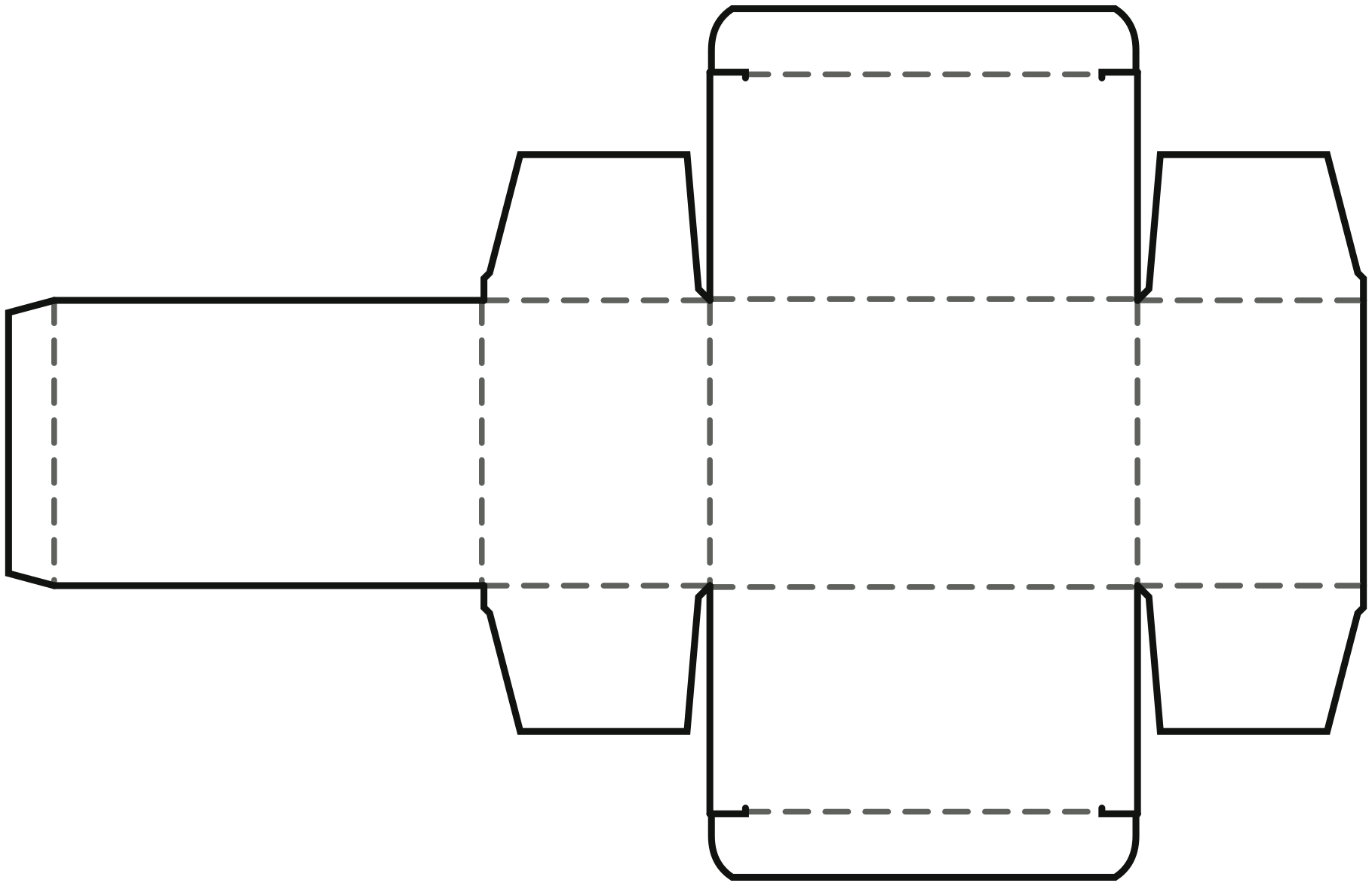
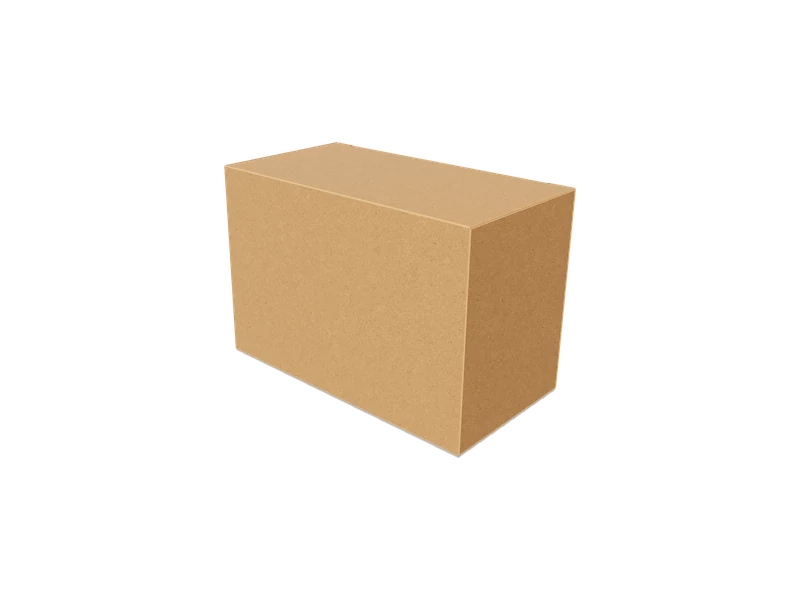
ECMA2D DIELINE3D FOLDED
Cosmetic Box — Straight Tuck End (Model 3)
ECMA A20.20.03.03 · 4 configurable parameters
Create dieline

ECMA2D DIELINE3D FOLDED
Retail Product Box — Straight Tuck End
ECMA A20.20.03.03.31.A · 4 configurable parameters
Create dieline

ECMA2D DIELINE3D FOLDED
Retail Product Box — Straight Tuck End (Model 2)
ECMA A20.20.03.03.31.B · 4 configurable parameters
Create dieline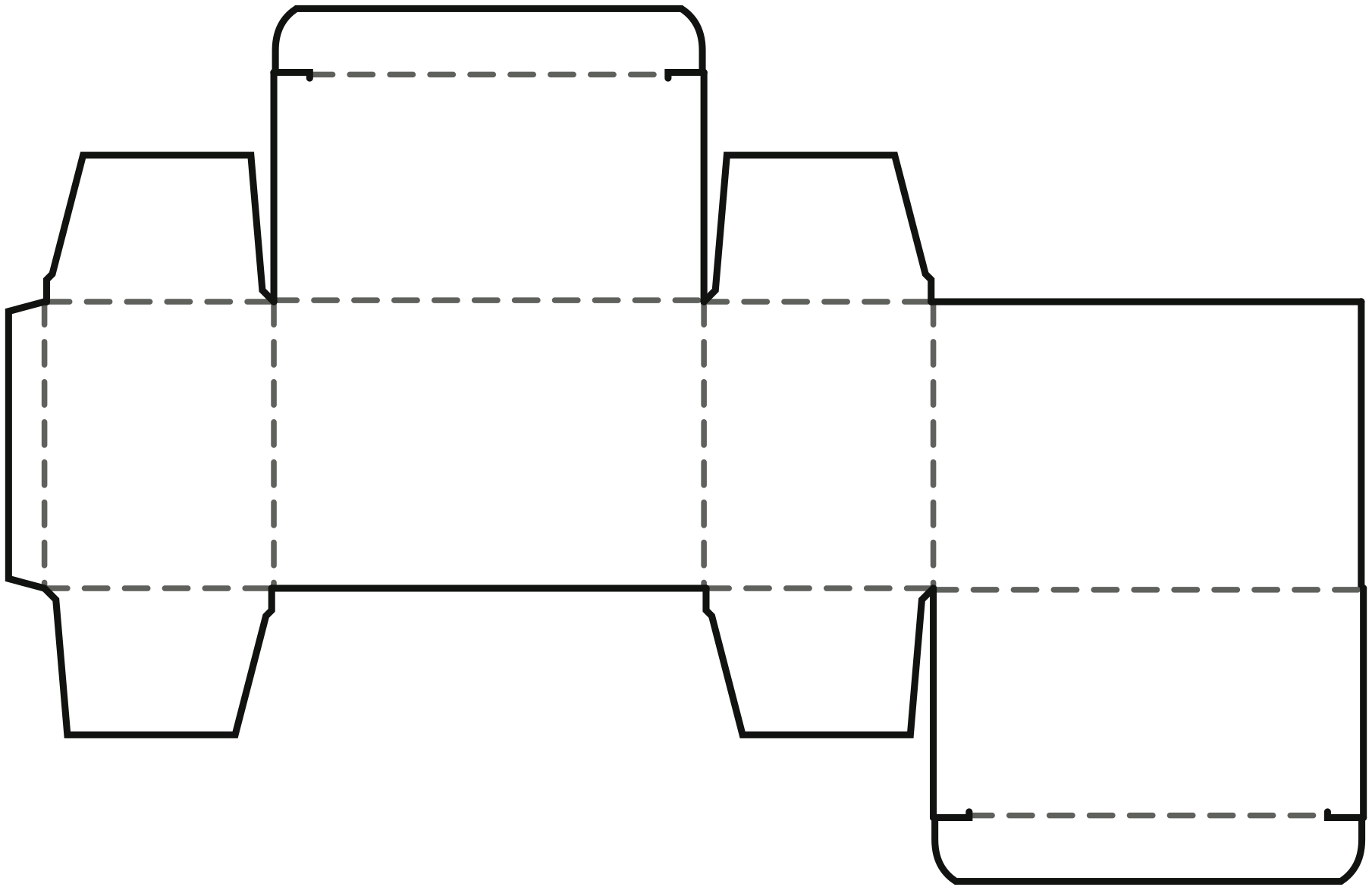
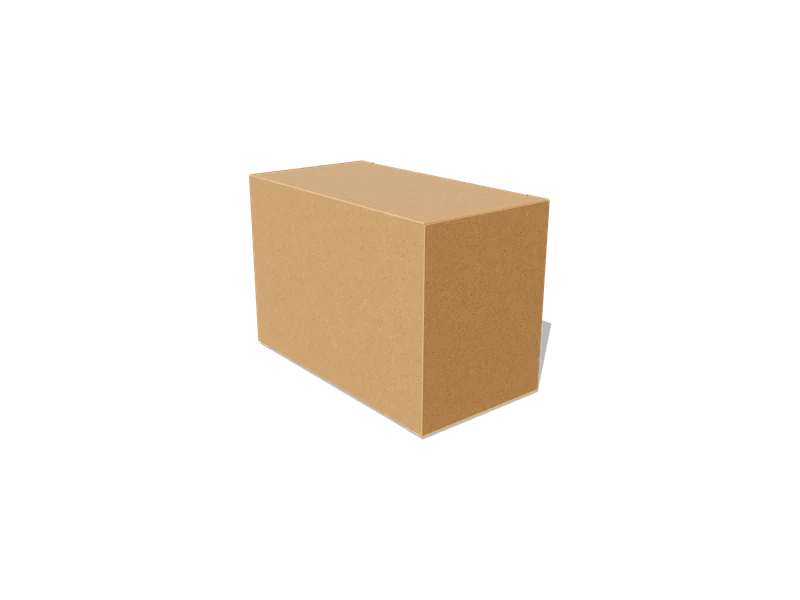
ECMA2D DIELINE3D FOLDED
Pharmacy Box — Reverse Tuck End (Model 3)
ECMA A20.20.04.02 · 4 configurable parameters
Create dieline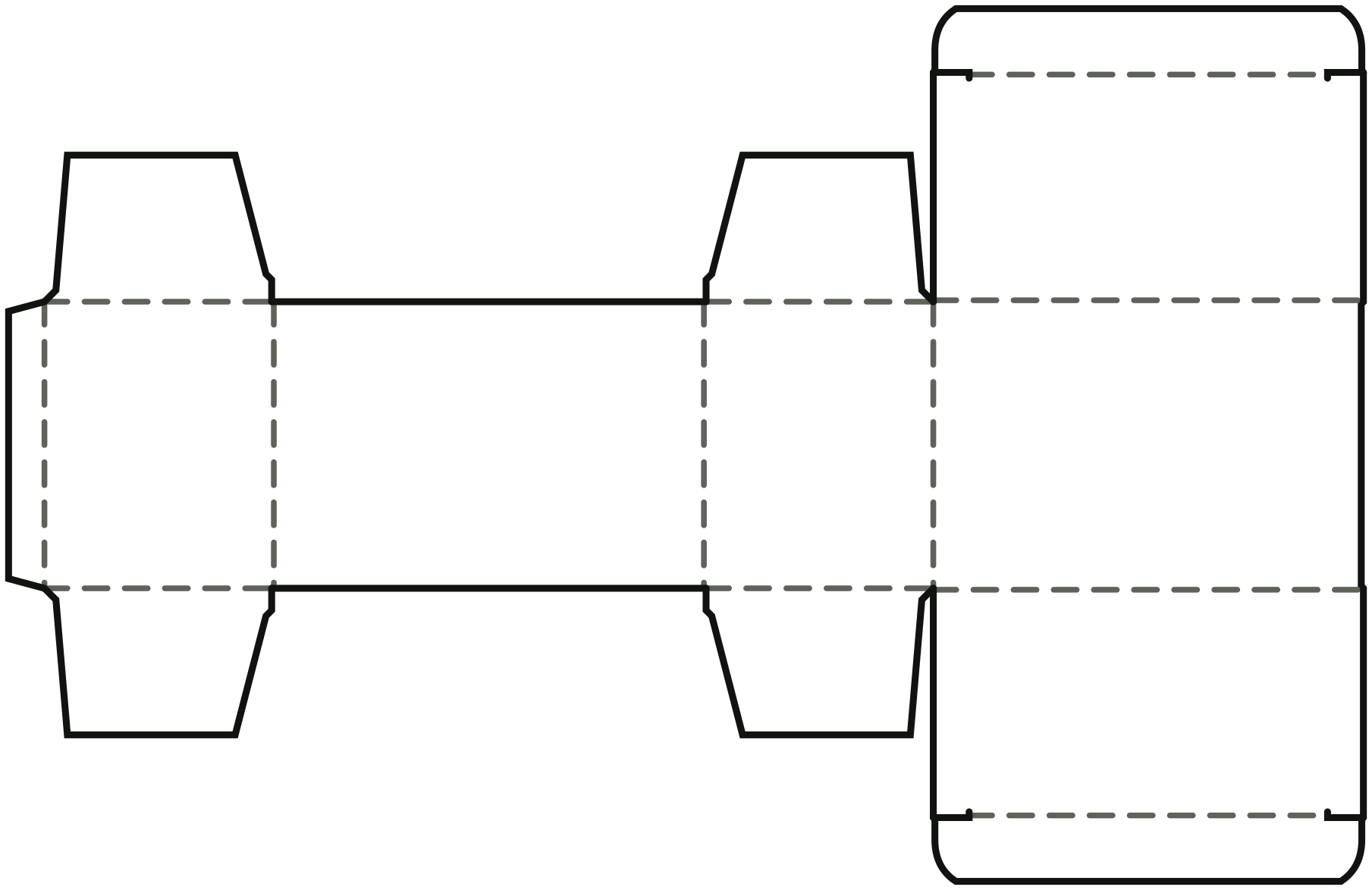
ECMA2D DIELINE3D FOLDED
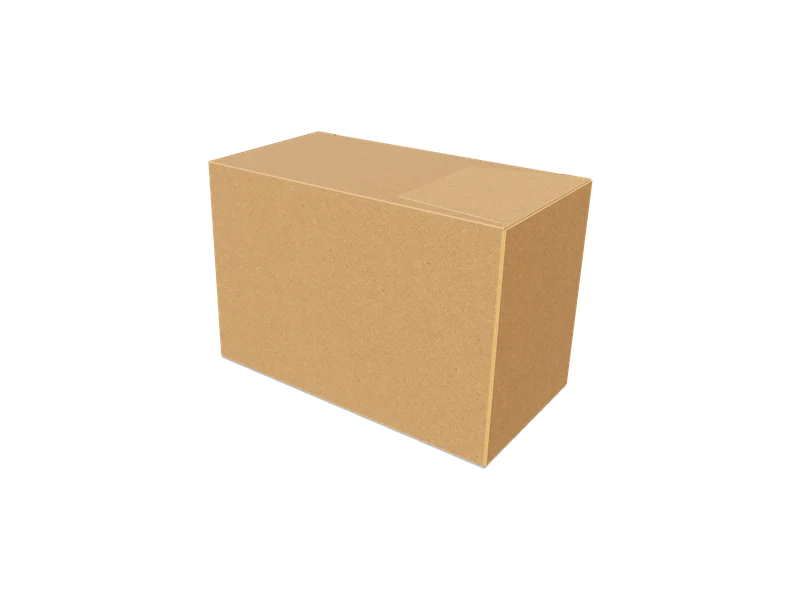
Cosmetic Box — Straight Tuck End (Model 4)
ECMA A20.20.04.04 · 4 configurable parameters
Create dieline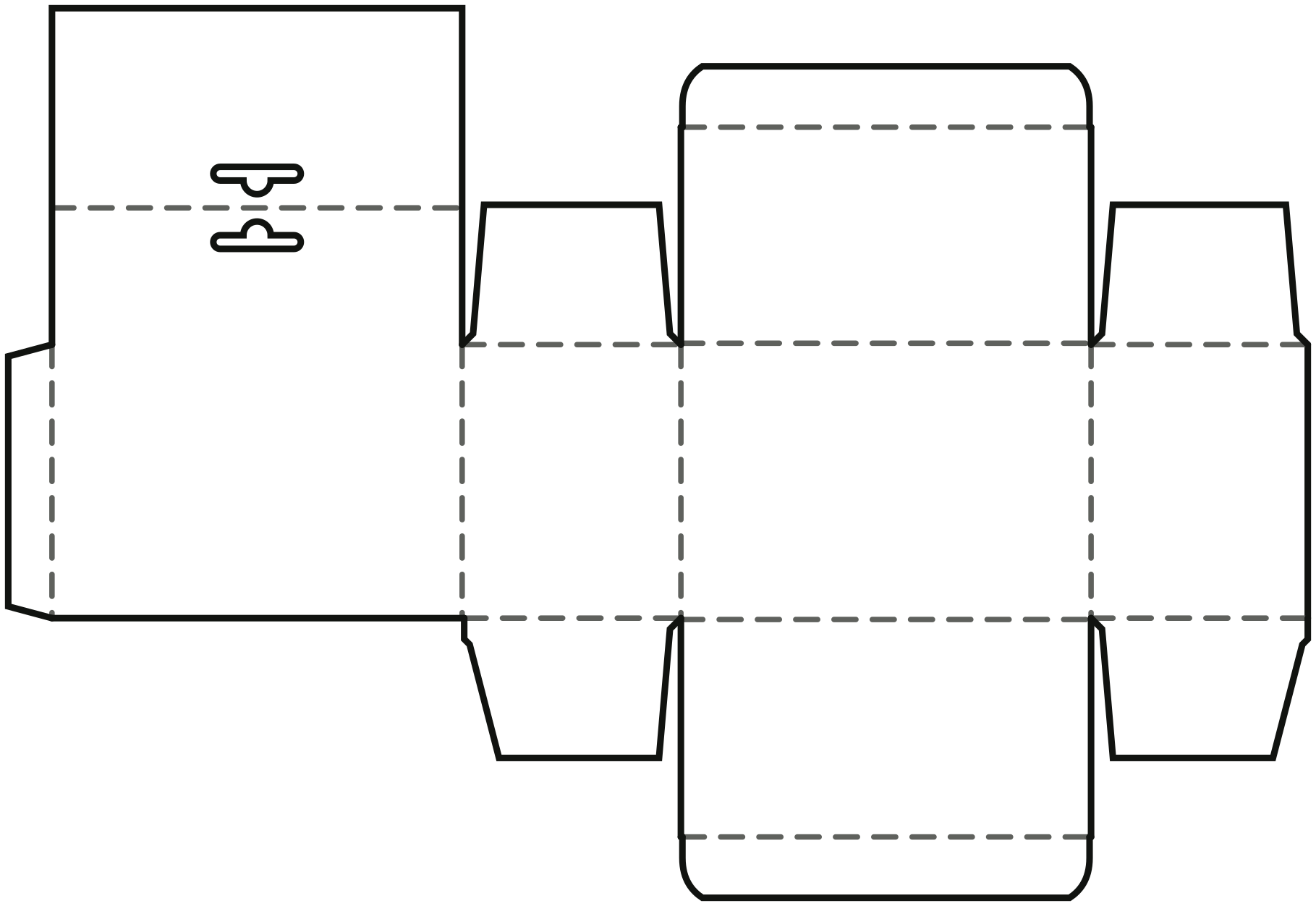
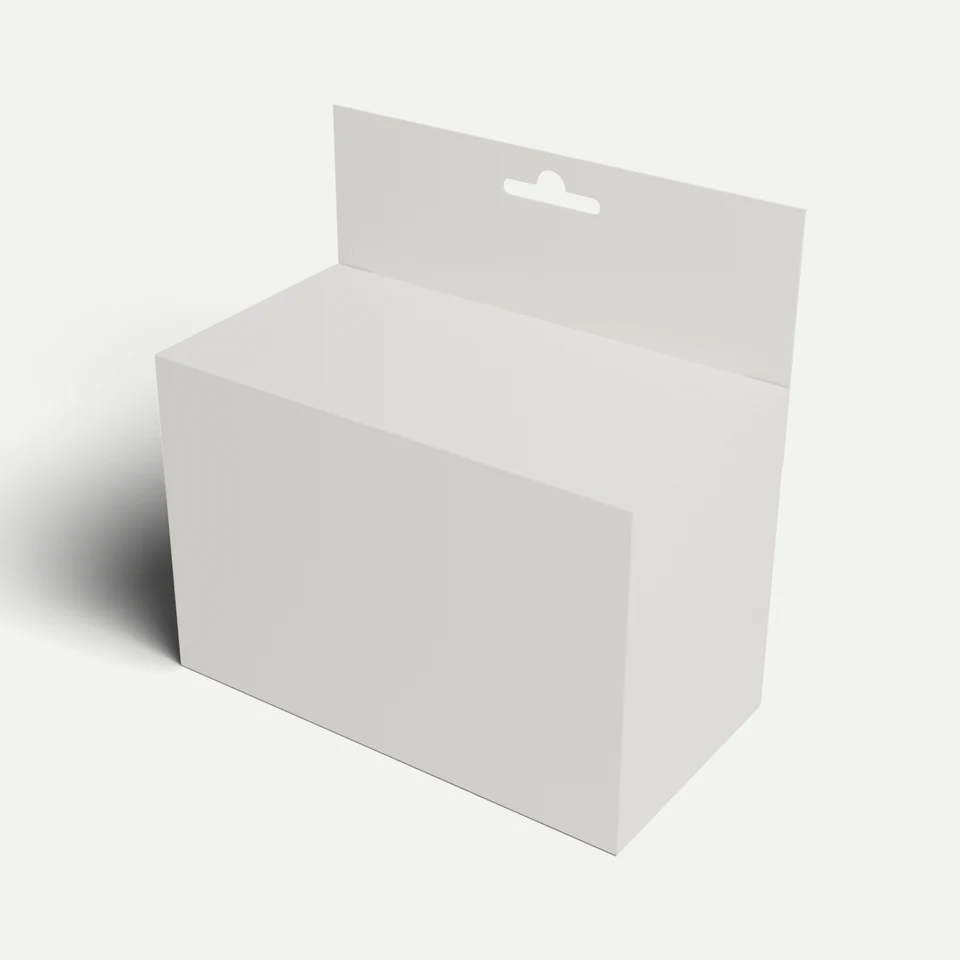
ECMA2D DIELINE3D FOLDED
Hanging Retail Box — Tuck Top, Hang Tab
ECMA A20.21.03.01 · 4 configurable parameters
Create dieline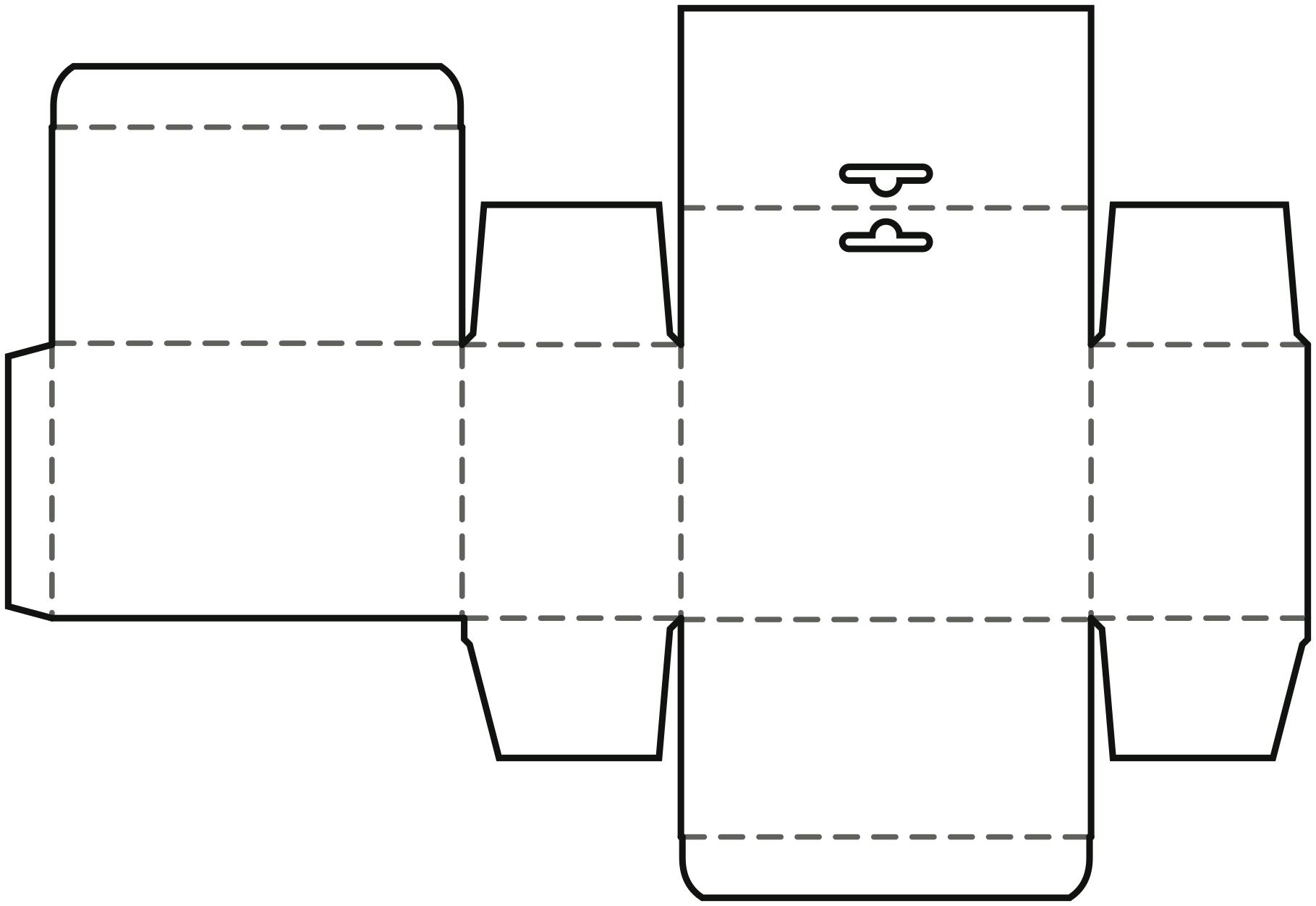
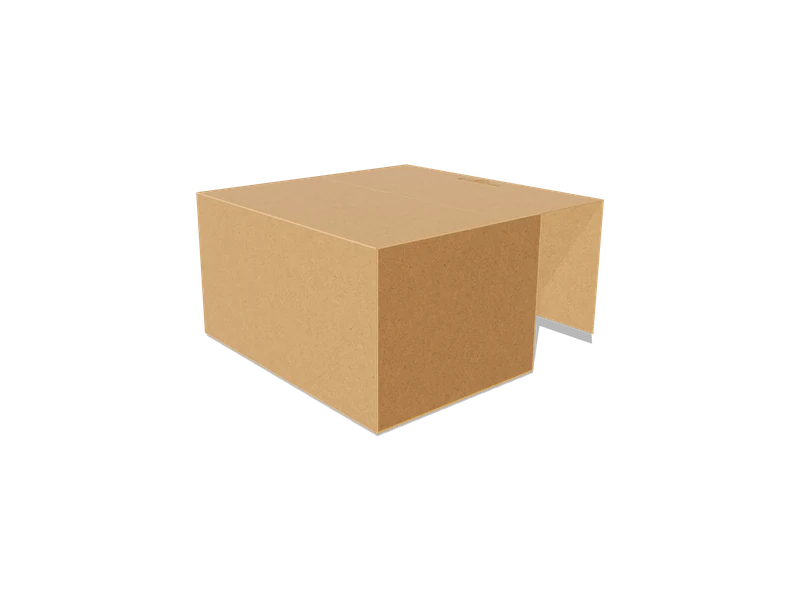
ECMA2D DIELINE3D FOLDED
Hanging Retail Box — Tuck Top, Hang Tab (Model 2)
ECMA A20.21.03.03 · 4 configurable parameters
Create dieline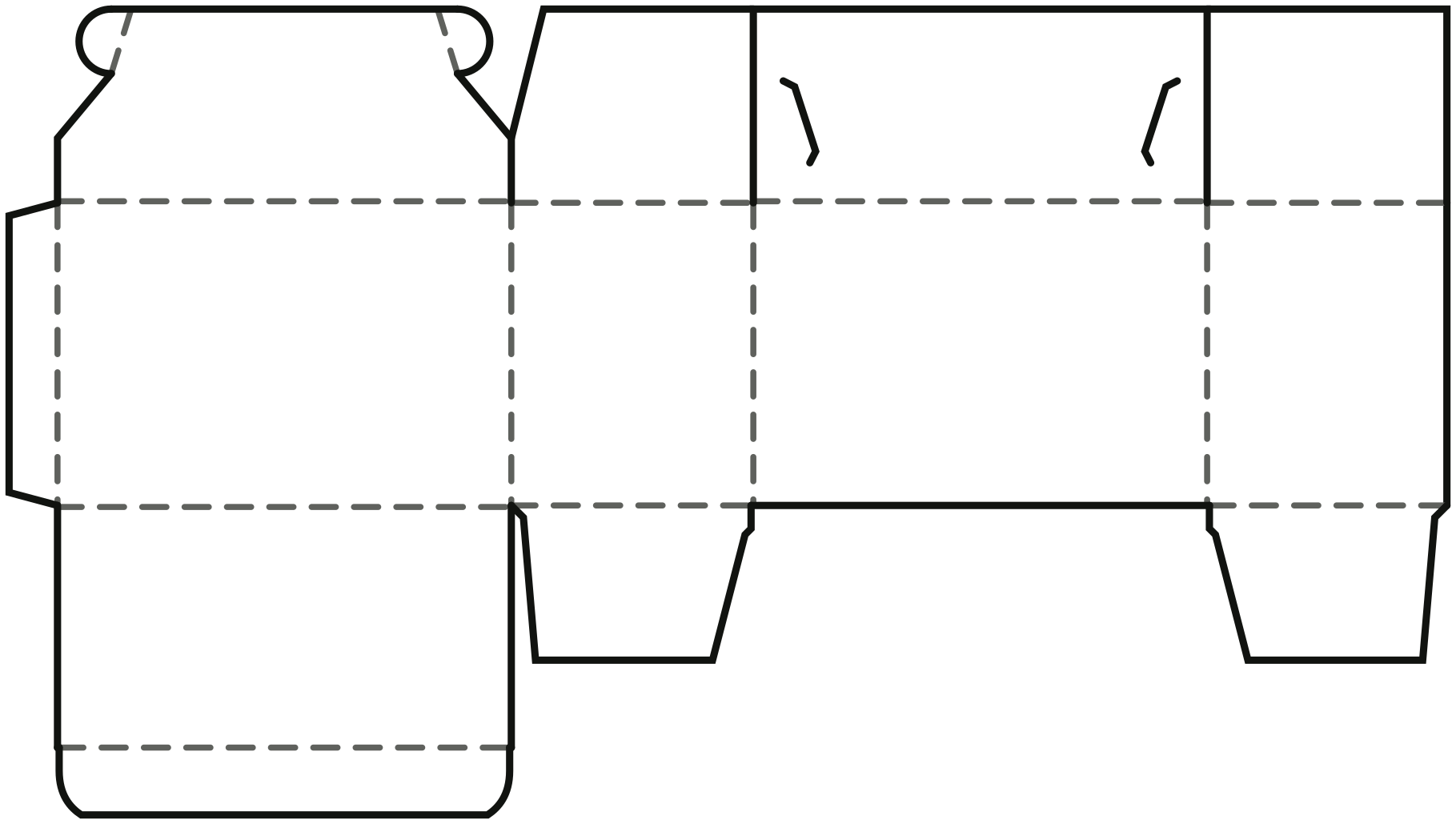
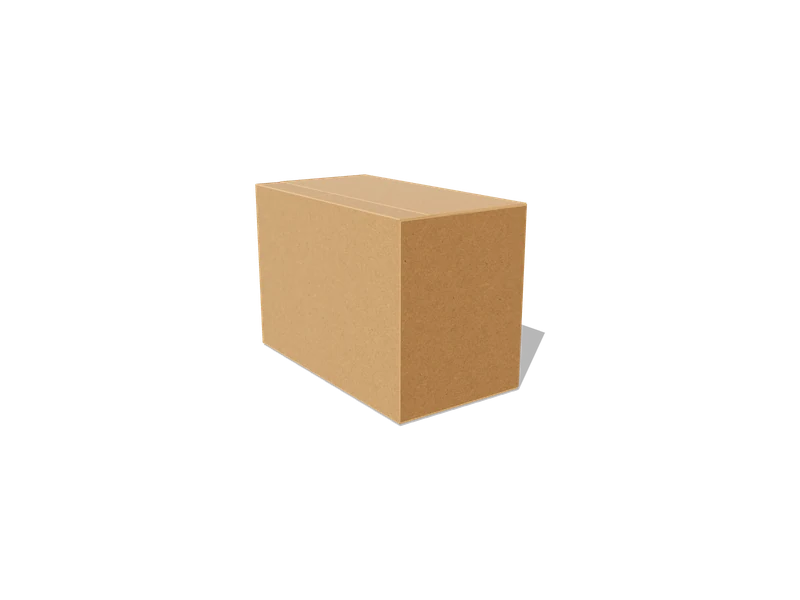
ECMA2D DIELINE3D FOLDED
Retail Product Box — Claw Lock Top
ECMA A20.50.01.01 · 4 configurable parameters
Create dieline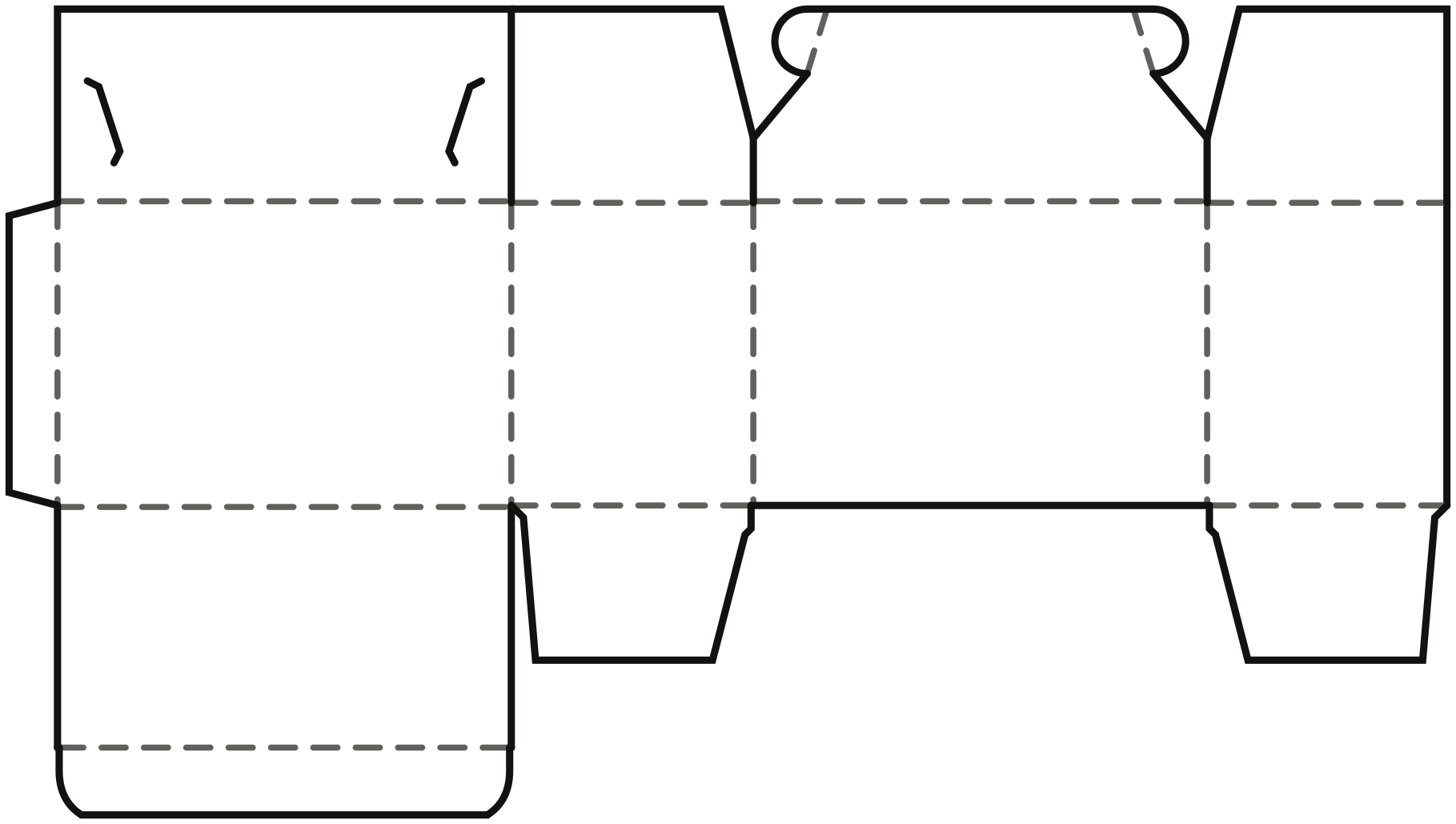
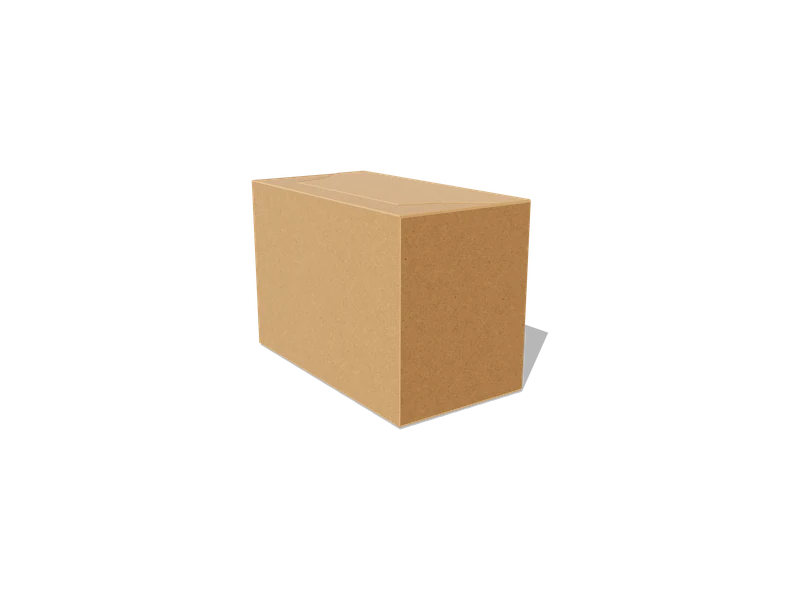
ECMA2D DIELINE3D FOLDED
Retail Product Box — Claw Lock Top (Model 2)
ECMA A20.50.01.03 · 4 configurable parameters
Create dieline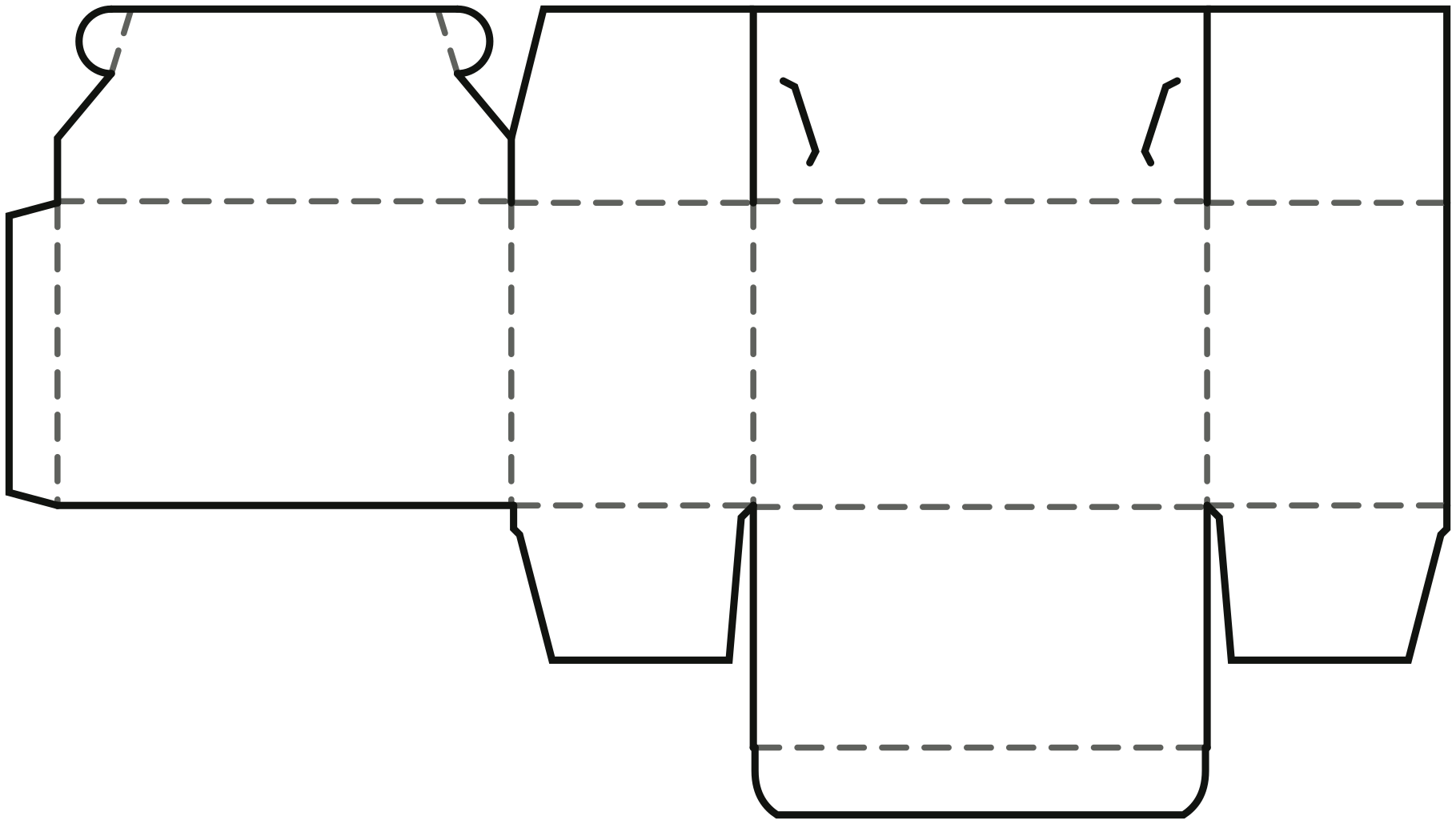
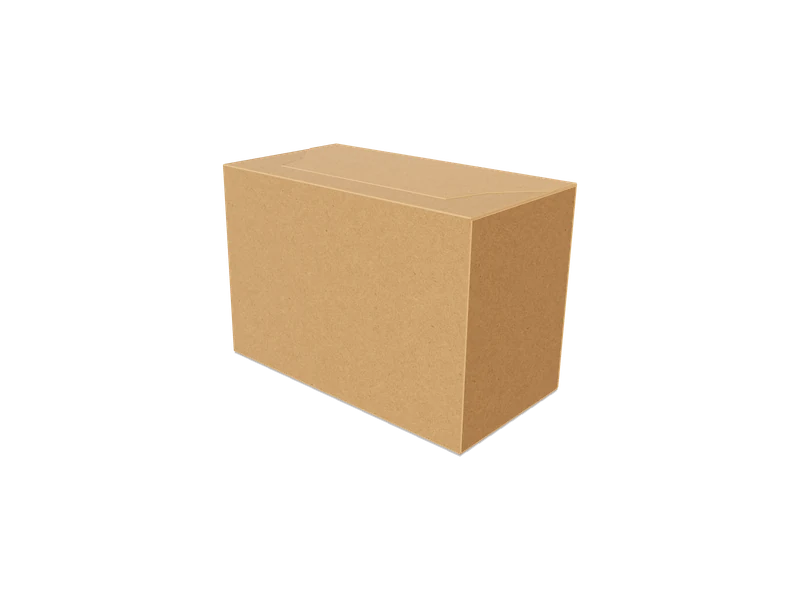
ECMA2D DIELINE3D FOLDED
Retail Product Box — Claw Lock Top (Model 3)
ECMA A20.50.03.01 · 4 configurable parameters
Create dieline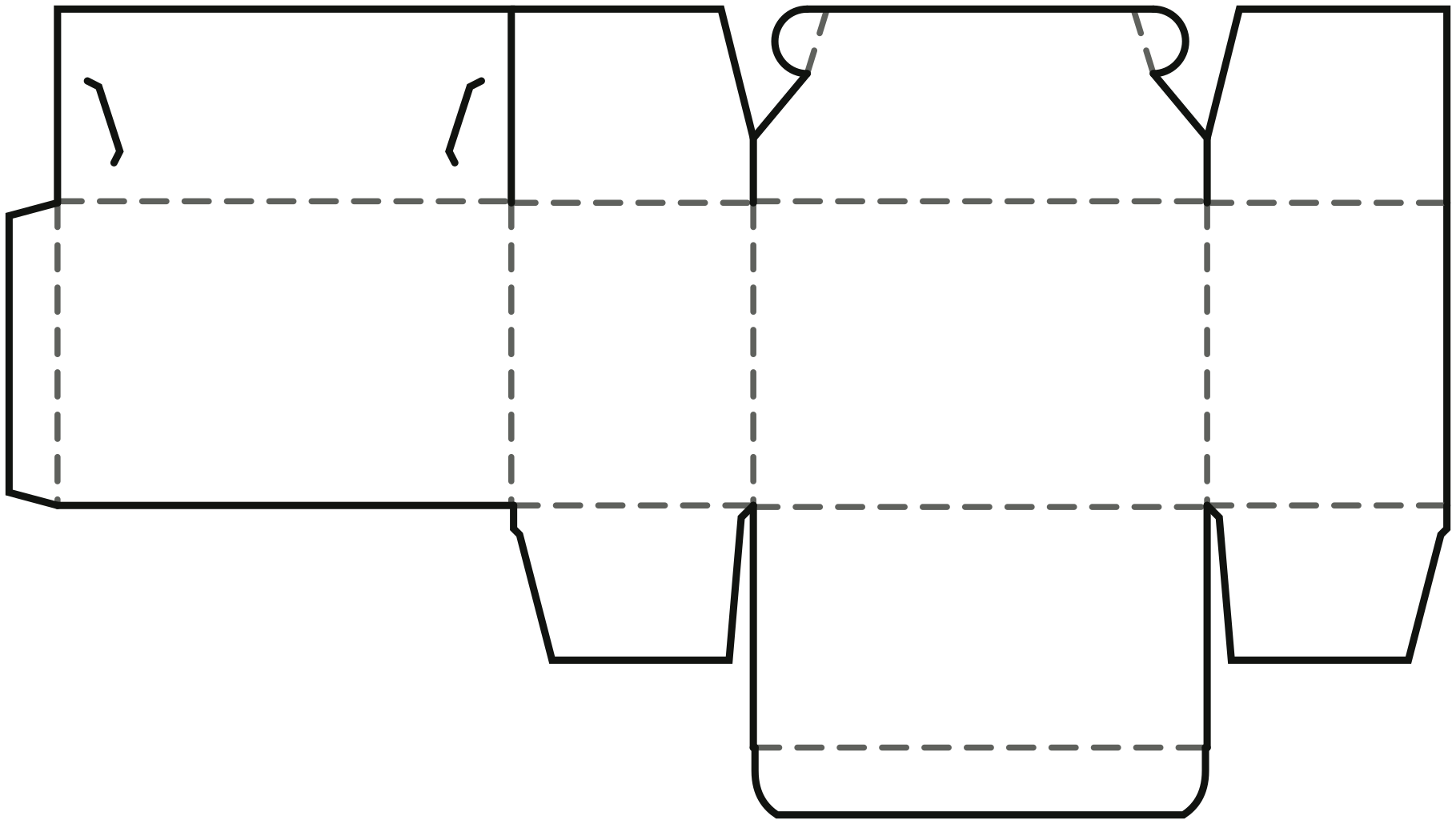
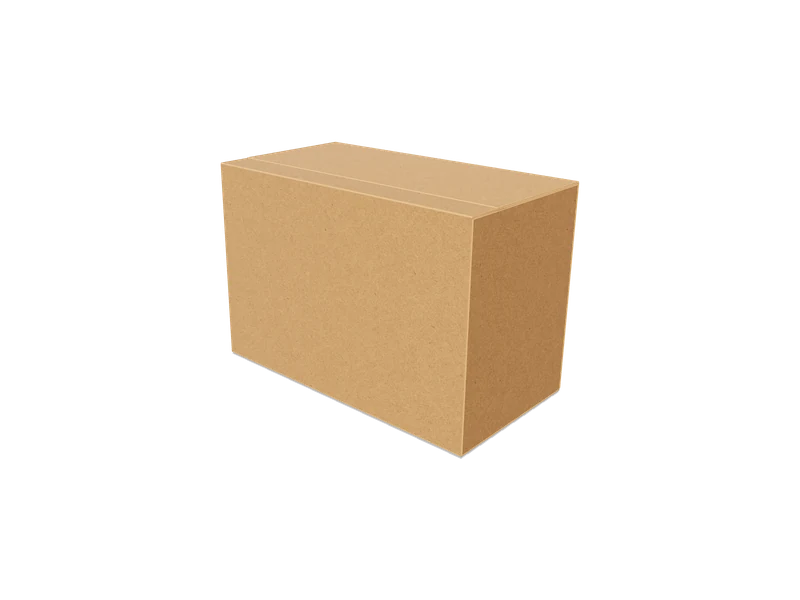
ECMA2D DIELINE3D FOLDED
Retail Product Box — Claw Lock Top (Model 4)
ECMA A20.50.03.03 · 4 configurable parameters
Create dieline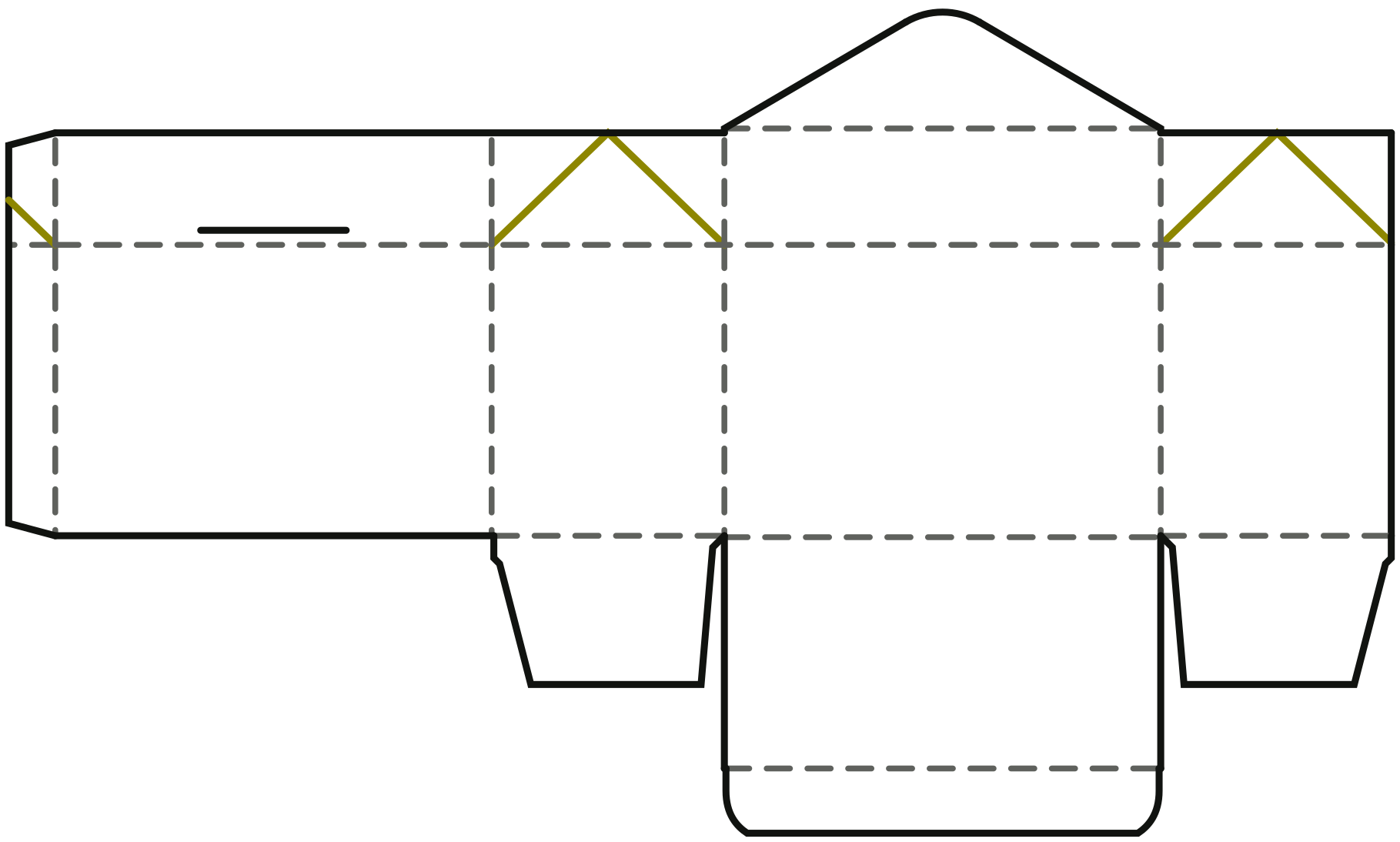
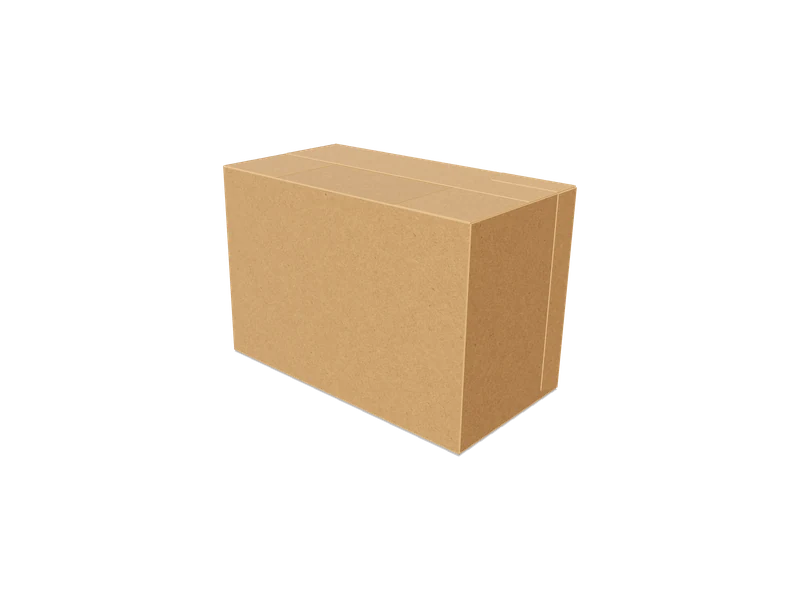
ECMA2D DIELINE3D FOLDED
Handled Carry Box — Gable Top
ECMA A20.75.03.03 · 5 configurable parameters
Create dieline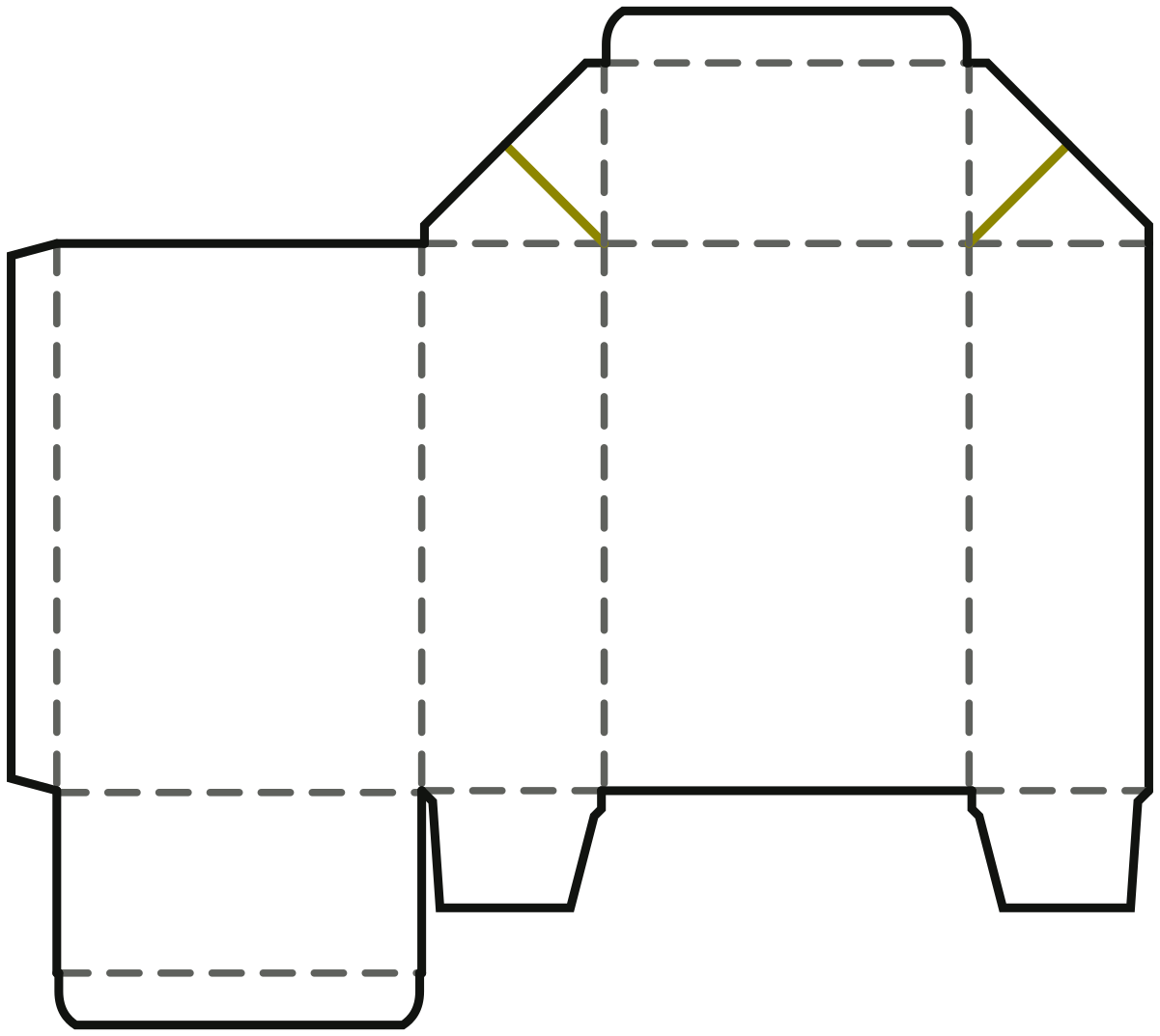
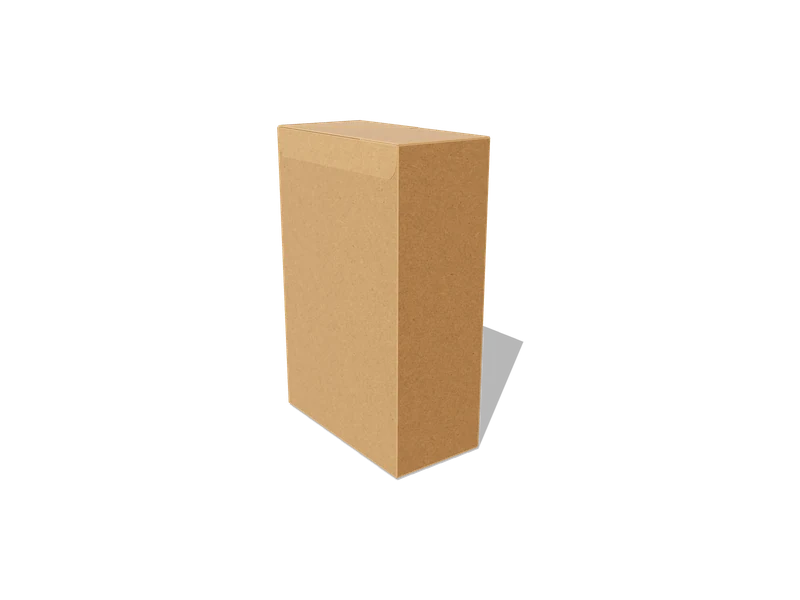
ECMA2D DIELINE3D FOLDED
Sift-Proof Powder Box — Webbed Dust Flap
ECMA A20.99.01.03 · 4 configurable parameters
Create dieline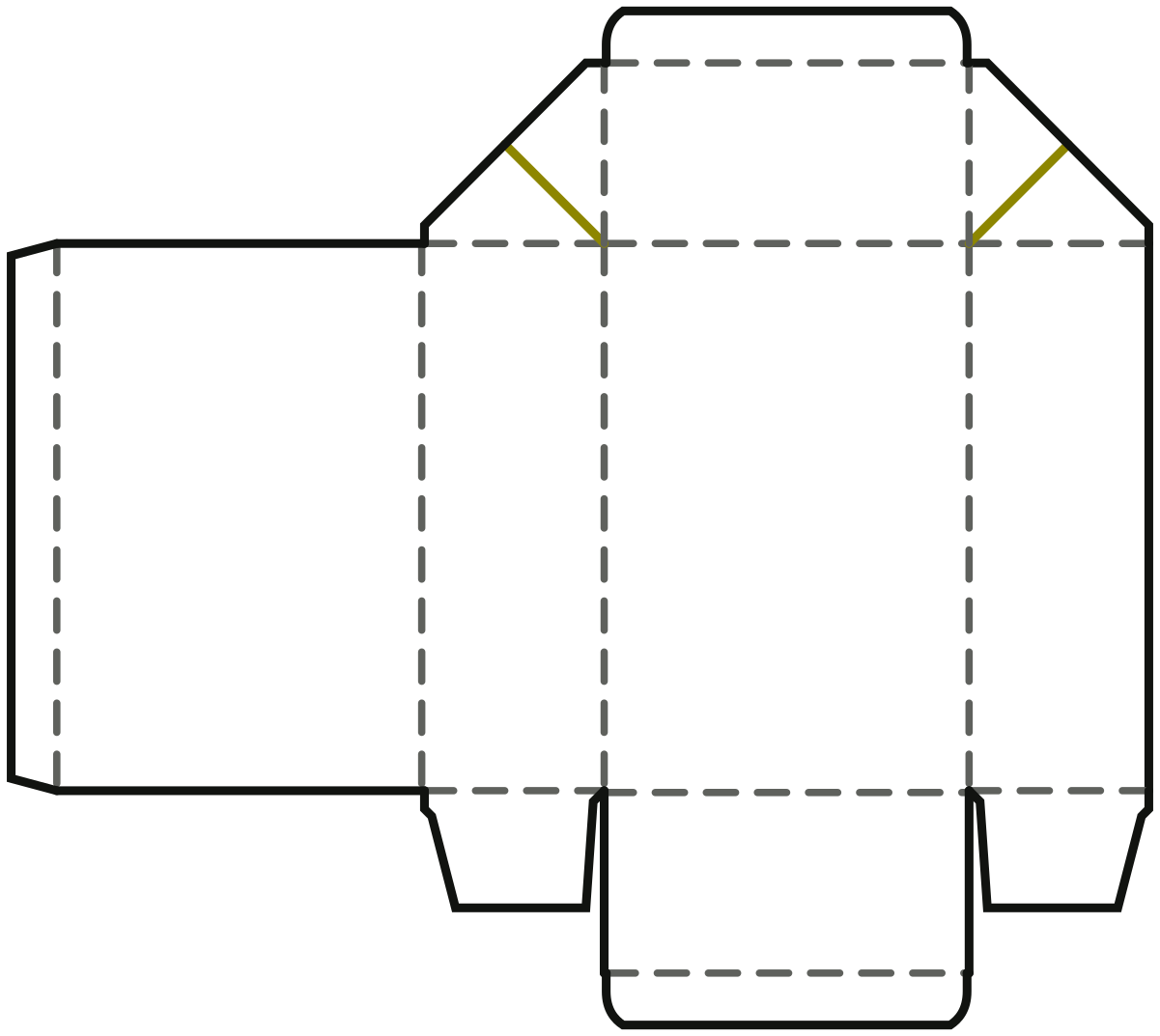
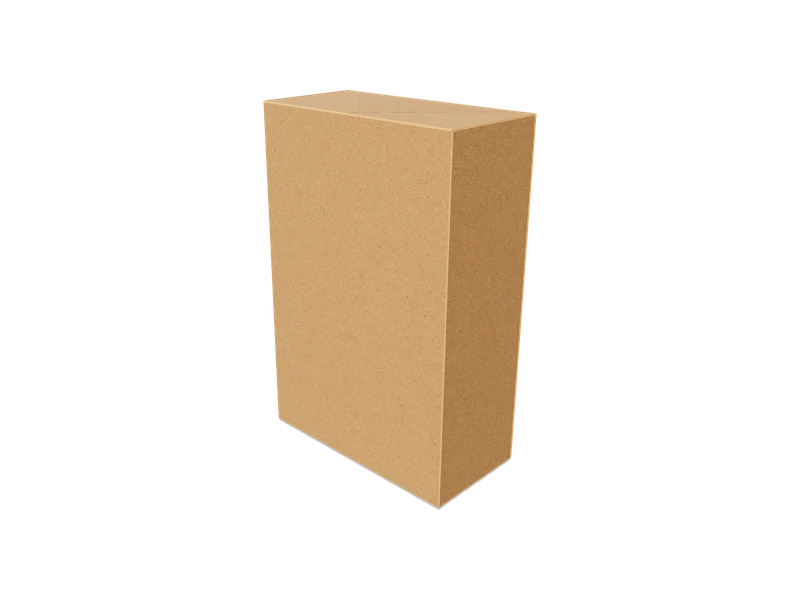
ECMA2D DIELINE3D FOLDED
Sift-Proof Powder Box — Webbed Dust Flap (Model 2)
ECMA A20.99.03.03 · 4 configurable parameters
Create dieline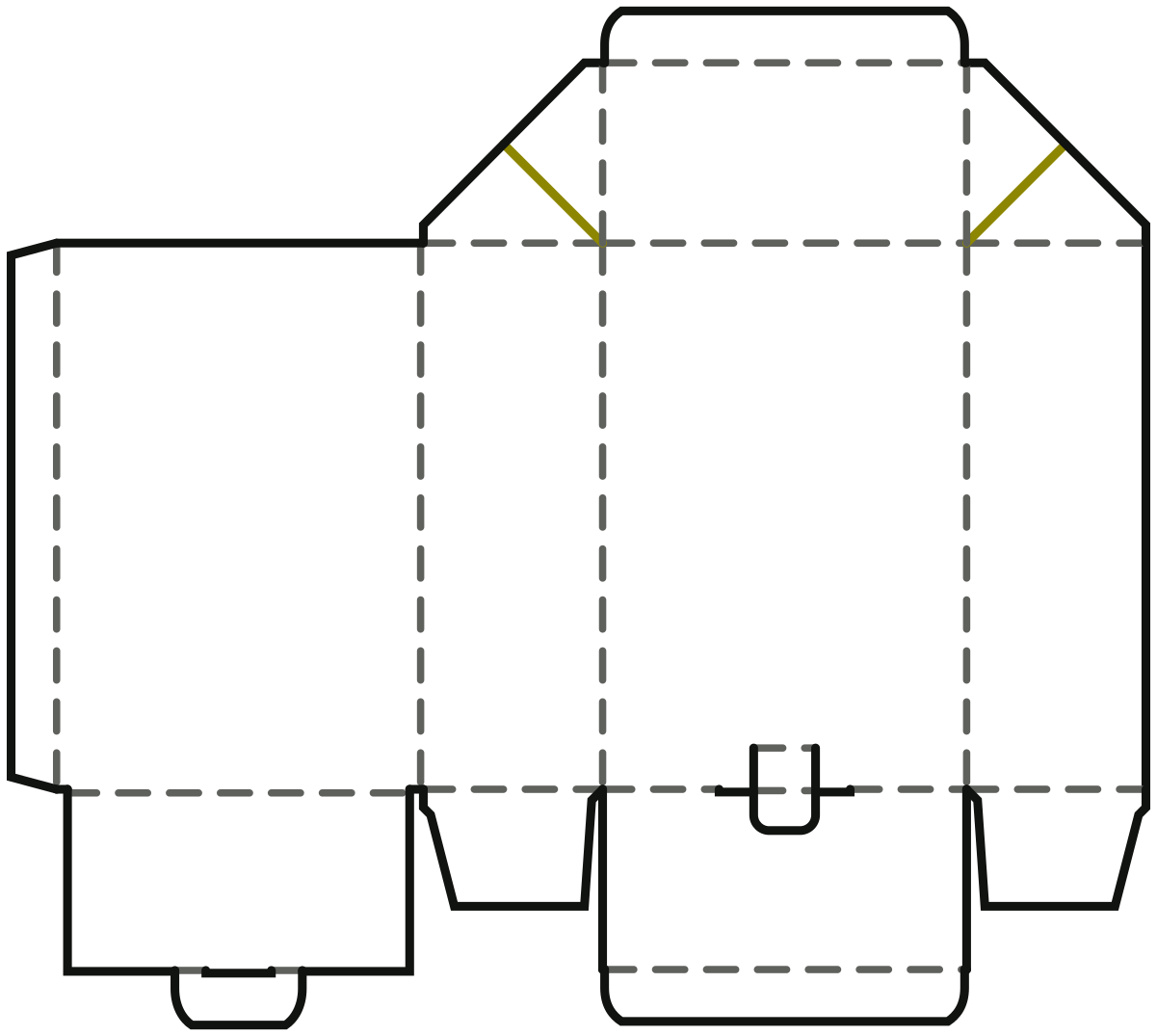
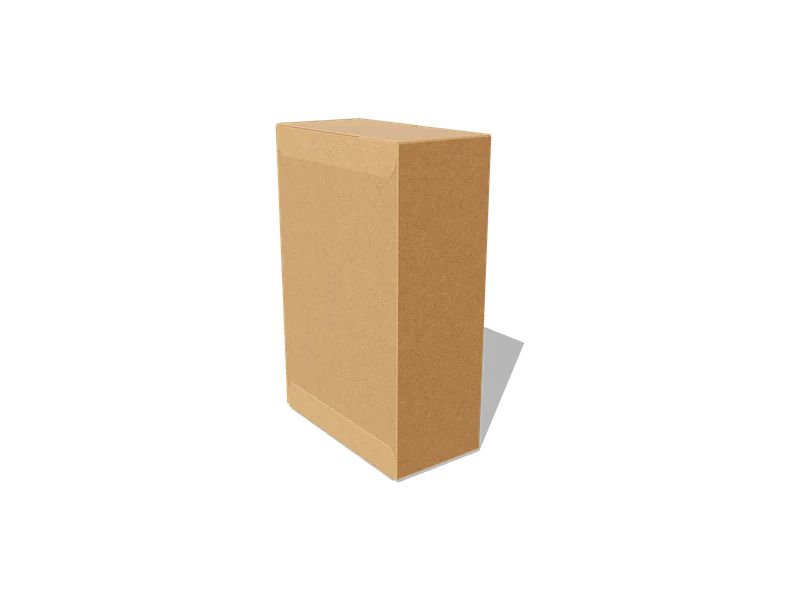
ECMA2D DIELINE3D FOLDED
Sift-Proof Powder Box — Webbed Dust Flap, Tab-Locking
ECMA A20.99.03.03.31 · 4 configurable parameters
Create dieline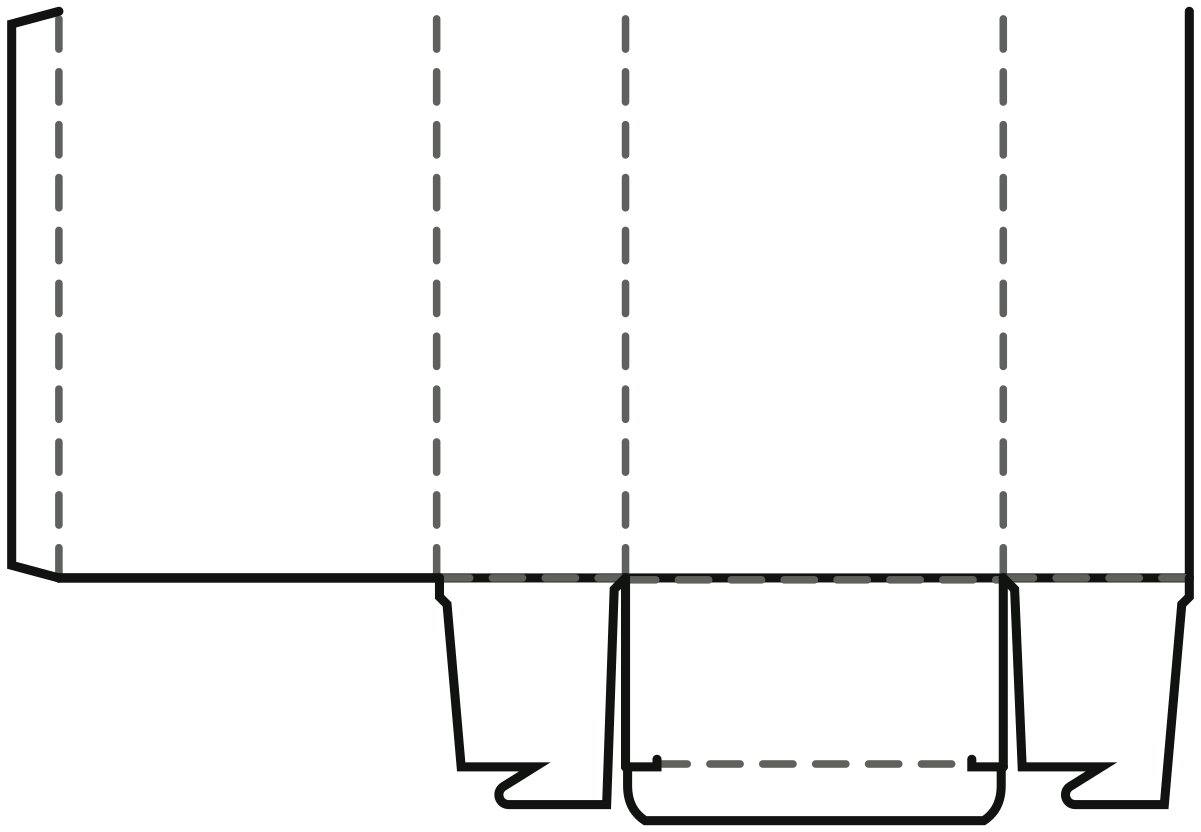
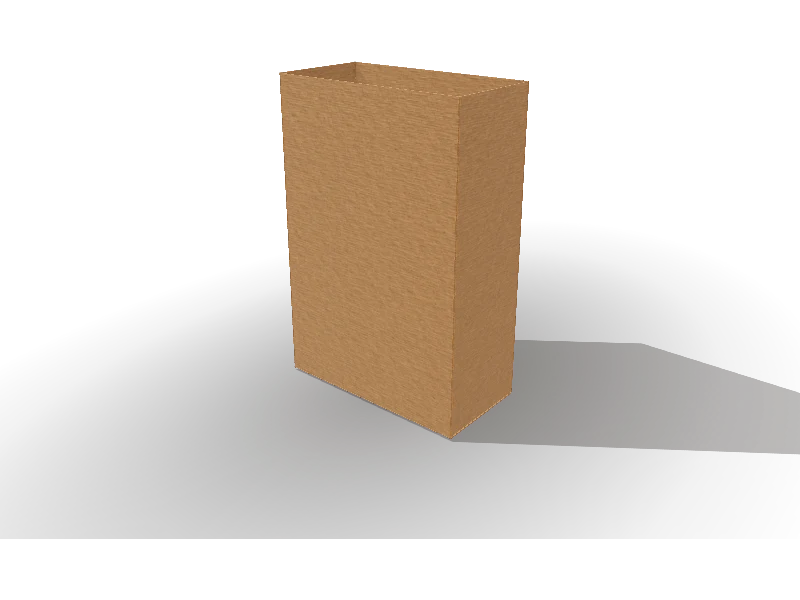
ECMA2D DIELINE3D FOLDED
Retail Product Box — Open Top, Scissor-Lock Base
ECMA A30.01.03.00 · 4 configurable parameters
Create dieline

ECMA2D DIELINE3D FOLDED
Retail Product Box — Hook-Lock Tuck
ECMA A30.30.01.01 · 4 configurable parameters
Create dieline

ECMA2D DIELINE3D FOLDED
Retail Product Box — Hook-Lock Tuck (Model 2)
ECMA A30.30.01.03 · 4 configurable parameters
Create dieline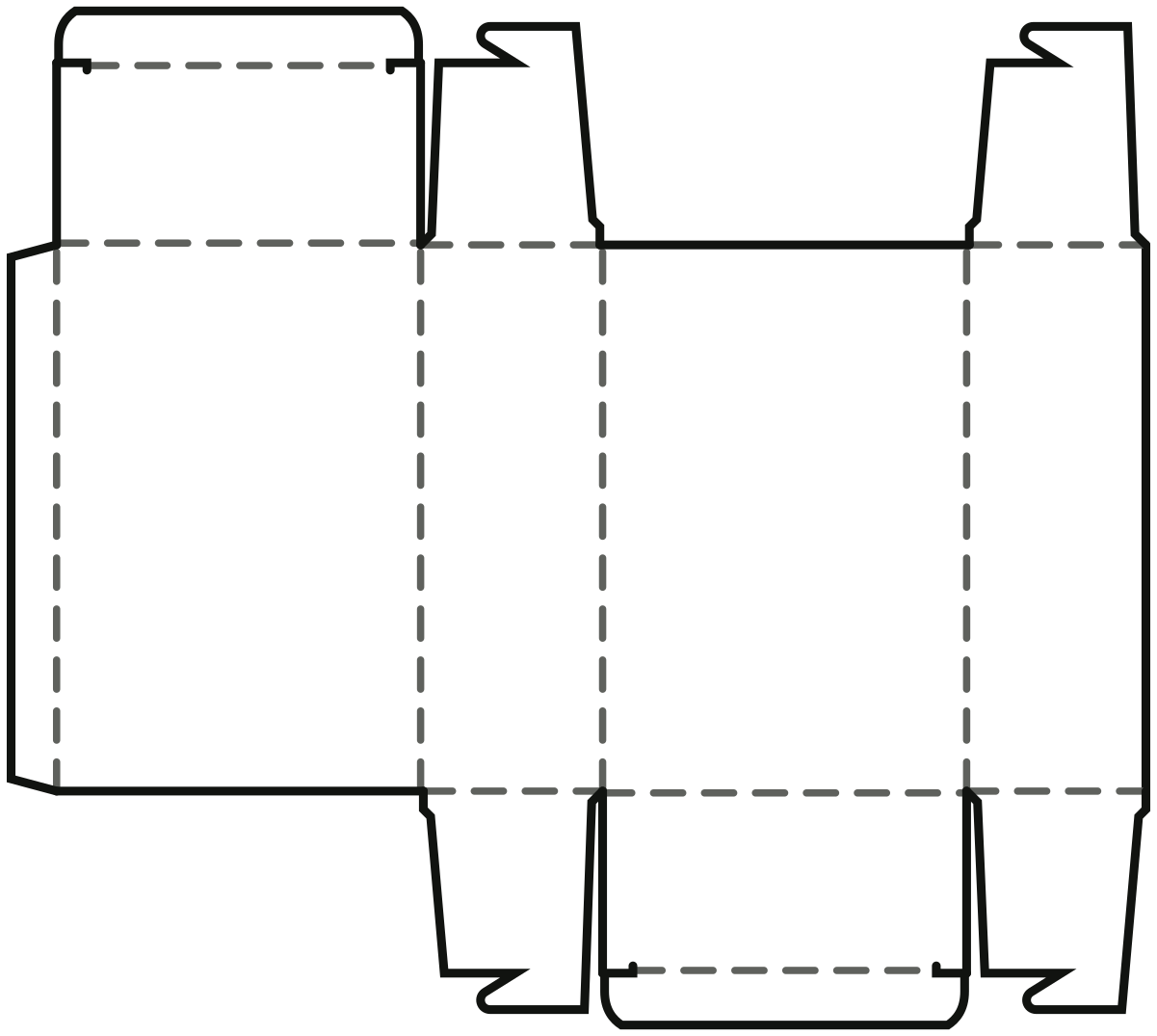

ECMA2D DIELINE3D FOLDED
Retail Product Box — Hook-Lock Tuck (Model 3)
ECMA A30.30.03.01 · 4 configurable parameters
Create dieline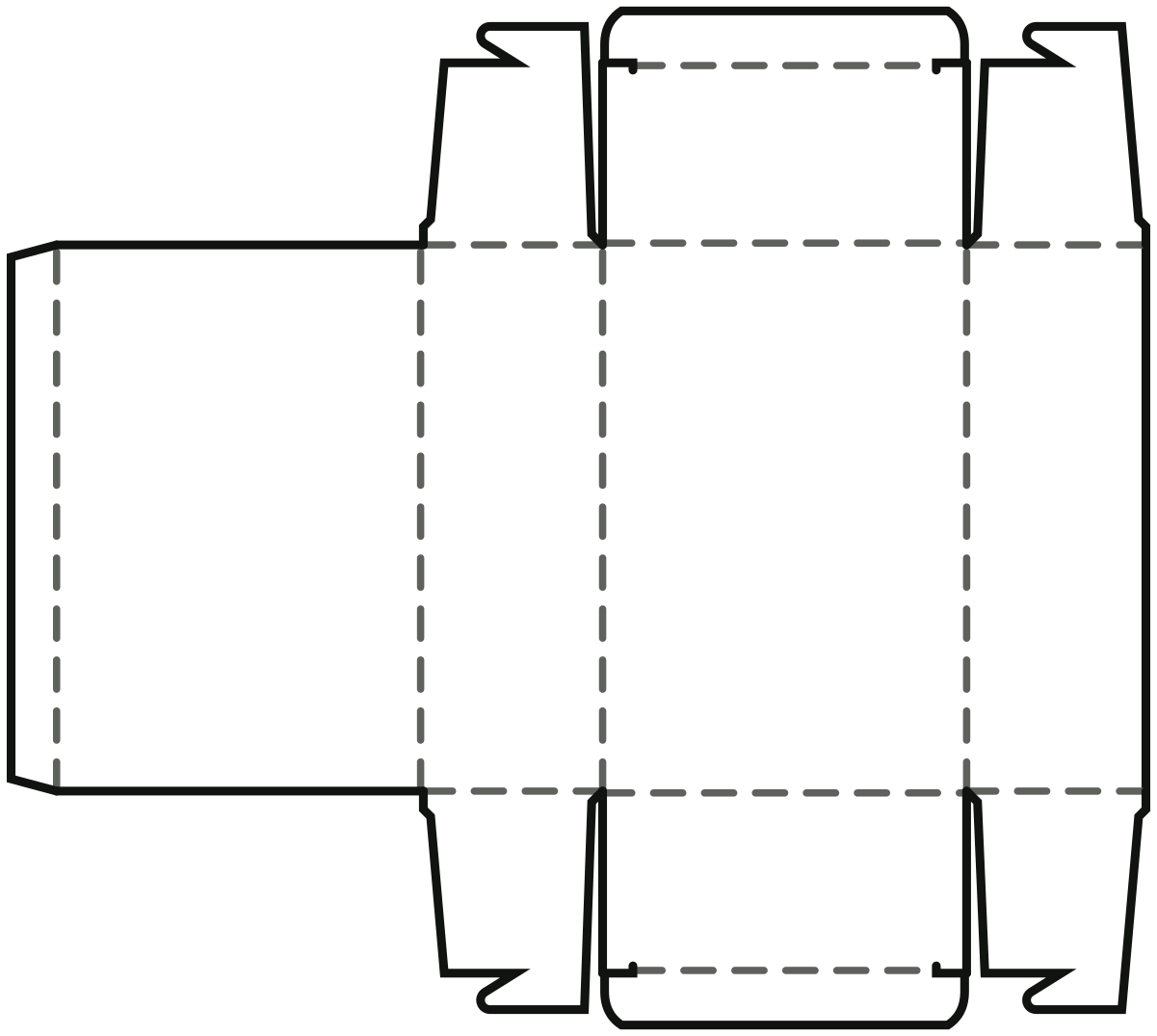

ECMA2D DIELINE3D FOLDED
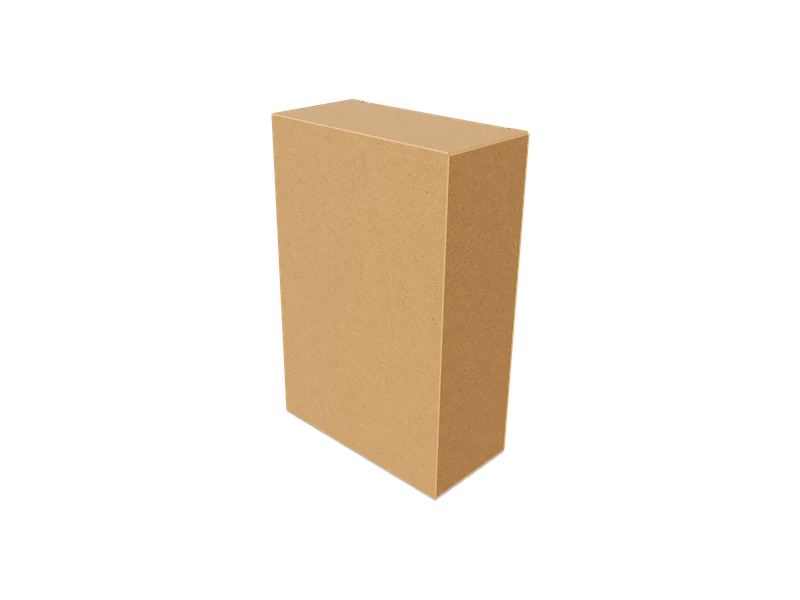
Retail Product Box — Scissor-Lock Top and Base
ECMA A30.30.03.03 · 4 configurable parameters
Create dieline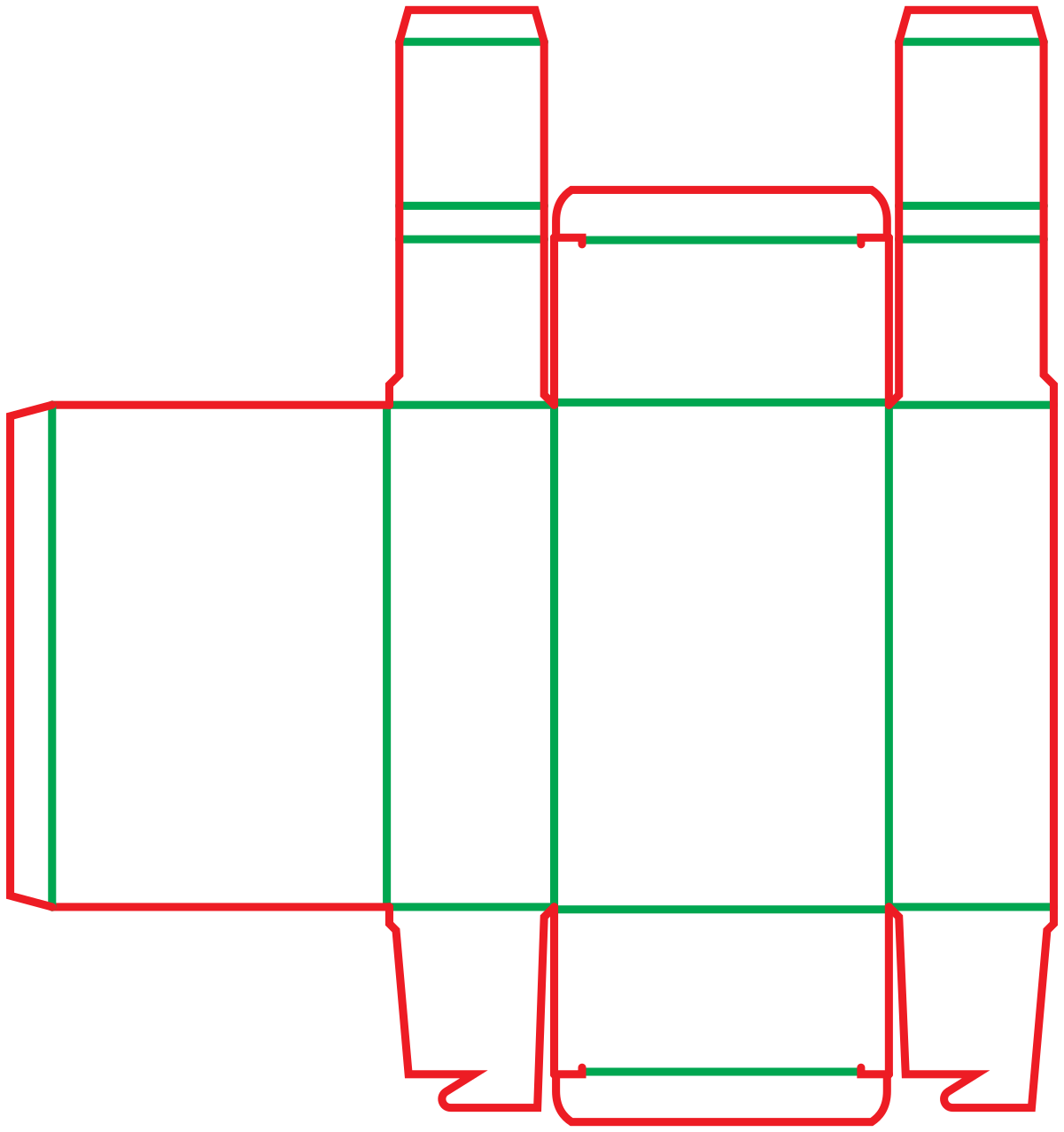
ECMA2D DIELINE3D FOLDED
Retail Product Box — Hook-Lock Base
ECMA A30.80.03.03 · 5 configurable parameters
Create dieline

ECMA2D DIELINE3D FOLDED
Retail Product Box — Hollow Dust Flap Top, Hook-Lock Tuck Base
ECMA A30.81.03.00 · 5 configurable parameters
Create dieline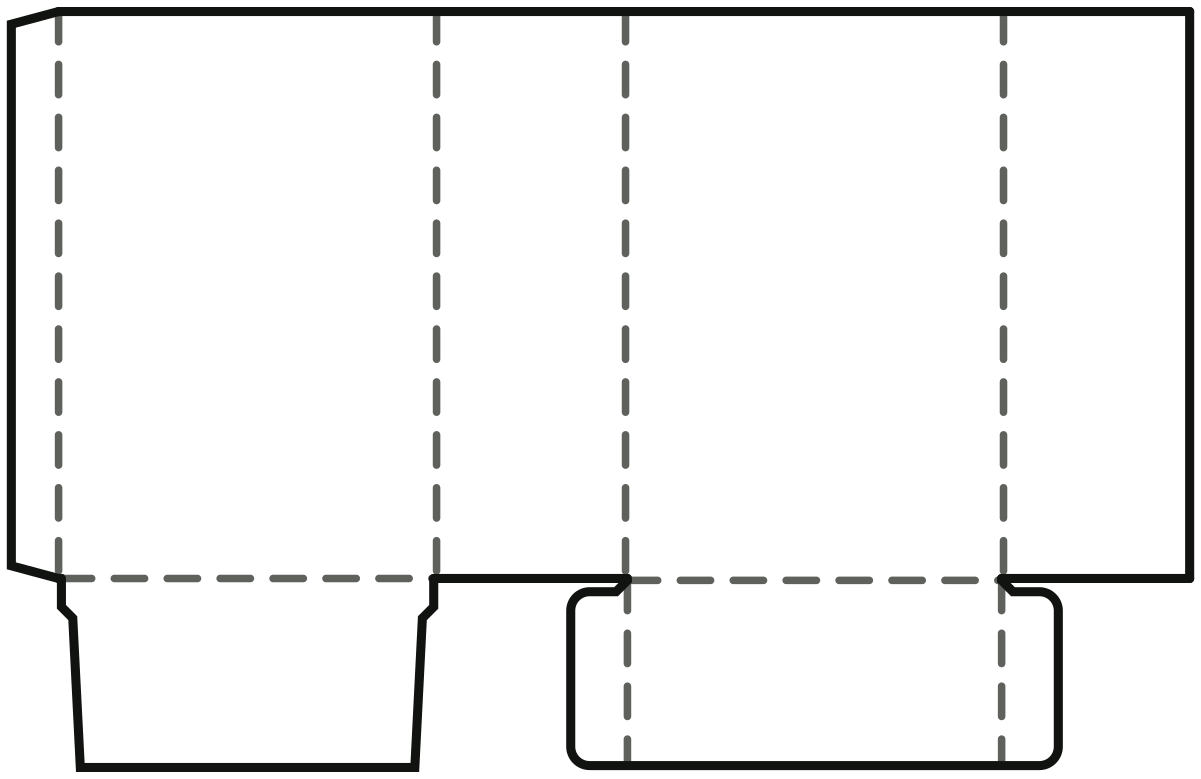
ECMA2D DIELINE3D FOLDED
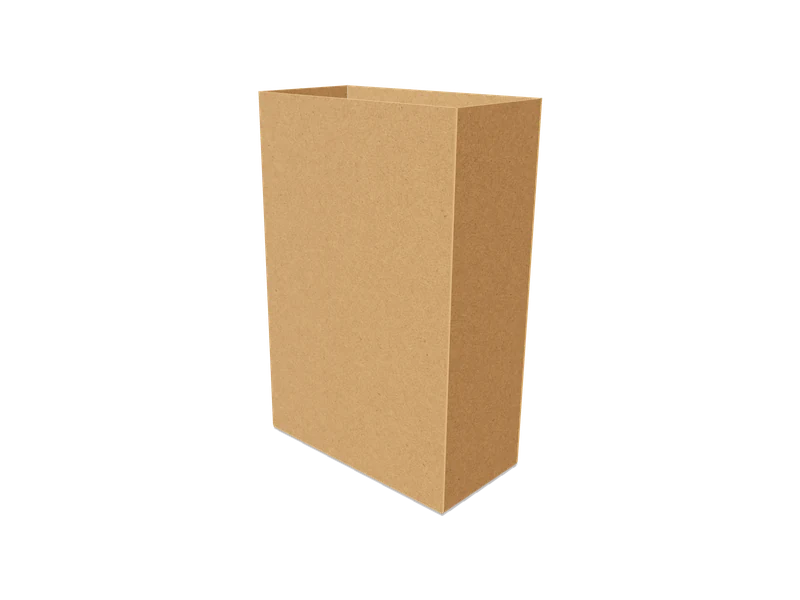
Display & Shelf-Ready Box — Open Top, Side Tuck
ECMA A40.01.03.00 · 4 configurable parameters
Create dieline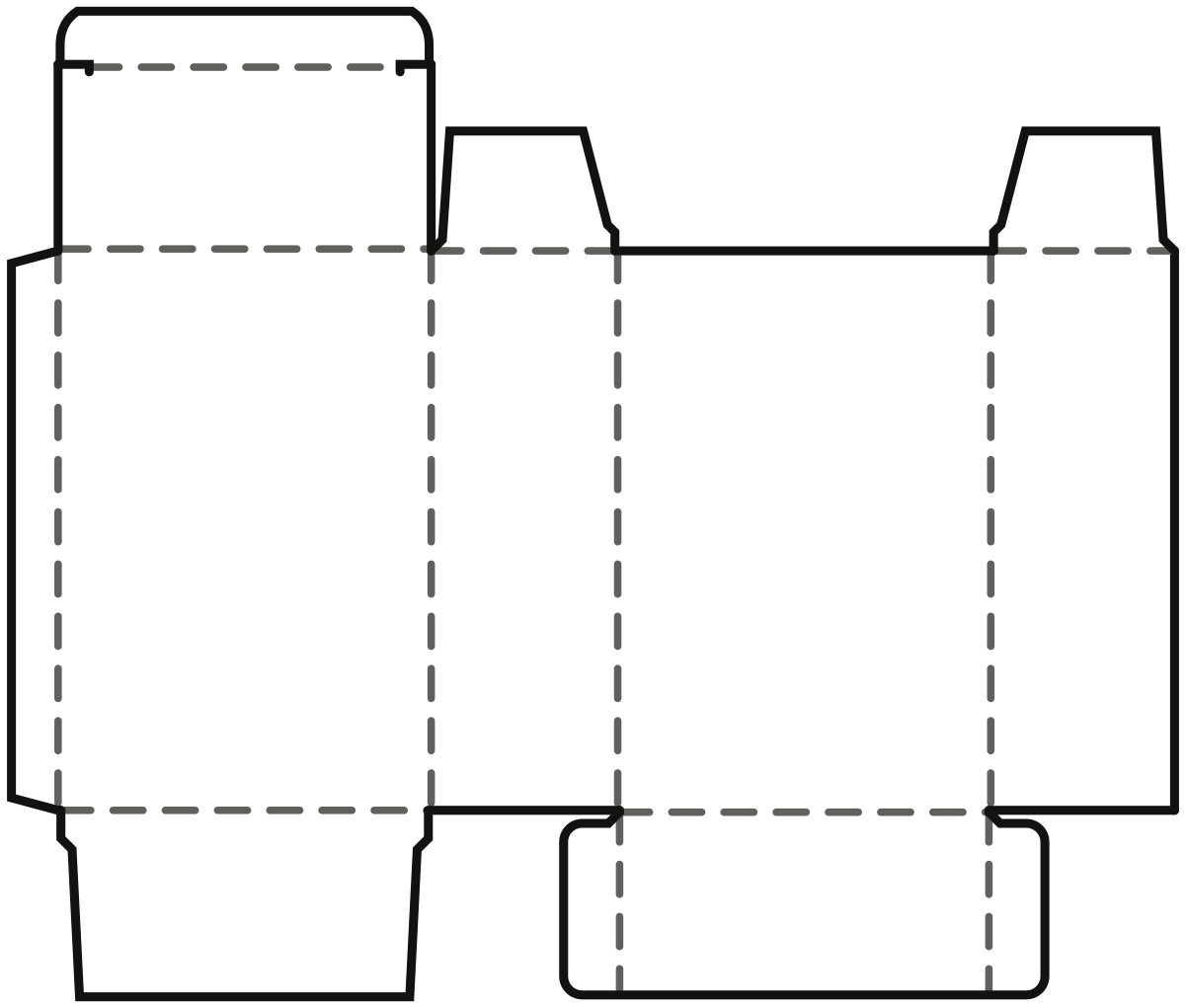

ECMA2D DIELINE3D FOLDED
Retail Product Box — Tuck Top, Side-Tuck Base (Model 2)
ECMA A40.20.03.01 · 4 configurable parameters
Create dieline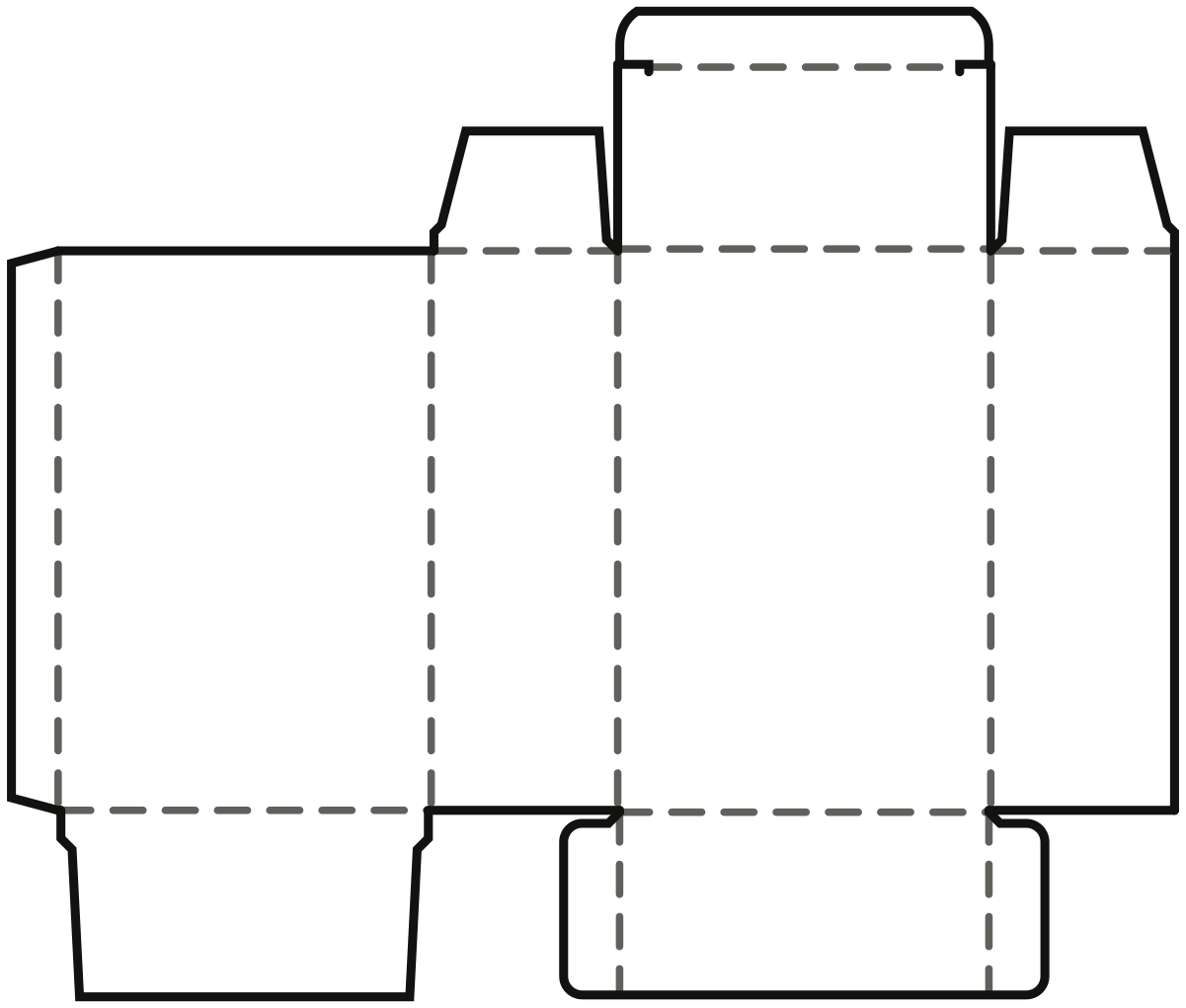

ECMA2D DIELINE3D FOLDED
Retail Product Box — Tuck Top, Side-Tuck Base
ECMA A40.20.03.03 · 4 configurable parameters
Create dieline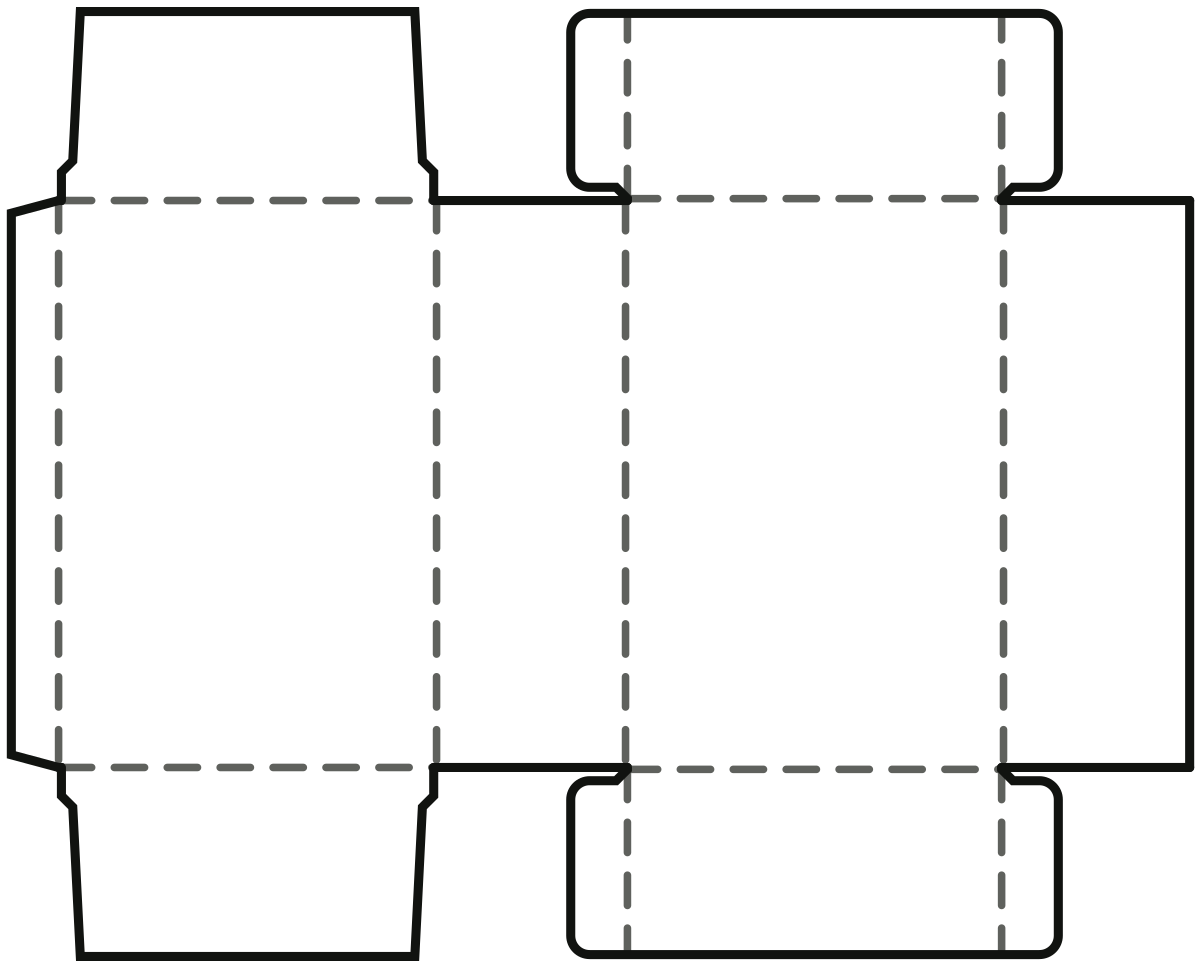

ECMA2D DIELINE3D FOLDED
Retail Product Box — Side Tuck
ECMA A40.40.03.03 · 4 configurable parameters
Create dieline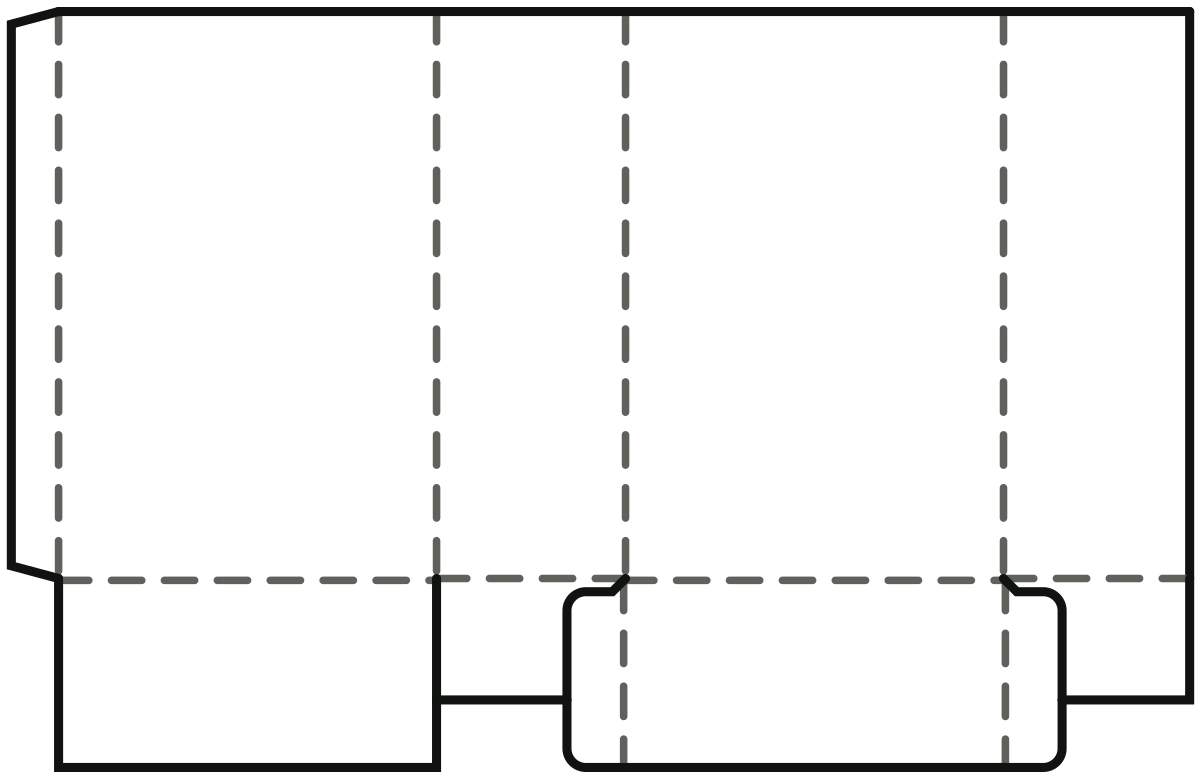

ECMA2D DIELINE3D FOLDED
Display & Shelf-Ready Box — Open Top, Winged Side Tuck
ECMA A41.01.03.00 · 4 configurable parameters
Create dieline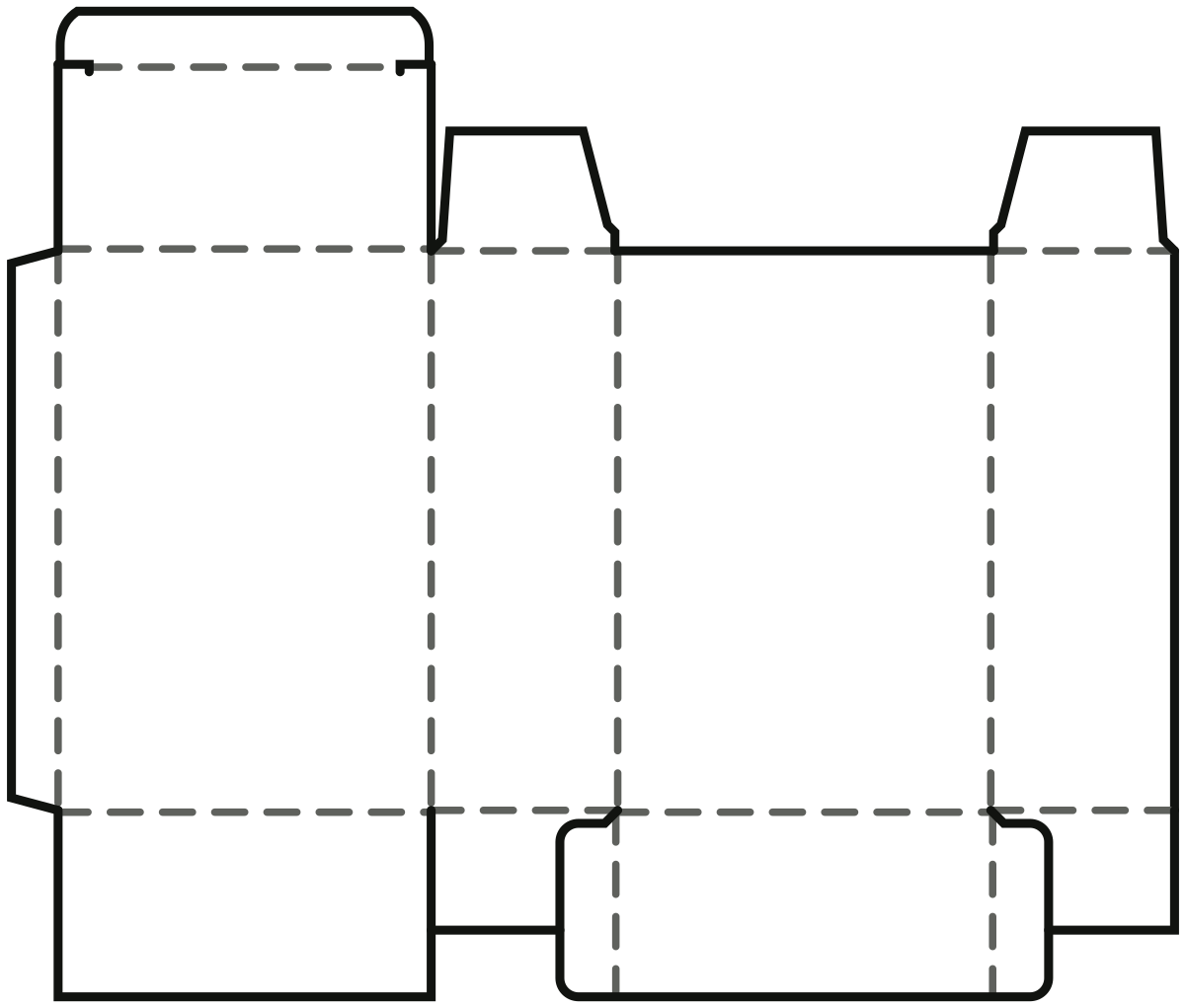

ECMA2D DIELINE3D FOLDED
Retail Product Box — Tuck Top, Winged Side-Tuck Base
ECMA A41.20.03.01 · 4 configurable parameters
Create dieline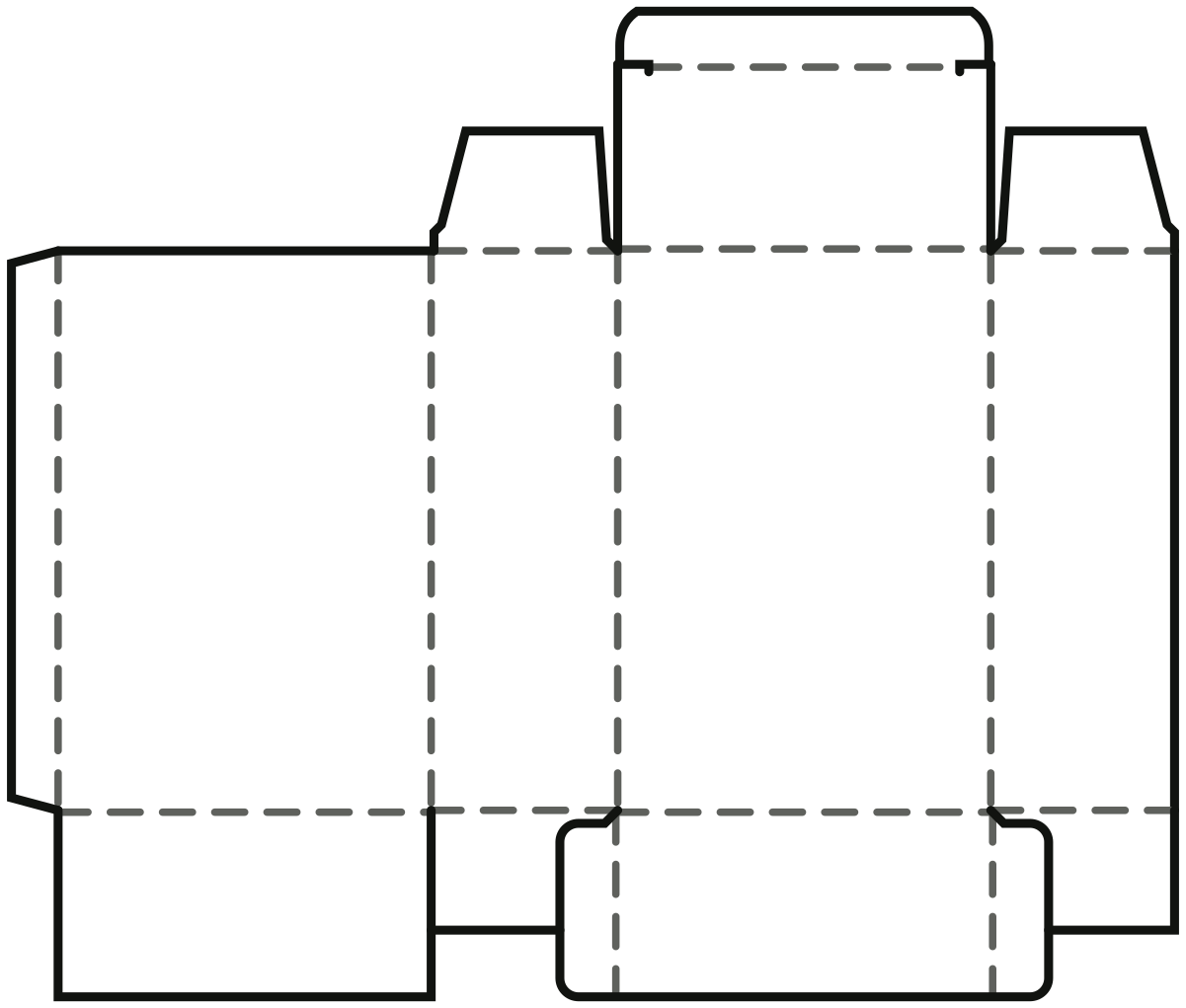

ECMA2D DIELINE3D FOLDED
Retail Product Box — Tuck Top, Winged Side-Tuck Base (Model 2)
ECMA A41.20.03.03 · 4 configurable parameters
Create dieline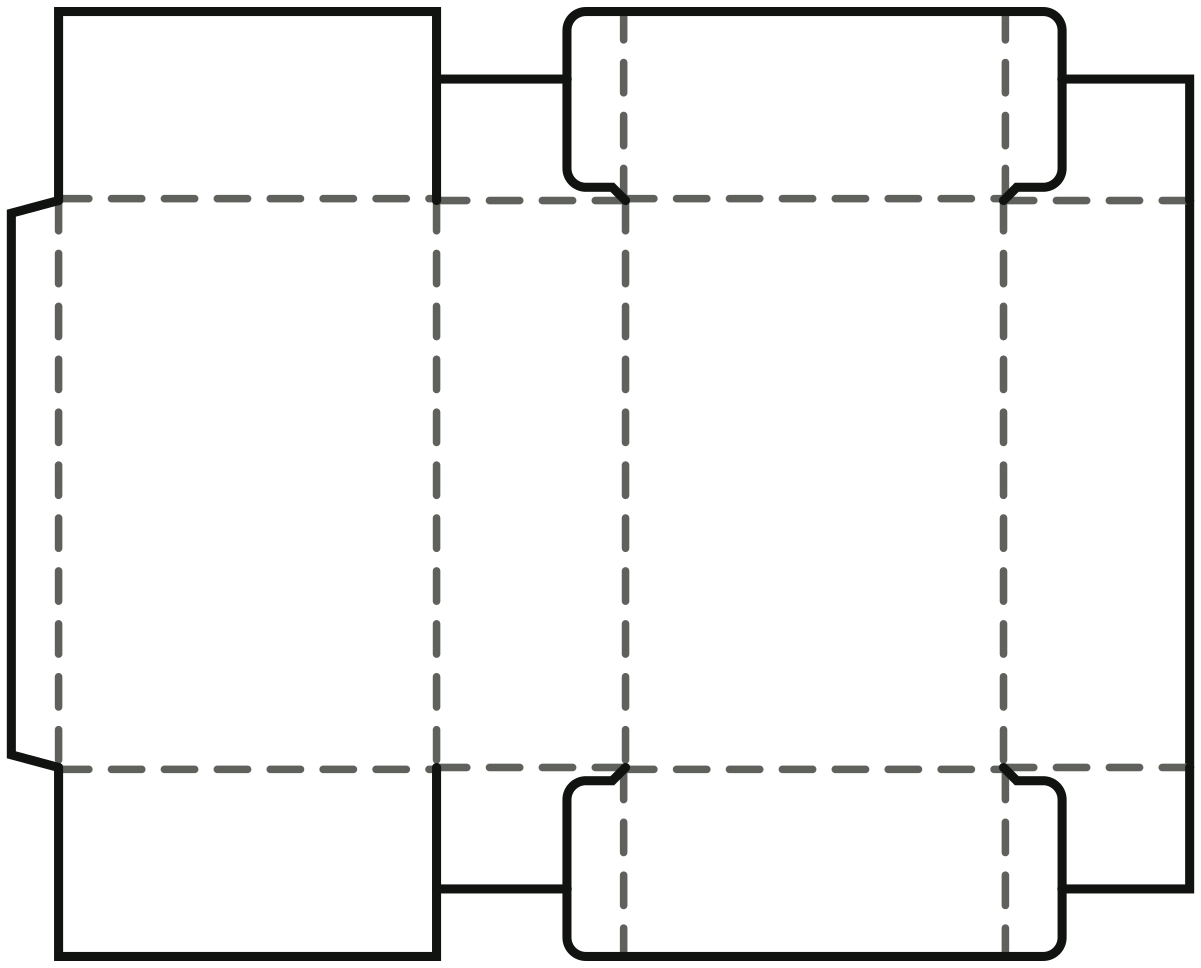

ECMA2D DIELINE3D FOLDED
Retail Product Box — Winged Side-Tuck Top and Base
ECMA A41.41.03.03 · 4 configurable parameters
Create dieline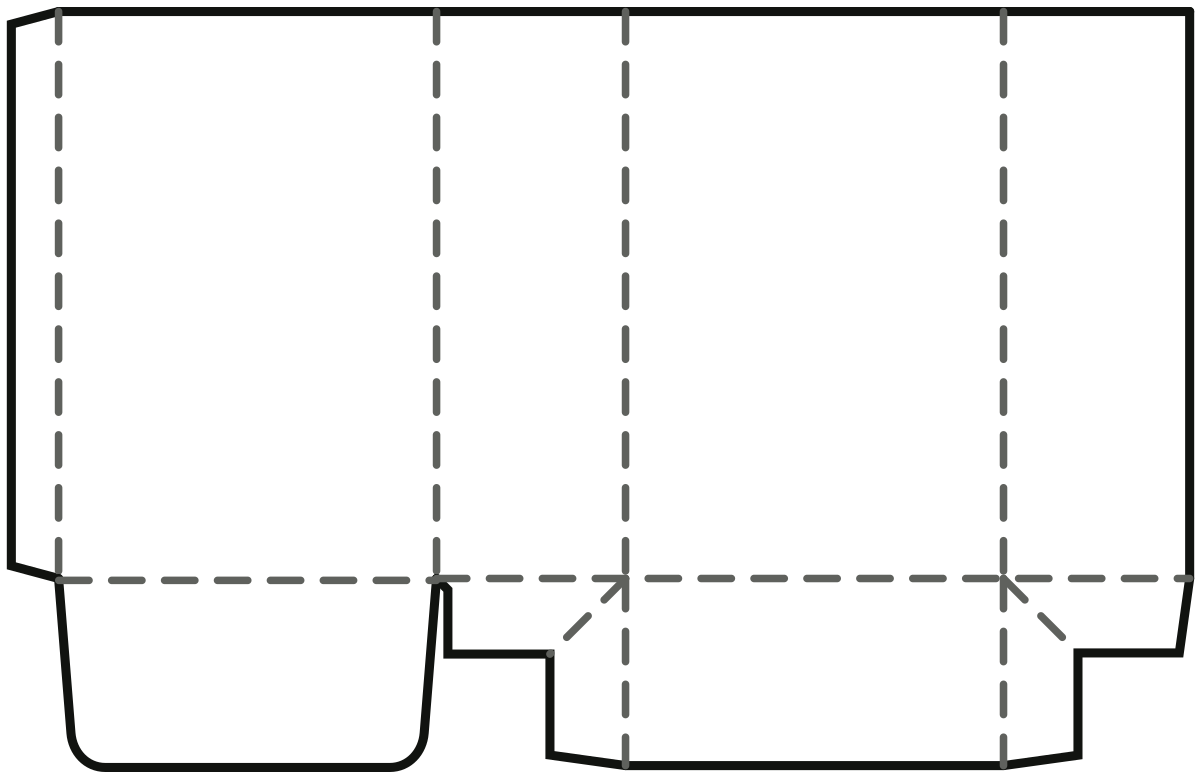

ECMA2D DIELINE3D FOLDED
Retail Product Box — Open Top, Joined Dust Flap Base
ECMA A45.01.01.00 · 4 configurable parameters
Create dieline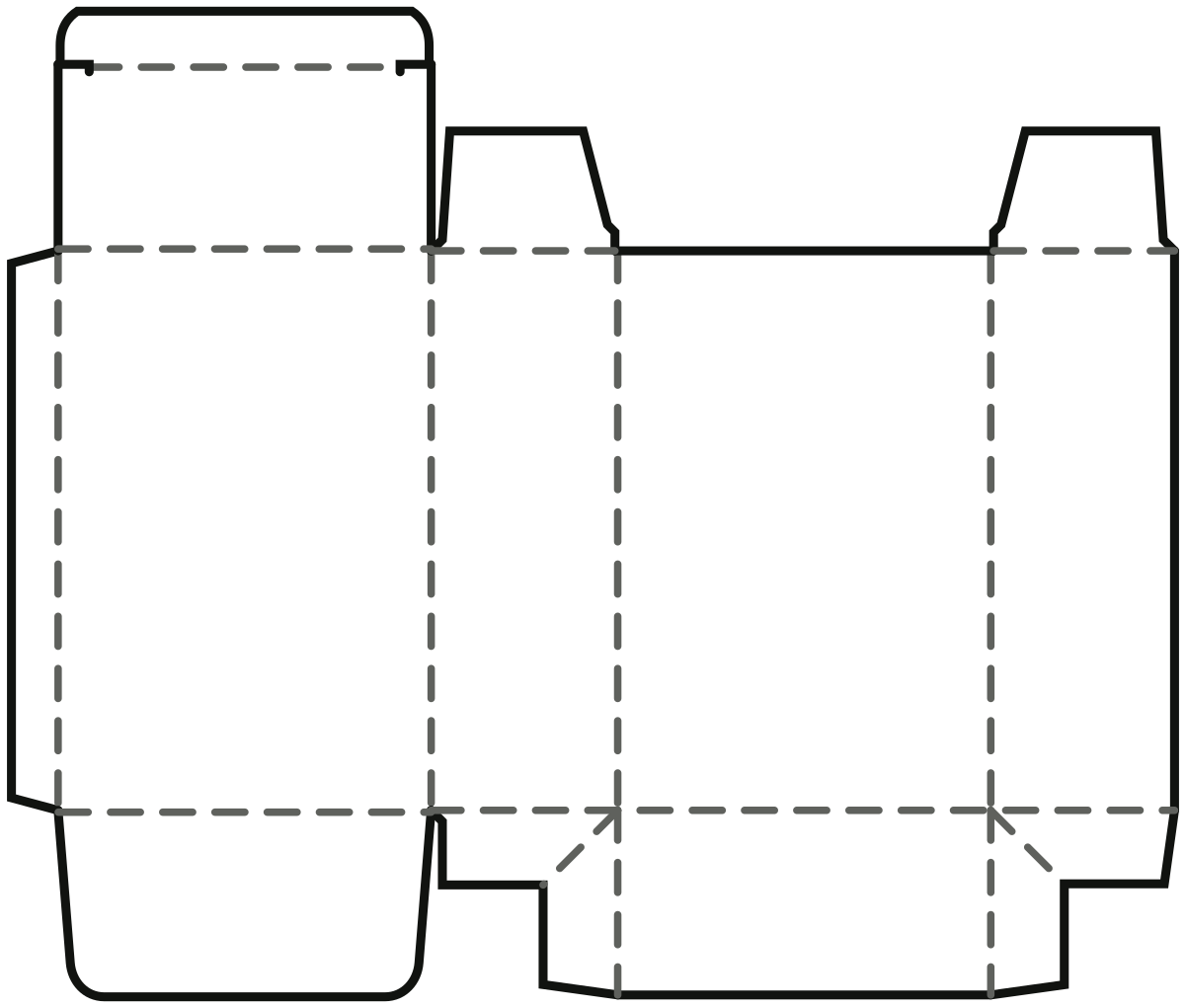

ECMA2D DIELINE3D FOLDED
Retail Product Box — Tuck Top, Joined Dust Flap Base
ECMA A45.20.01.01 · 4 configurable parameters
Create dieline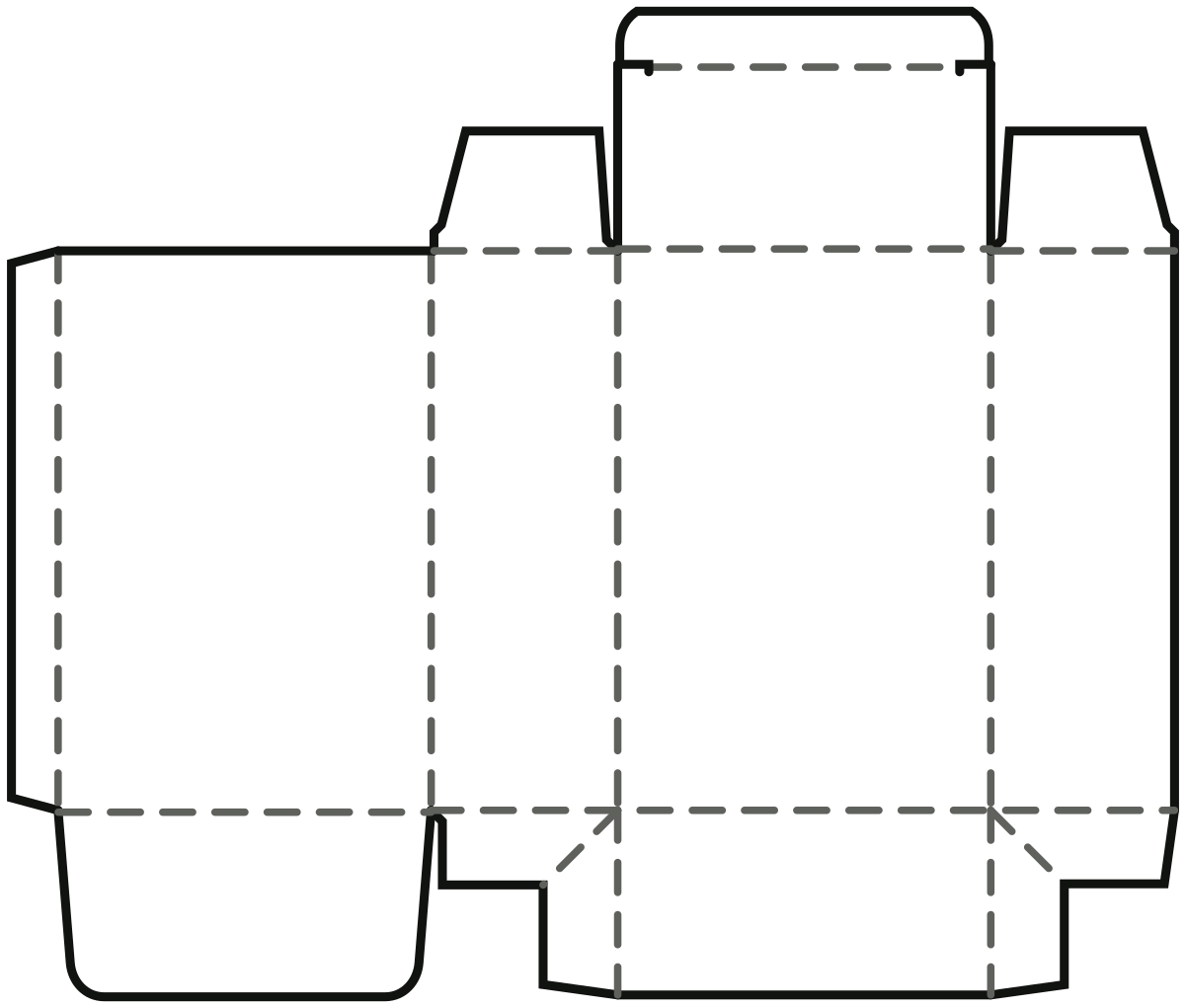

ECMA2D DIELINE3D FOLDED
Retail Product Box — Tuck Top, Joined Dust Flap Base (Model 2)
ECMA A45.20.01.03 · 4 configurable parameters
Create dieline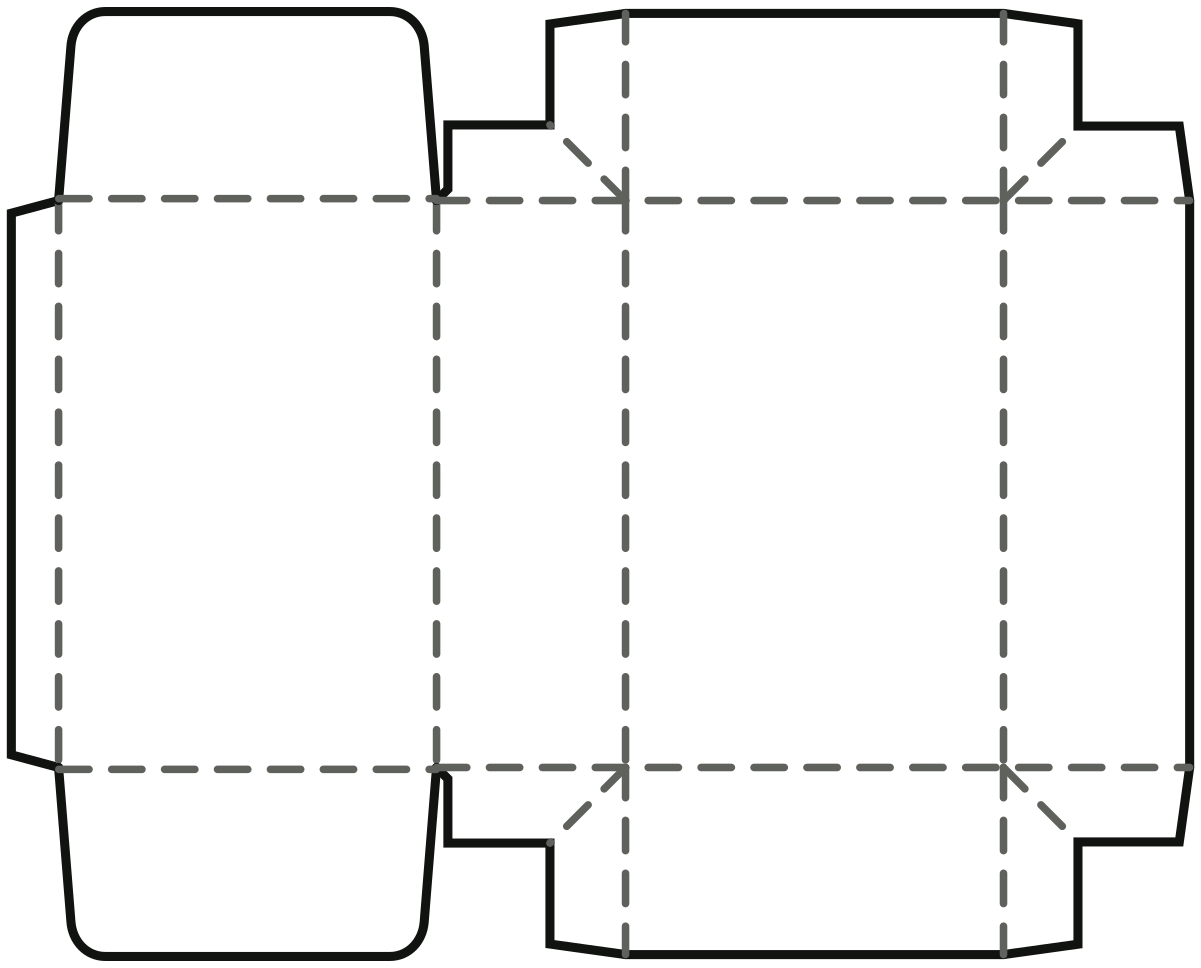

ECMA2D DIELINE3D FOLDED
Retail Product Box — Joined Dust Flap
ECMA A45.45.01.01 · 4 configurable parameters
Create dieline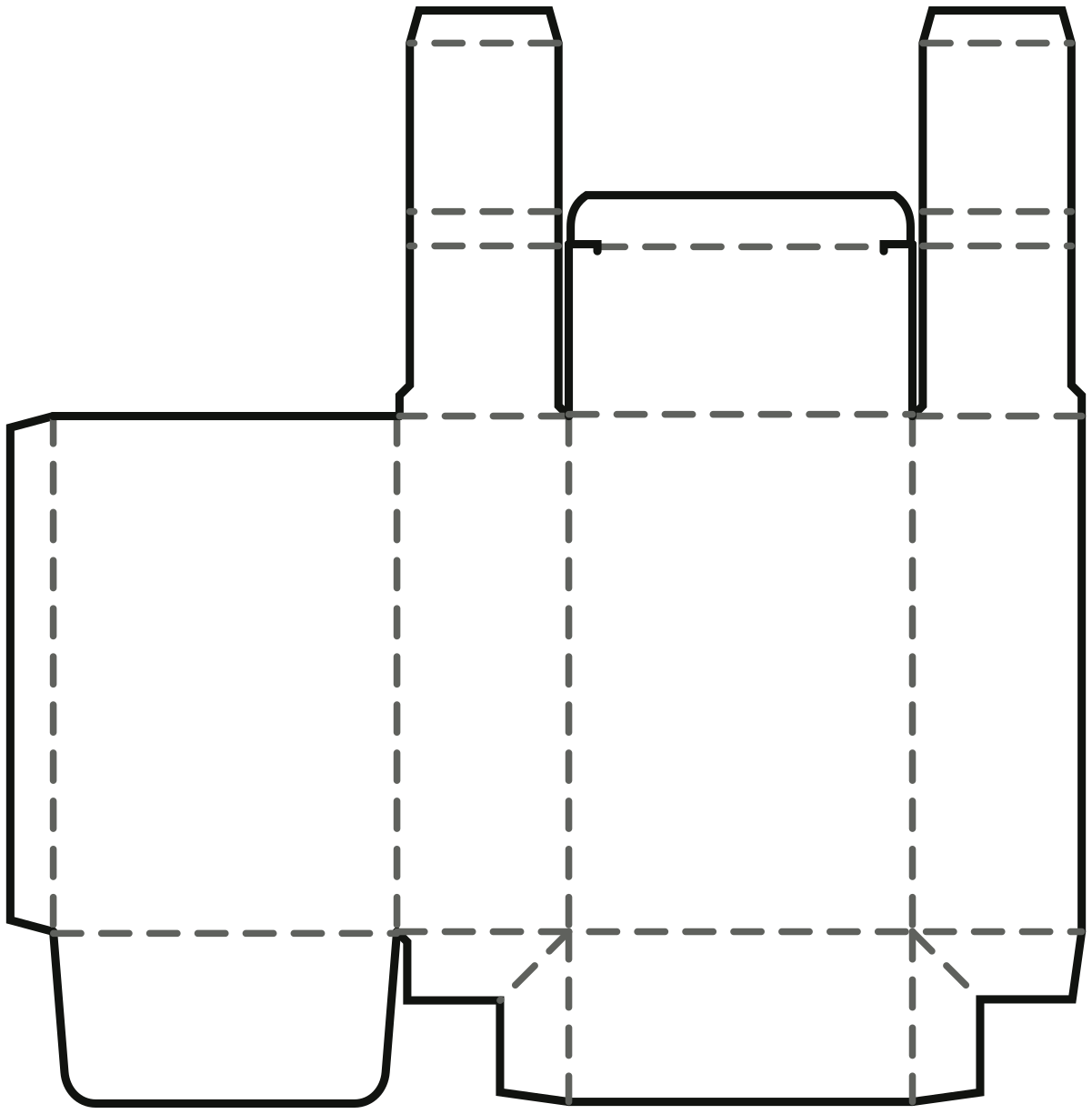

ECMA2D DIELINE3D FOLDED
Retail Product Box — Hollow Dust Flap Tuck Top, Joined Dust Flap Base
ECMA A45.80.01.03 · 5 configurable parameters
Create dieline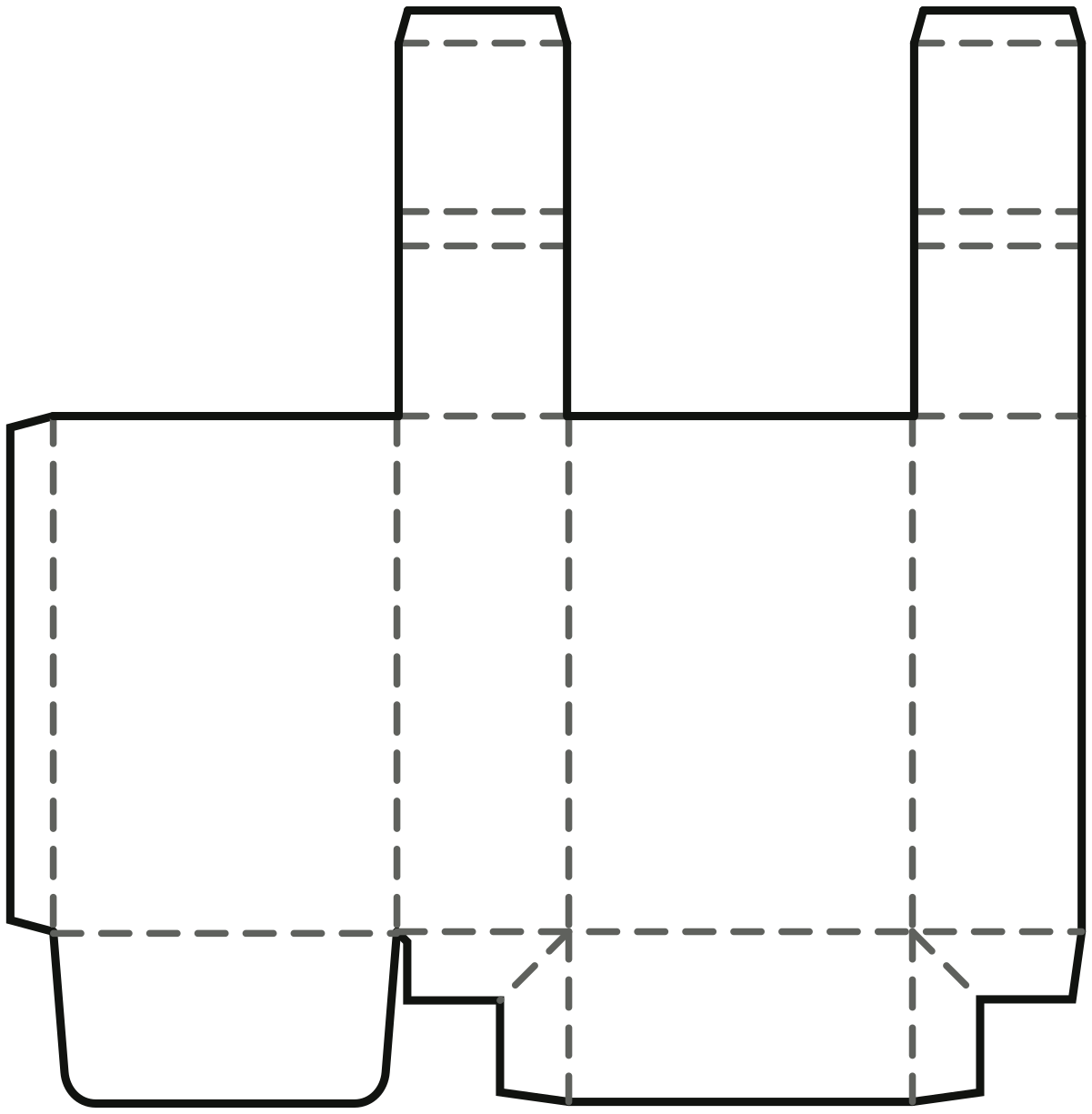

ECMA2D DIELINE3D FOLDED
Retail Product Box — Hollow Dust Flap Top, Joined Dust Flap Base
ECMA A45.81.01.00 · 5 configurable parameters
Create dieline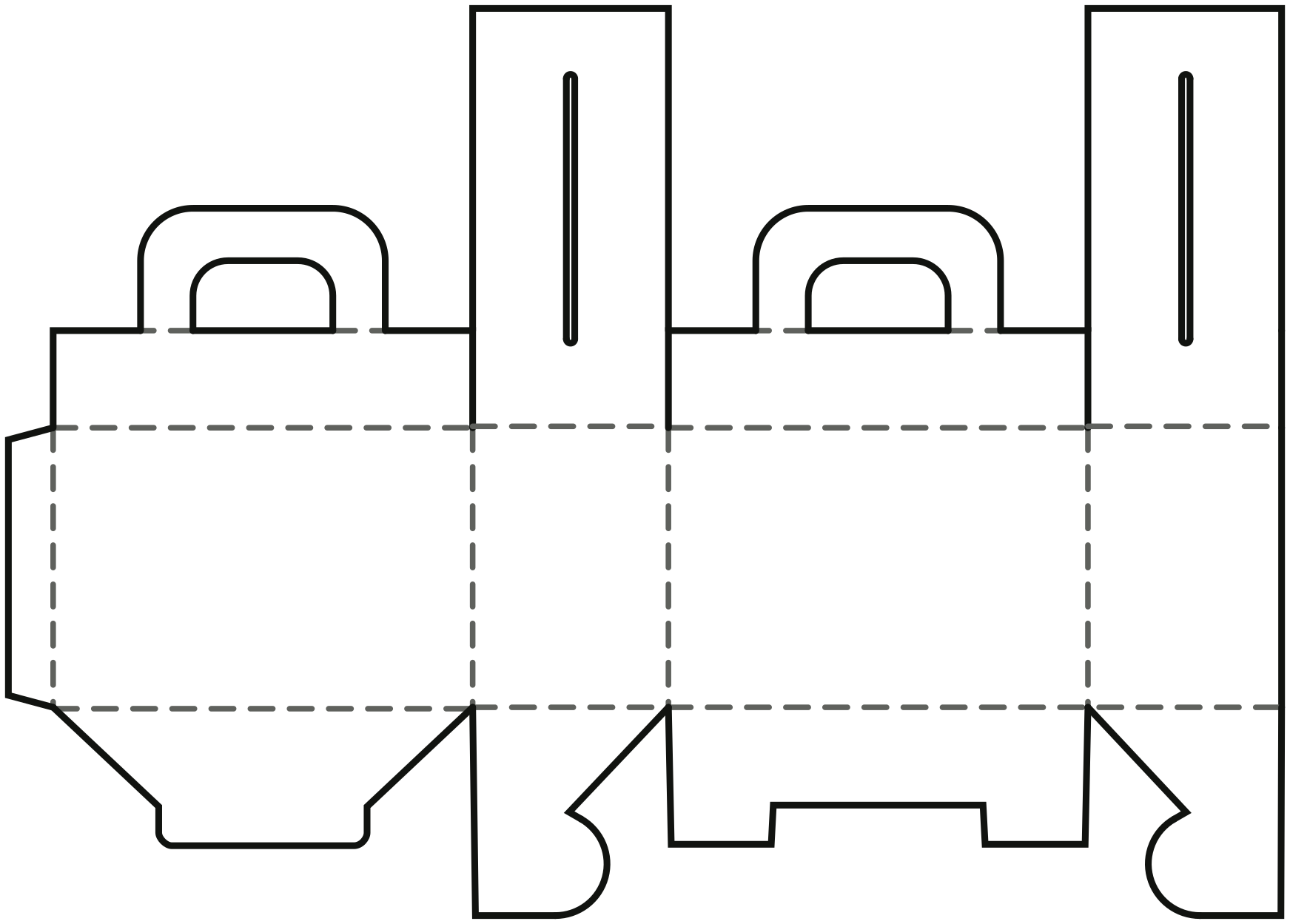
ECMA2D DIELINE3D FOLDED
Handled Carry Box — Snap-Lock Base, Carry Handle
ECMA A55.00.01.01 84 · 4 configurable parameters
Create dieline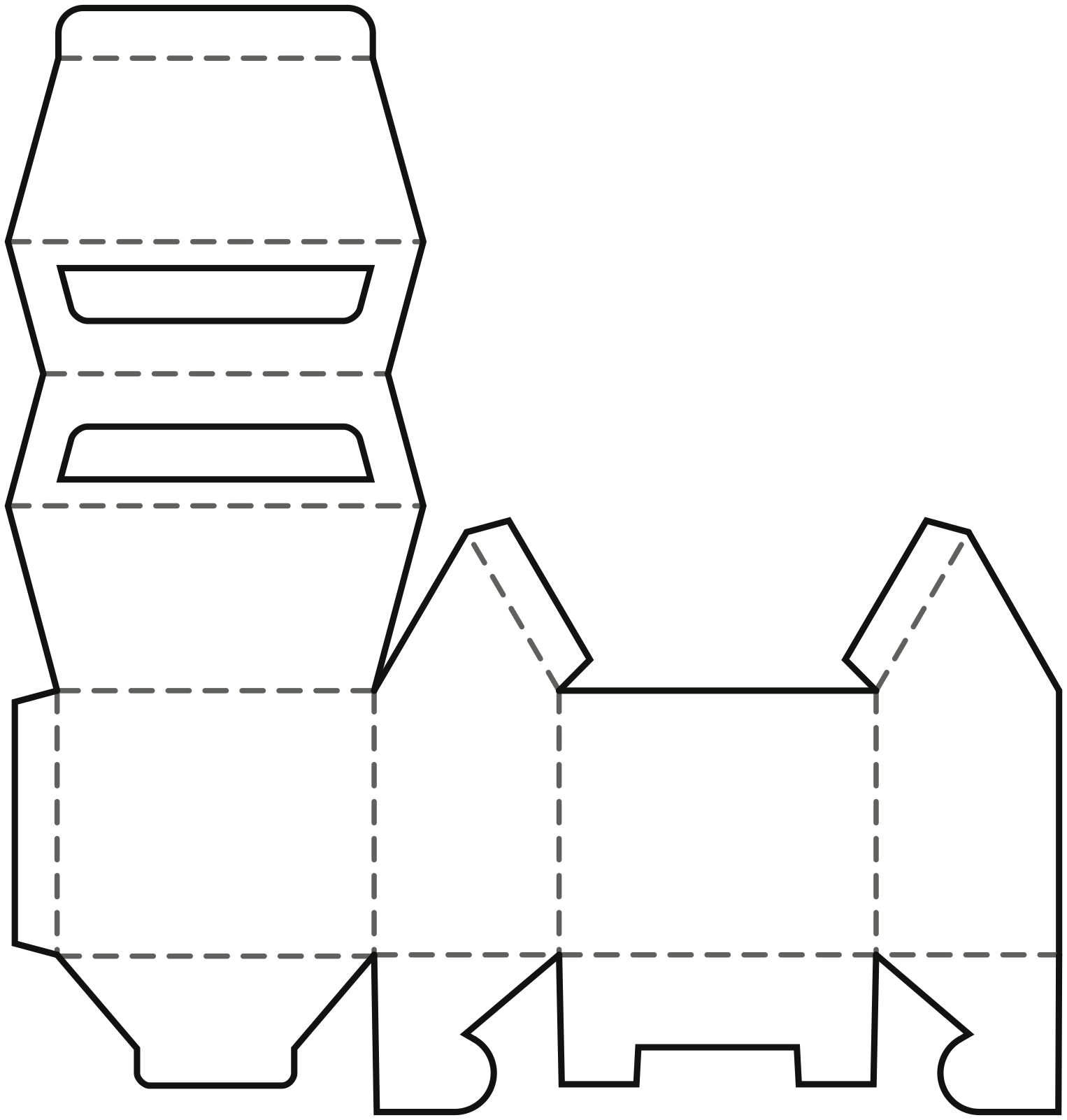
ECMA2D DIELINE3D FOLDED
Handled Carry Box — Snap-Lock Base, Gable Handle
ECMA A55.00.01.01 85 · 5 configurable parameters
Create dieline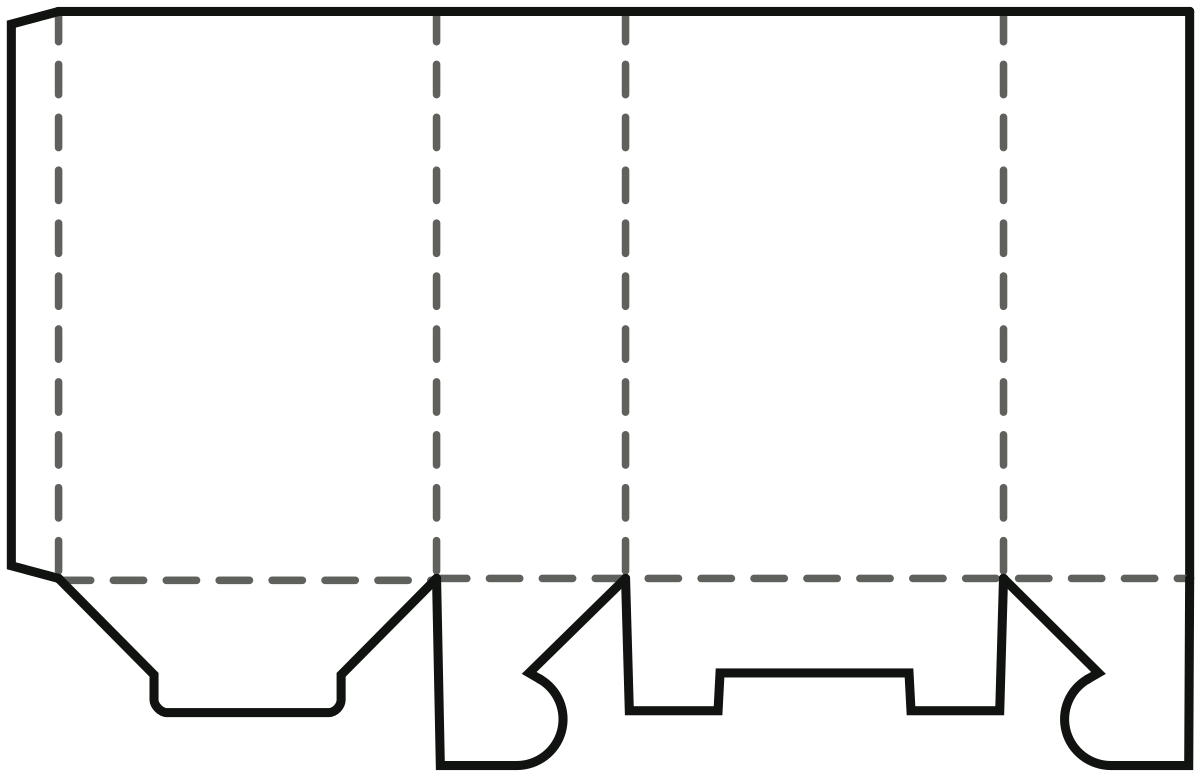
ECMA2D DIELINE3D FOLDED
Bakery & Cake Box — Open Top, Snap-Lock Base
ECMA A55.01.01.00 · 4 configurable parameters
Create dieline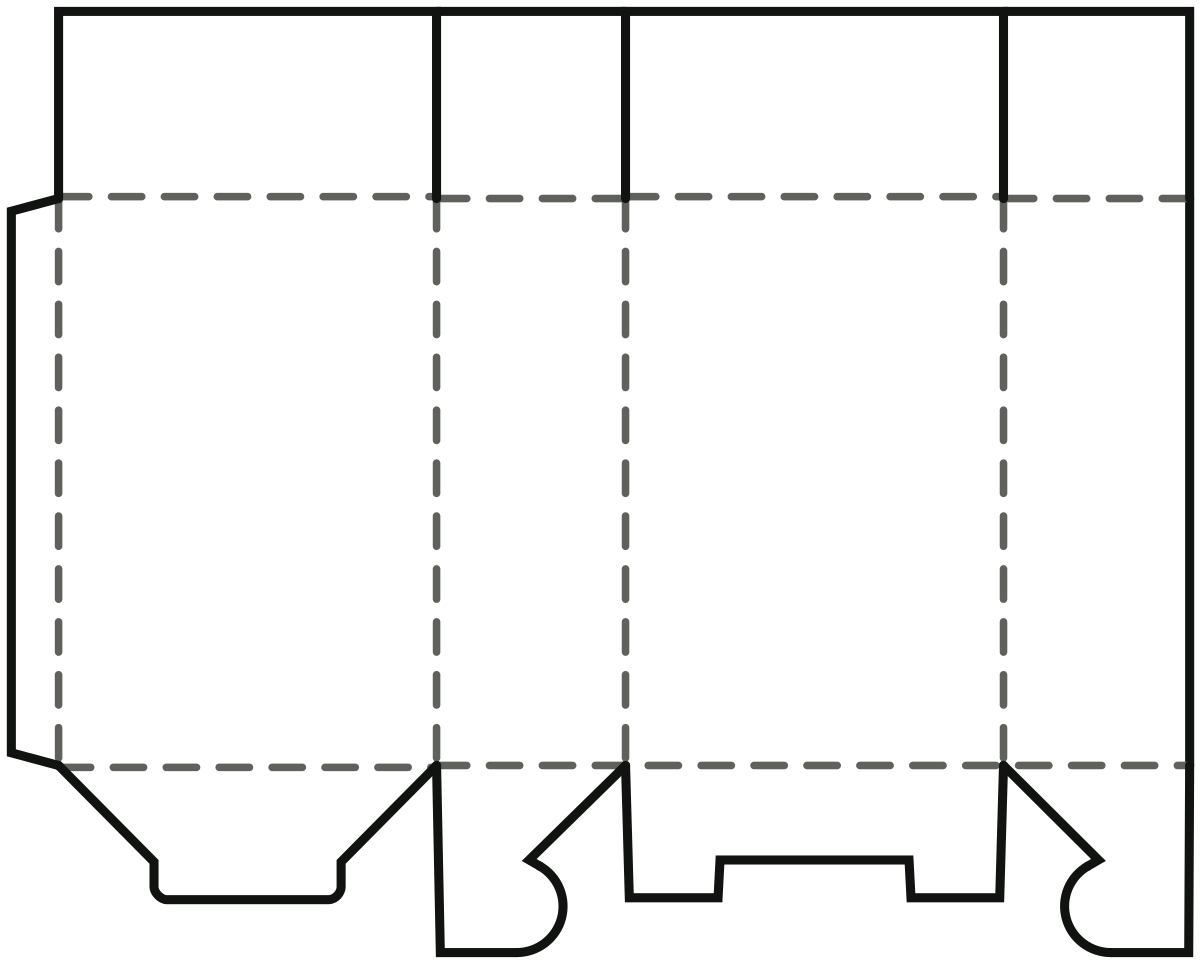
ECMA2D DIELINE3D FOLDED
Bakery & Cake Box — Full Overlap Top, Snap-Lock Base
ECMA A55.10.01.03 · 4 configurable parameters
Create dieline

ECMA2D DIELINE3D FOLDED
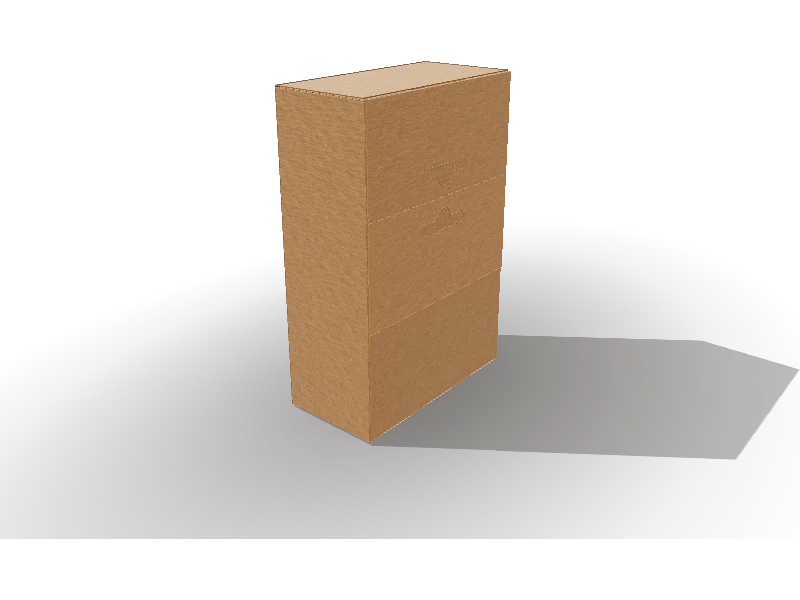
Retail Product Box — Tab-Locking Full Overlap Top, Snap-Lock Base
ECMA A55.10.01.03.32 · 4 configurable parameters
Create dieline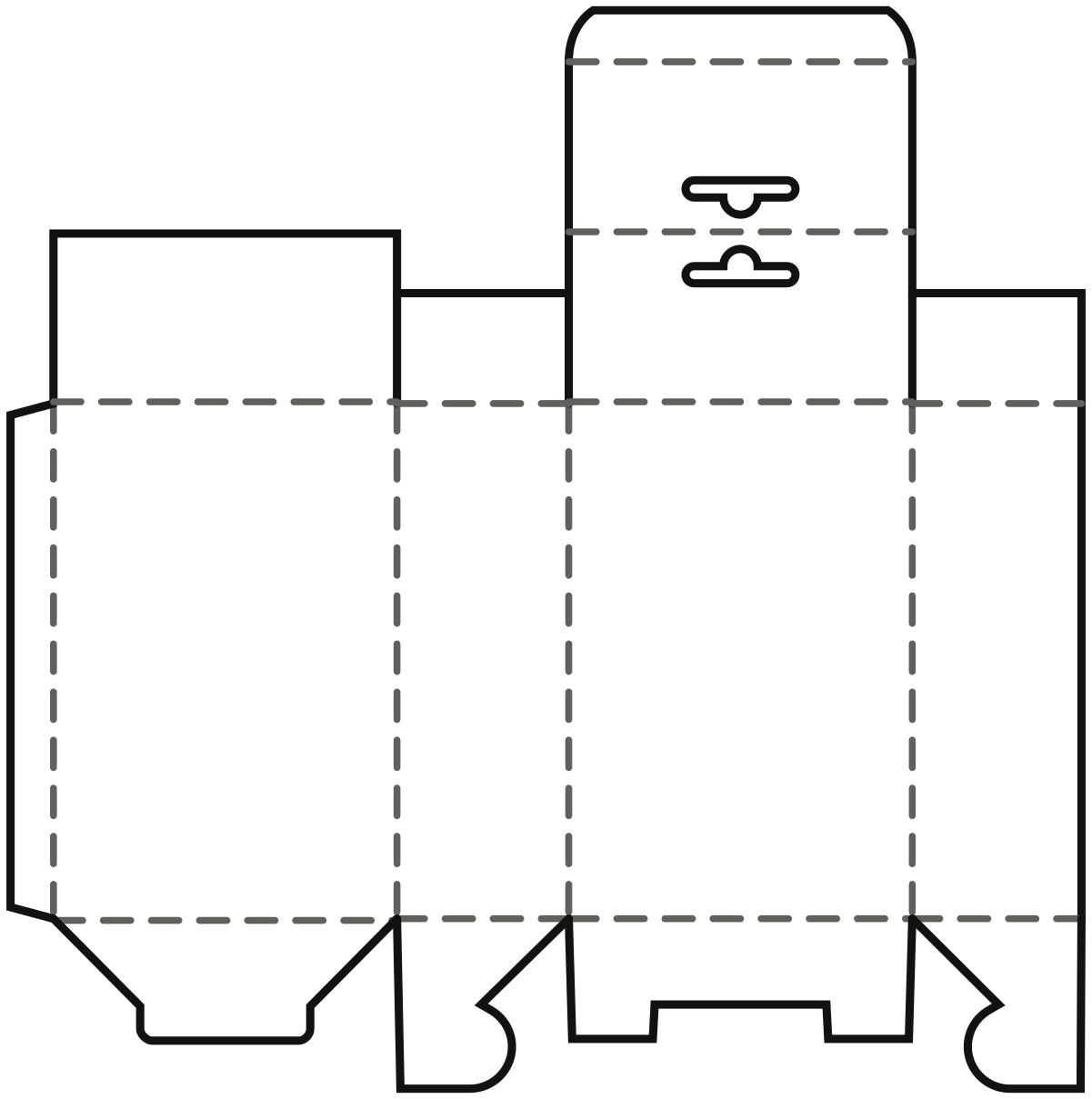
ECMA2D DIELINE3D FOLDED
Retail Product Box — Hang-Tab Full Overlap Top, Snap-Lock Base
ECMA A55.15.01.03 · 4 configurable parameters
Create dieline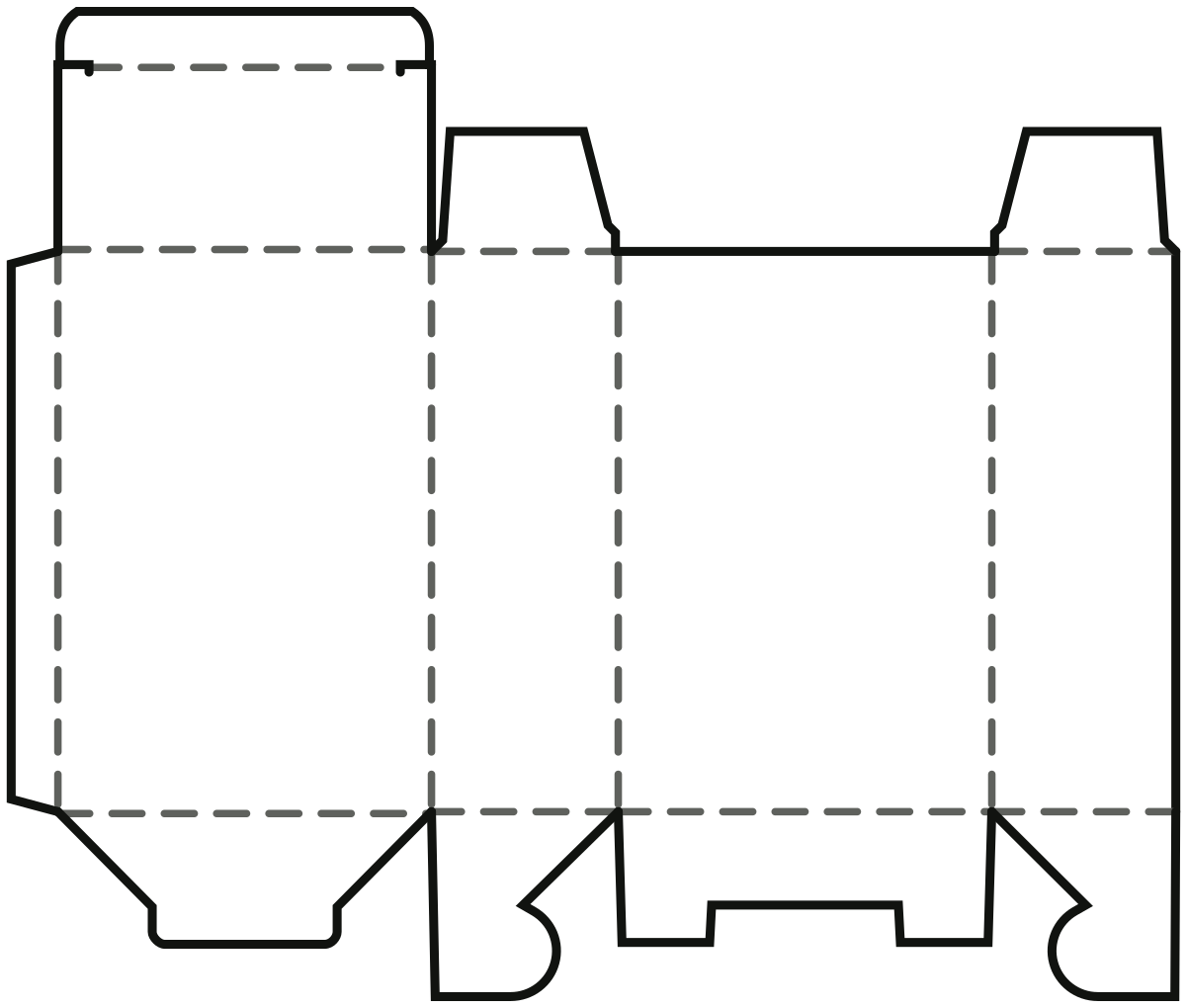

ECMA2D DIELINE3D FOLDED
Retail Product Box — Tuck Top, Snap-Lock Base
ECMA A55.20.01.01 · 4 configurable parameters
Create dieline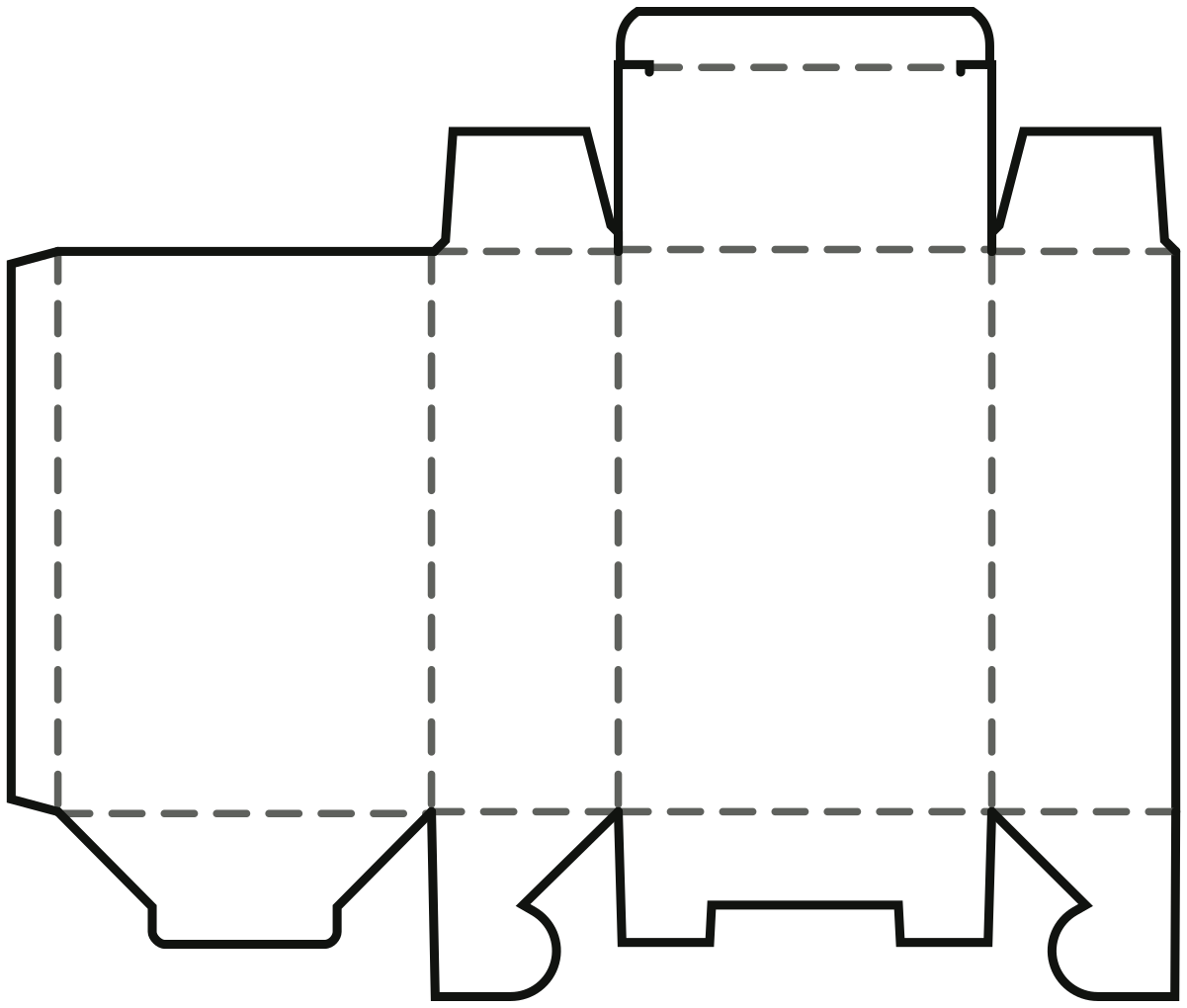

ECMA2D DIELINE3D FOLDED
Retail Product Box — Tuck Top, Snap-Lock Base (Model 2)
ECMA A55.20.01.03 · 4 configurable parameters
Create dieline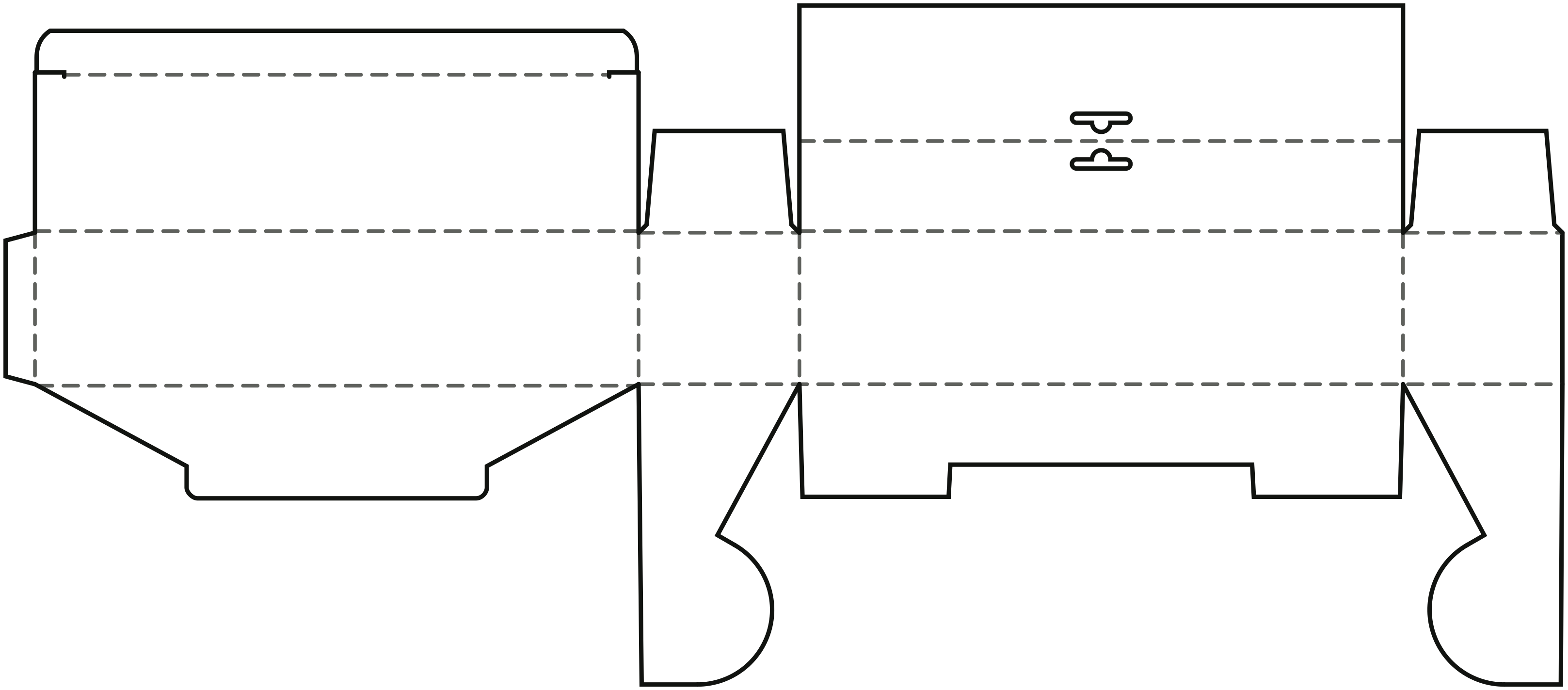
ECMA2D DIELINE3D FOLDED
Hanging Retail Box — Hang Tab, Snap-Lock Base
ECMA A55.21.01.03 · 4 configurable parameters
Create dieline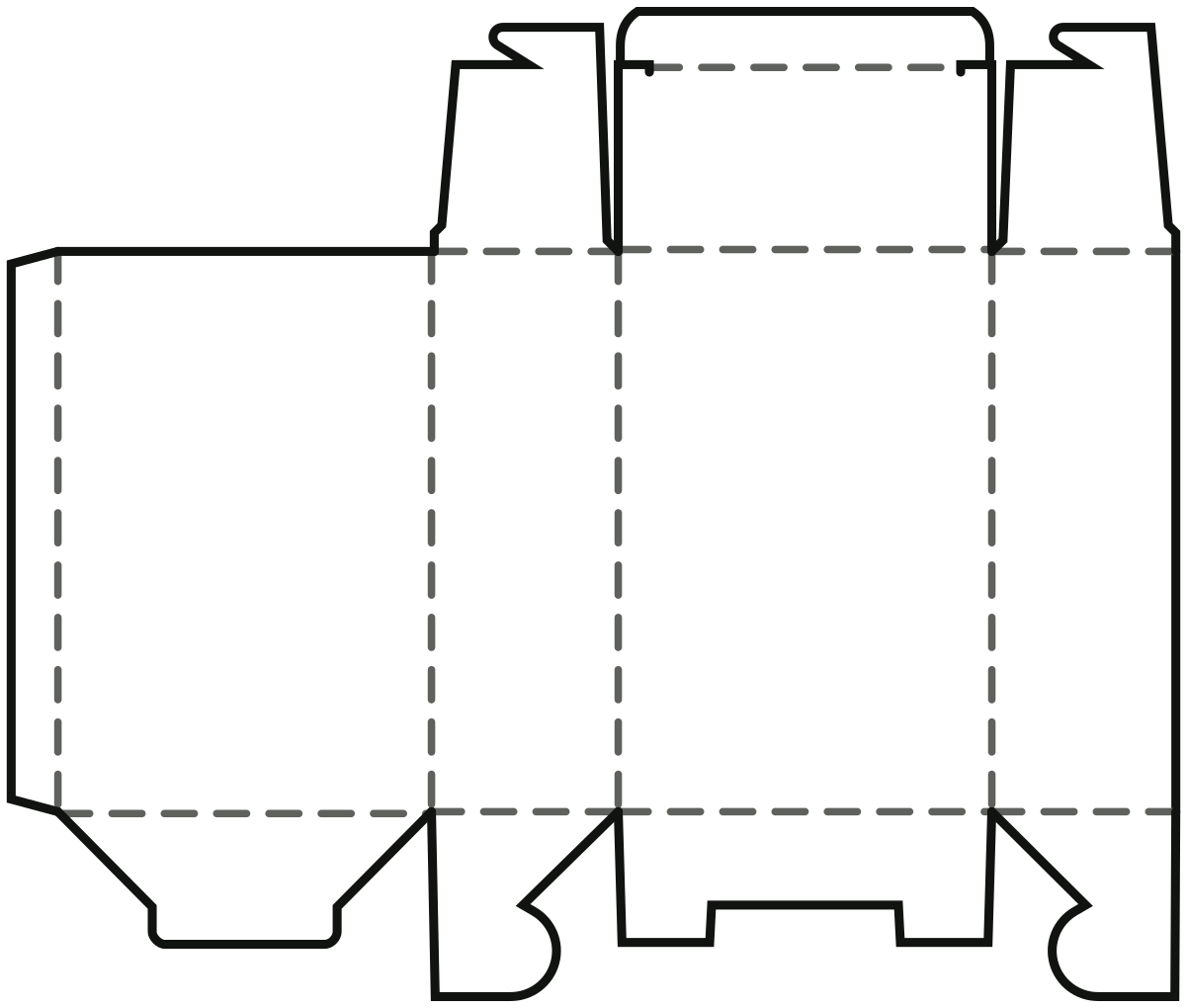

ECMA2D DIELINE3D FOLDED
Retail Product Box — Hook-Lock Tuck Top, Snap-Lock Base
ECMA A55.30.01.03 · 4 configurable parameters
Create dieline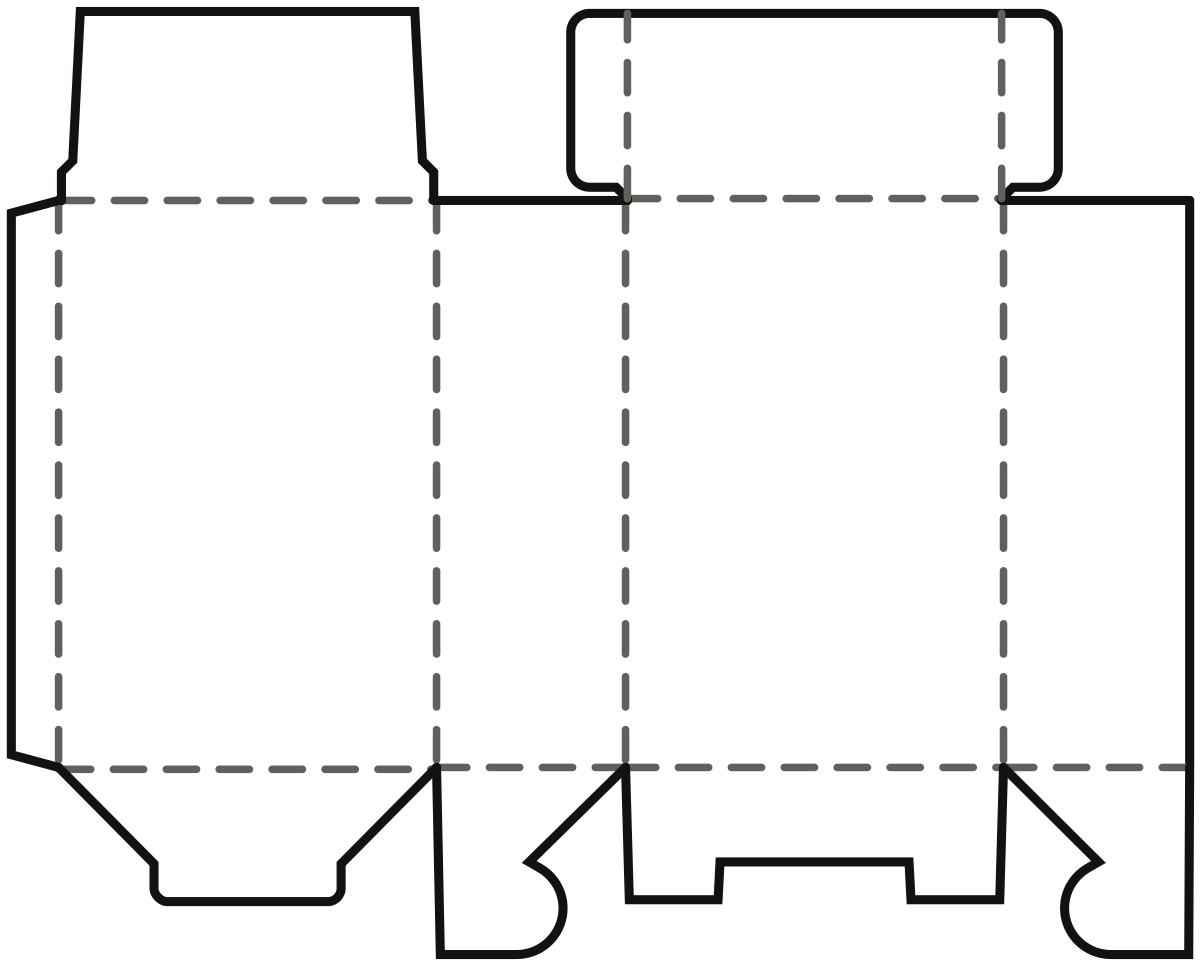

ECMA2D DIELINE3D FOLDED
Retail Product Box — Side Tuck Top, Snap-Lock Base
ECMA A55.40.01.03 · 4 configurable parameters
Create dieline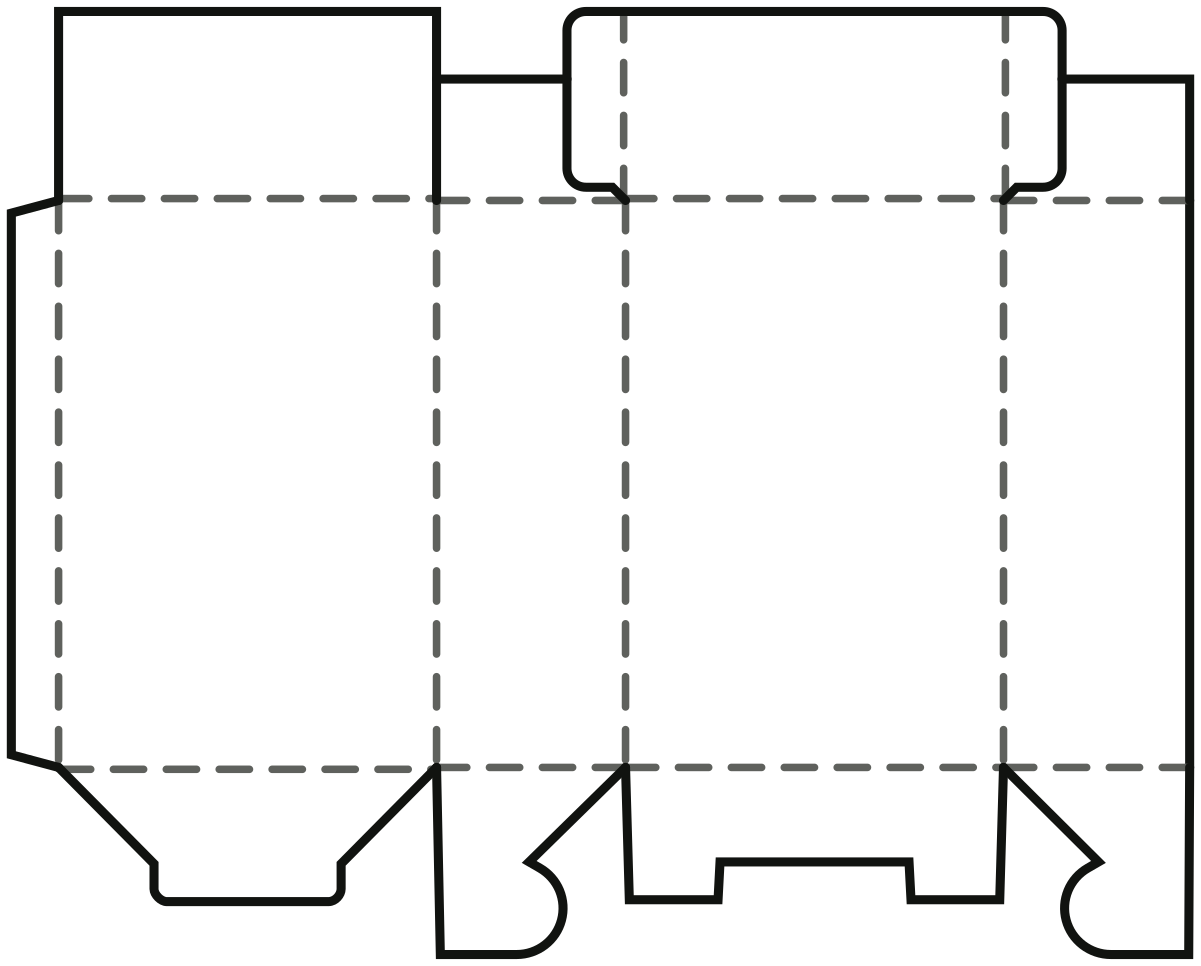

ECMA2D DIELINE3D FOLDED
Retail Product Box — Winged Side-Tuck Top, Snap-Lock Base
ECMA A55.41.01.03 · 4 configurable parameters
Create dieline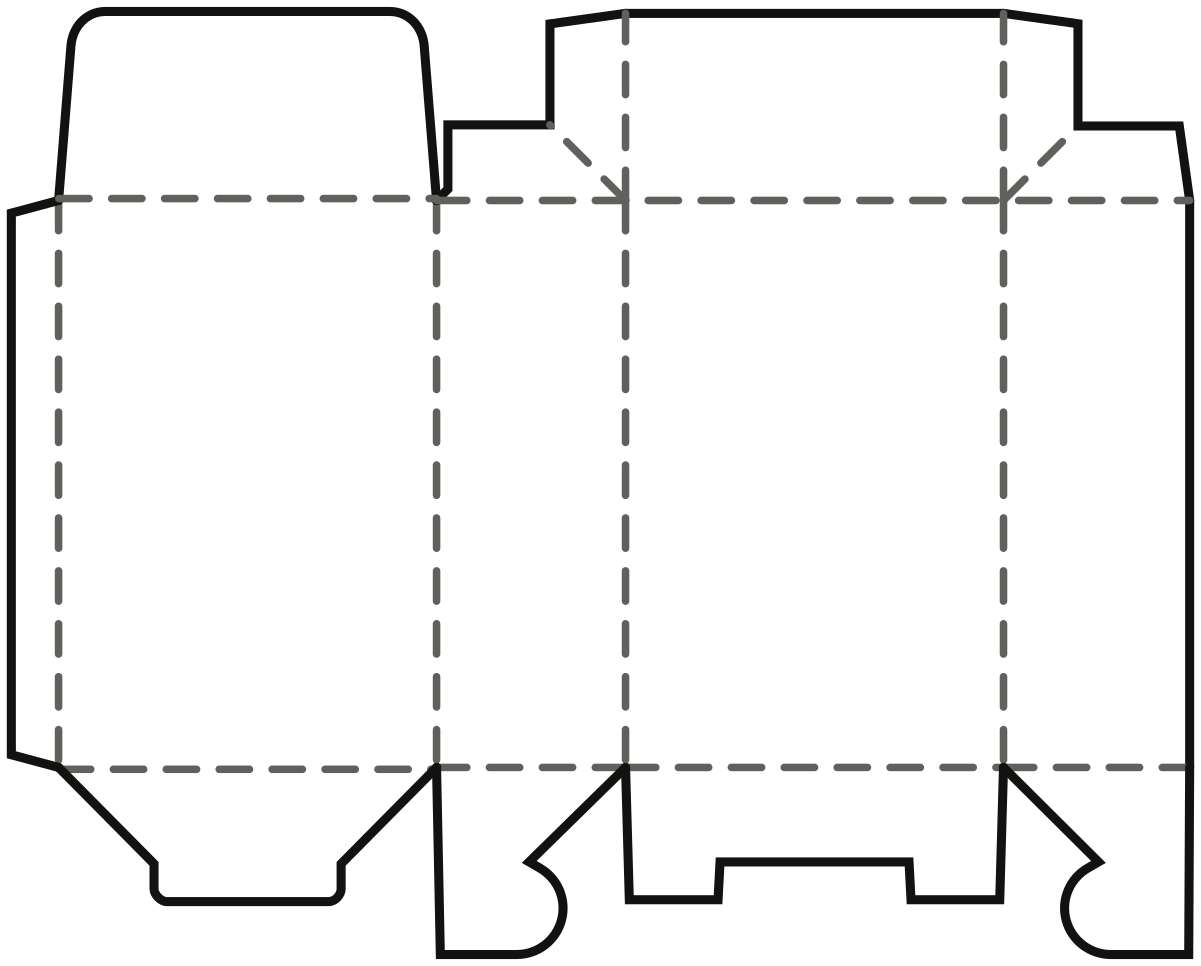

ECMA2D DIELINE3D FOLDED
Retail Product Box — Joined Dust Flap Top, Snap-Lock Base
ECMA A55.45.01.01 · 4 configurable parameters
Create dieline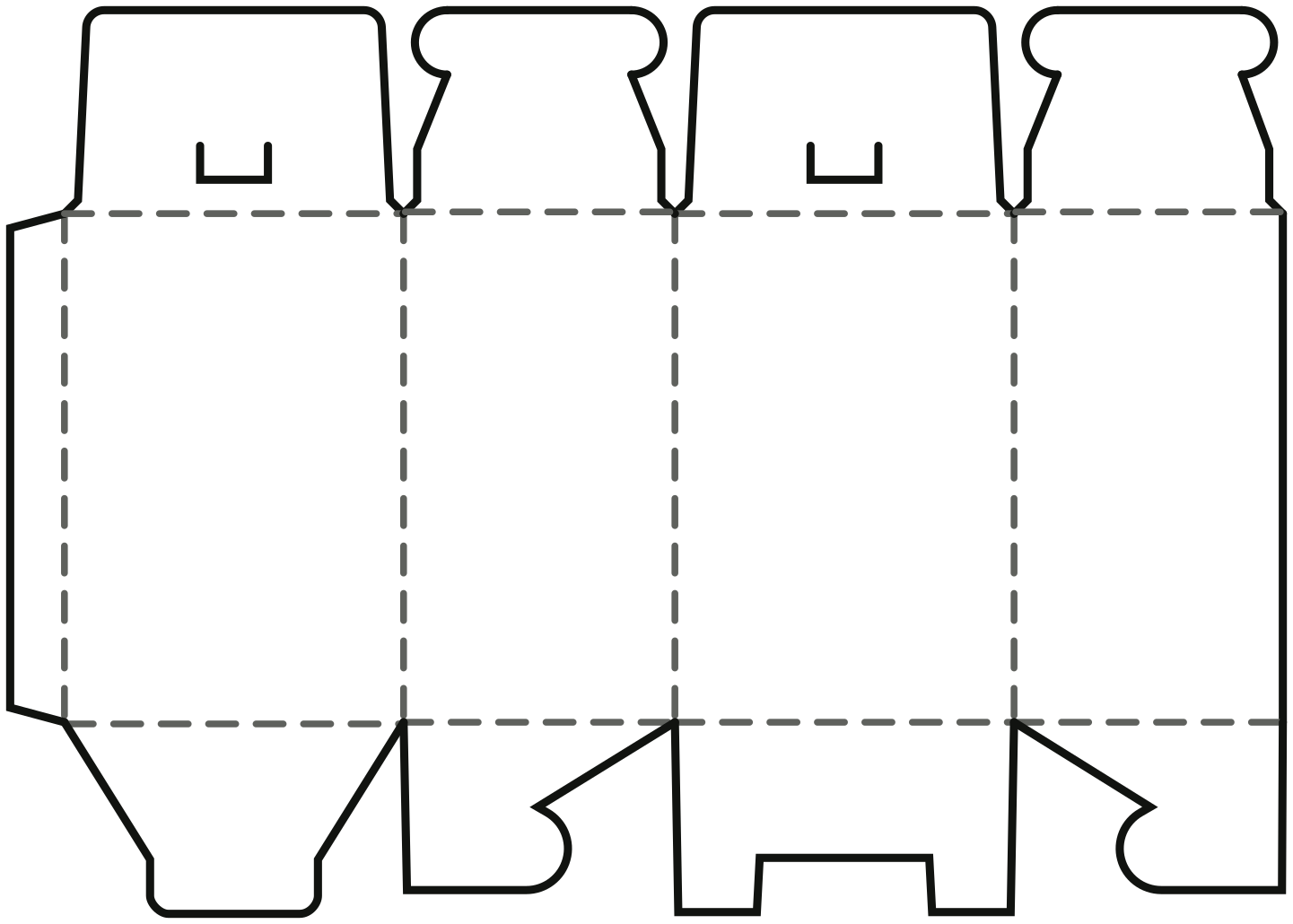

ECMA2D DIELINE3D FOLDED
Retail Product Box — Claw Lock Top, Snap-Lock Base
ECMA A55.50.01.00 · 4 configurable parameters
Create dieline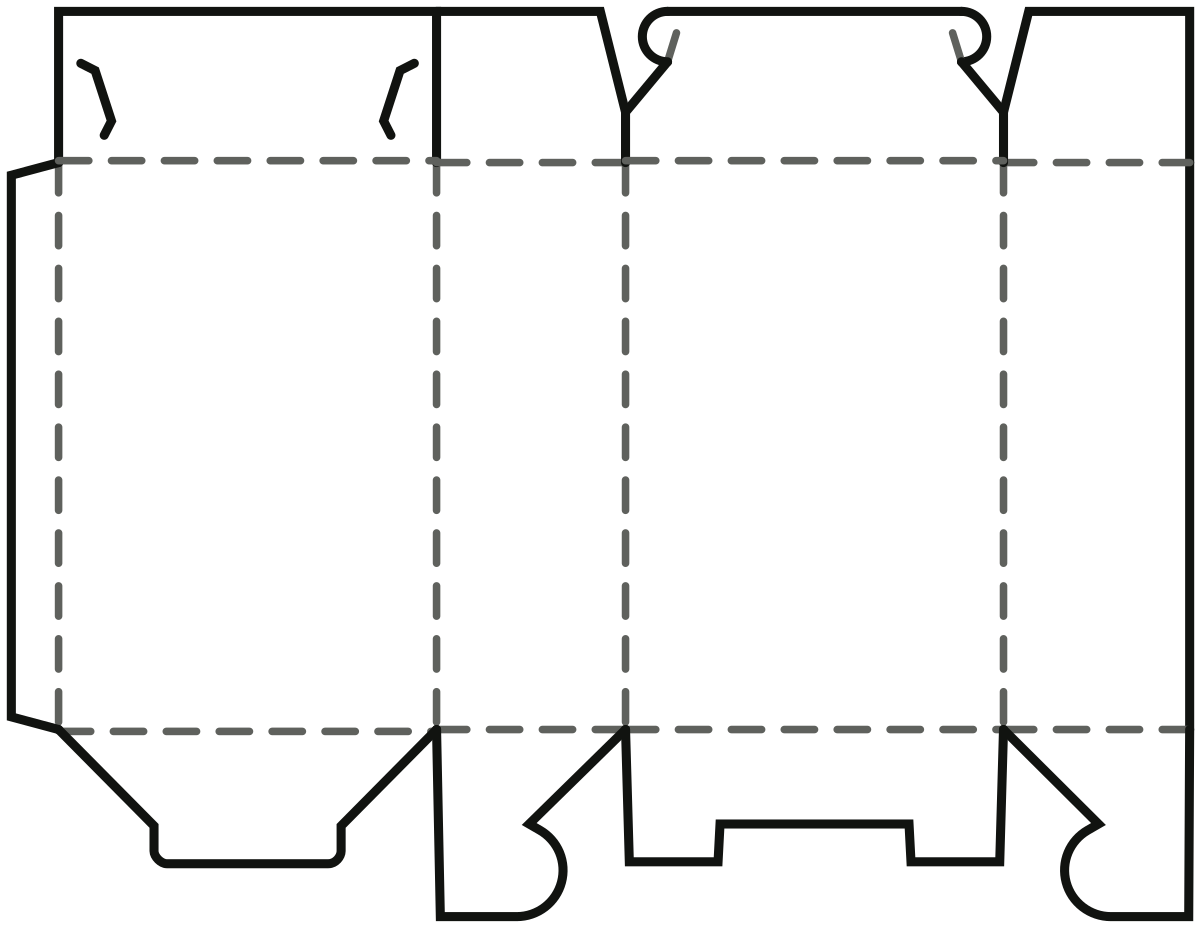

ECMA2D DIELINE3D FOLDED
Retail Product Box — Claw Lock Top, Snap-Lock Base (Model 2)
ECMA A55.50.01.03 · 4 configurable parameters
Create dieline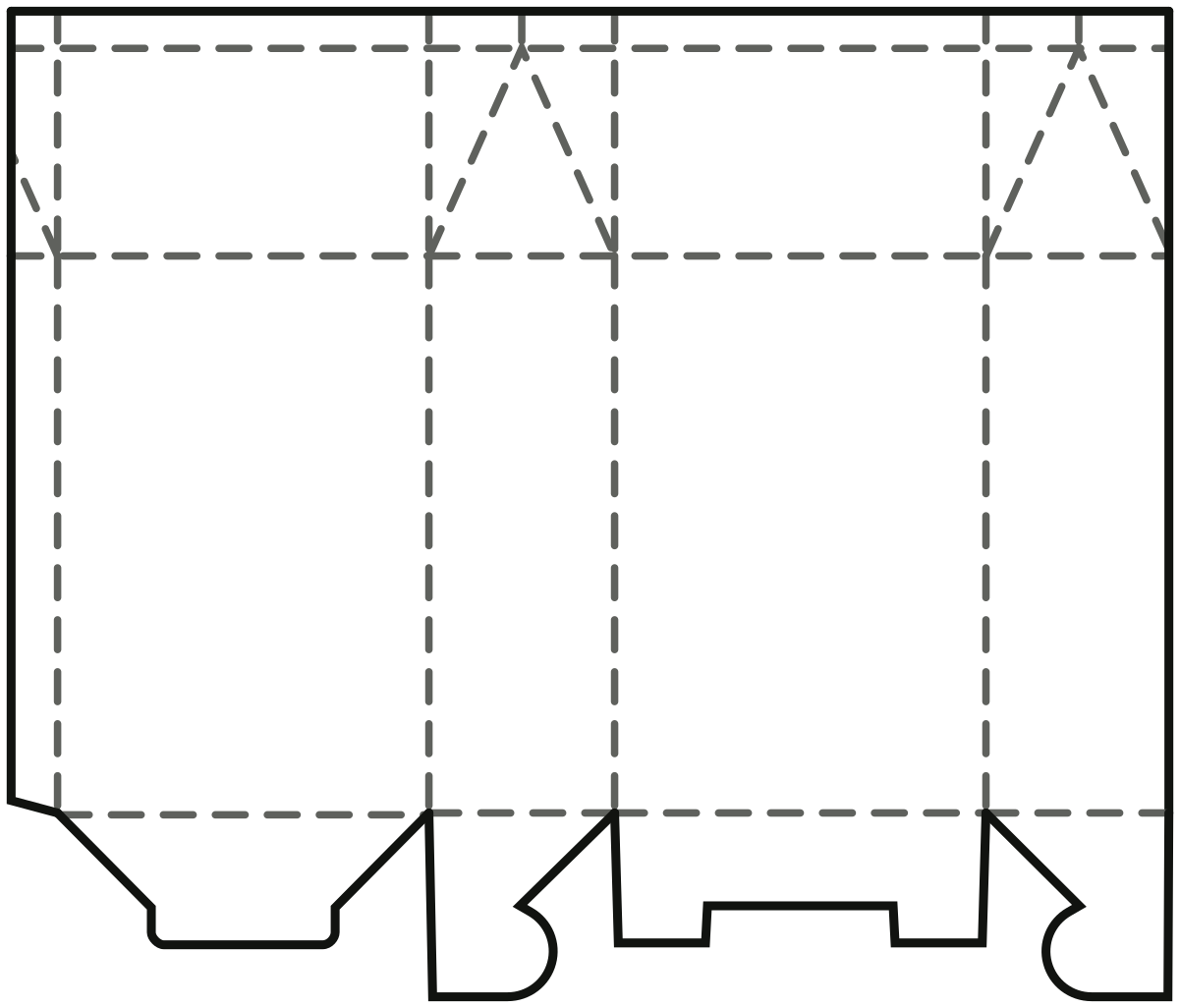

ECMA2D DIELINE3D FOLDED
Retail Product Box — Sealed Top, Snap-Lock Base
ECMA A55.70.01.00 · 5 configurable parameters
Create dieline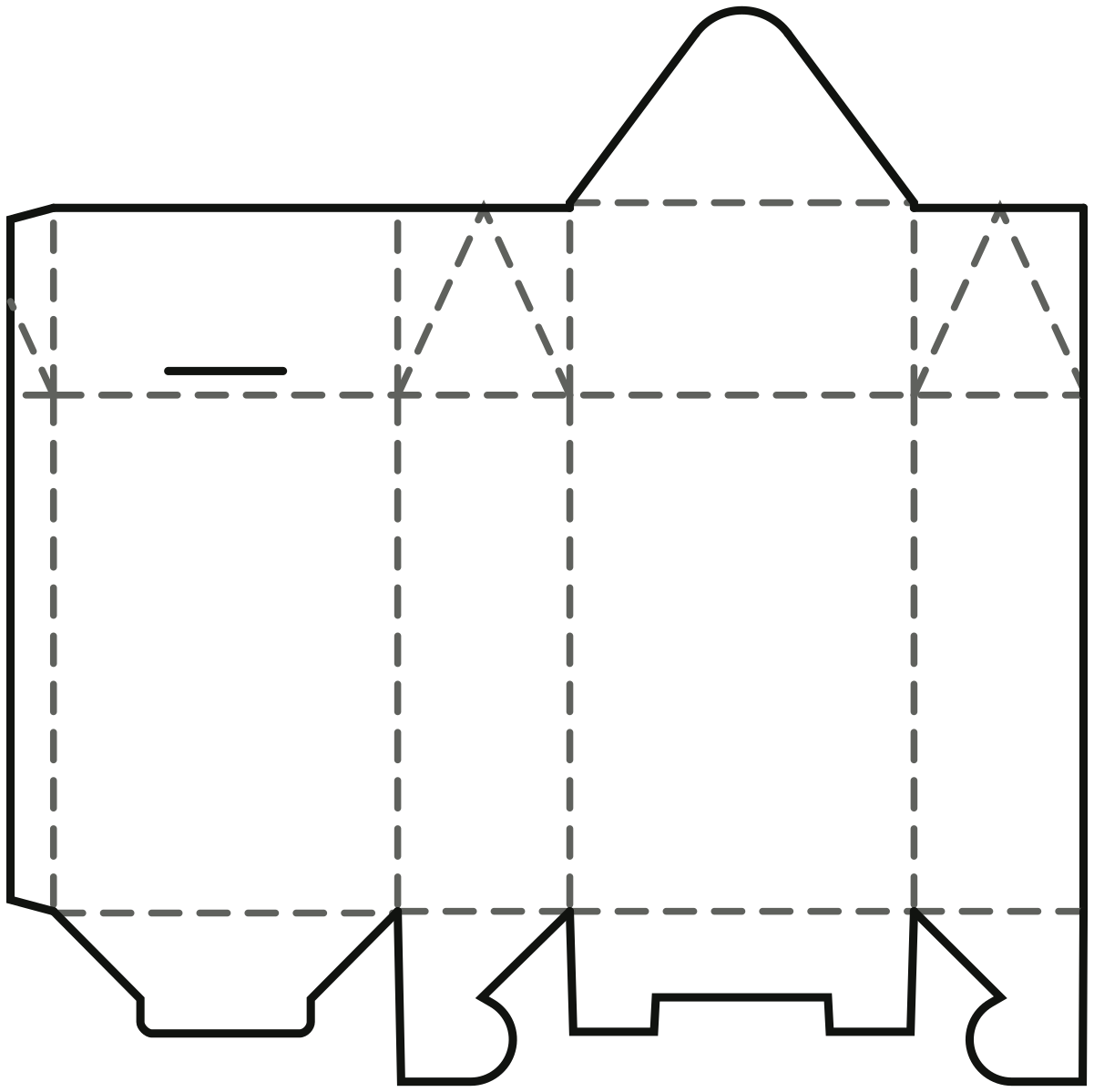

ECMA2D DIELINE3D FOLDED
Retail Product Box — Gable Top (Model 2)
ECMA A55.75.01.03 · 5 configurable parameters
Create dieline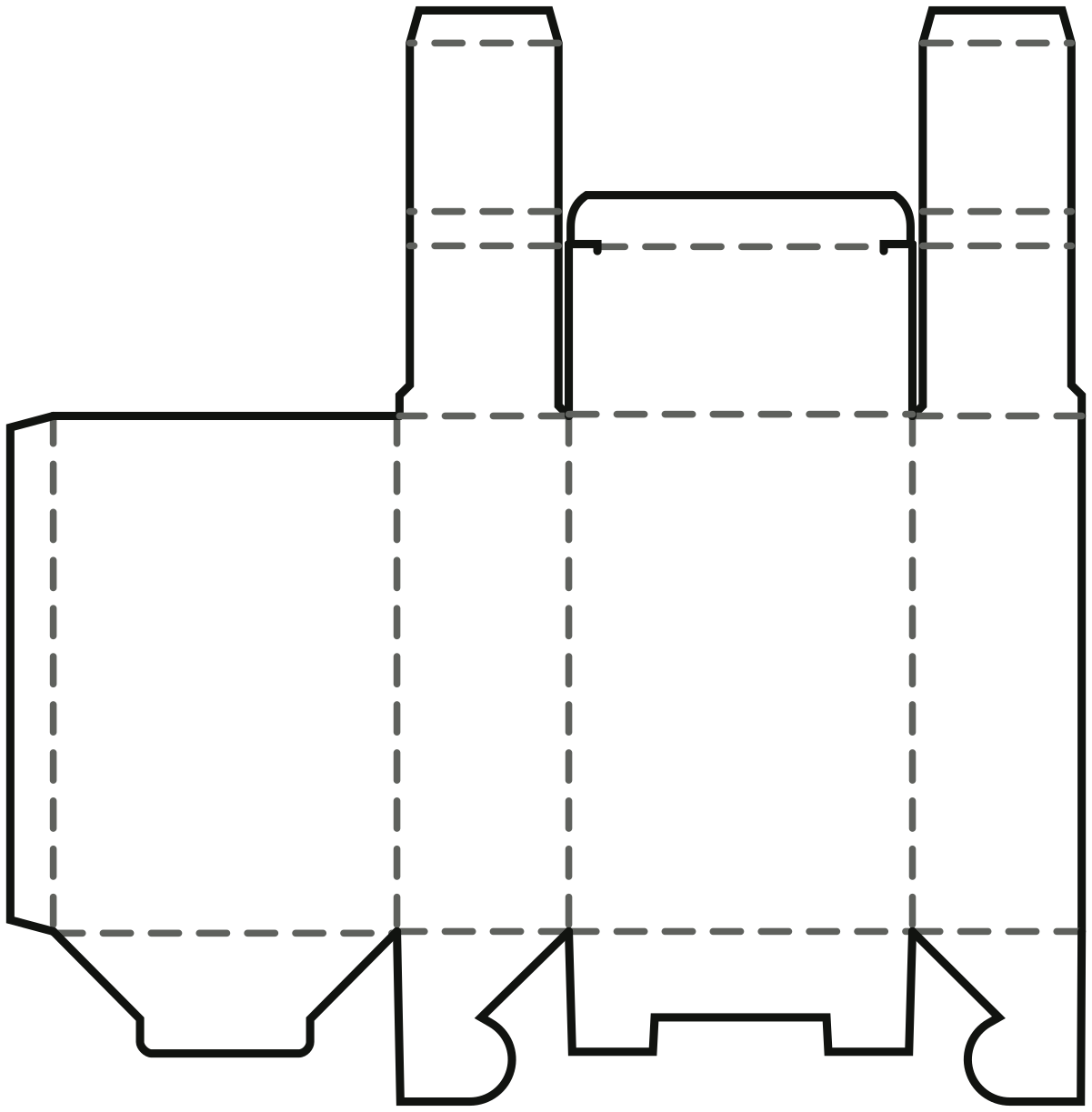

ECMA2D DIELINE3D FOLDED
Retail Product Box — Hollow Dust Flap Tuck Top, Snap-Lock Base
ECMA A55.80.01.03 · 5 configurable parameters
Create dieline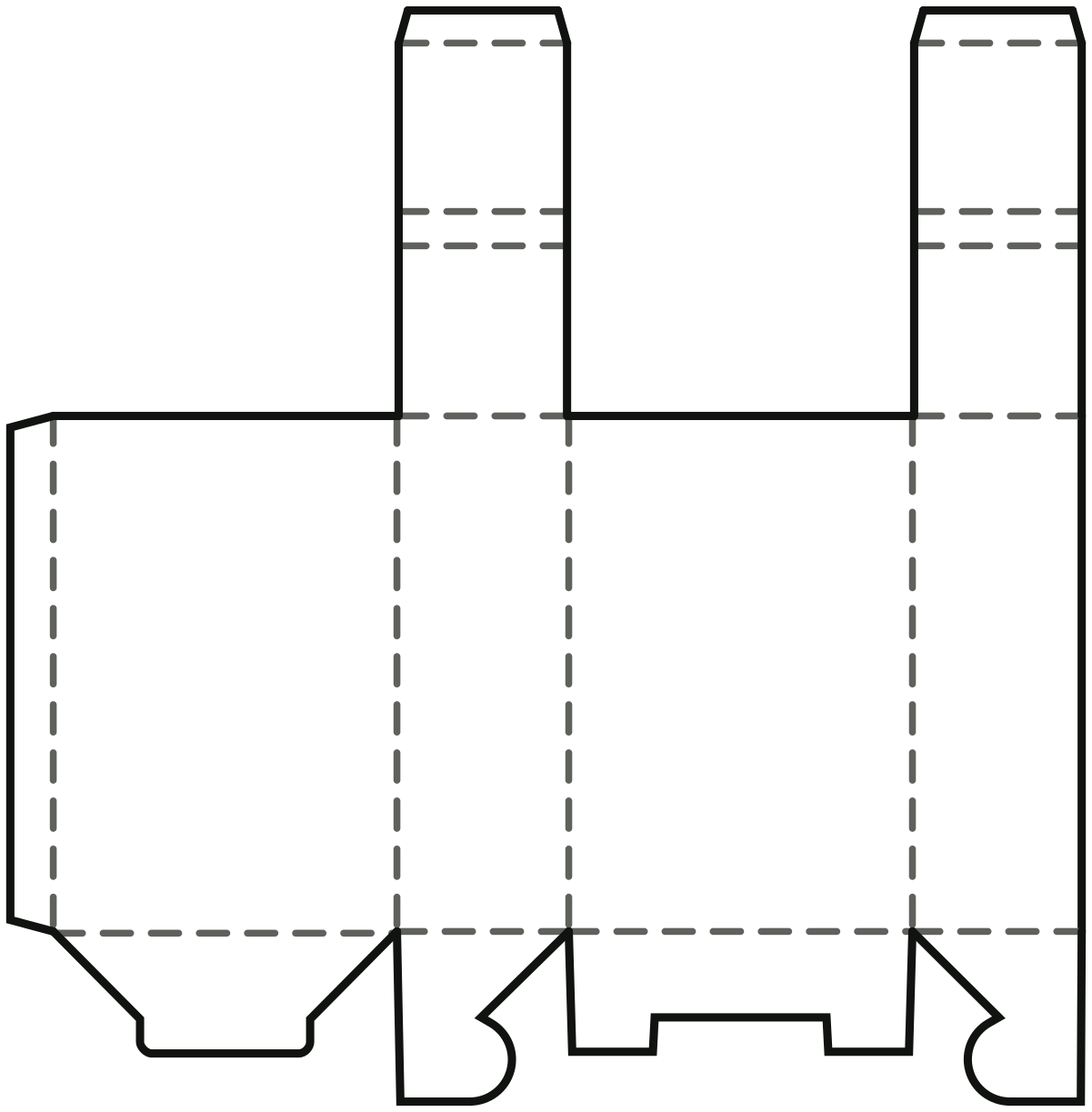

ECMA2D DIELINE3D FOLDED
Retail Product Box — Hollow Dust Flap Top, Snap-Lock Base
ECMA A55.81.01.00 · 5 configurable parameters
Create dieline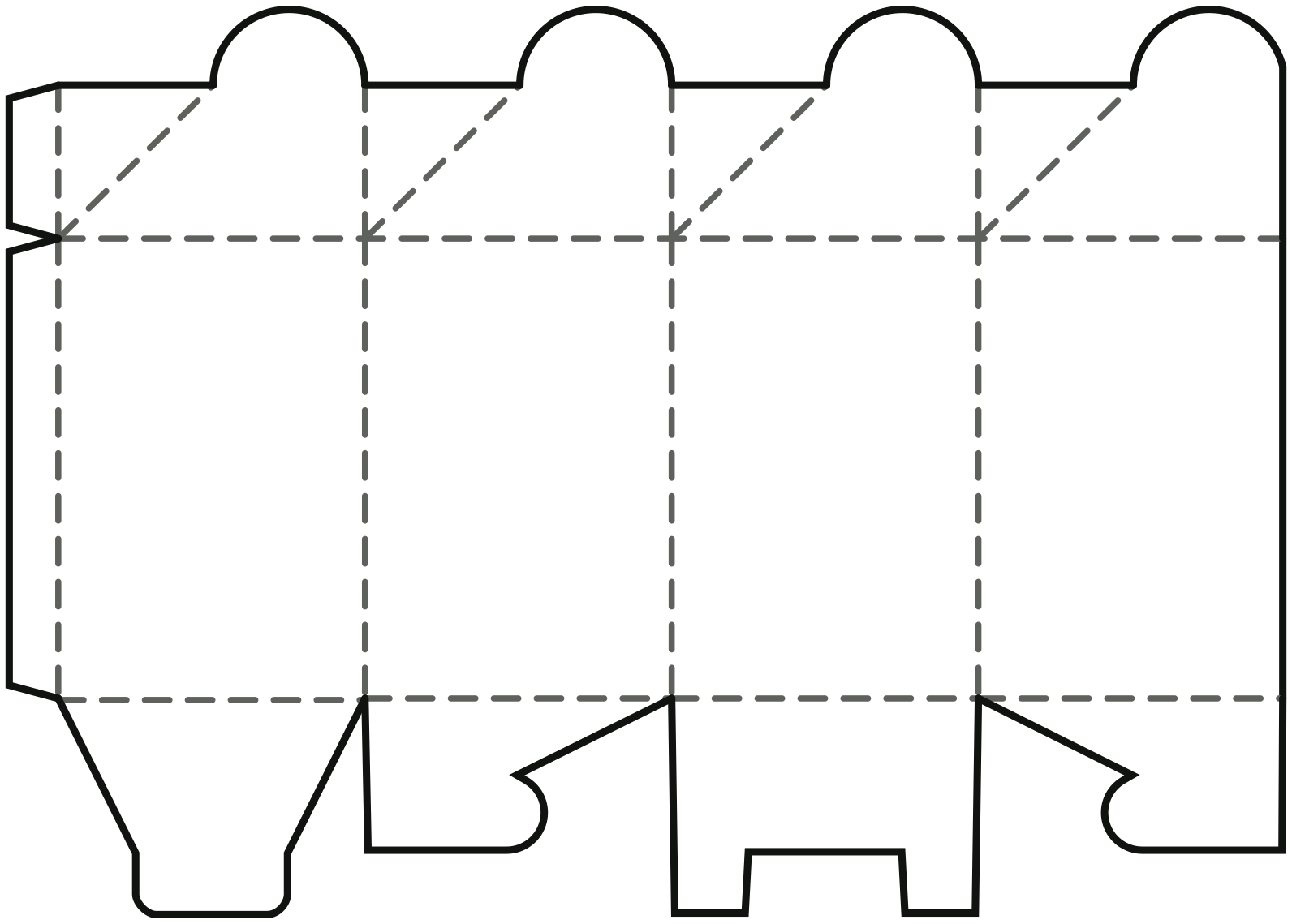

ECMA2D DIELINE3D FOLDED
Retail Product Box — Webbed Rosette Top, Snap-Lock Base
ECMA A55.82.01.00 · 3 configurable parameters
Create dieline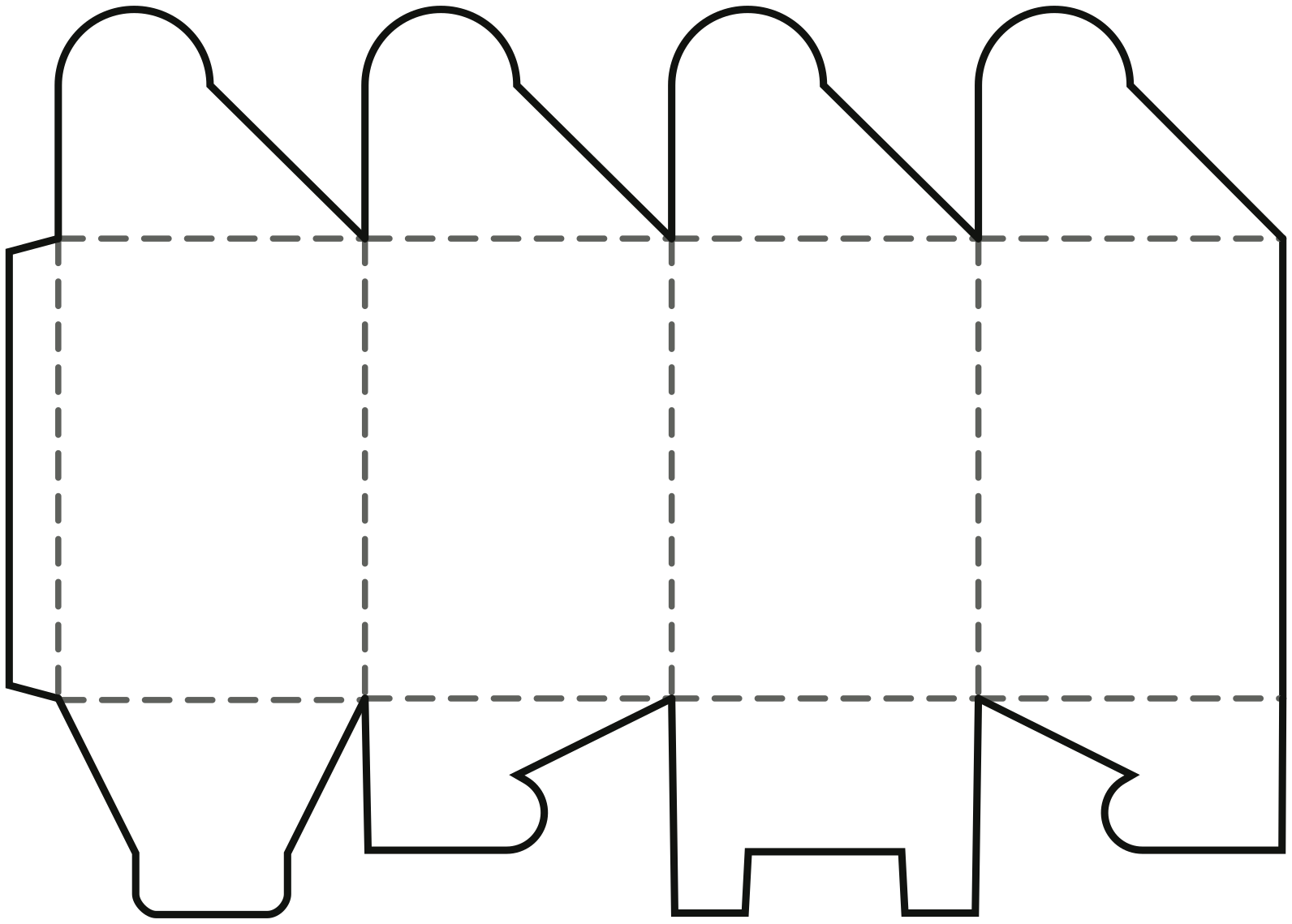

ECMA2D DIELINE3D FOLDED
Retail Product Box — Rosette Top, Snap-Lock Base
ECMA A55.83.01.00 · 3 configurable parameters
Create dieline

ECMA2D DIELINE3D FOLDED
Retail Product Box — Open Top, Auto-Lock Base
ECMA A60.01.01.00 · 4 configurable parameters
Create dieline

ECMA2D DIELINE3D FOLDED
Retail Product Box — Full Overlap Top, Auto-Lock Base
ECMA A60.10.01.03 · 4 configurable parameters
Create dieline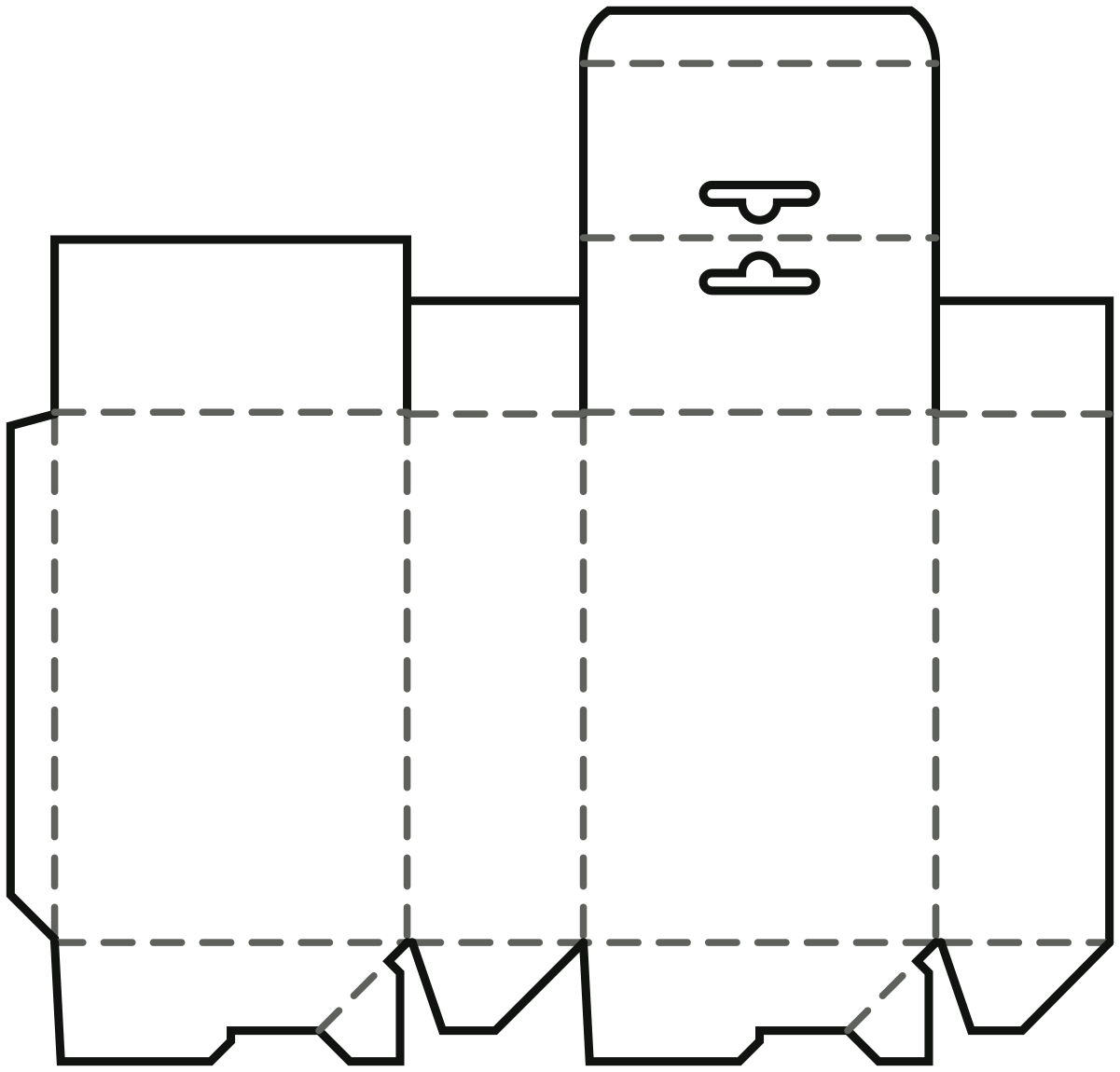
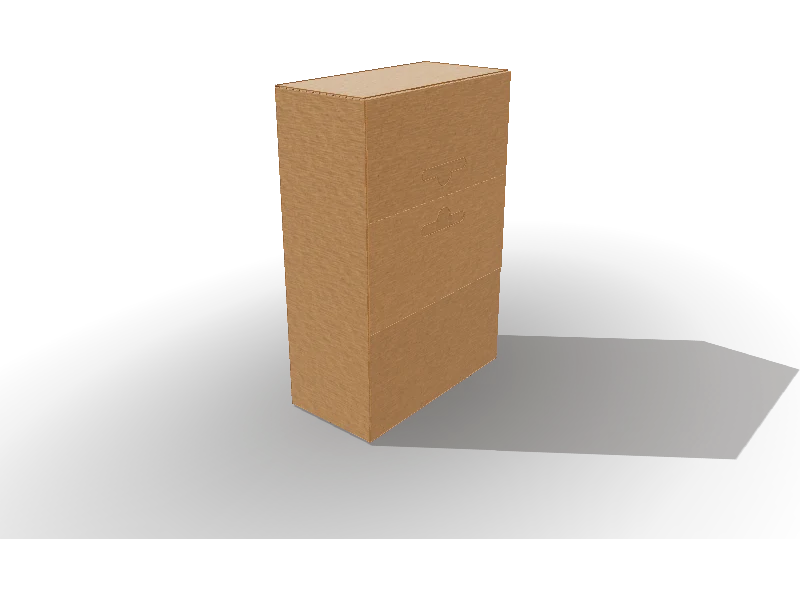
ECMA2D DIELINE3D FOLDED
Retail Product Box — Hang-Tab Full Overlap Top, Auto-Lock Base
ECMA A60.15.01.03 · 4 configurable parameters
Create dieline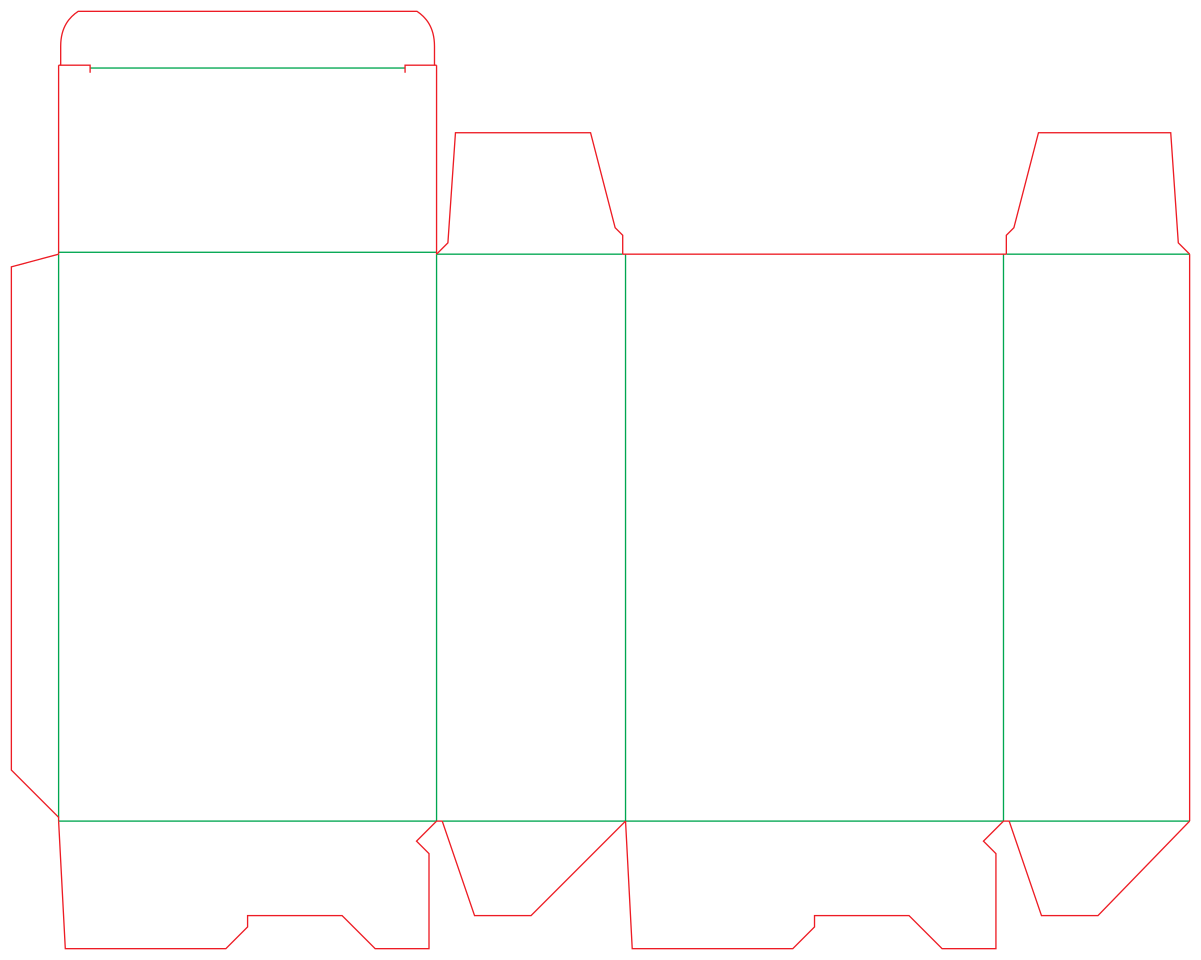
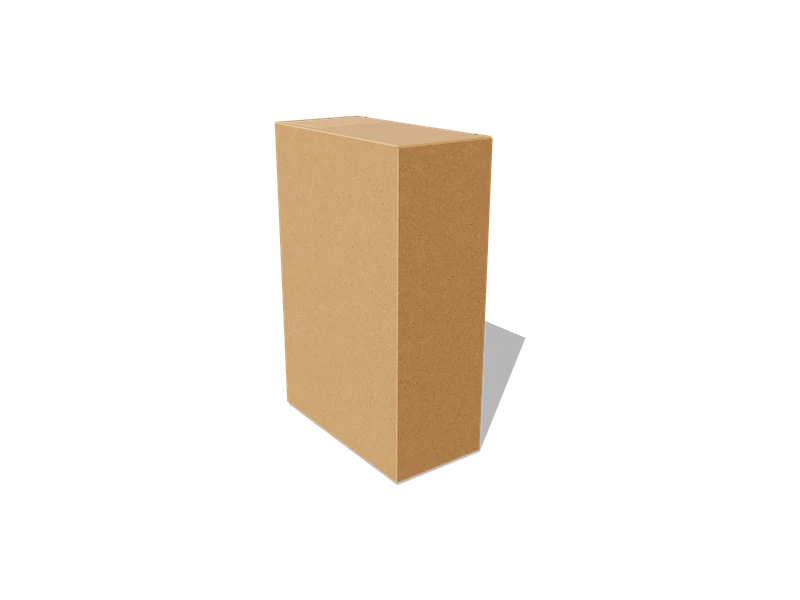
ECMA2D DIELINE3D FOLDED
Cosmetic Box — Auto-Bottom, Tuck Top
ECMA A60.20.01.01 · 4 configurable parameters
Create dieline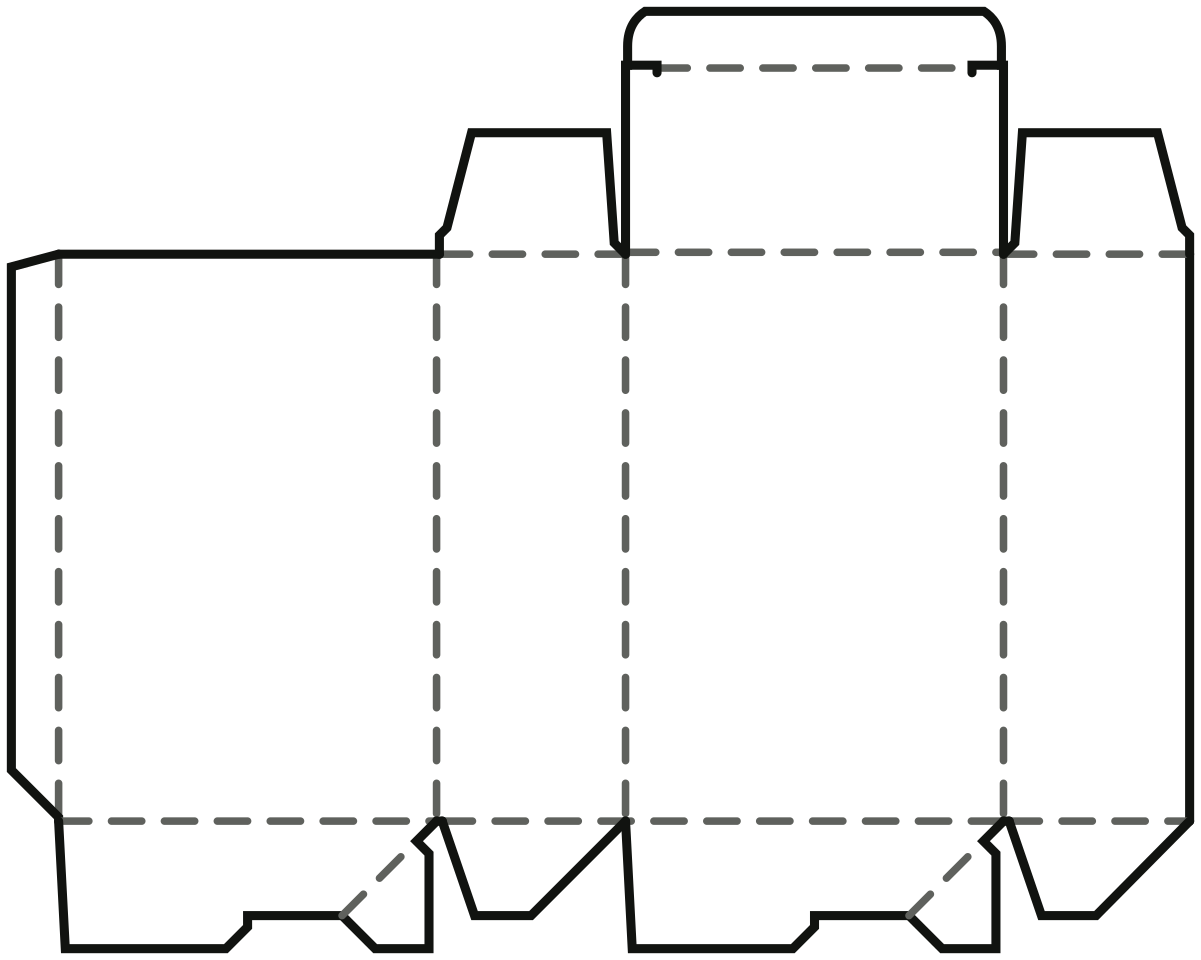
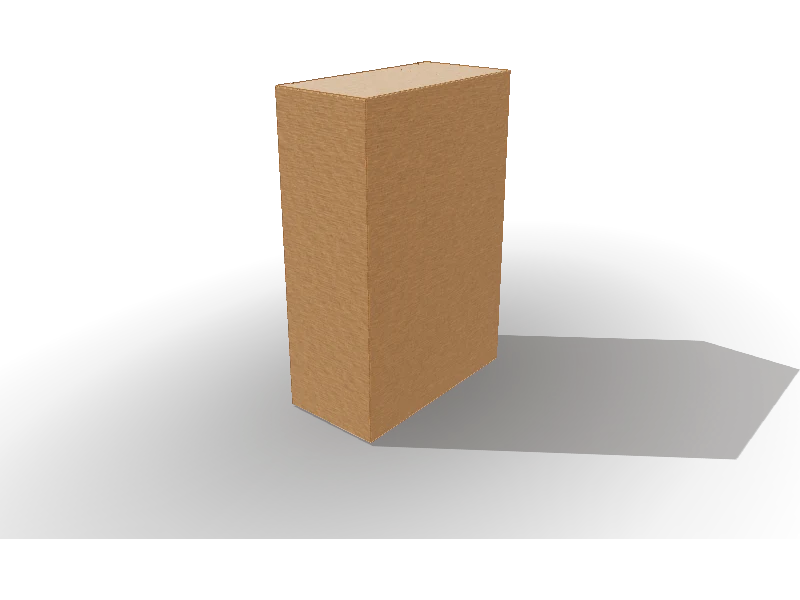
ECMA2D DIELINE3D FOLDED
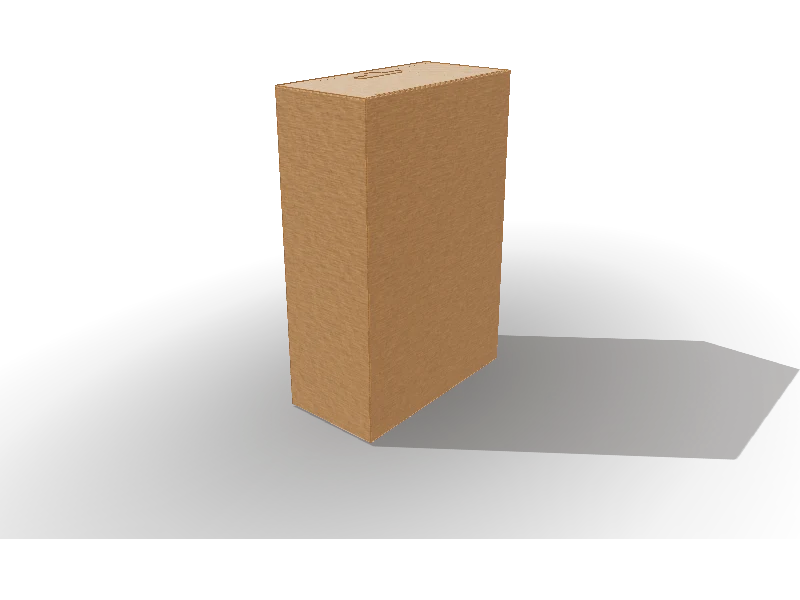
Retail Product Box — Tuck Top, Auto-Lock Base
ECMA A60.20.01.03 · 4 configurable parameters
Create dieline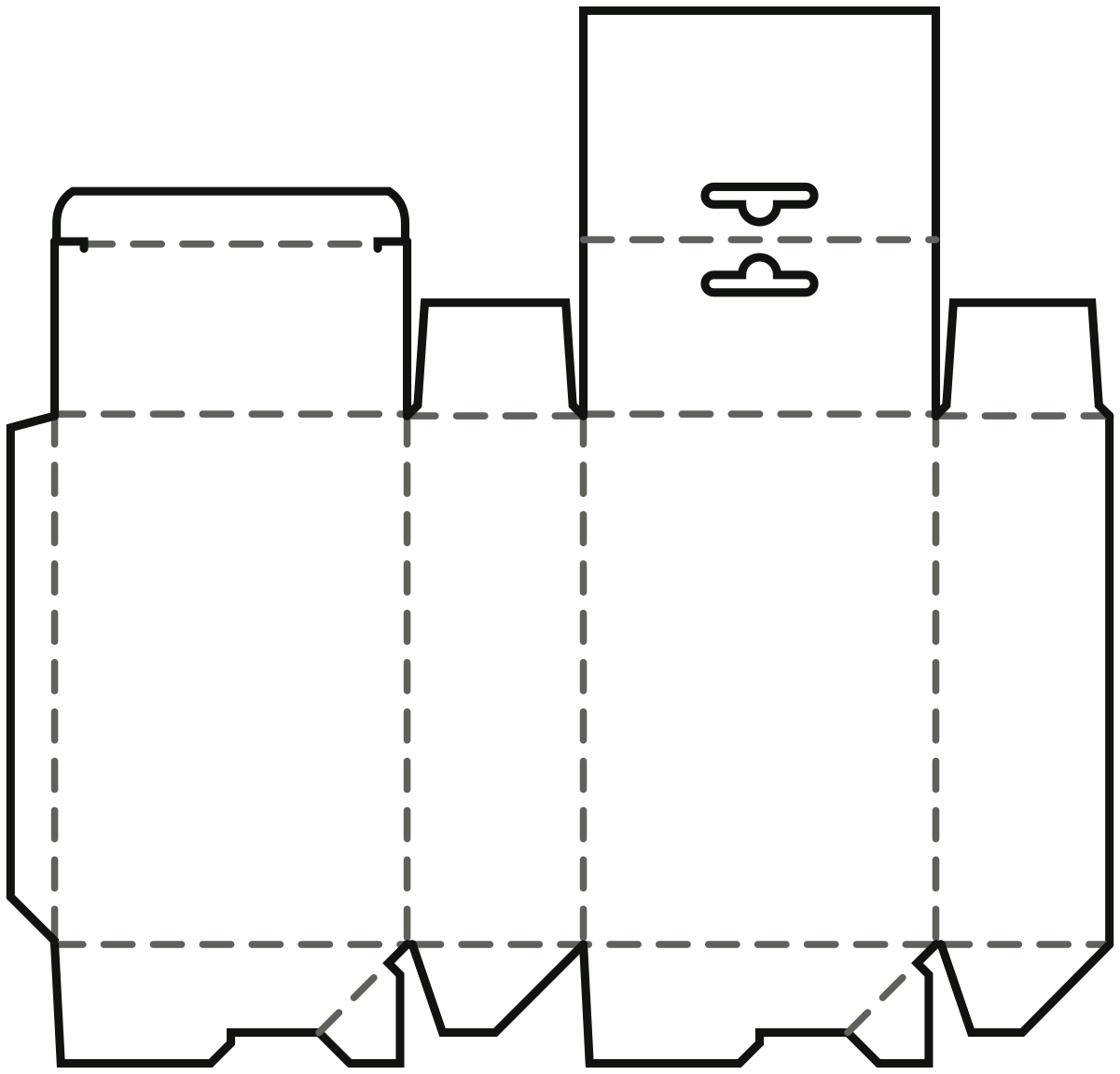
ECMA2D DIELINE3D FOLDED
Retail Product Box — Hang-Tab Tuck Top, Auto-Lock Base
ECMA A60.21.01.03 · 4 configurable parameters
Create dieline

ECMA2D DIELINE3D FOLDED
Retail Product Box — Hook-Lock Tuck Top, Auto-Lock Base
ECMA A60.30.01.01 · 4 configurable parameters
Create dieline

ECMA2D DIELINE3D FOLDED
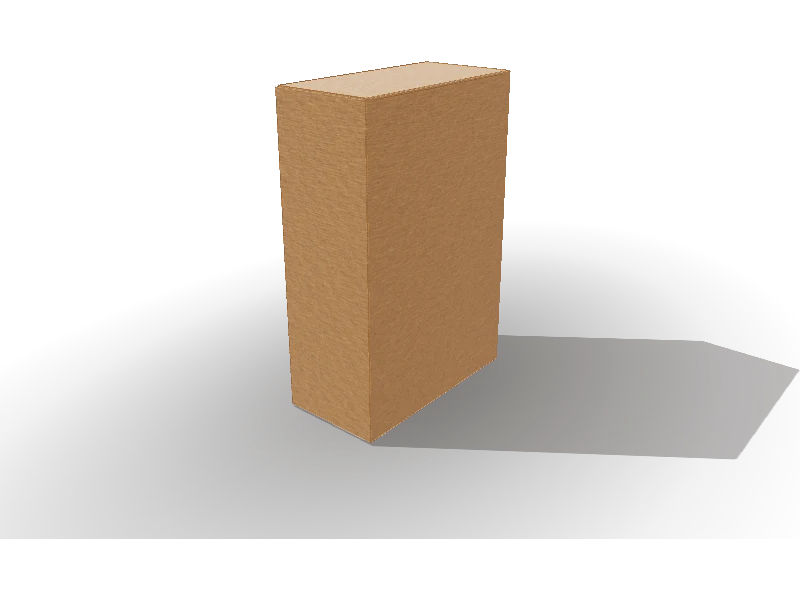
Retail Product Box — Hook-Lock Tuck Top, Auto-Lock Base (Model 2)
ECMA A60.30.01.03 · 4 configurable parameters
Create dieline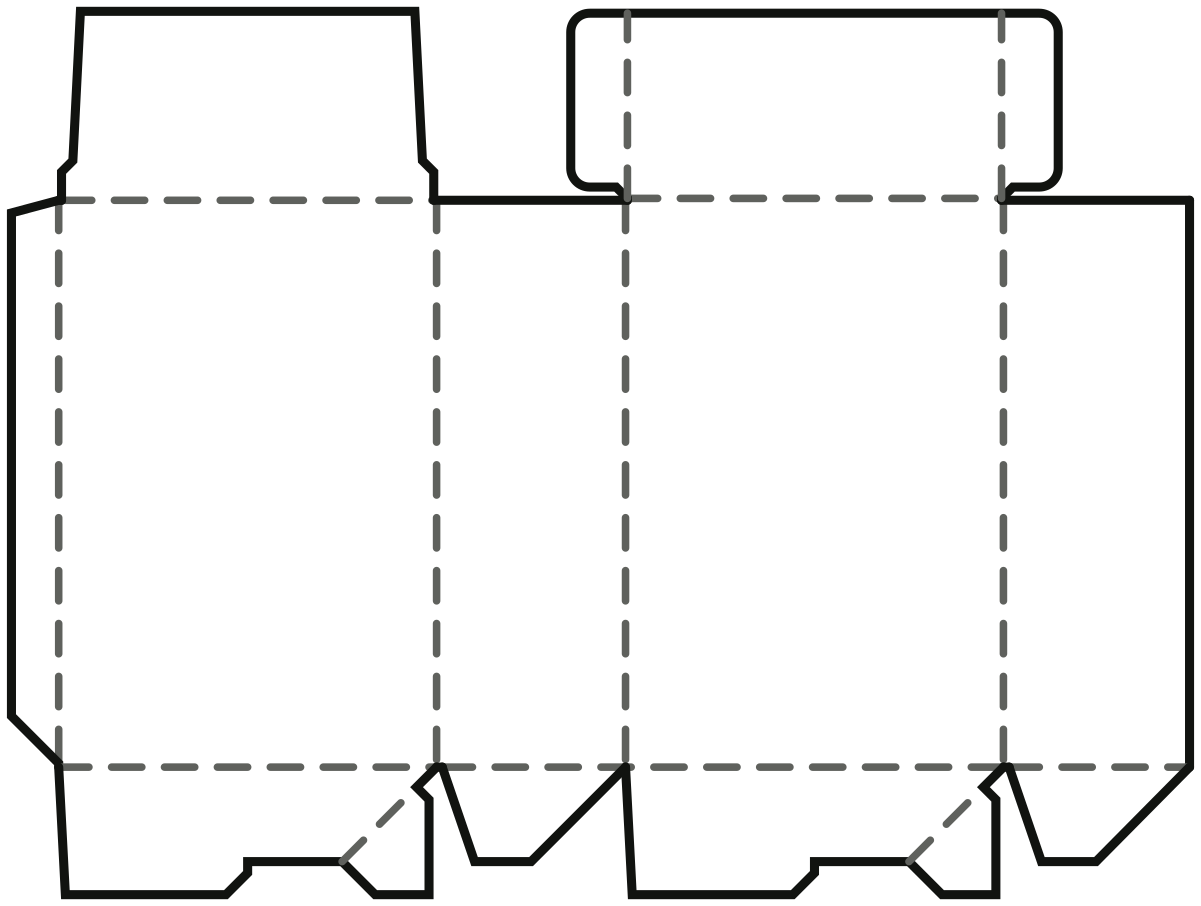
ECMA2D DIELINE3D FOLDED
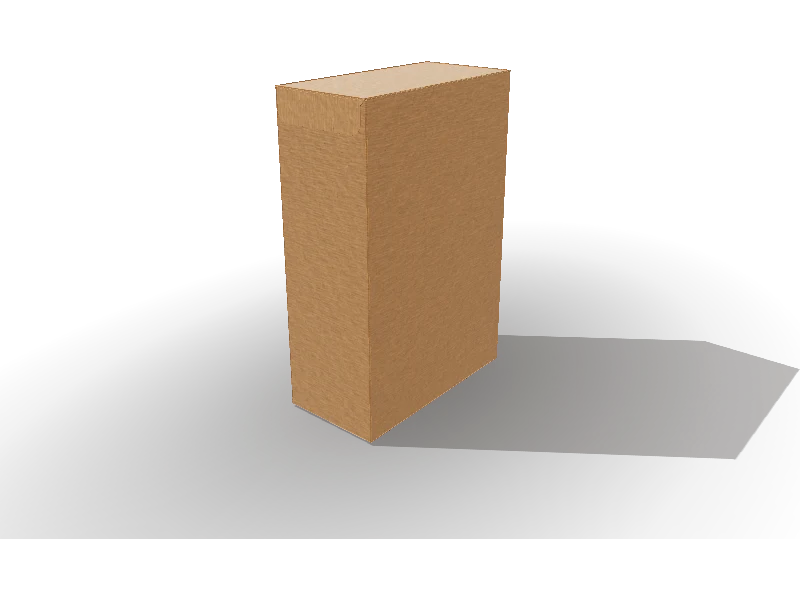
Retail Product Box — Side Tuck Top, Auto-Lock Base
ECMA A60.40.01.03 · 4 configurable parameters
Create dieline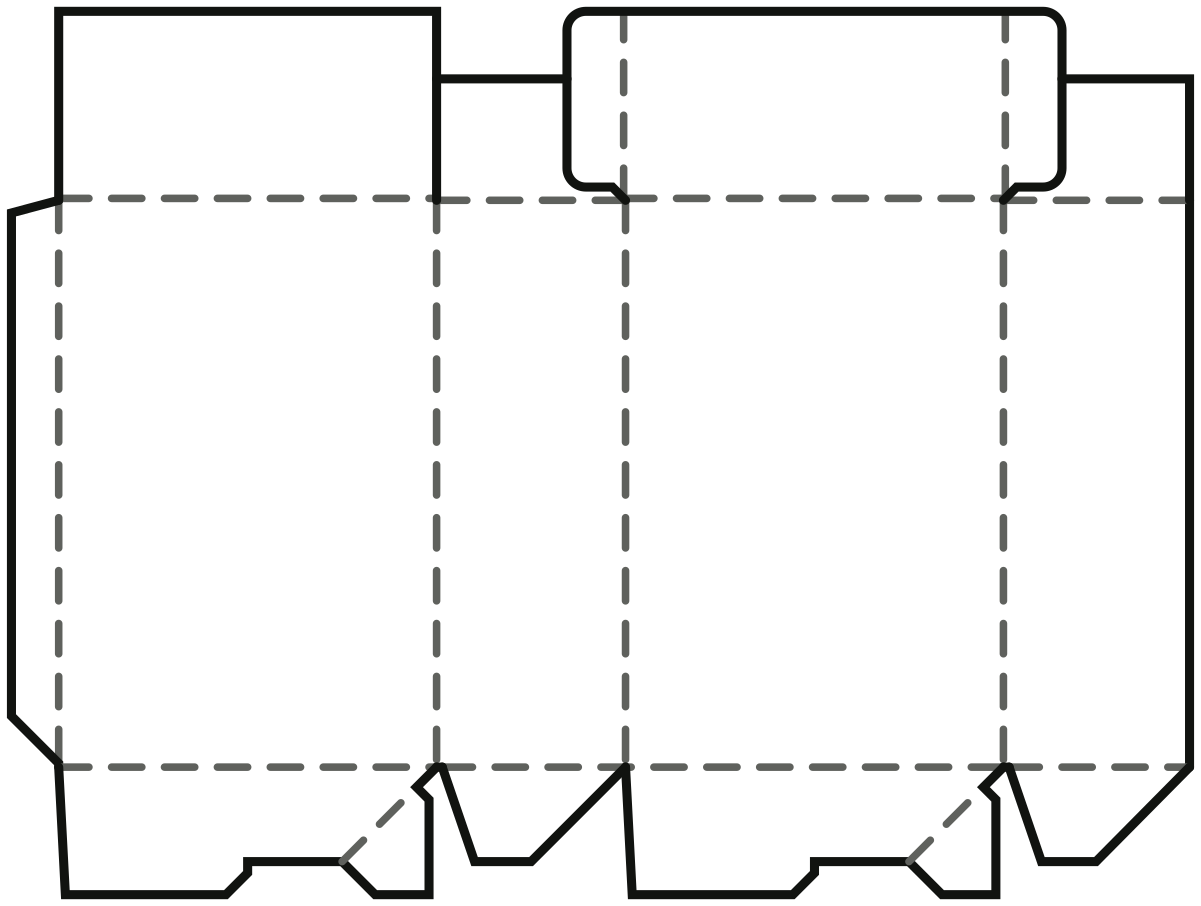
ECMA2D DIELINE3D FOLDED
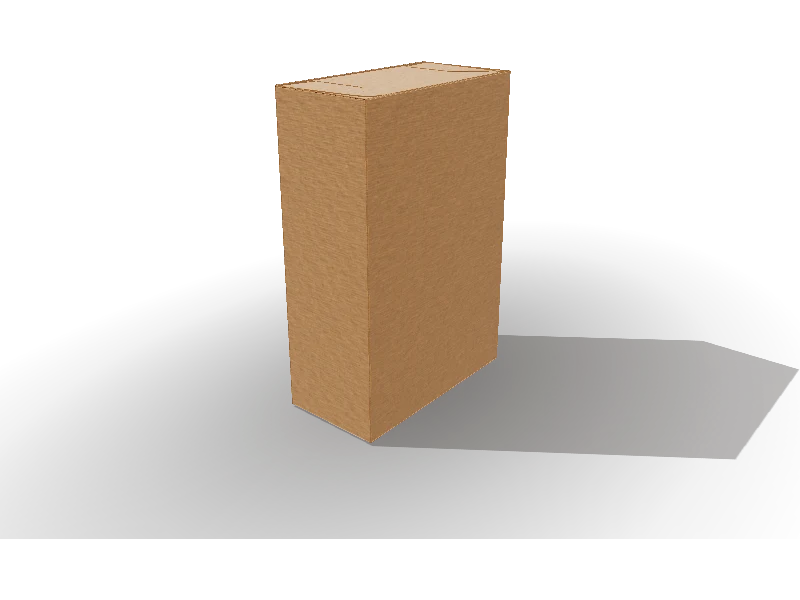
Retail Product Box — Winged Side-Tuck Top, Auto-Lock Base
ECMA A60.41.01.03 · 4 configurable parameters
Create dieline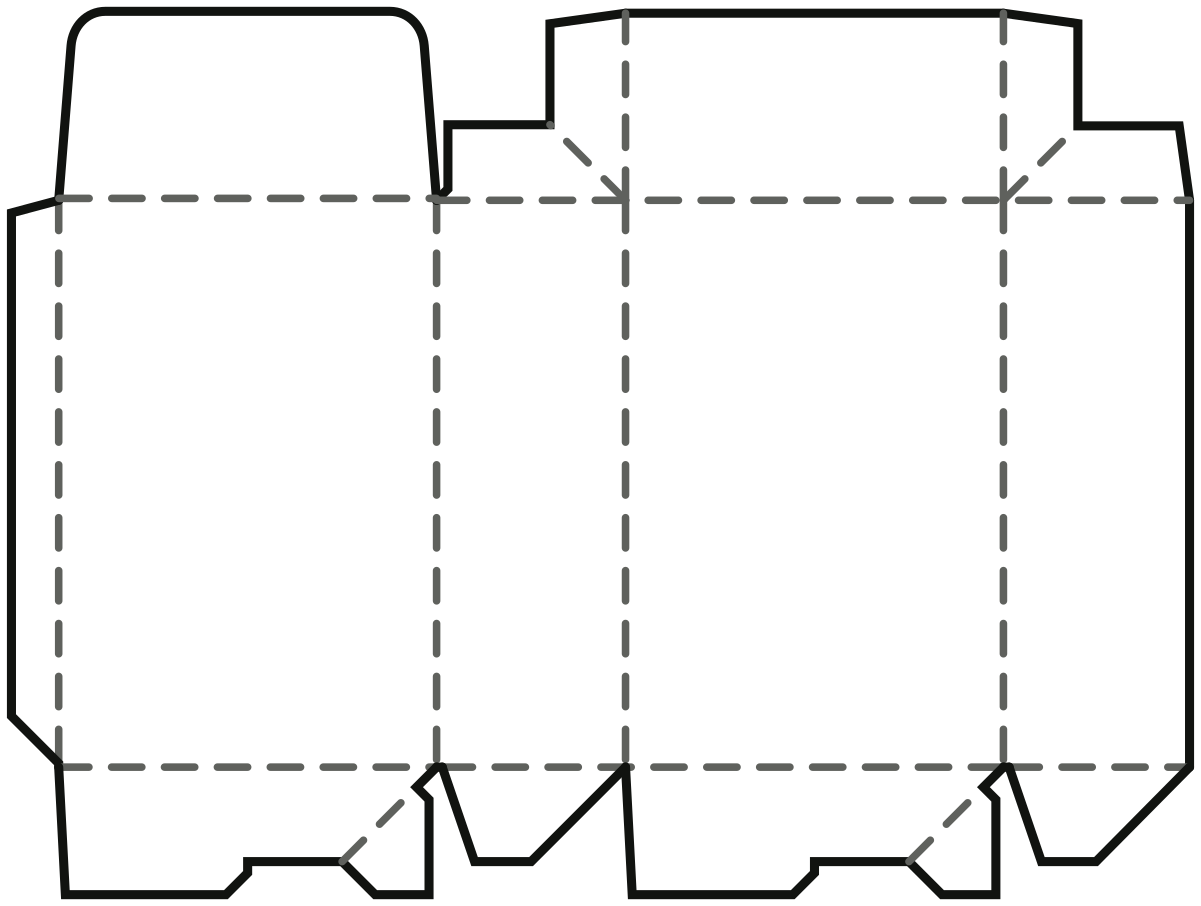
ECMA2D DIELINE3D FOLDED
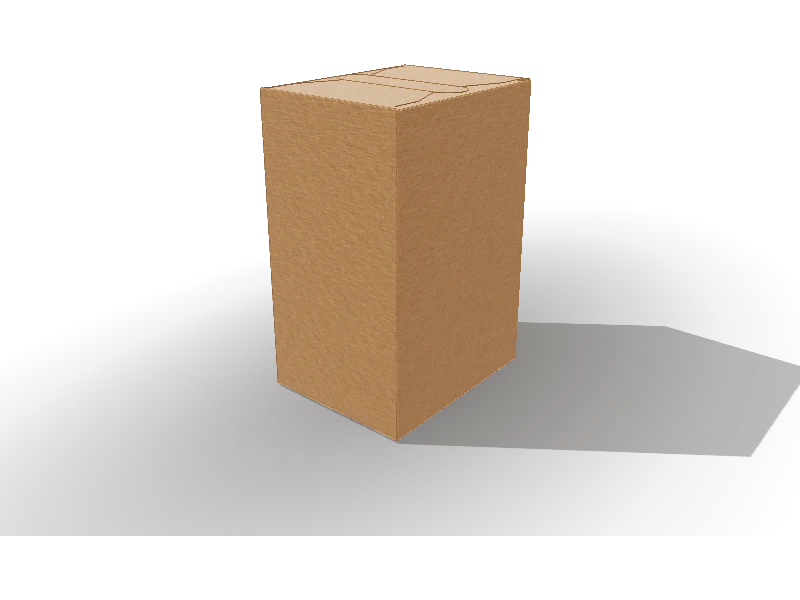
Retail Product Box — Joined Dust Flap Top, Auto-Lock Base
ECMA A60.45.01.01 · 4 configurable parameters
Create dieline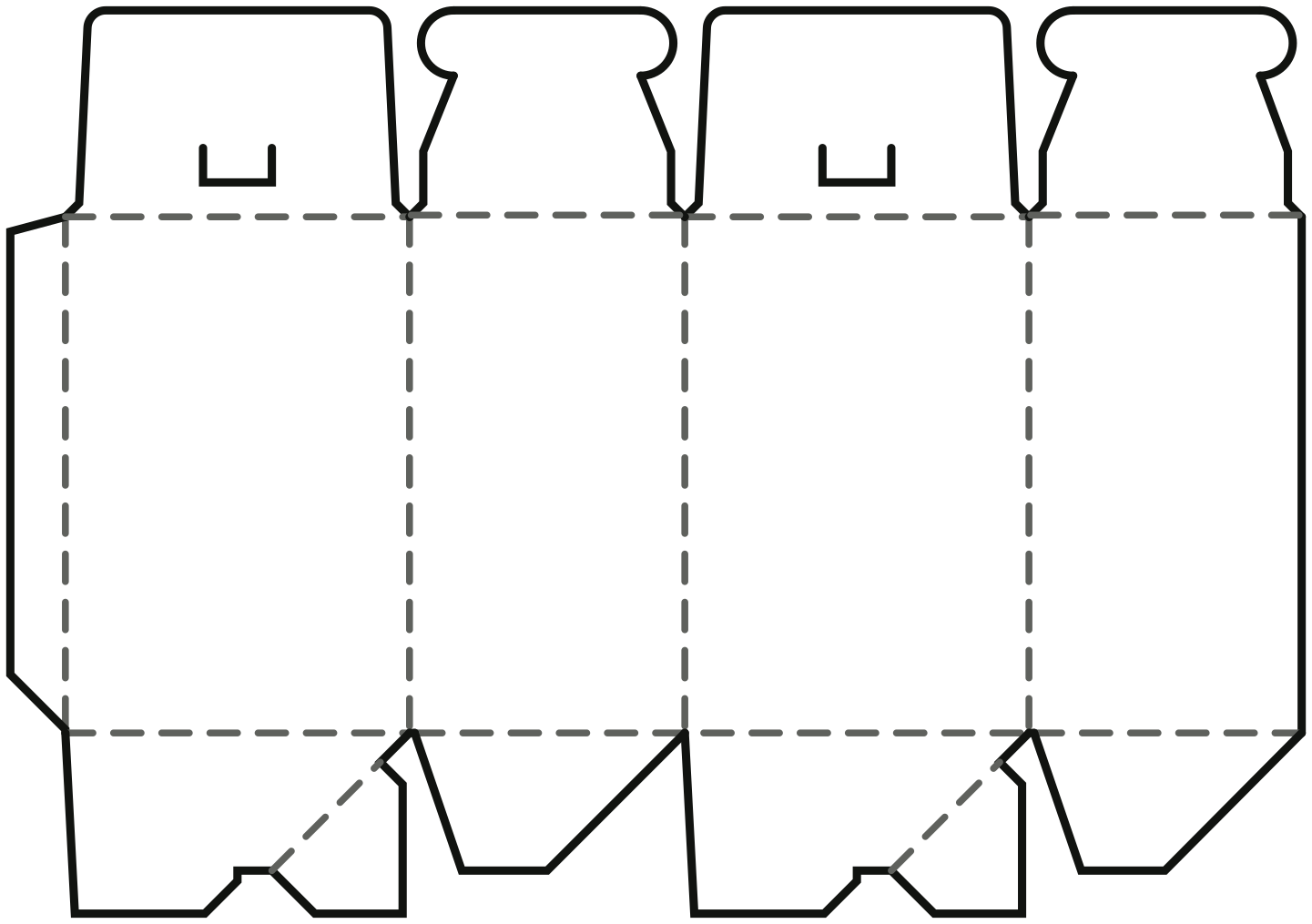
ECMA2D DIELINE3D FOLDED
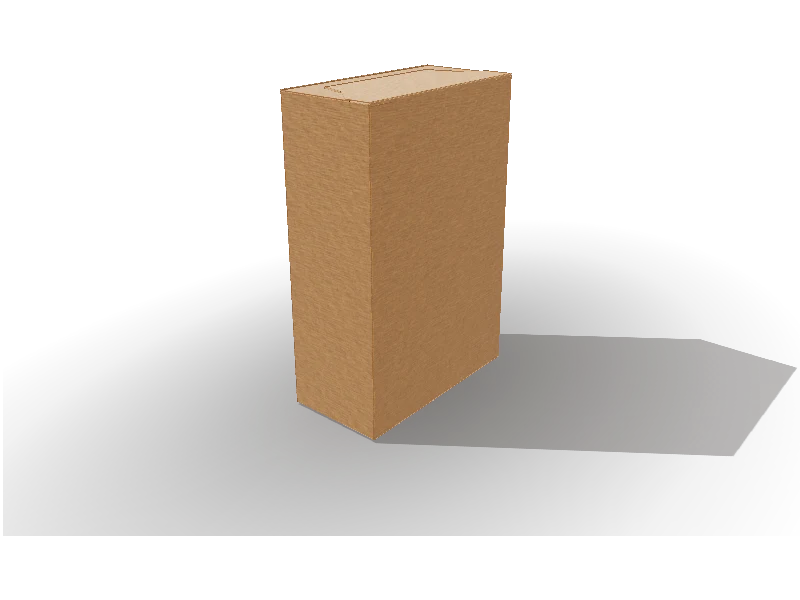
Retail Product Box — Claw Lock Top, Auto-Lock Base
ECMA A60.50.01.00 · 4 configurable parameters
Create dieline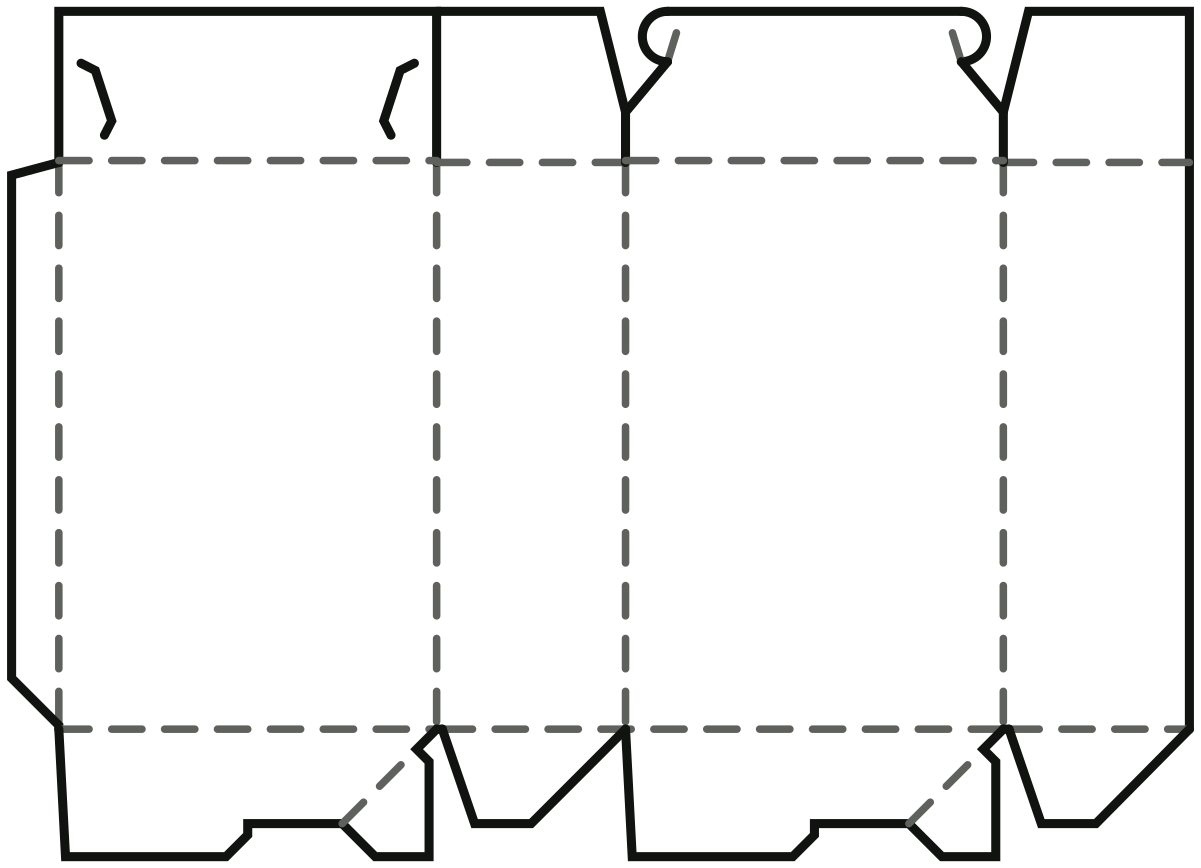
ECMA2D DIELINE3D FOLDED
Retail Product Box — Claw Lock Top, Auto-Lock Base (Model 2)
ECMA A60.50.01.03 · 4 configurable parameters
Create dieline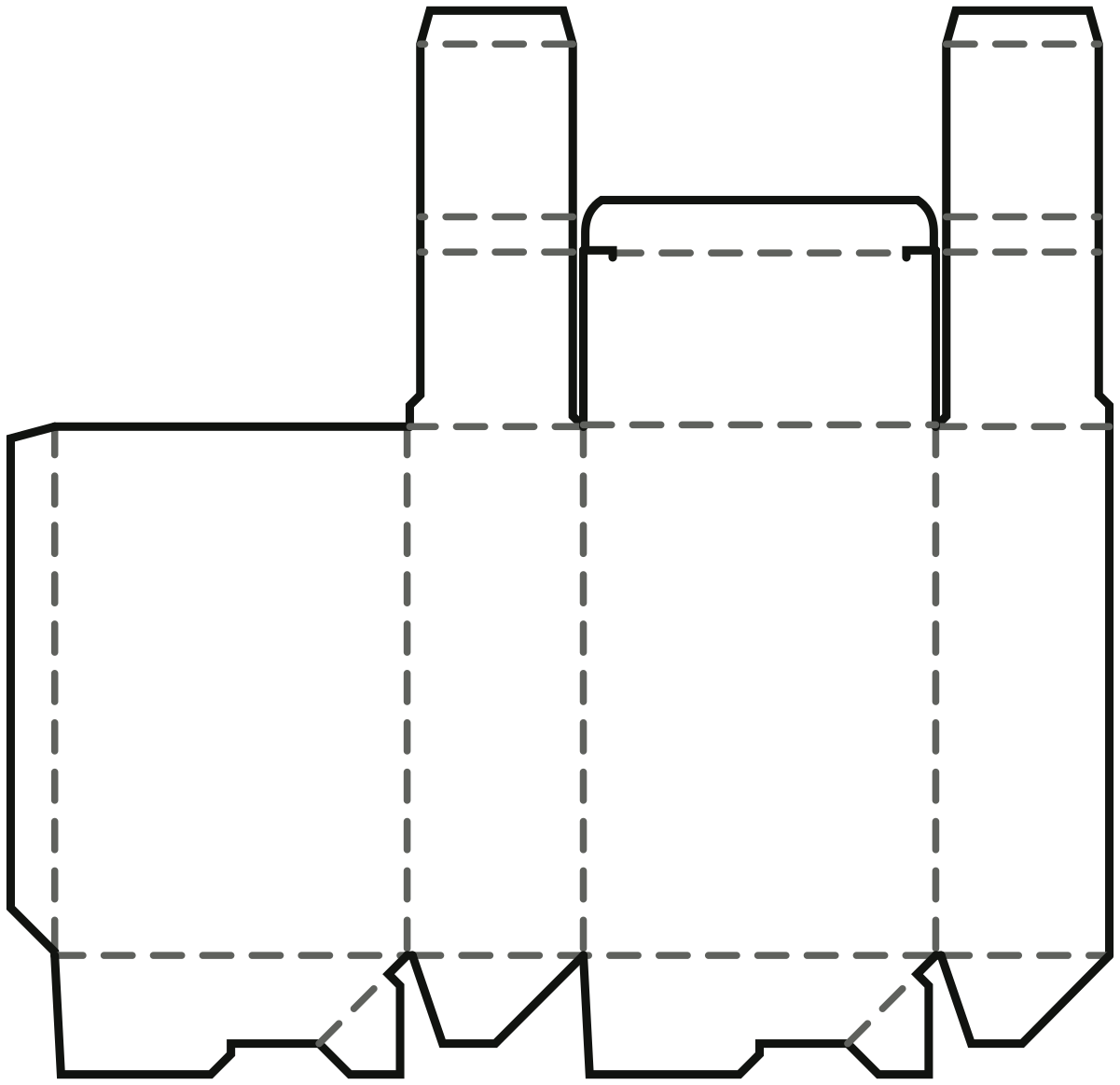
ECMA2D DIELINE3D FOLDED
Retail Product Box — Hollow Dust Flap Tuck Top, Auto-Lock Base
ECMA A60.80.01.03 · 5 configurable parameters
Create dieline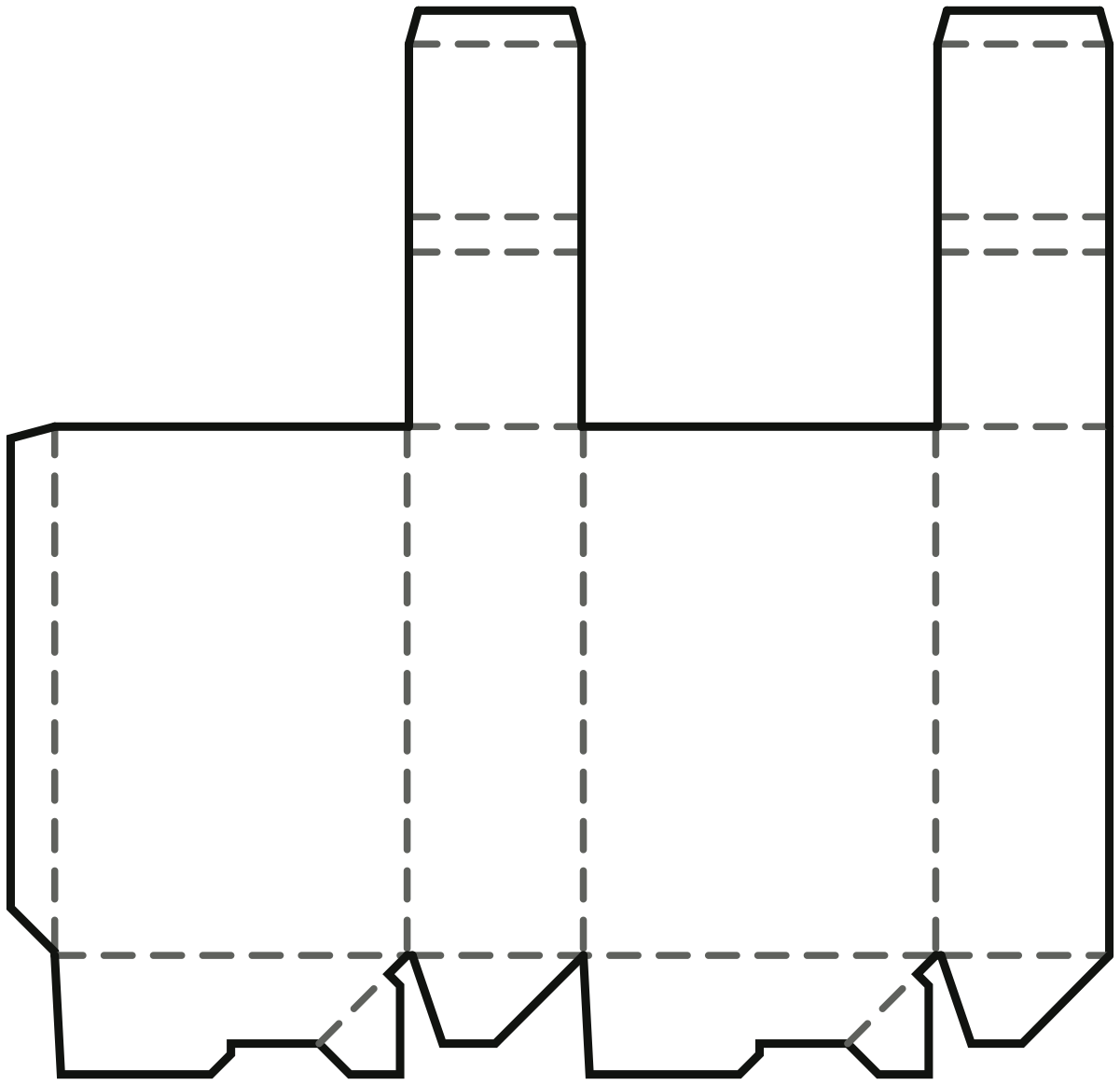
ECMA2D DIELINE3D FOLDED
Retail Product Box — Hollow Dust Flap Top, Auto-Lock Base
ECMA A60.81.01.00 · 5 configurable parameters
Create dieline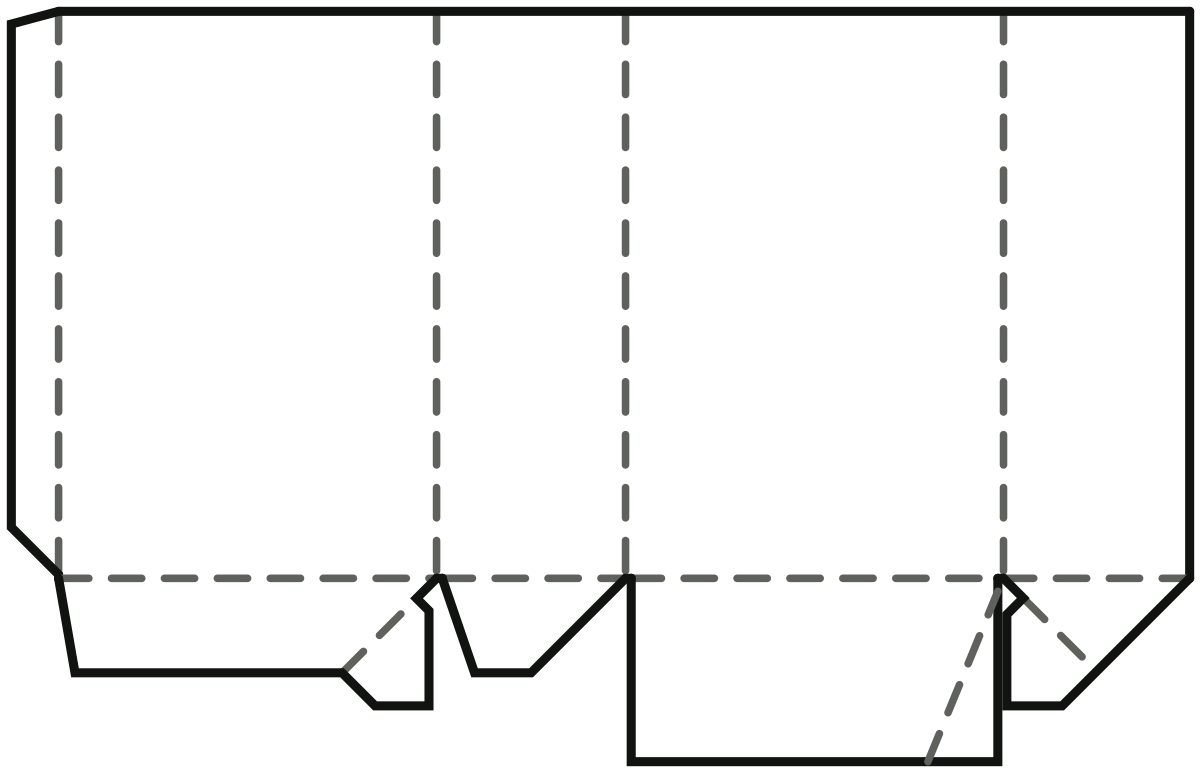
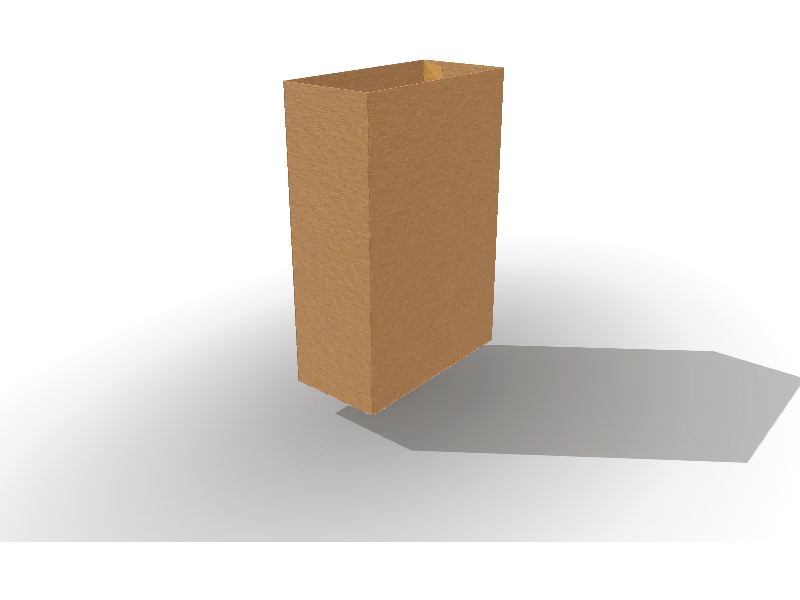
ECMA2D DIELINE3D FOLDED
Retail Product Box — Open Top, Auto-Bottom Base
ECMA A61.01.01.00 · 4 configurable parameters
Create dieline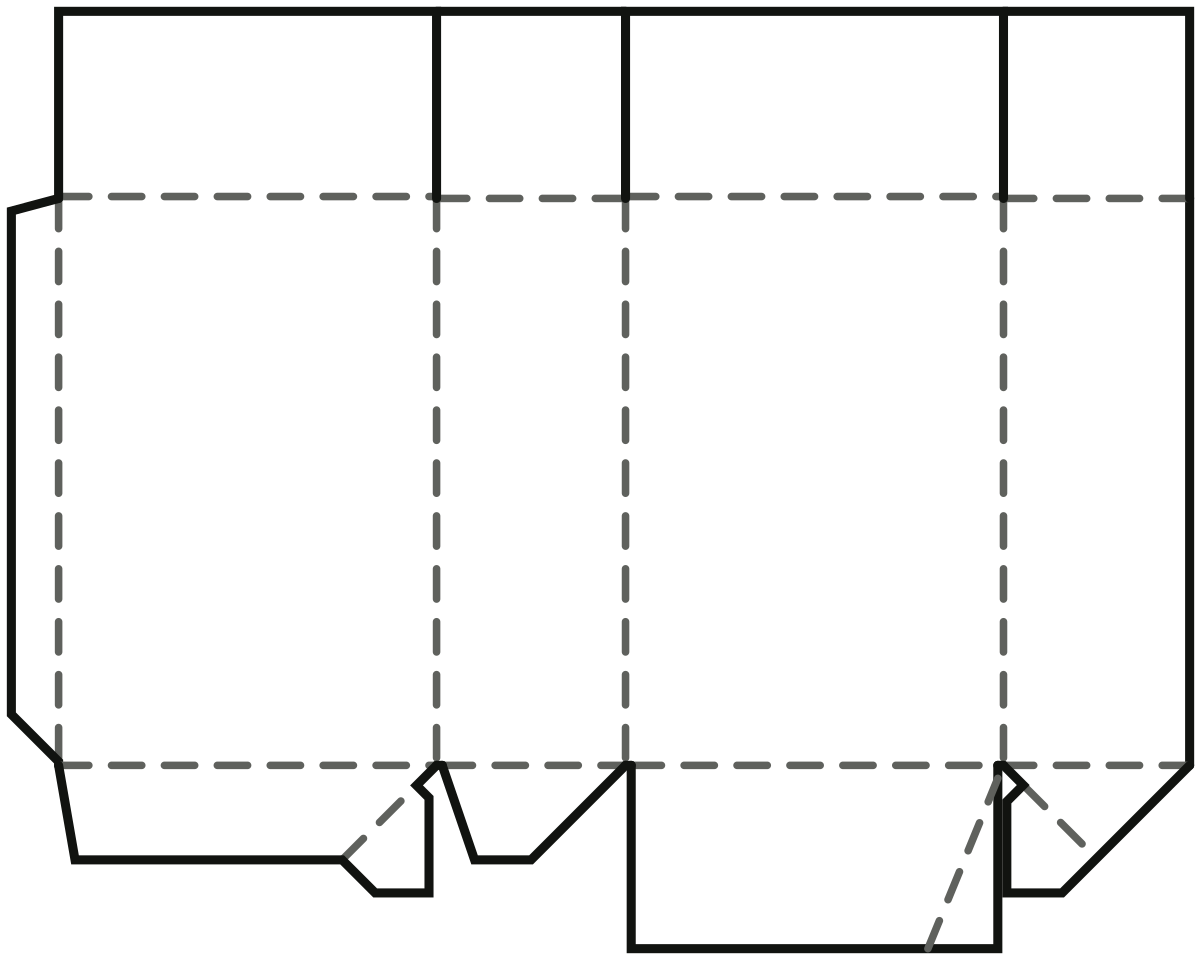
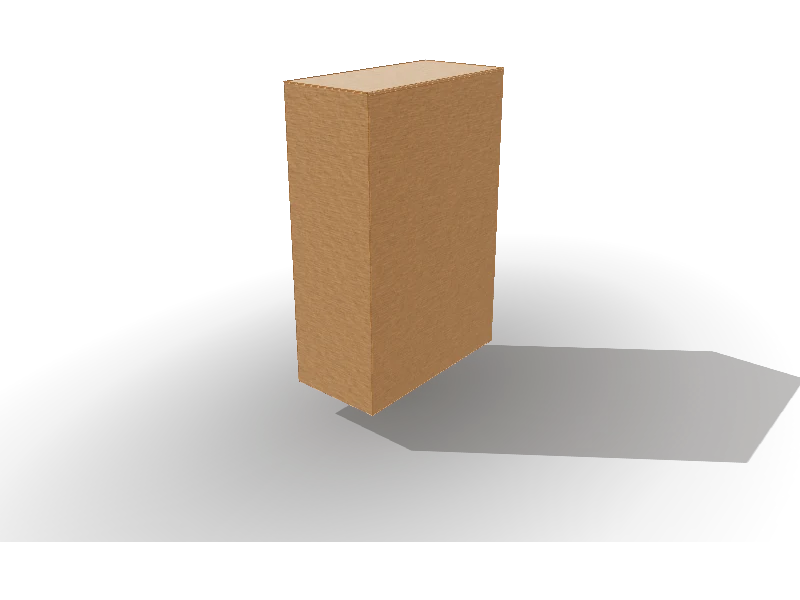
ECMA2D DIELINE3D FOLDED
Retail Product Box — Full Overlap Top, Auto-Bottom Base
ECMA A61.10.01.03 · 4 configurable parameters
Create dieline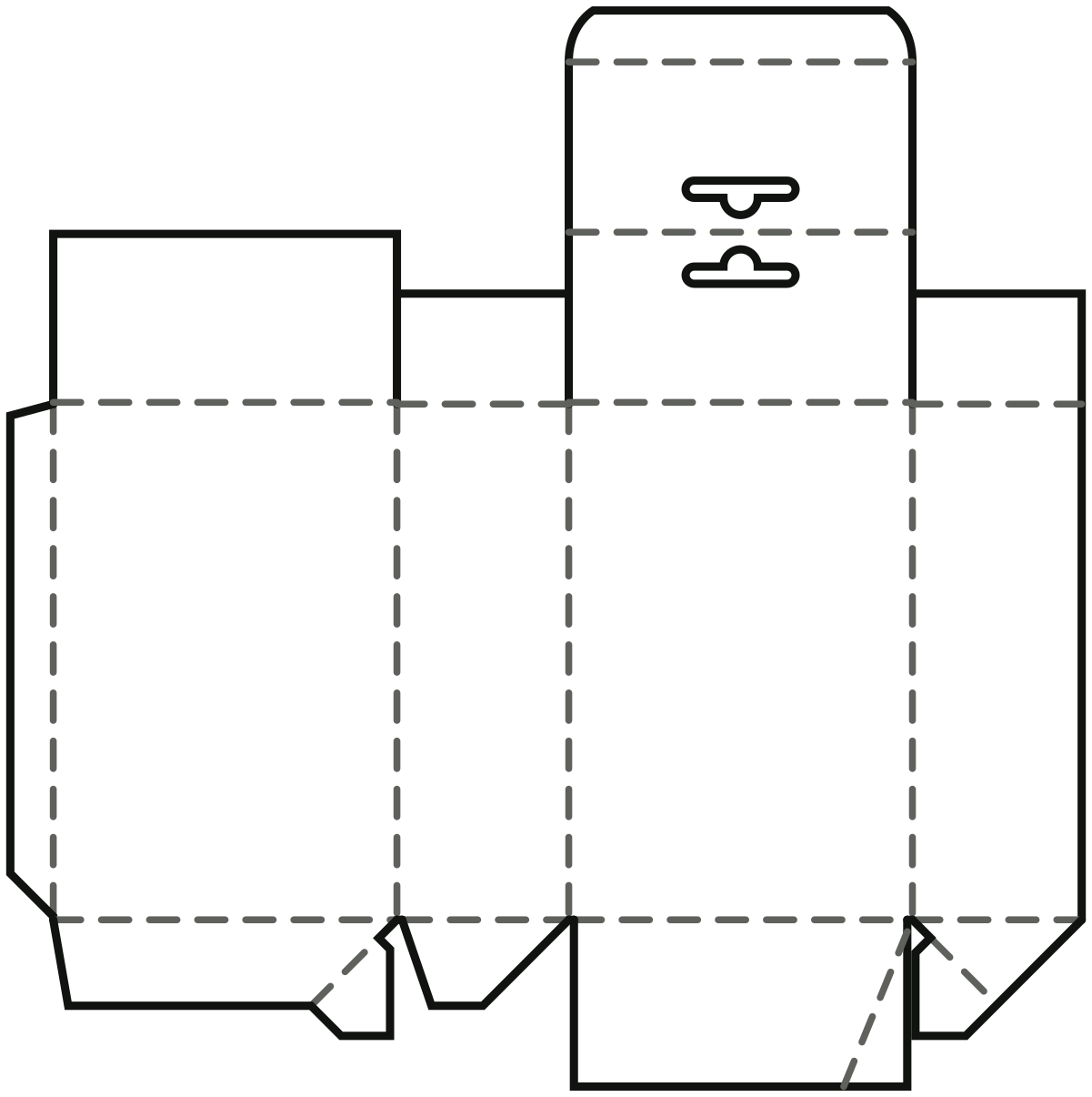
ECMA2D DIELINE3D FOLDED
Retail Product Box — Hang-Tab Full Overlap Top, Auto-Bottom Base
ECMA A61.15.01.03 · 4 configurable parameters
Create dieline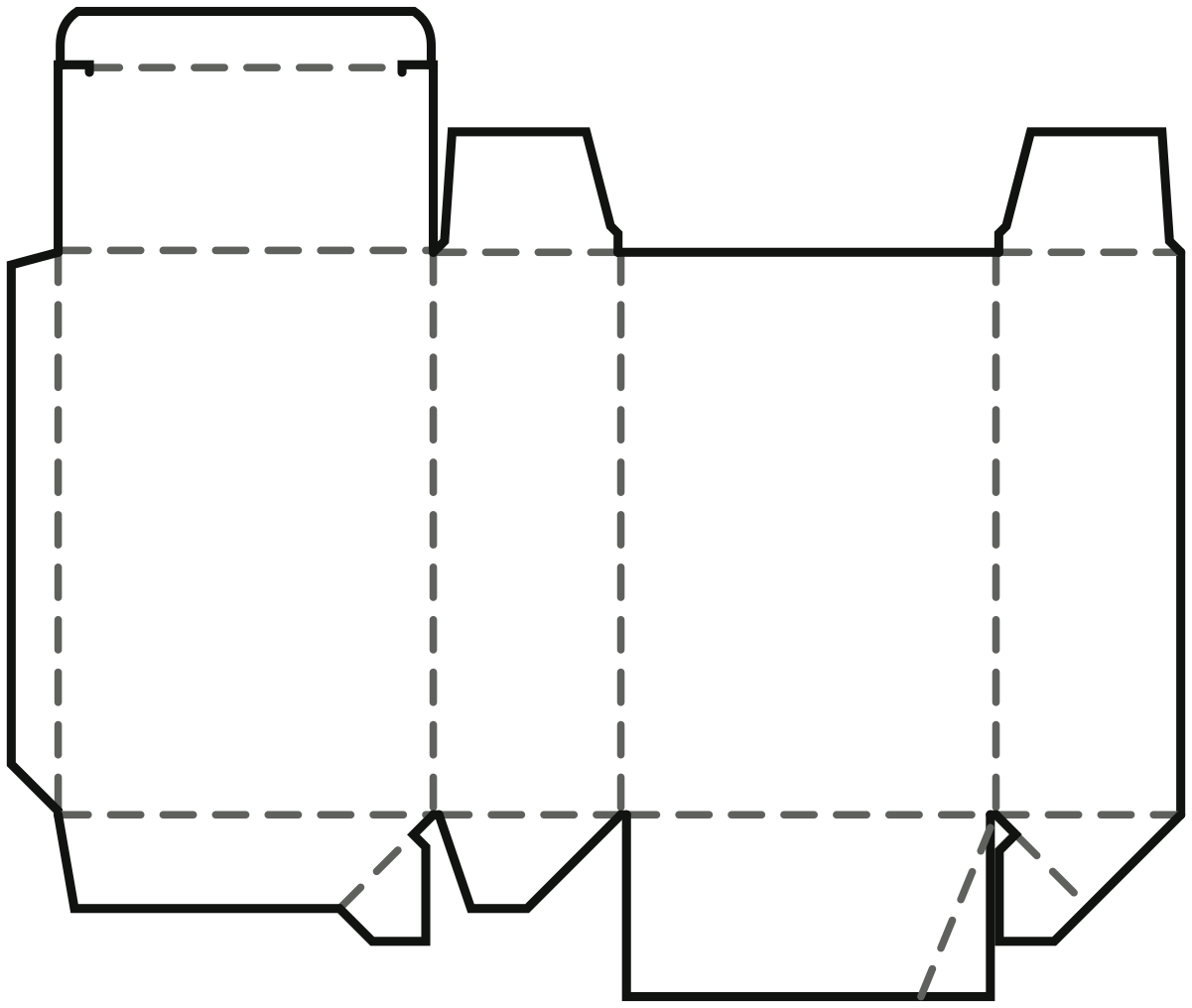
ECMA2D DIELINE3D FOLDED
Retail Product Box — Tuck Top, Auto-Bottom Base
ECMA A61.20.01.01 · 4 configurable parameters
Create dieline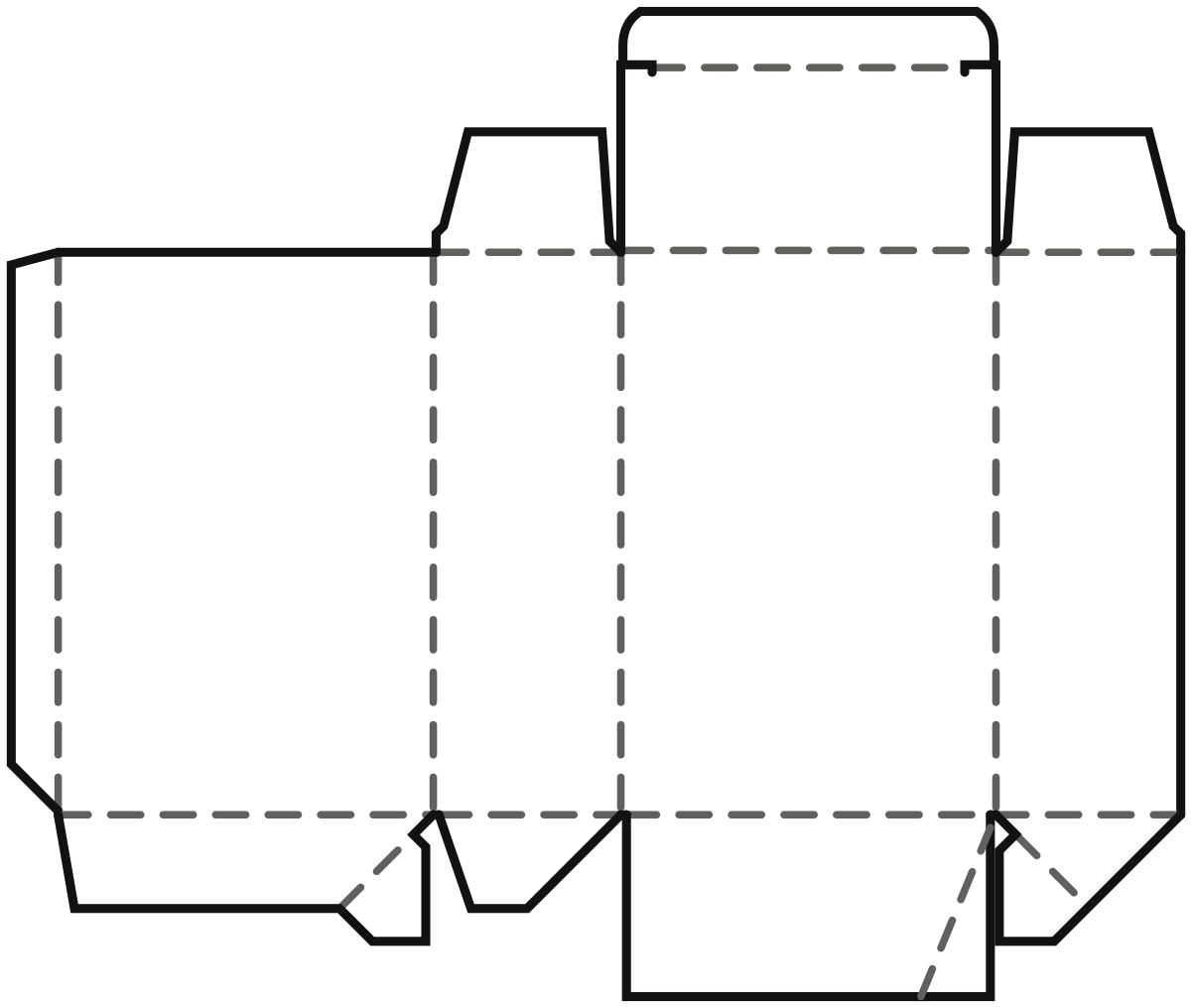
ECMA2D DIELINE3D FOLDED
Retail Product Box — Tuck Top, Auto-Bottom Base (Model 2)
ECMA A61.20.01.03 · 4 configurable parameters
Create dieline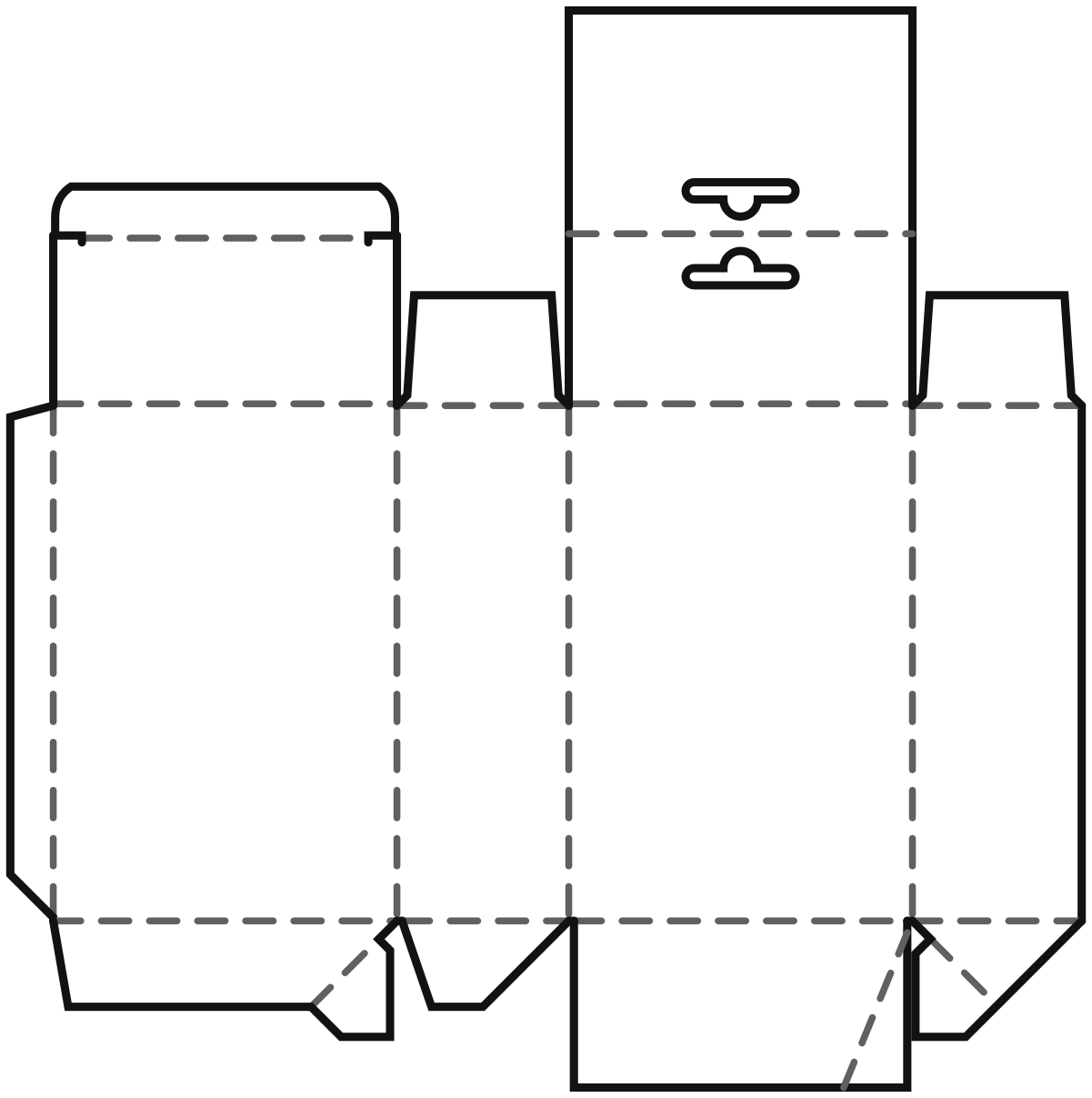
ECMA2D DIELINE3D FOLDED
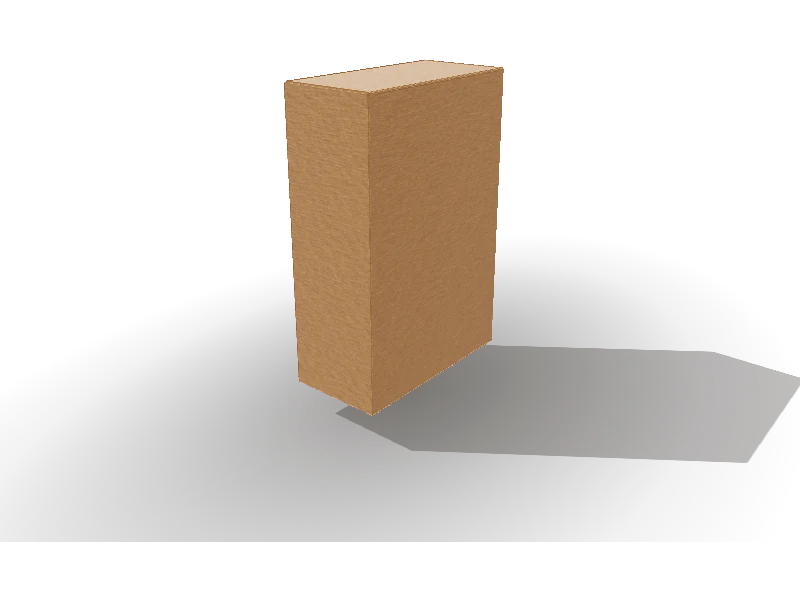
Retail Product Box — Hang-Tab Tuck Top, Auto-Bottom Base
ECMA A61.21.01.03 · 4 configurable parameters
Create dieline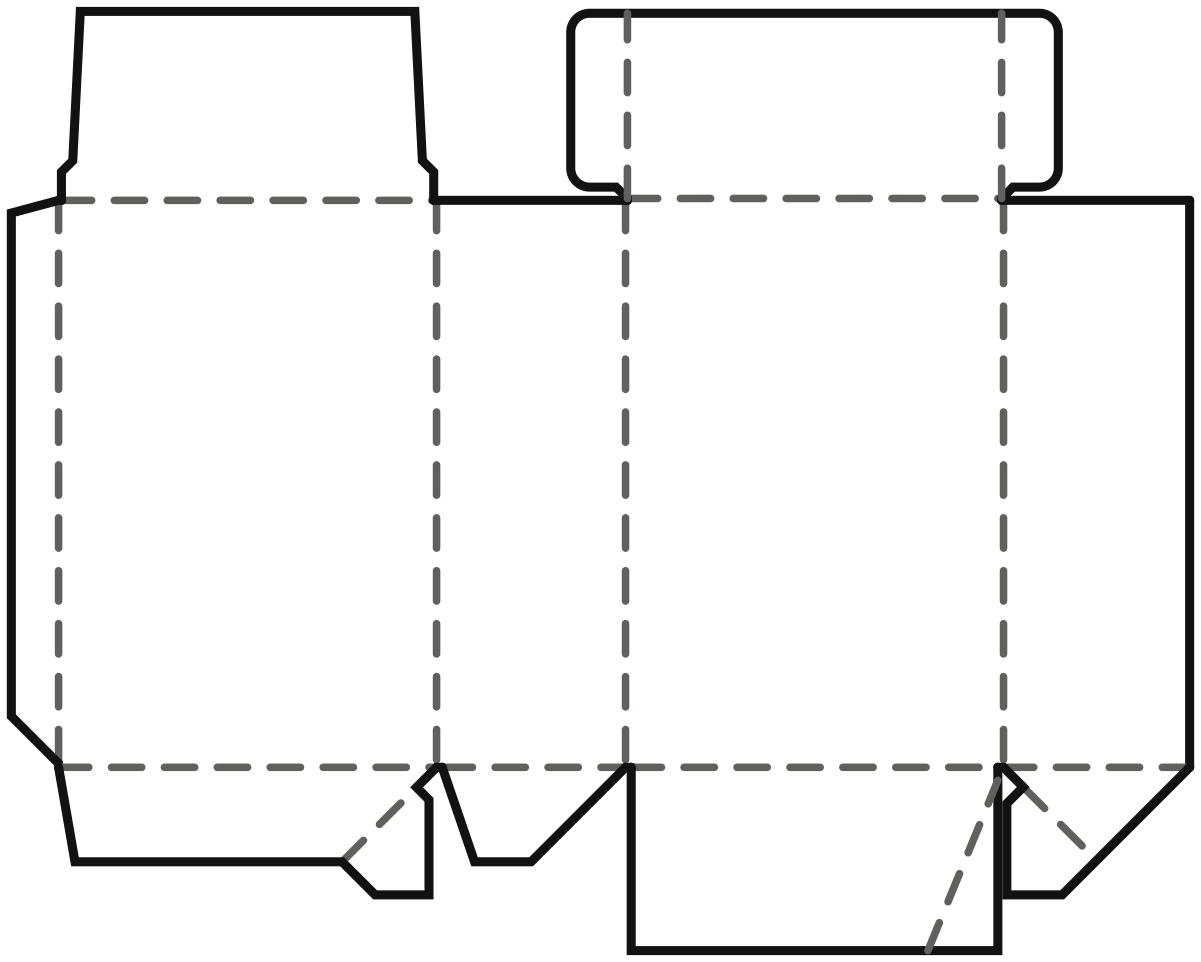
ECMA2D DIELINE3D FOLDED
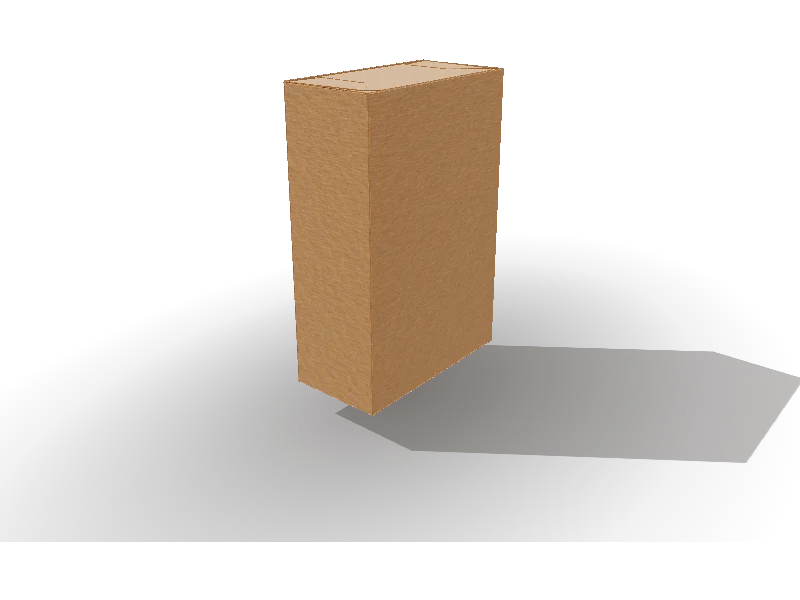
Retail Product Box — Side Tuck Top, Auto-Bottom Base
ECMA A61.40.01.03 · 4 configurable parameters
Create dieline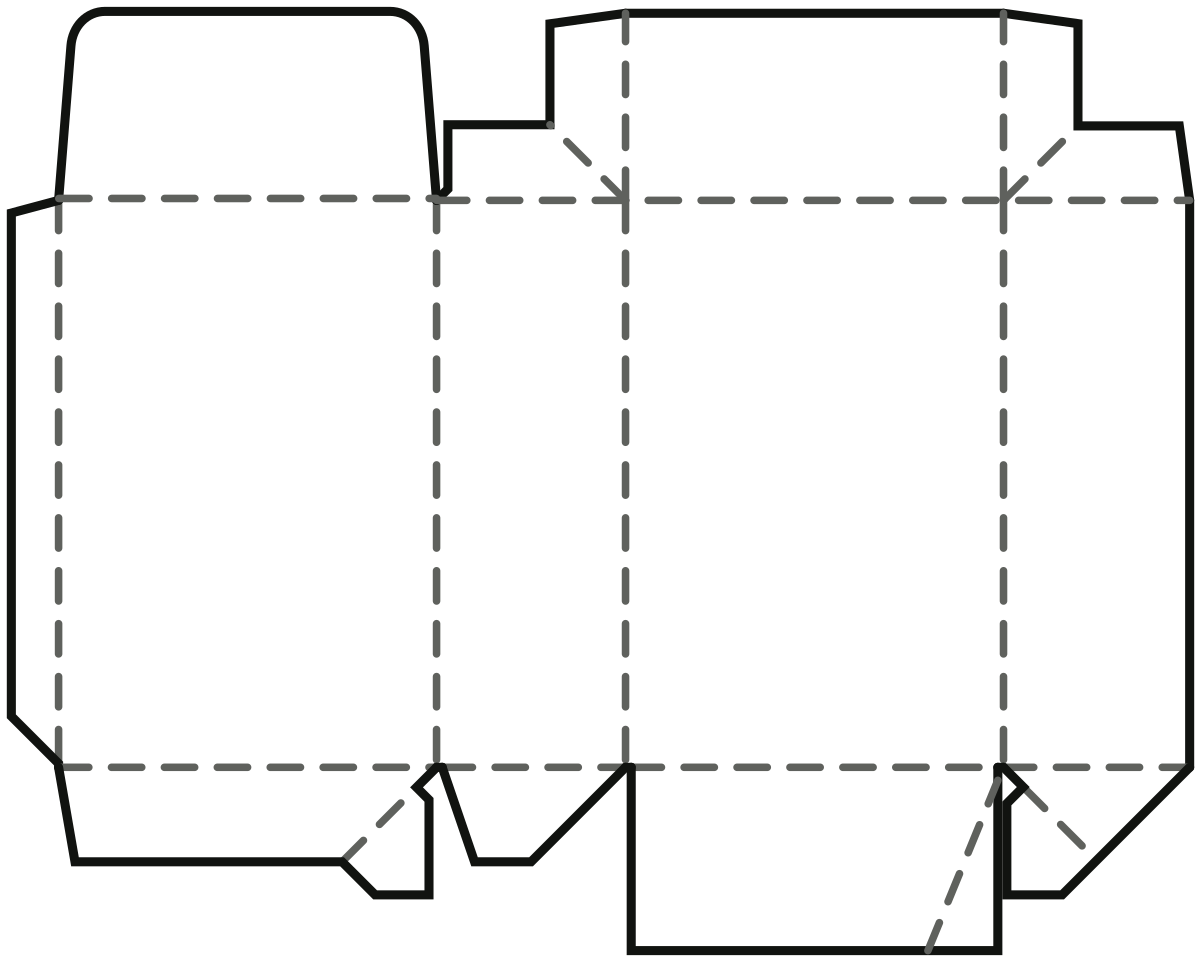
ECMA2D DIELINE3D FOLDED
Retail Product Box — Joined Dust Flap Top, Auto-Bottom Base
ECMA A61.45.01.01 · 4 configurable parameters
Create dieline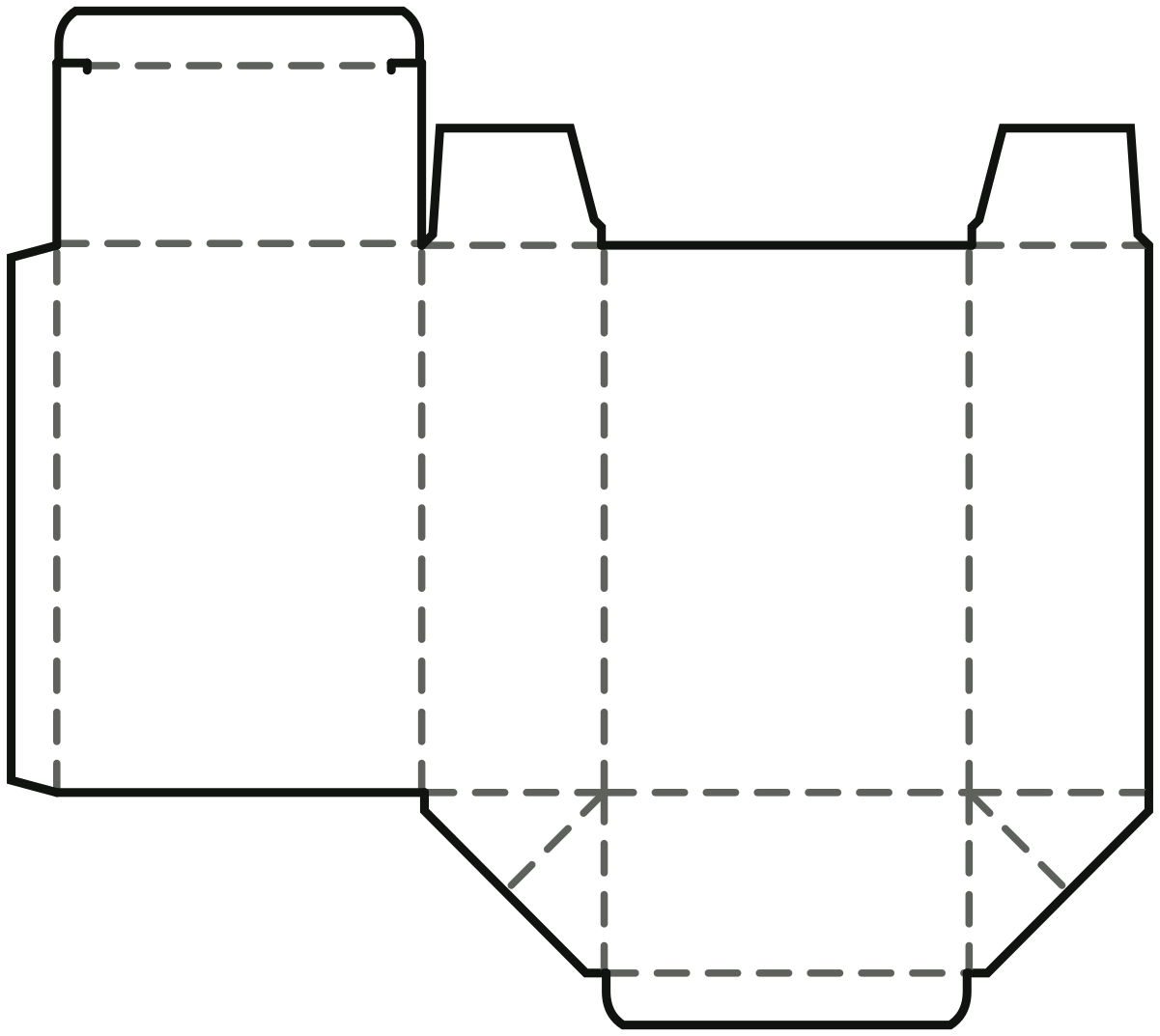

ECMA2D DIELINE3D FOLDED
Sift-Proof Powder Box — Webbed Dust Flap, Reversed Sheet
ECMA A99.20.03.01 · 4 configurable parameters
Create dieline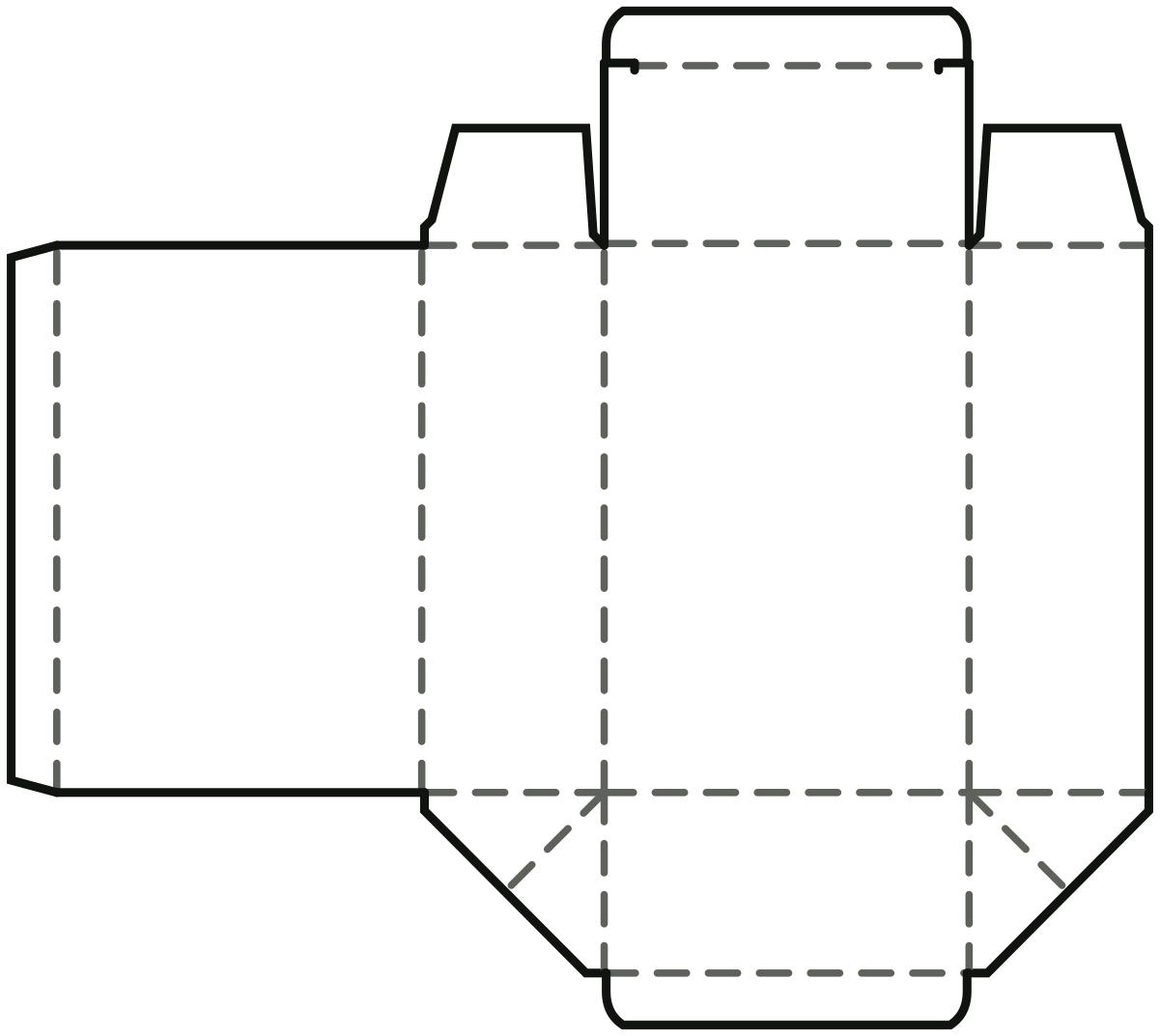

ECMA2D DIELINE3D FOLDED
Sift-Proof Powder Box — Webbed Dust Flap, Reversed Sheet (Model 2)
ECMA A99.20.03.03 · 4 configurable parameters
Create dieline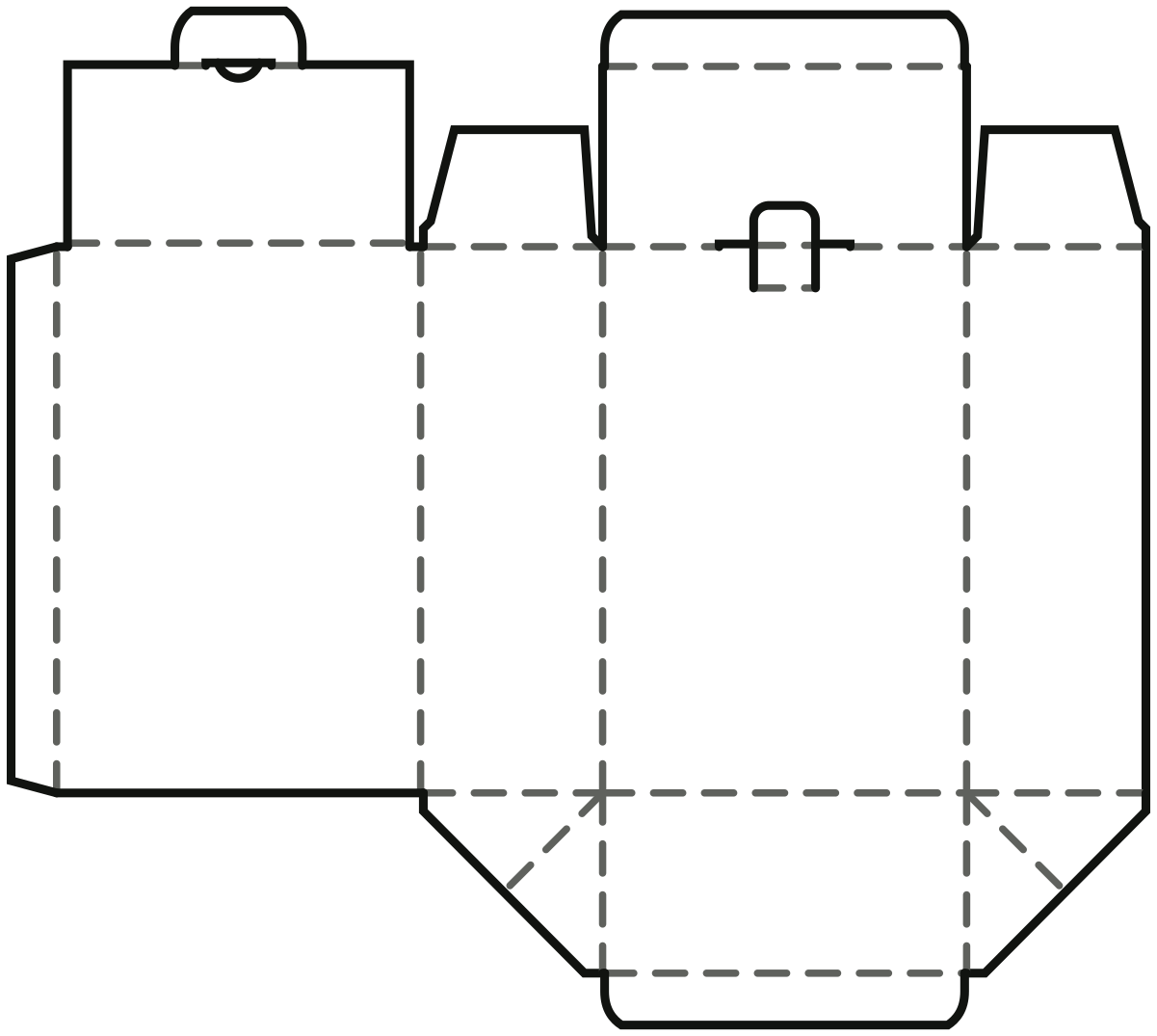

ECMA2D DIELINE3D FOLDED
Sift-Proof Powder Box — Webbed Dust Flap, Reversed Sheet, Tab-Locking
ECMA A99.20.03.03.31 · 4 configurable parameters
Create dieline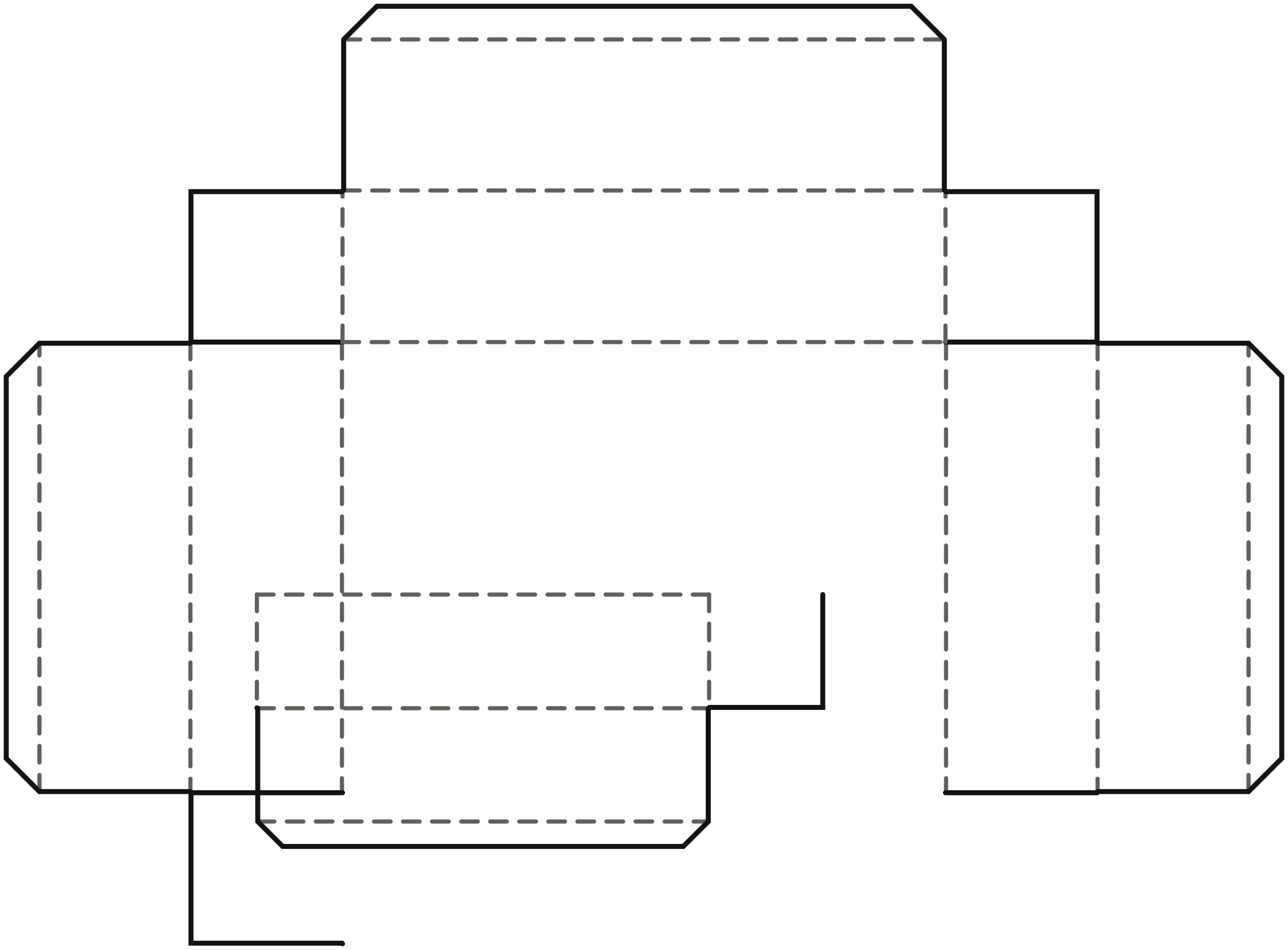
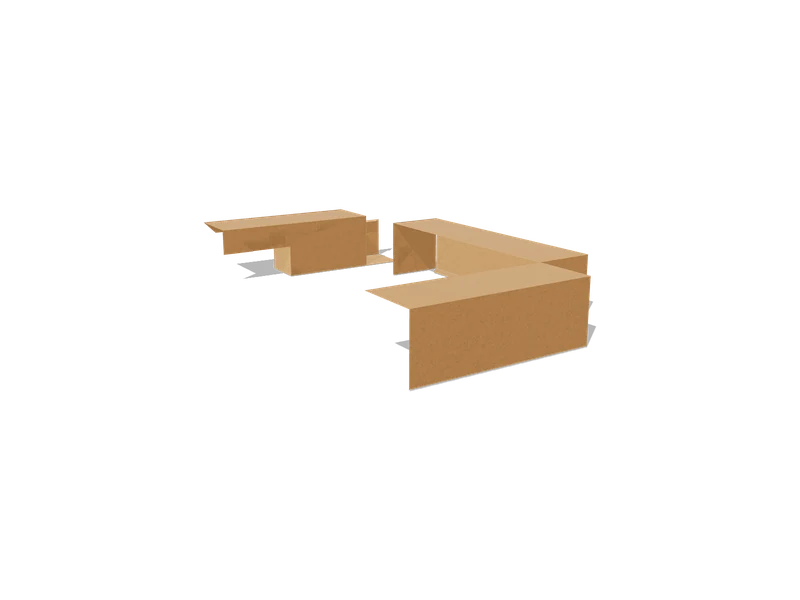
ECMA2D DIELINE3D FOLDED
Presentation Tray — Four Double Wall, Self-Locking
ECMA B10.02.00.00 · 4 configurable parameters
Create dieline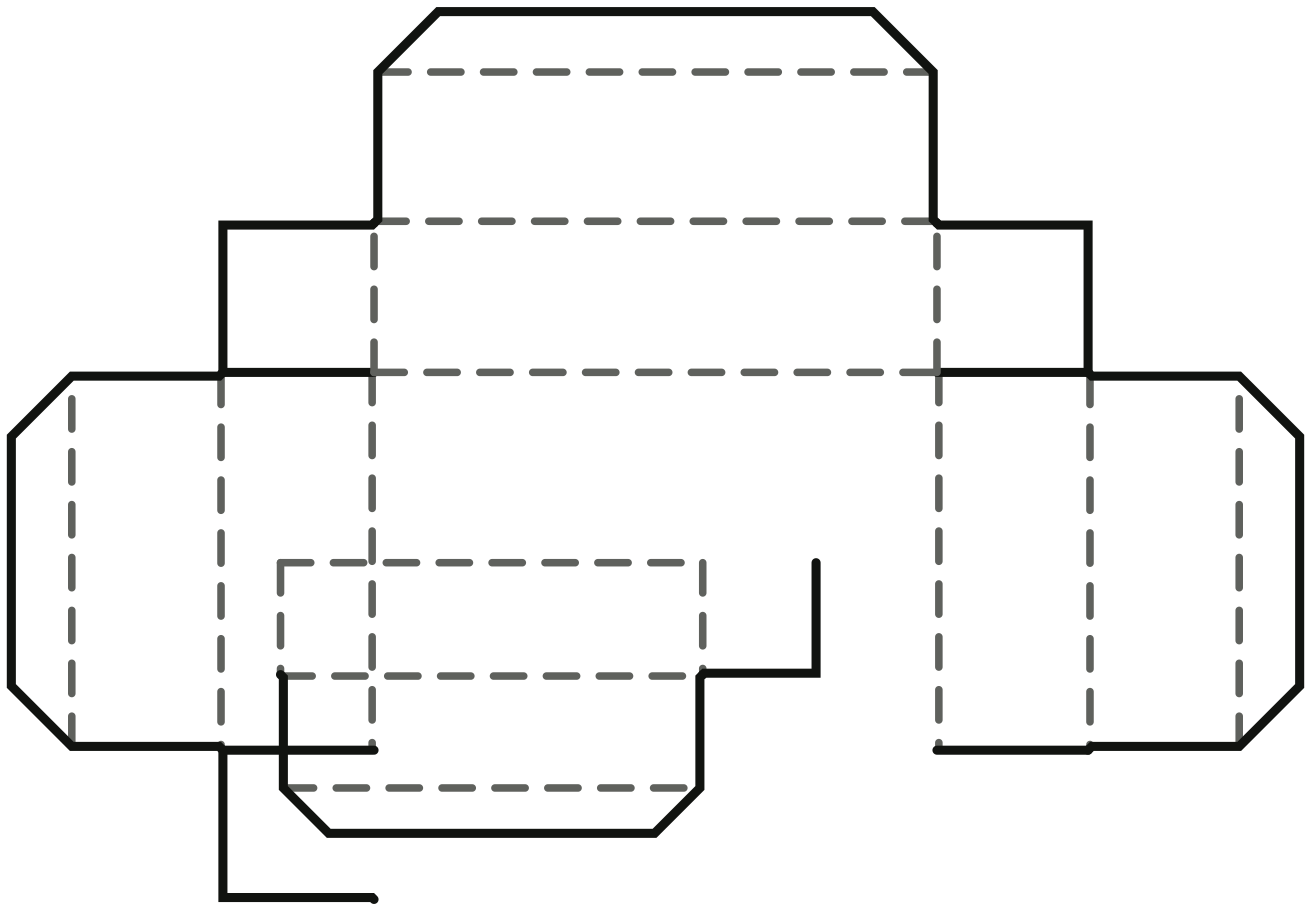
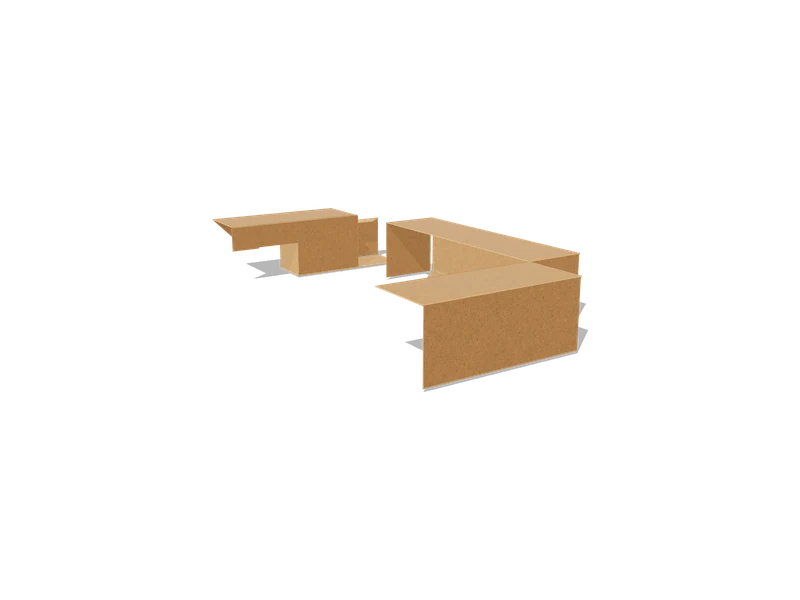
ECMA2D DIELINE3D FOLDED
Apparel & Shirt Box — Tray and Lid Set
ECMA B10.02.00.00 + Lid · 5 configurable parameters
Create dieline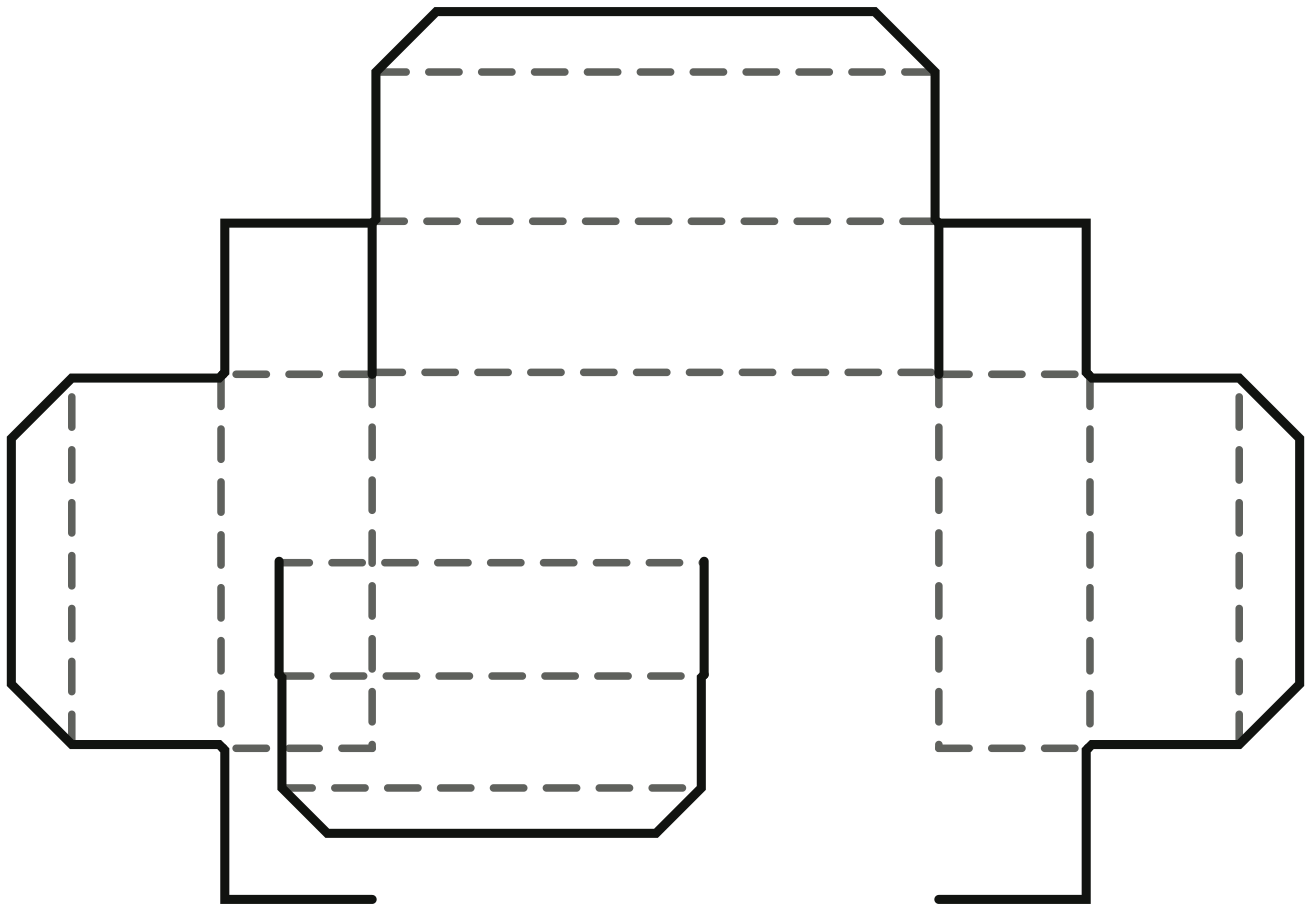
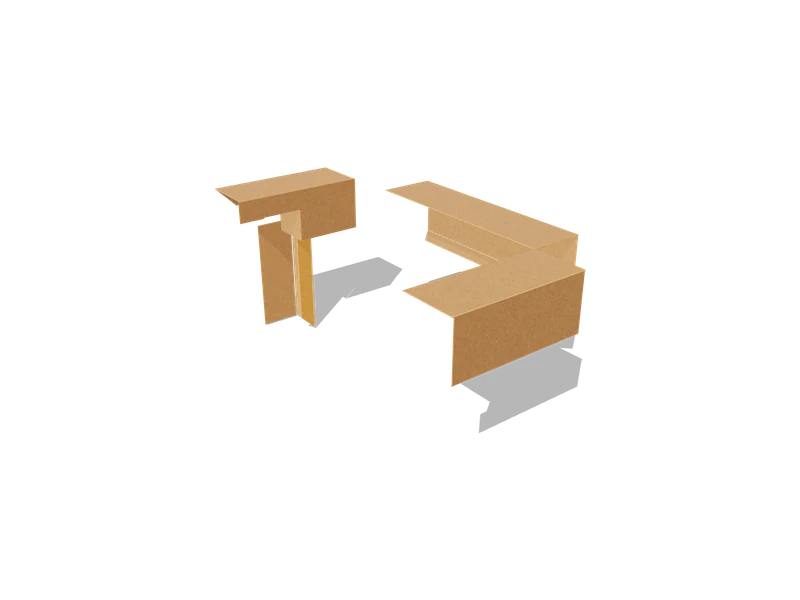
ECMA2D DIELINE3D FOLDED
Presentation Tray — Four Double Wall (Variant A)
ECMA B10.02.00.00.A · 4 configurable parameters
Create dieline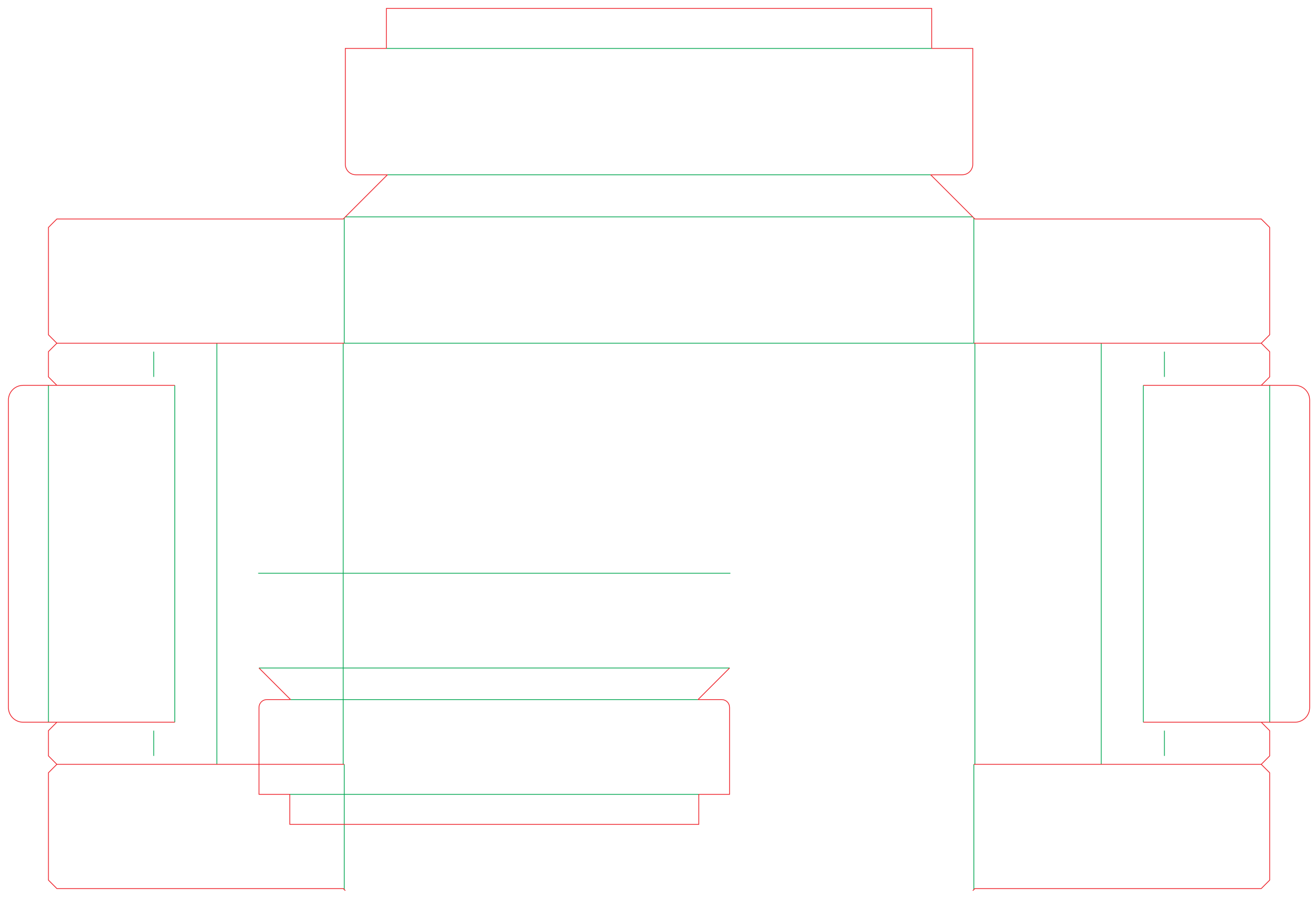
ECMA2D DIELINE3D FOLDED
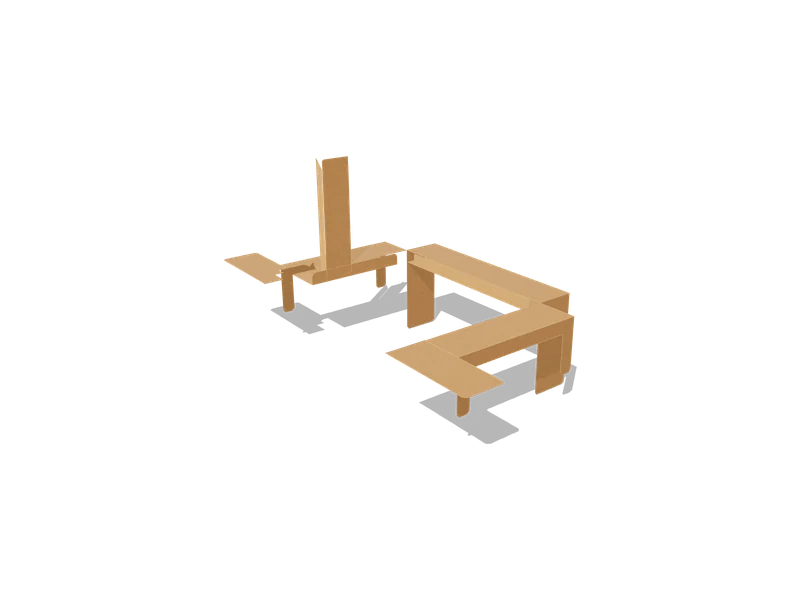
Presentation Tray — Hollow Buffer Wall
ECMA B14.02.00.00 · 5 configurable parameters
Create dieline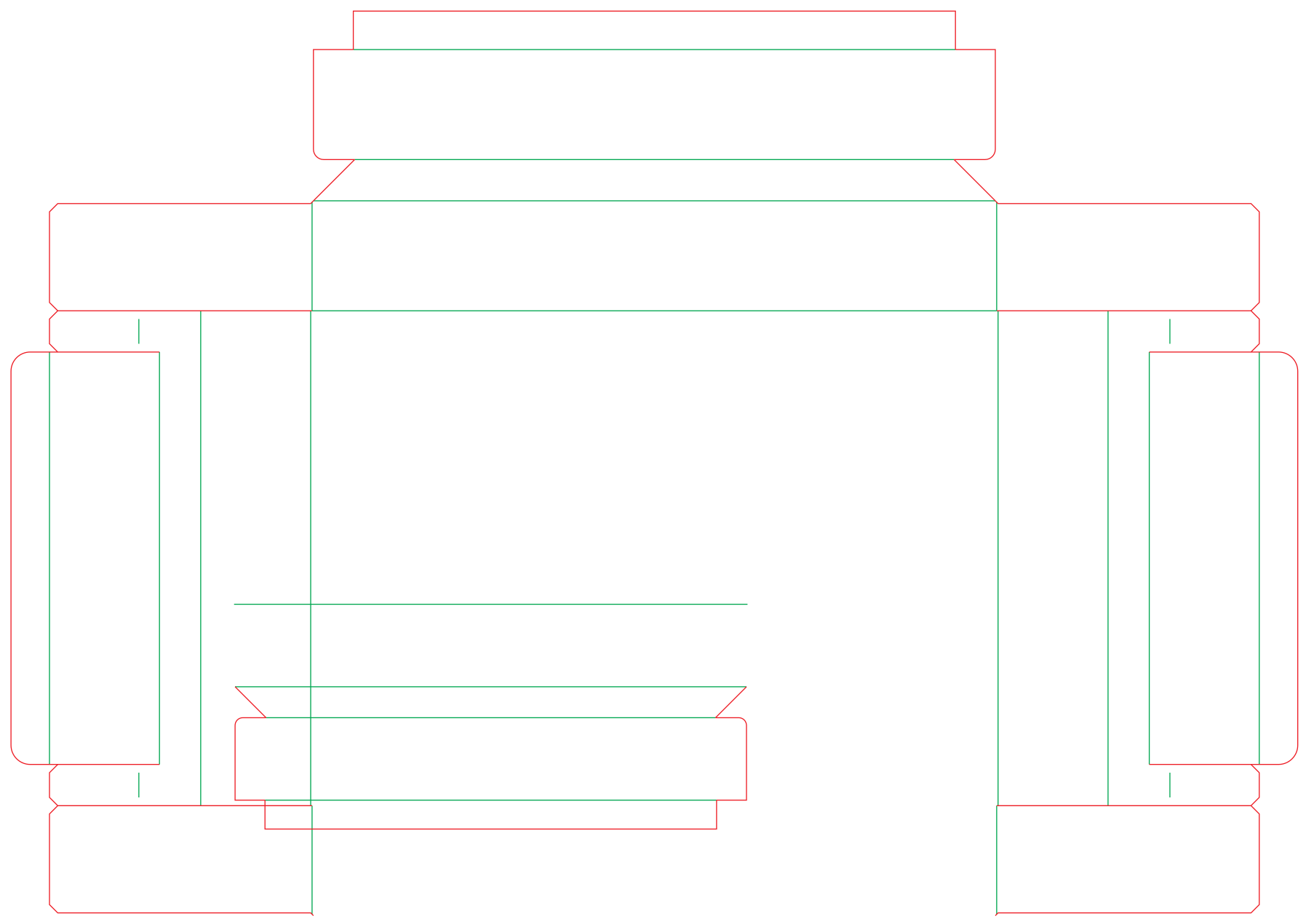
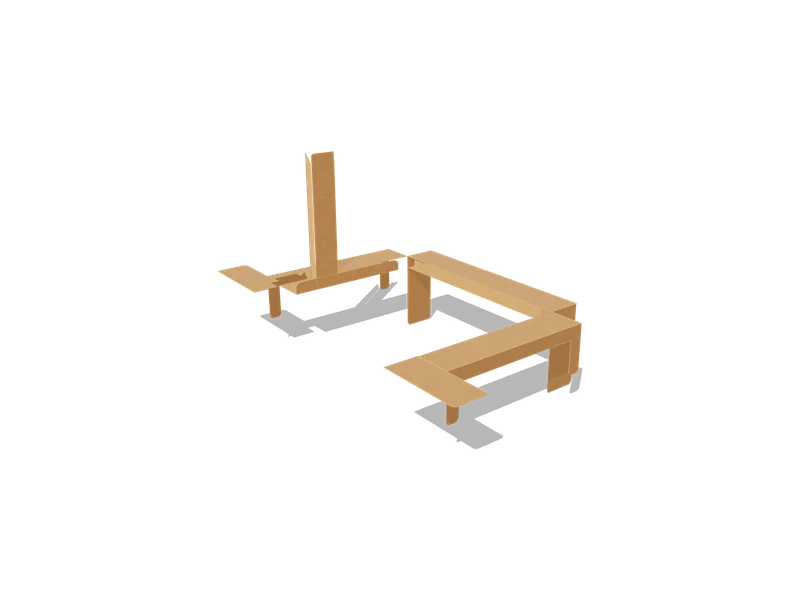
ECMA2D DIELINE3D FOLDED
Gift Box — Hollow Wall, Tray and Lid Set
ECMA B14.02.00.00 + Lid · 6 configurable parameters
Create dieline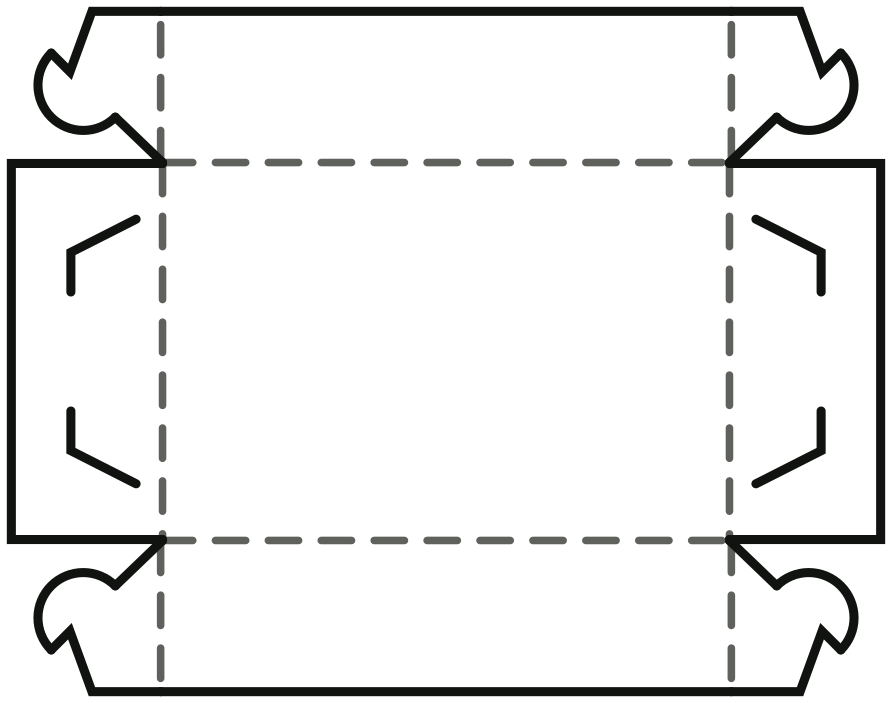
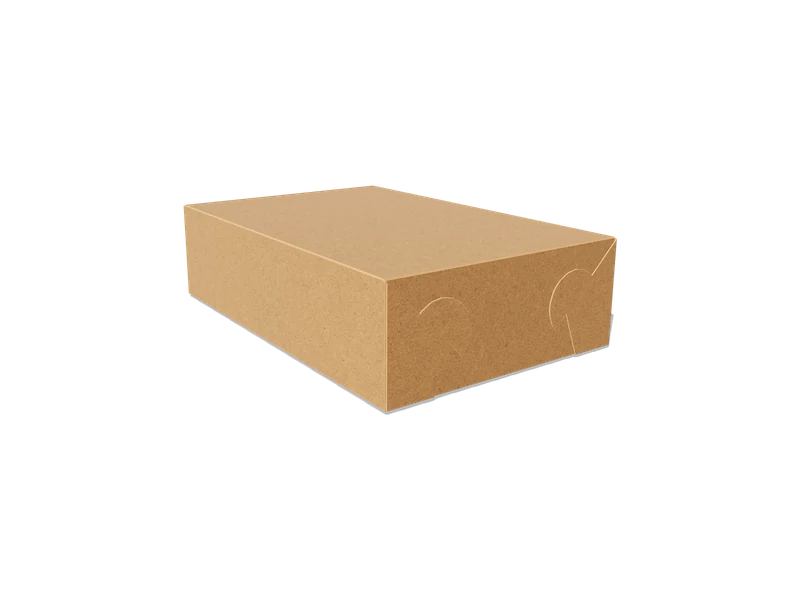
ECMA2D DIELINE3D FOLDED
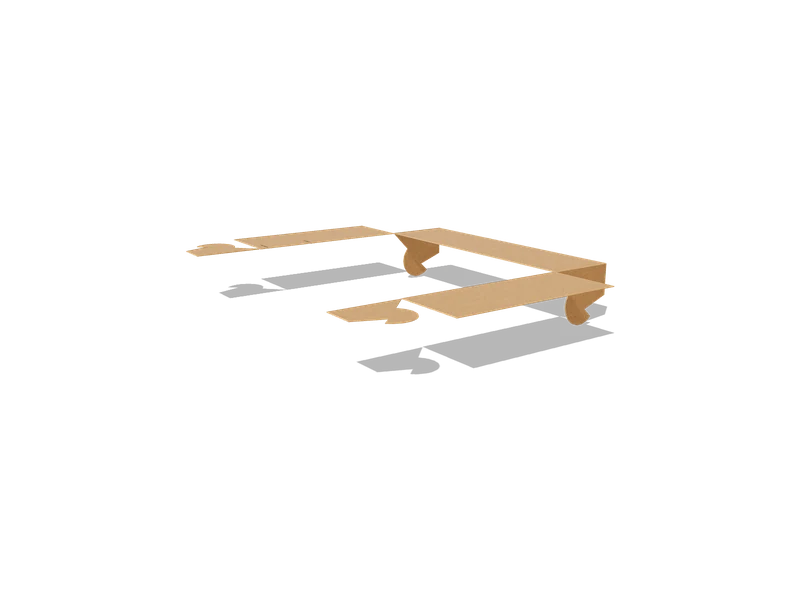
Confectionery & Chocolate Box — Hook-Lock Tray
ECMA B15.06.00.00 · 4 configurable parameters
Create dieline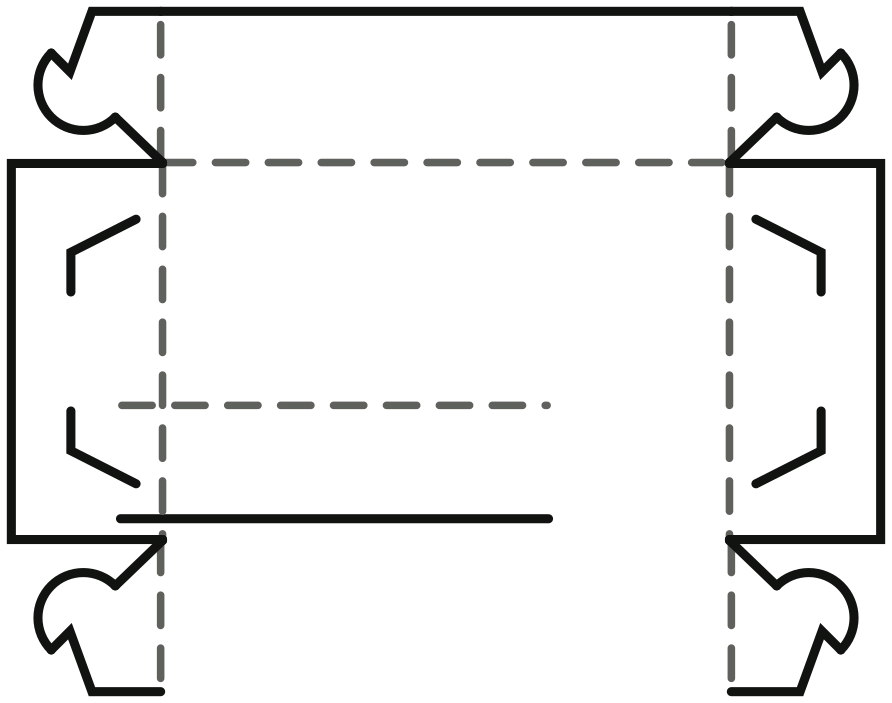
ECMA2D DIELINE3D FOLDED
Gift Box — Hook-Lock, Tray and Lid Set
ECMA B15.06.00.00 + Lid · 5 configurable parameters
Create dieline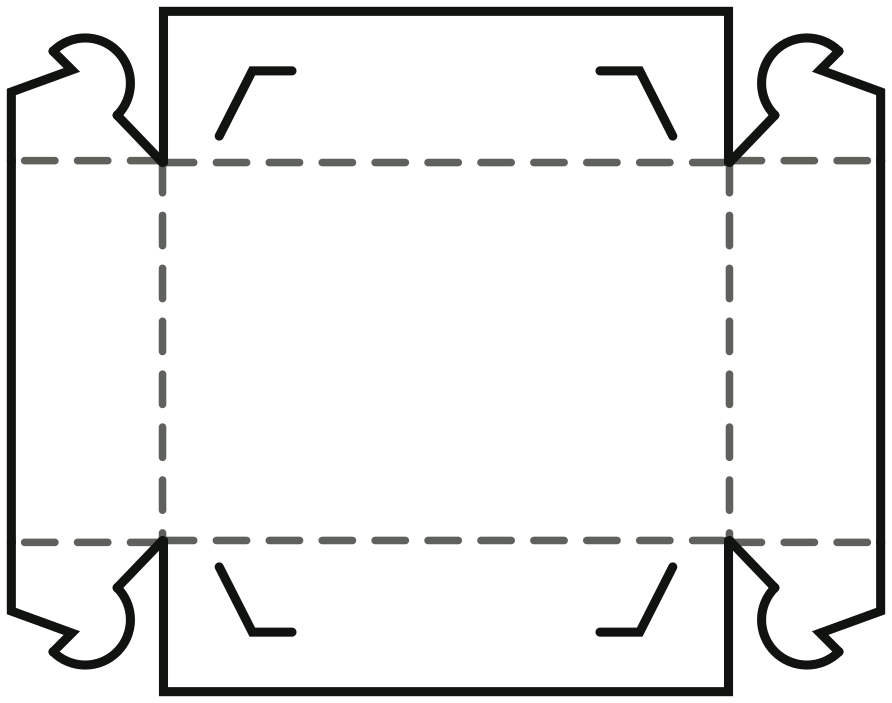
ECMA2D DIELINE3D FOLDED
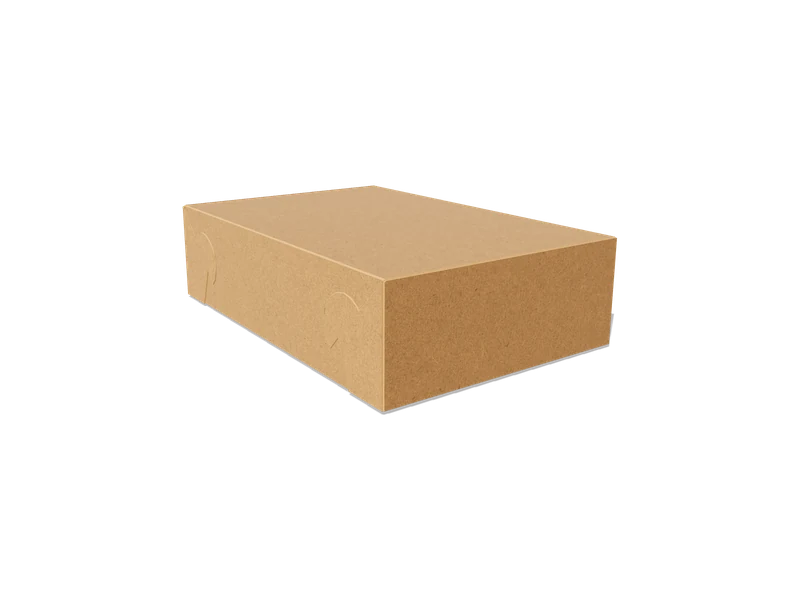
Confectionery & Chocolate Box — Hook-Lock Tray (Variant A)
ECMA B15.06.00.00.A · 4 configurable parameters
Create dieline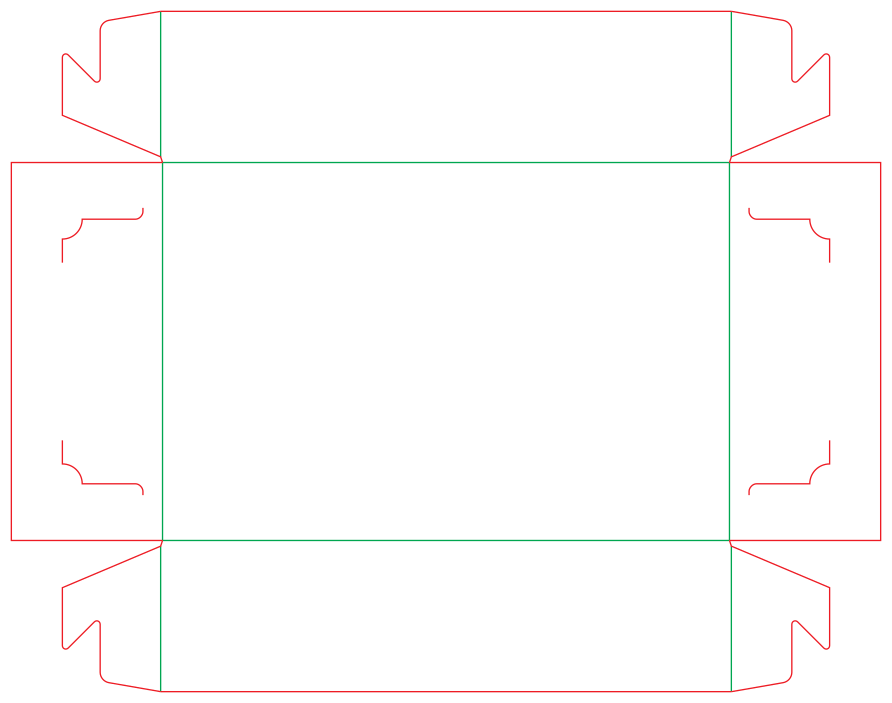
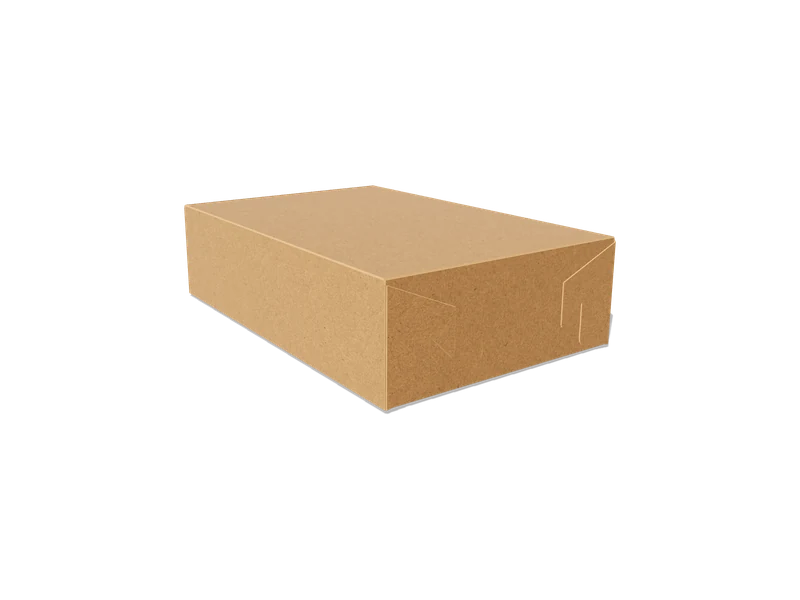
ECMA2D DIELINE3D FOLDED
Confectionery & Chocolate Box — Hook-Lock Tray (Variant B)
ECMA B15.06.00.00.B · 4 configurable parameters
Create dieline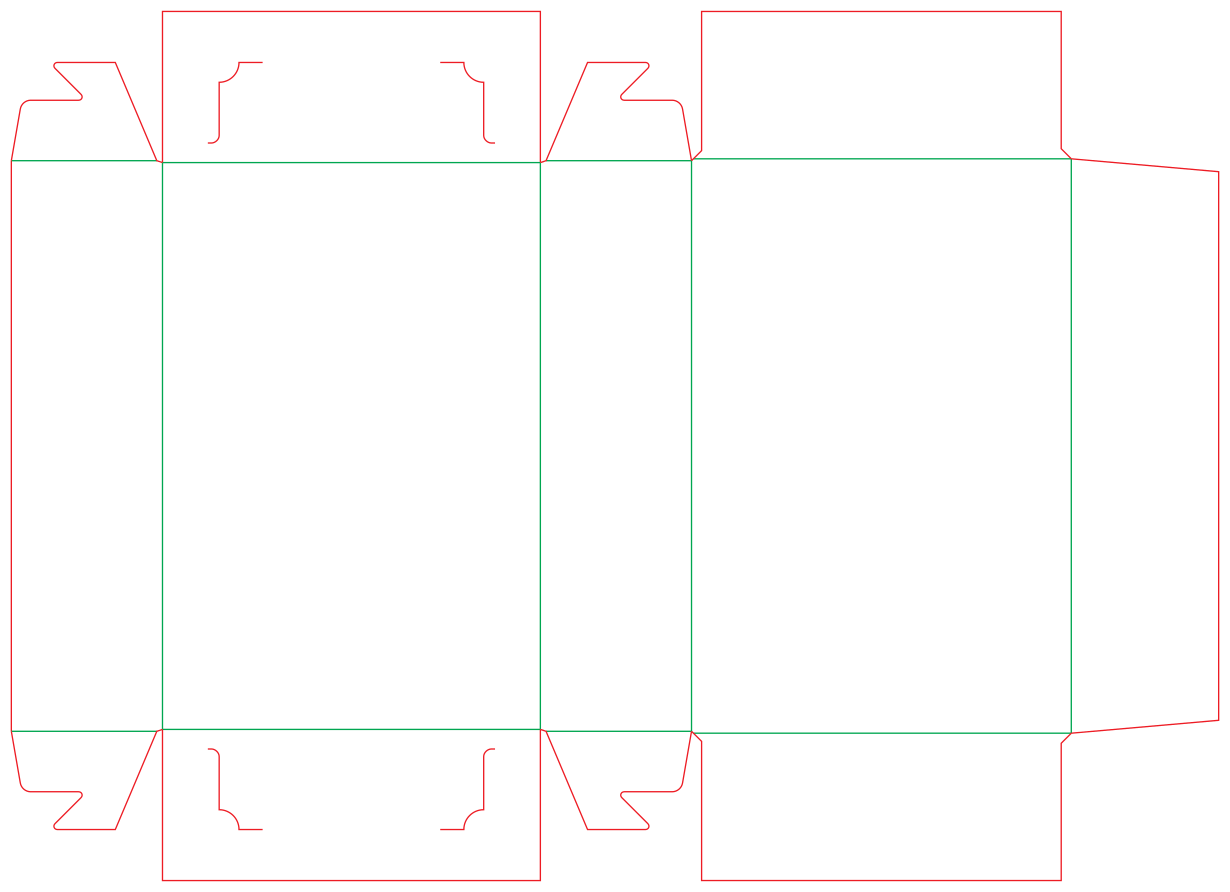
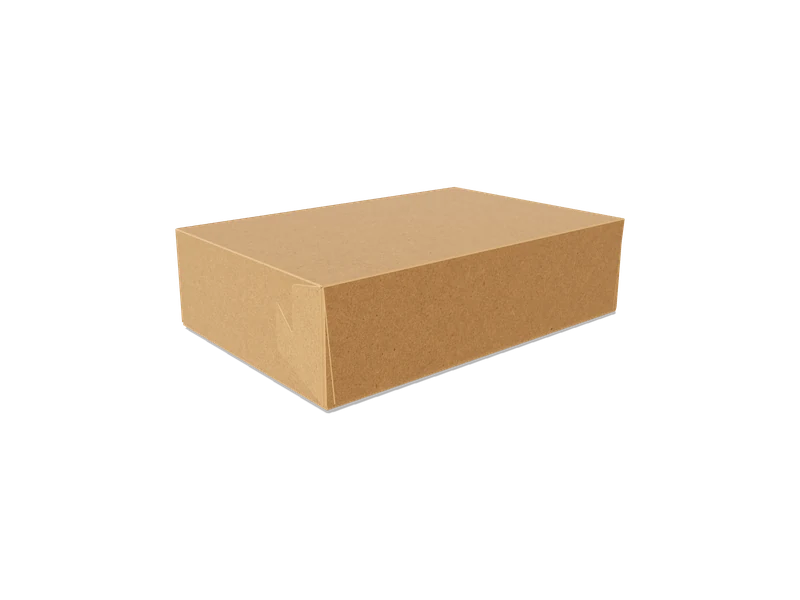
ECMA2D DIELINE3D FOLDED
Gift Box — Hook-Lock, Open-Corner Lid
ECMA B15.06.00.53 · 4 configurable parameters
Create dieline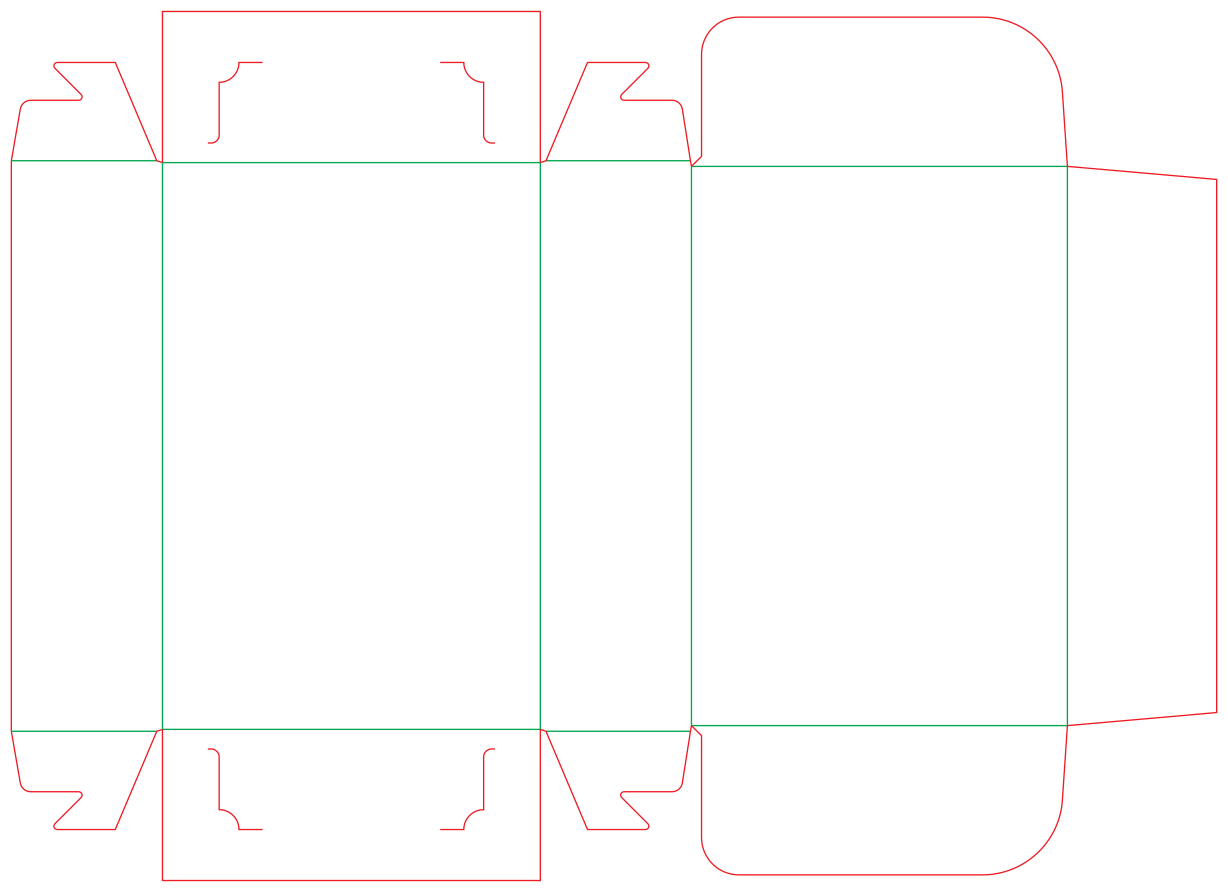
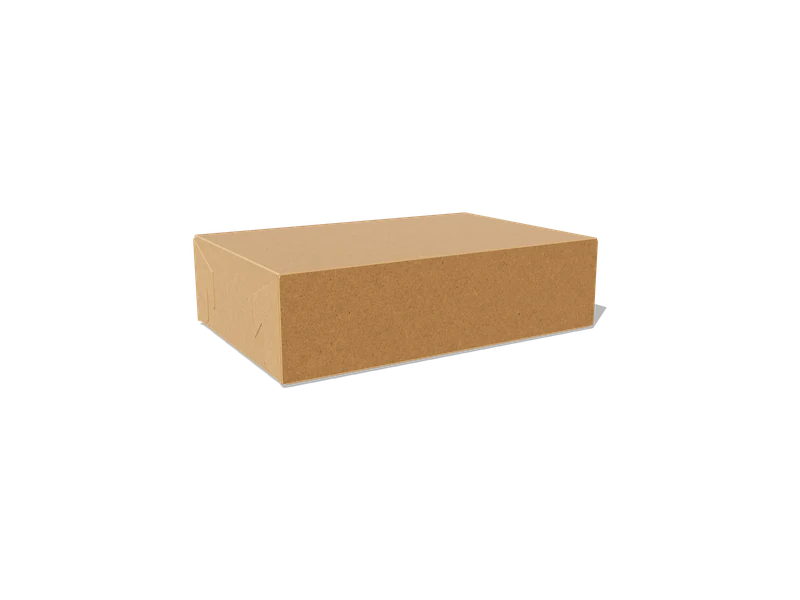
ECMA2D DIELINE3D FOLDED
Gift Box — Open-Corner Lid (Variant A)
ECMA B15.06.00.53.A · 4 configurable parameters
Create dieline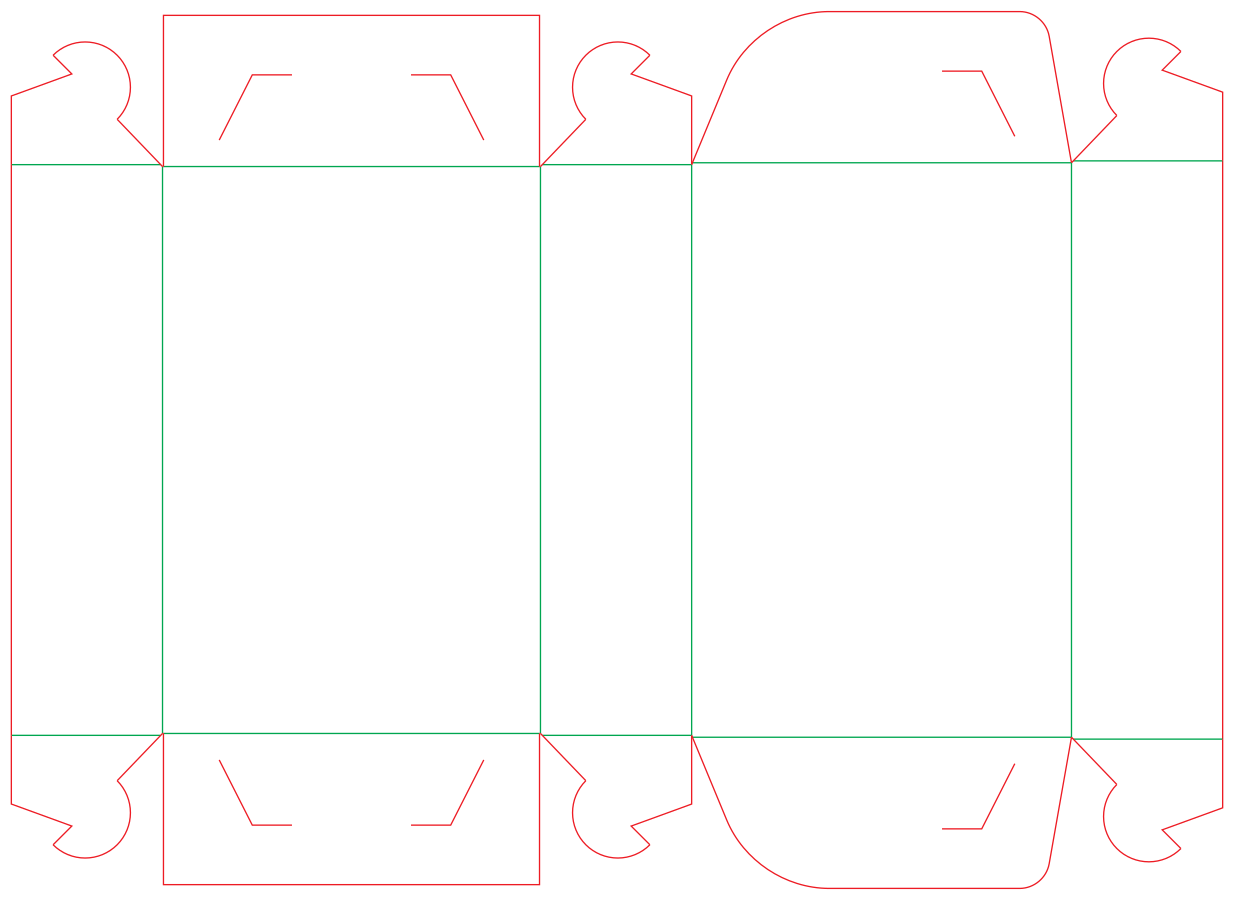
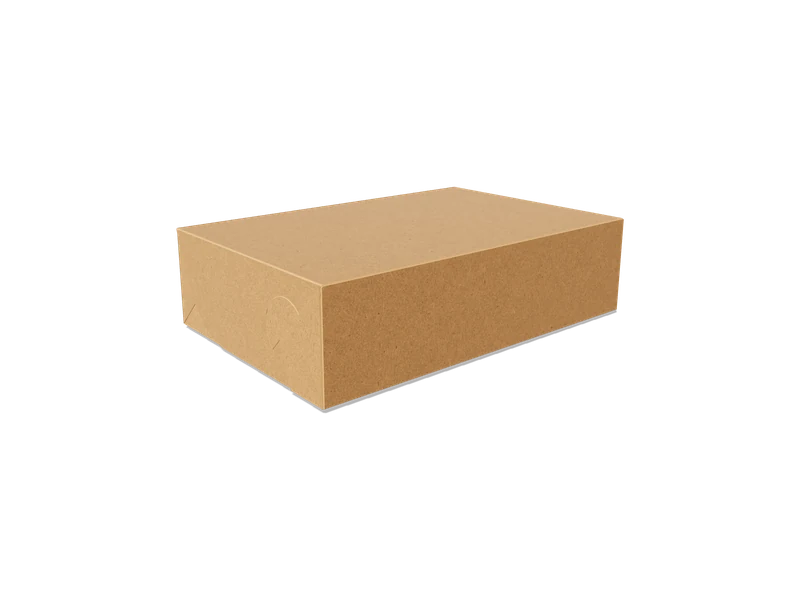
ECMA2D DIELINE3D FOLDED
Gift Box — Fully Hook-Locked with Lid
ECMA B15.06.00.55 · 4 configurable parameters
Create dieline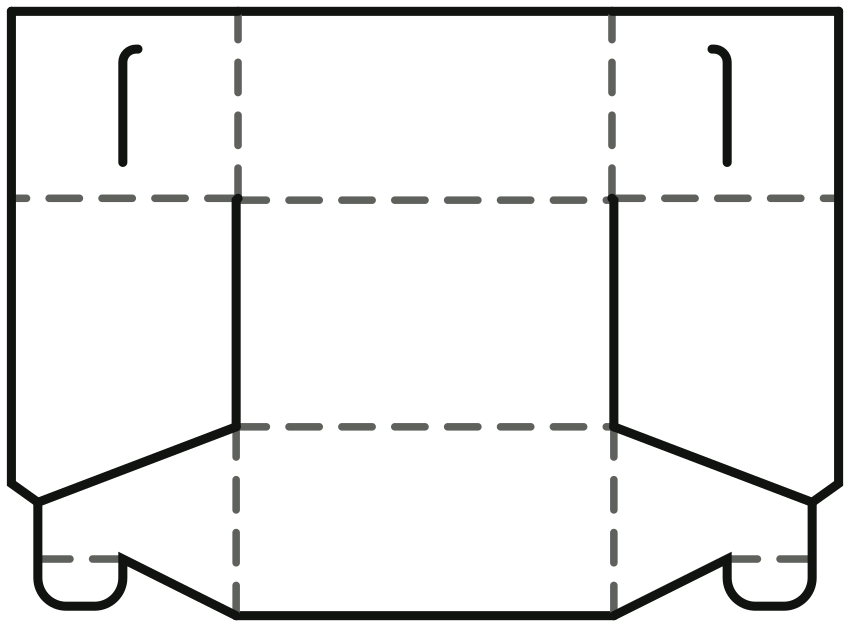

ECMA2D DIELINE3D FOLDED
Confectionery & Chocolate Box — Hook-Lock Tray with Dust Flaps
ECMA B15.06.82.00 · 4 configurable parameters
Create dieline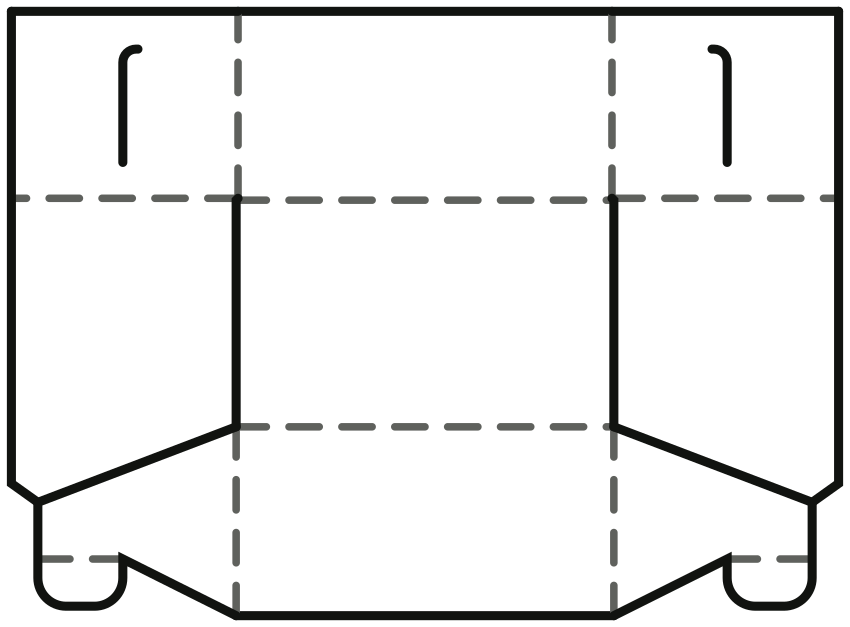

ECMA2D DIELINE3D FOLDED
Gift Box — Hook-Lock Tray with Dust Flaps, Tray and Lid Set
ECMA B15.06.82.00 + Lid · 5 configurable parameters
Create dieline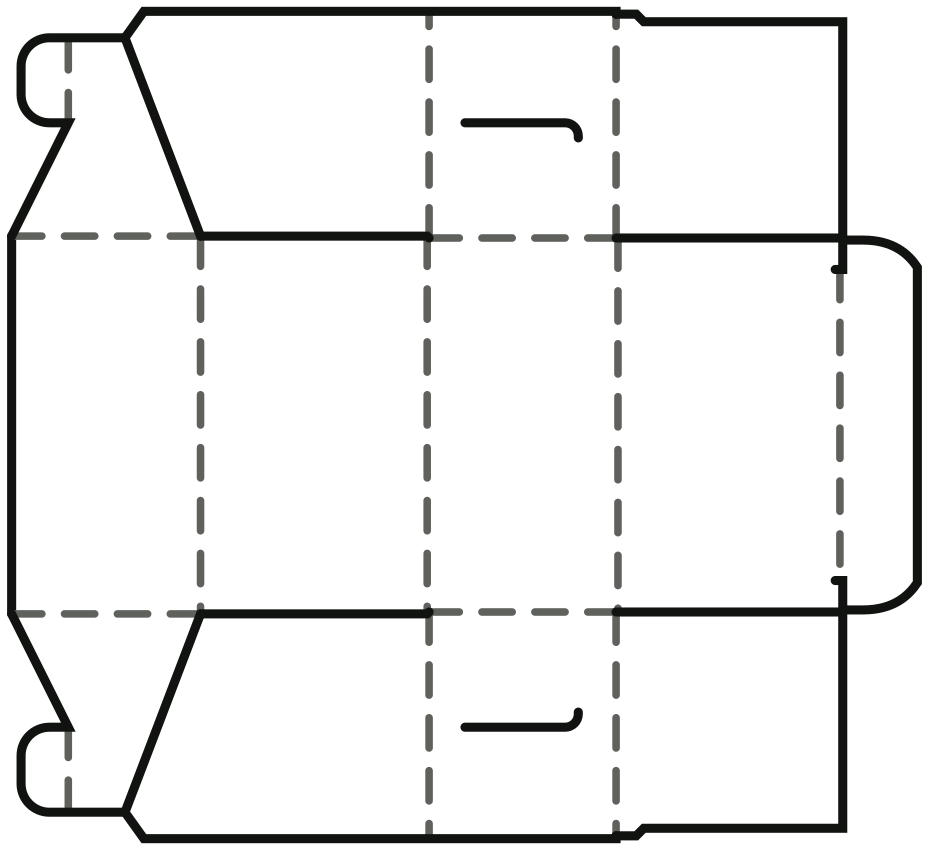

ECMA2D DIELINE3D FOLDED
Confectionery & Chocolate Box — Hook-Lock Tray with Tuck-Flap Lid
ECMA B15.06.82.50 · 4 configurable parameters
Create dieline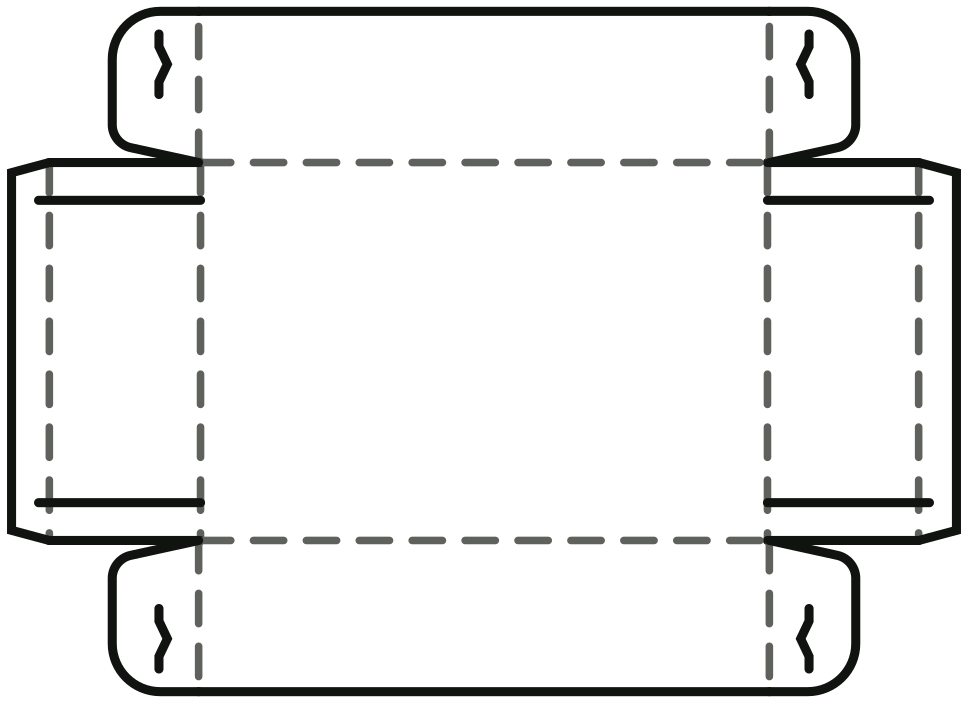

ECMA2D DIELINE3D FOLDED
Confectionery & Chocolate Box — Hook-Lock, No Lid (Variant A)
ECMA B15.07.82.00 A · 4 configurable parameters
Create dieline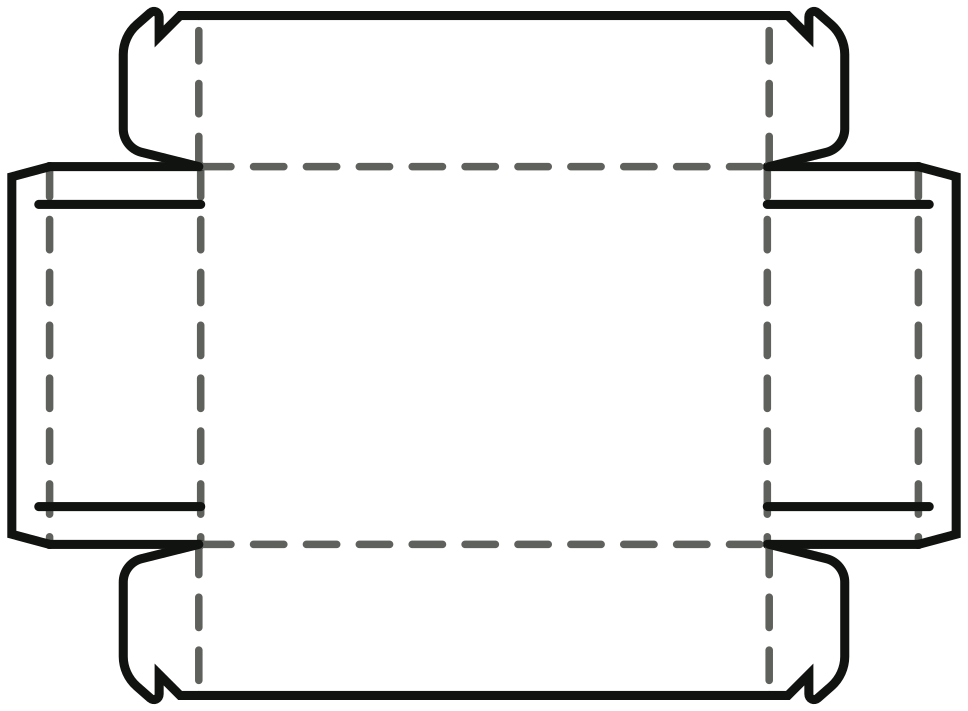

ECMA2D DIELINE3D FOLDED
Confectionery & Chocolate Box — Hook-Lock, No Lid
ECMA B15.07.82.00 B · 4 configurable parameters
Create dieline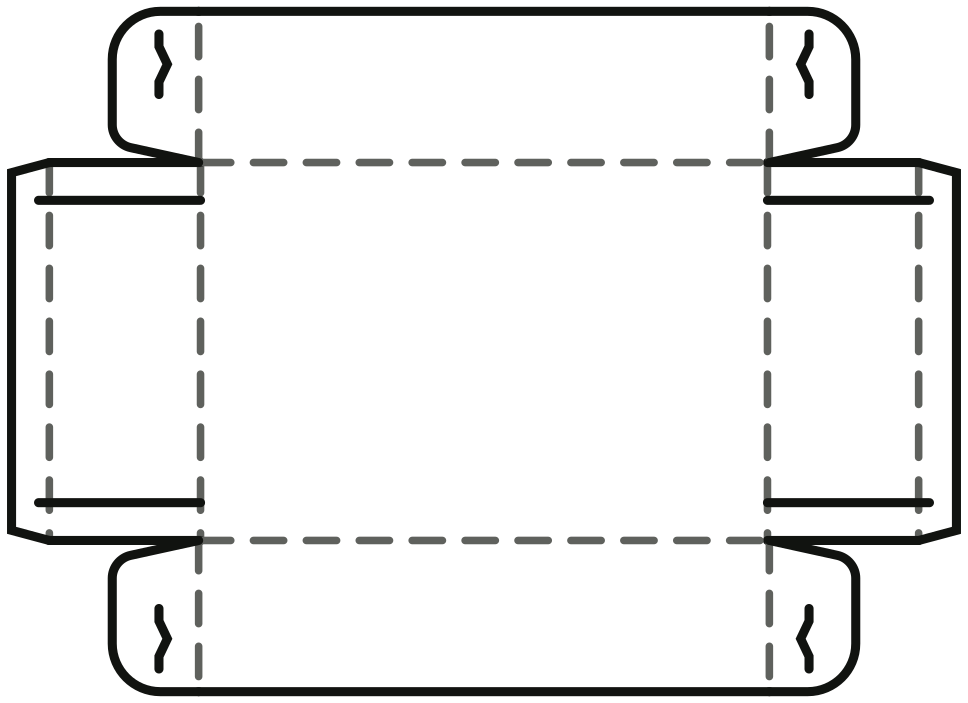

ECMA2D DIELINE3D FOLDED
Gift Box — Hook-Lock Rail Tray (Variant A), Tray and Lid Set
ECMA B15.07.82.00.A + Lid · 5 configurable parameters
Create dieline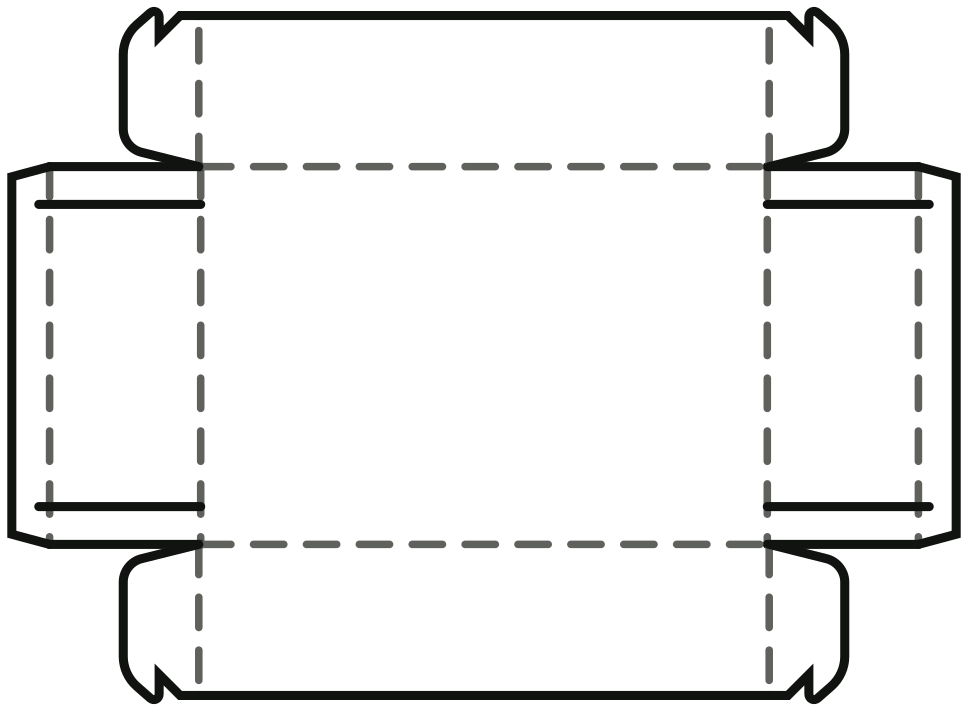

ECMA2D DIELINE3D FOLDED
Gift Box — Hook-Lock Rail Tray (Variant B), Tray and Lid Set
ECMA B15.07.82.00.B + Lid · 5 configurable parameters
Create dieline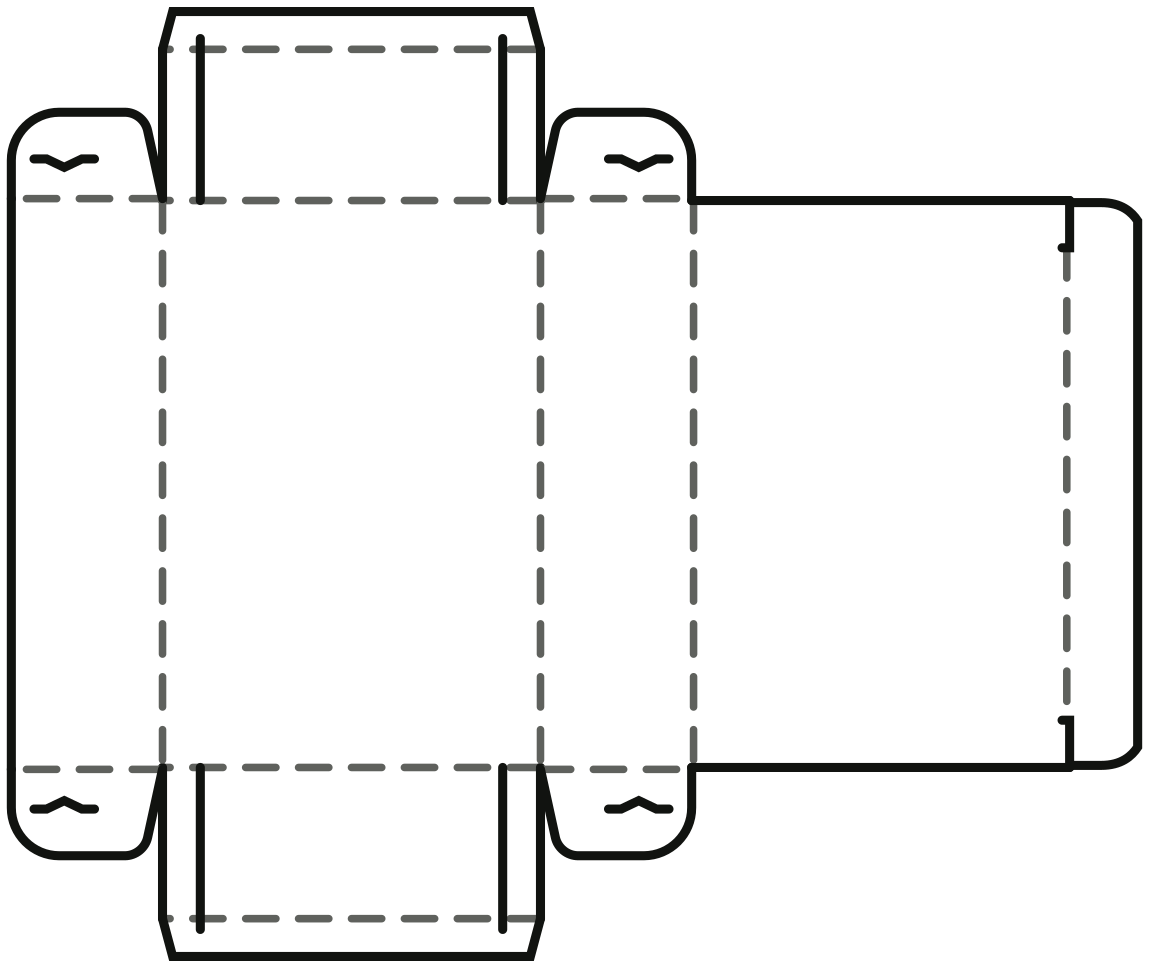

ECMA2D DIELINE3D FOLDED
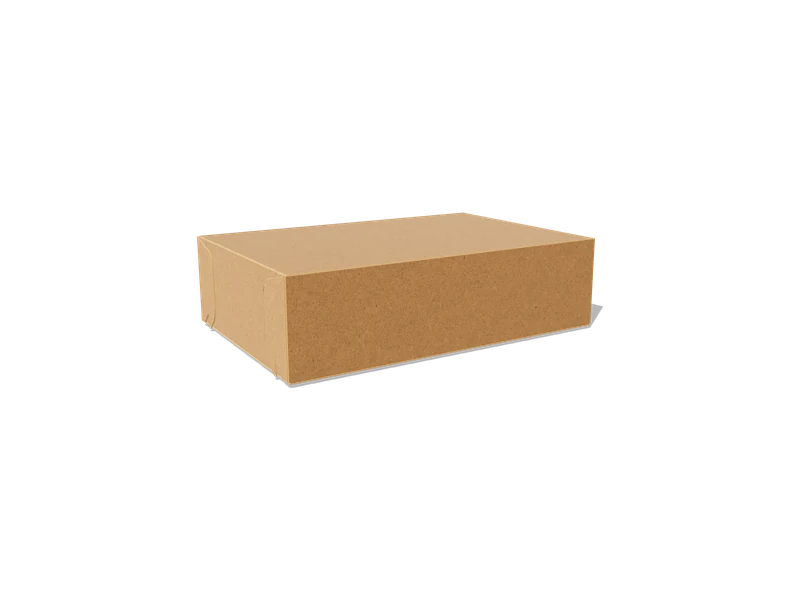
Confectionery & Chocolate Box — Hook-Lock, Tuck Lid (Variant A)
ECMA B15.07.82.50 A · 4 configurable parameters
Create dieline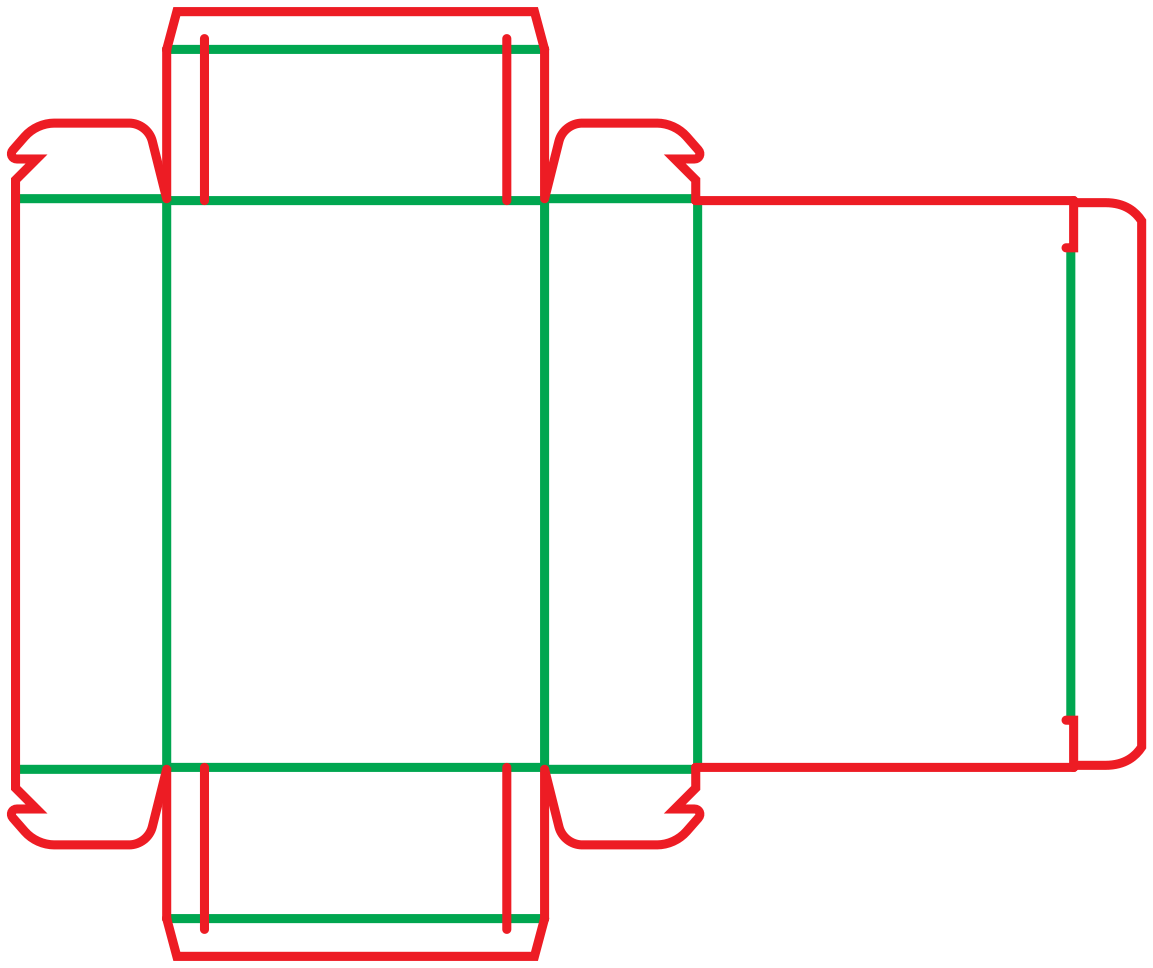
ECMA2D DIELINE3D FOLDED
Confectionery & Chocolate Box — Hook-Lock, Tuck Lid
ECMA B15.07.82.50 B · 4 configurable parameters
Create dieline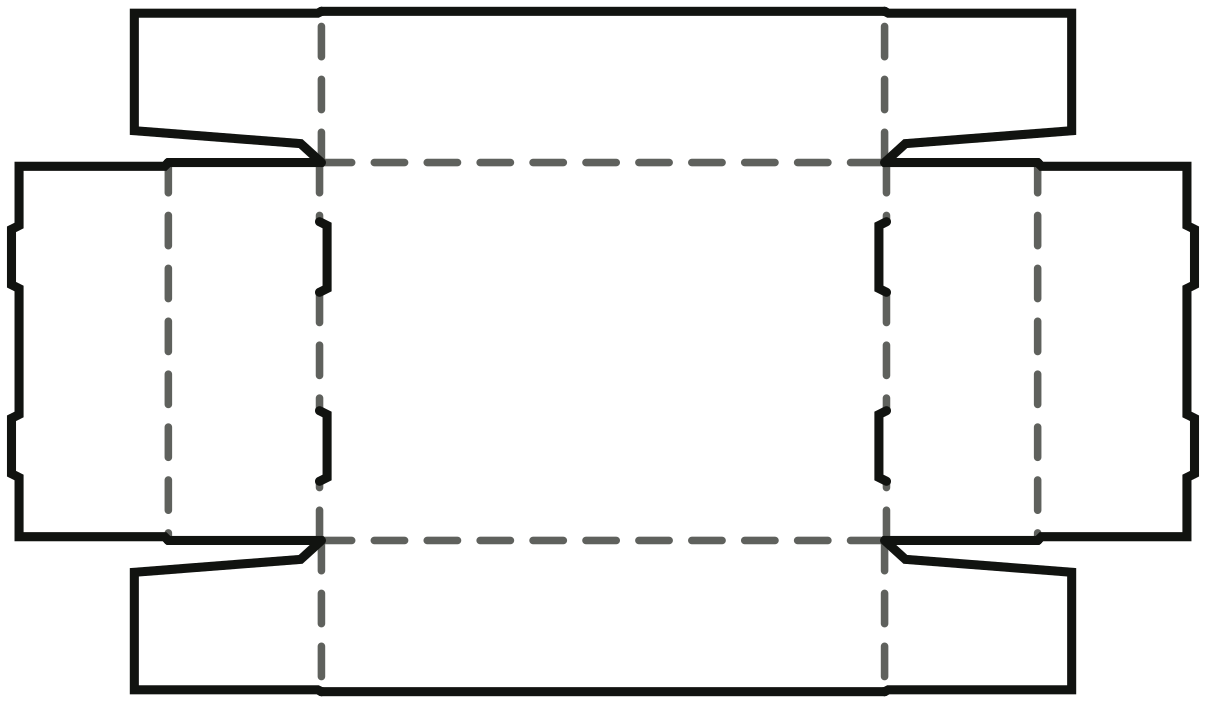

ECMA2D DIELINE3D FOLDED
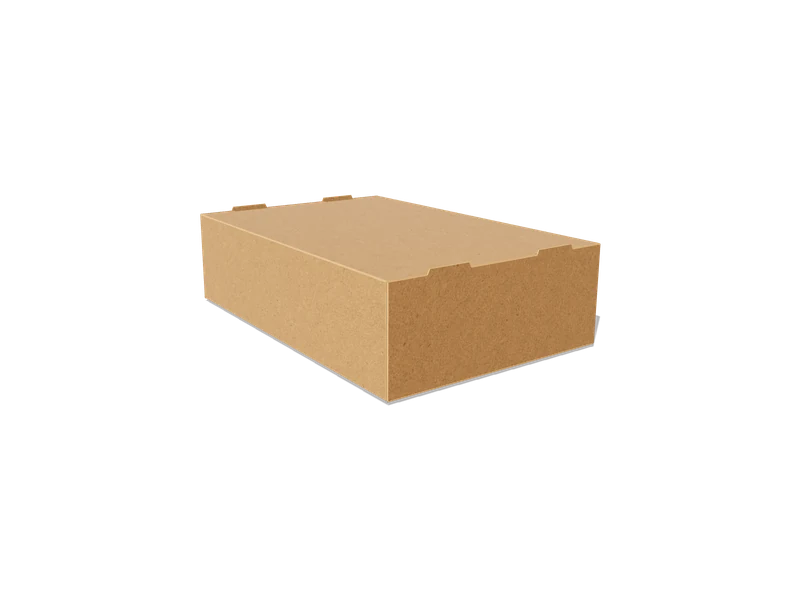
Presentation Tray — Two Double Wall
ECMA B20.01.00.00 · 4 configurable parameters
Create dieline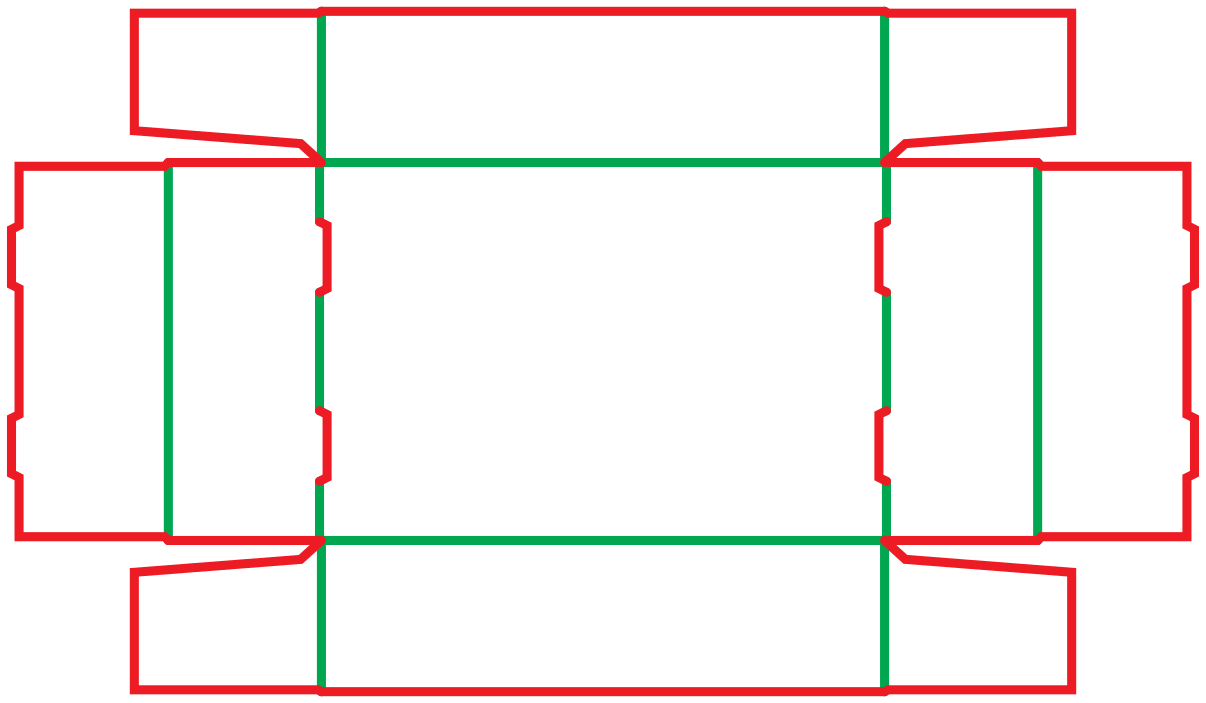
ECMA2D DIELINE3D FOLDED
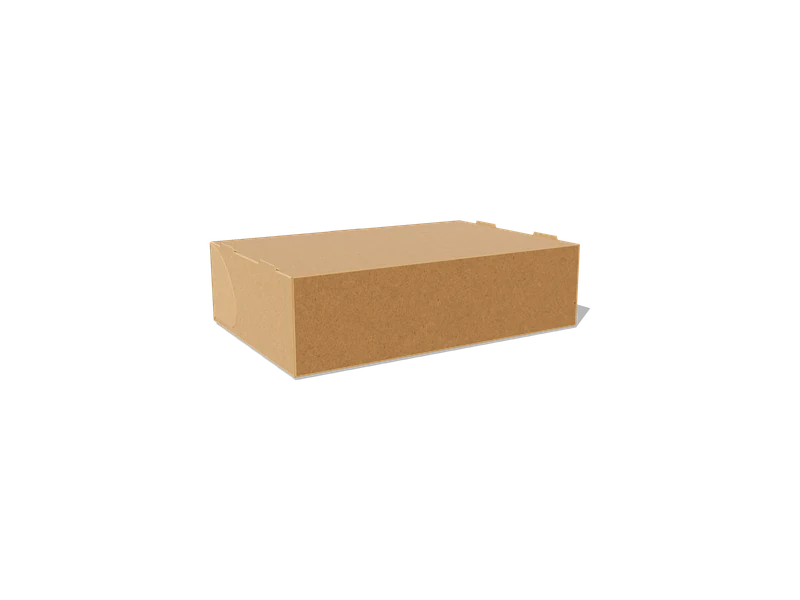
Apparel & Shirt Box — Two Double Wall, Tray and Lid Set
ECMA B20.01.00.00 + Lid · 5 configurable parameters
Create dieline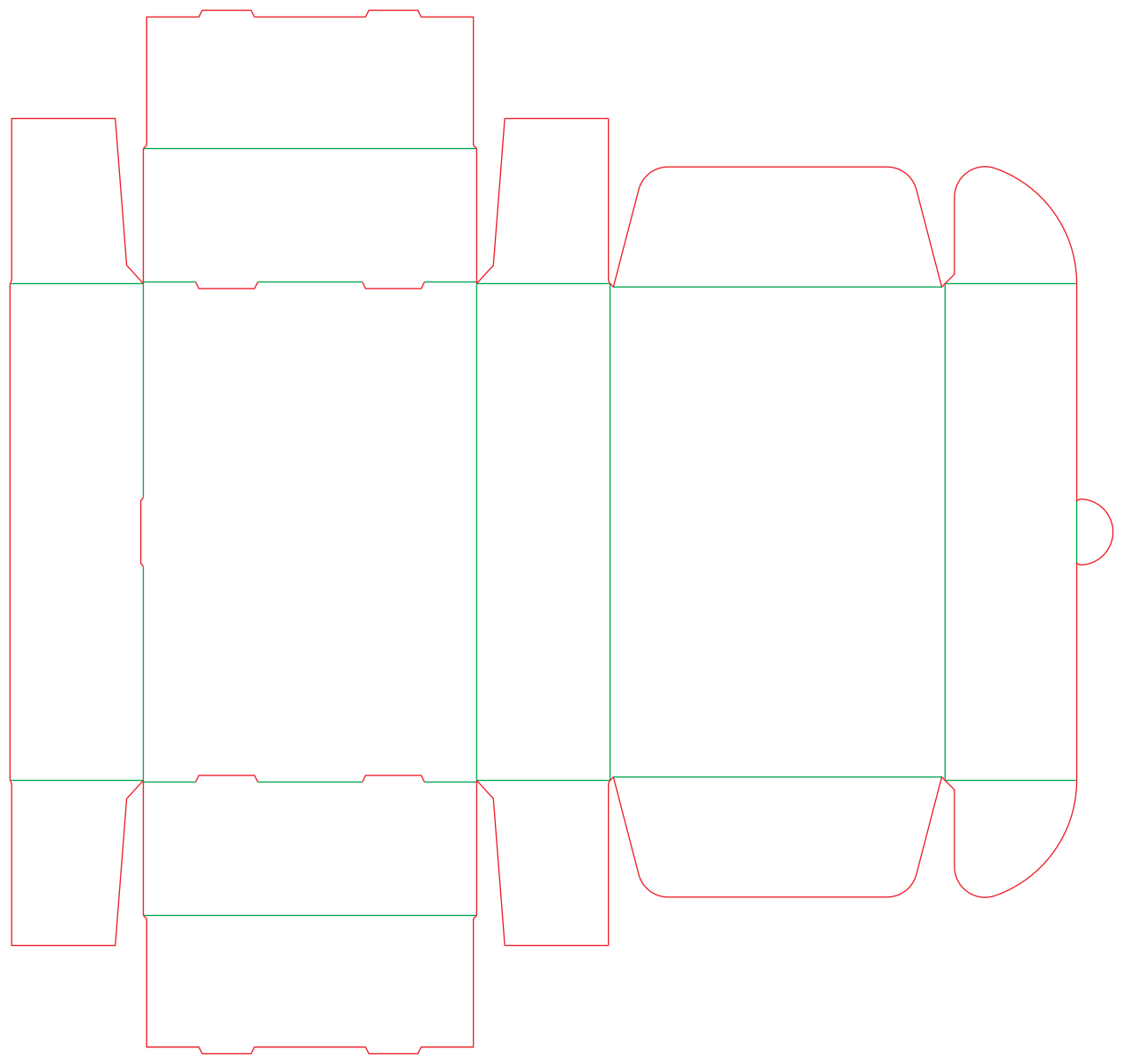
ECMA2D DIELINE3D FOLDED
Confectionery & Chocolate Box — Two Double Wall, Tuck Lid
ECMA B20.01.00.50.32 · 4 configurable parameters
Create dieline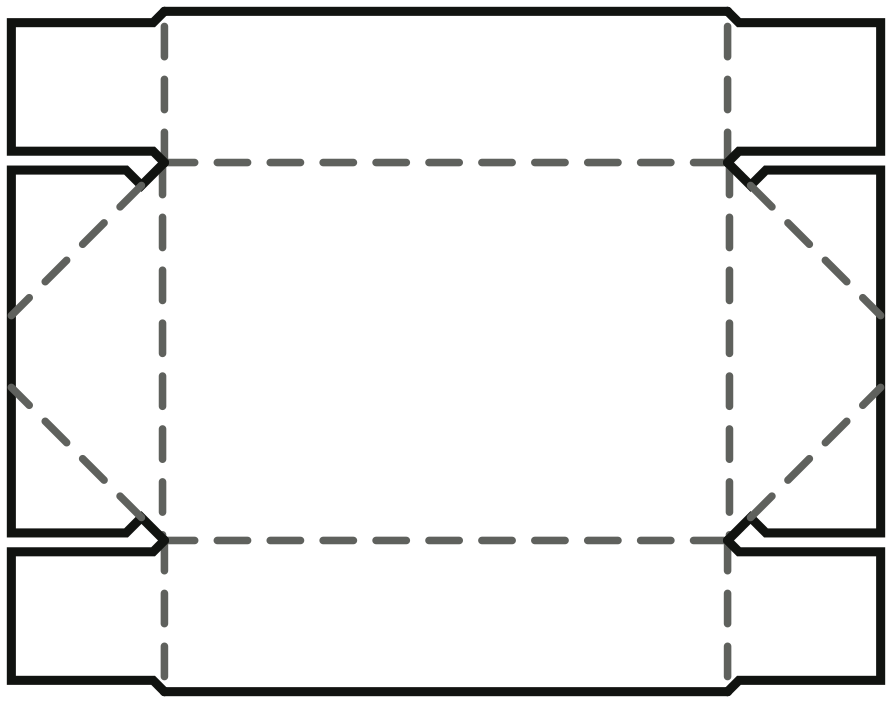

ECMA2D DIELINE3D FOLDED
Presentation Tray — Four-Corner Glued Tray, In-Fold (Variant A)
ECMA B40.22.00.00.A · 4 configurable parameters
Create dieline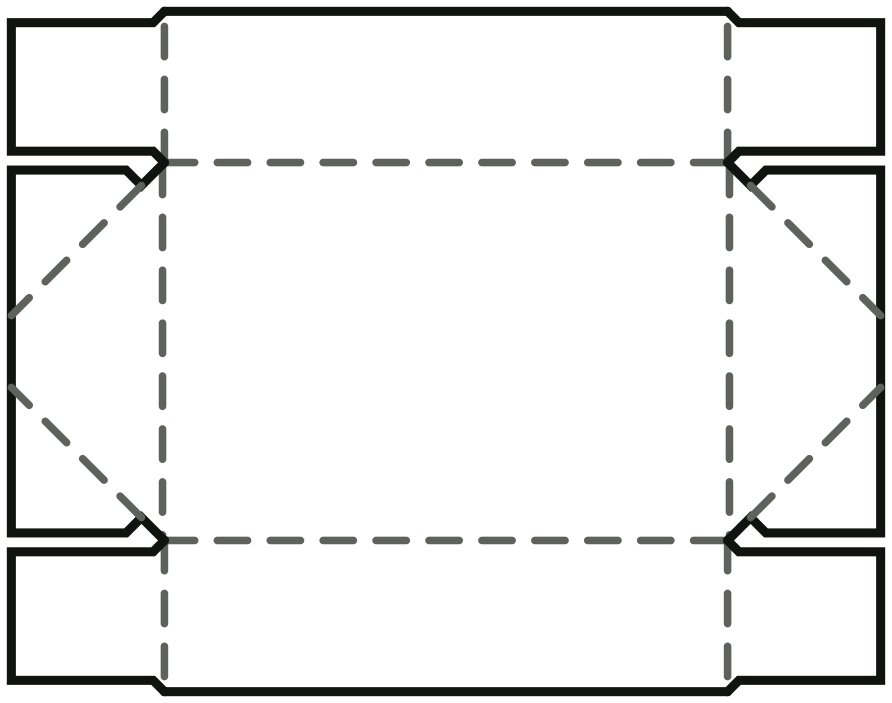

ECMA2D DIELINE3D FOLDED
Gift Box — Four-Corner Glued Tray, In-Fold (Variant A), Tray and Lid Set
ECMA B40.22.00.00.A + Lid · 5 configurable parameters
Create dieline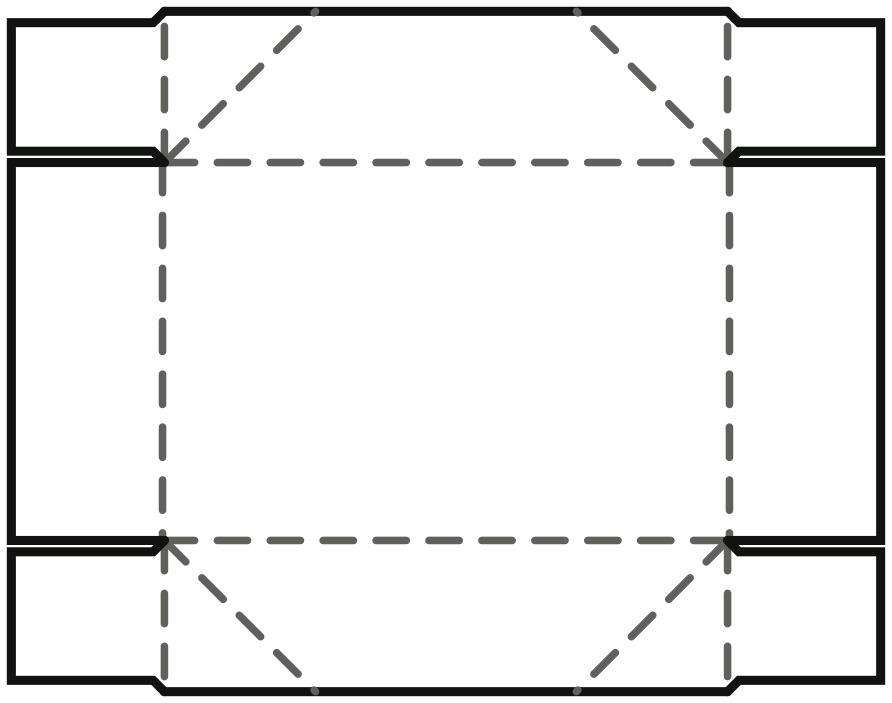

ECMA2D DIELINE3D FOLDED
Presentation Tray — Four-Corner Glued Tray, In-Fold (Variant B)
ECMA B40.22.00.00.B · 4 configurable parameters
Create dieline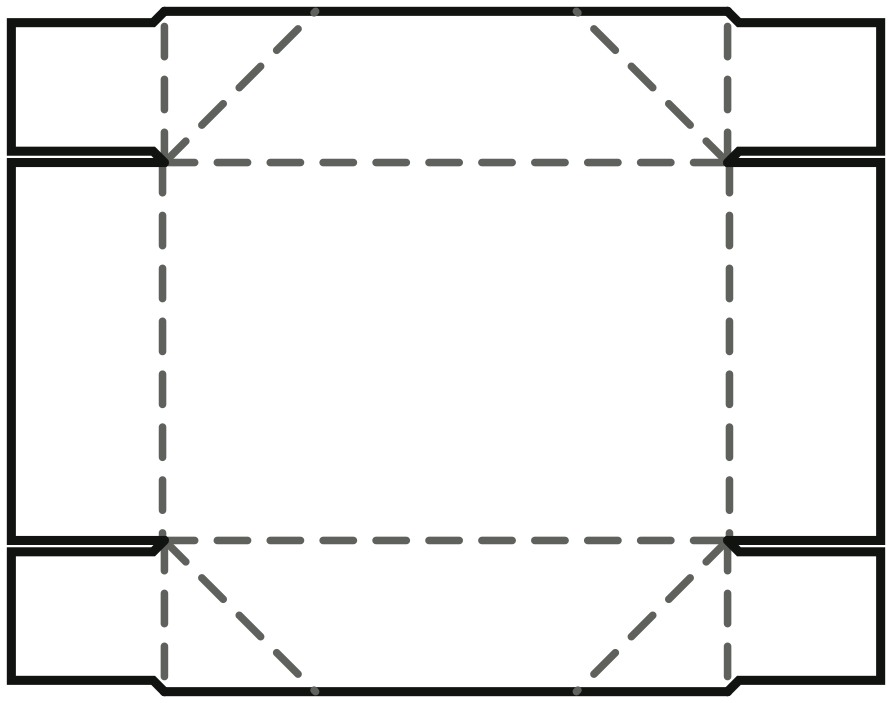

ECMA2D DIELINE3D FOLDED
Gift Box — Four-Corner Glued Tray, In-Fold (Variant B), Tray and Lid Set
ECMA B40.22.00.00.B + Lid · 5 configurable parameters
Create dieline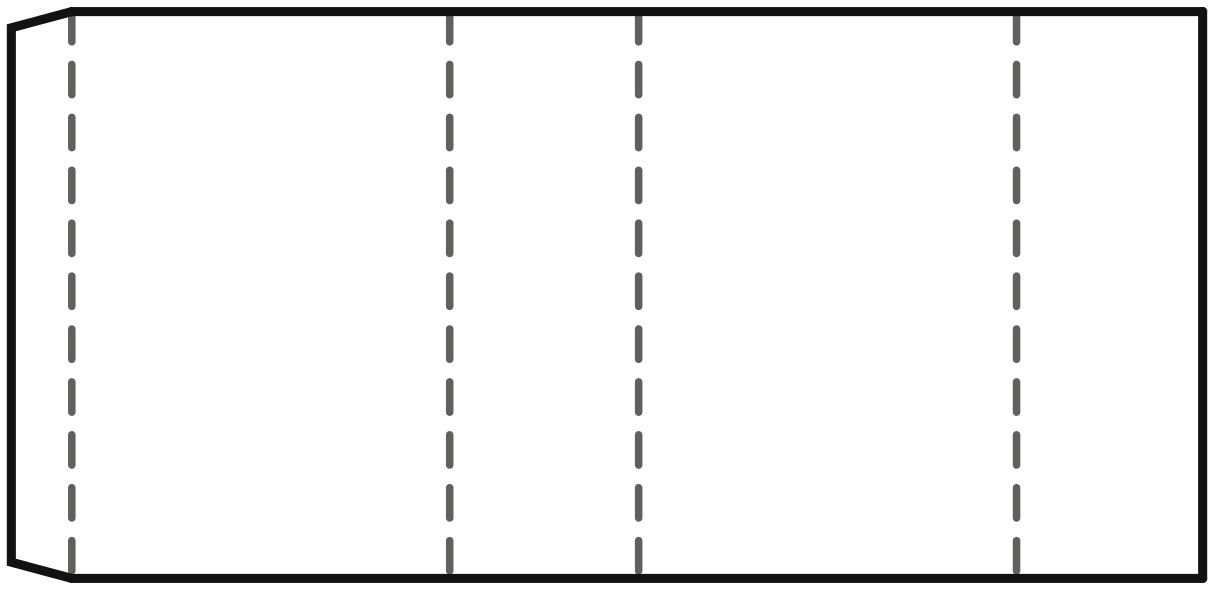

ECMA2D DIELINE3D FOLDED
Sleeve Box — Glued Shell
ECMA E30.20.00.00 · 4 configurable parameters
Create dieline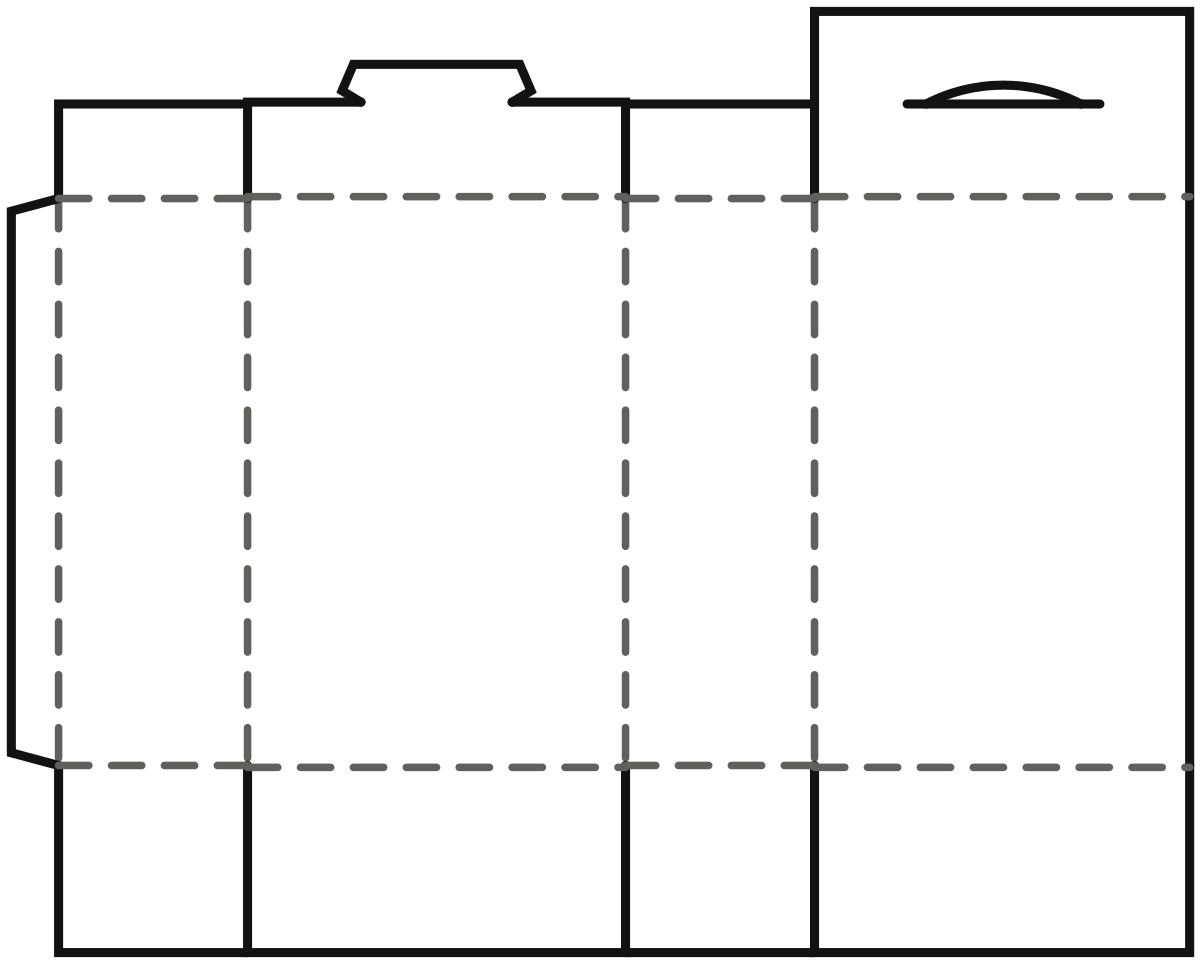
ECMA2D DIELINE3D FOLDED
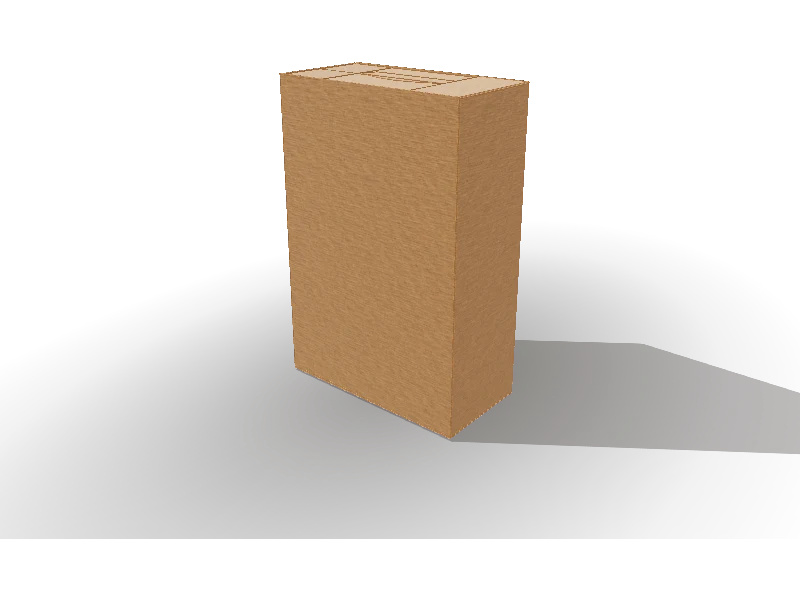
Retail Product Box — Reclosable Locking Top
ECMA F10.81.00.00 · 4 configurable parameters
Create dieline