
BAG CATALOGUE
Paper bag templates.
Choose a paper bag model, enter the panel, side-gusset and height dimensions, and generate its flat dieline. Supported templates also offer a 3D fold preview.
A bag is a dieline too
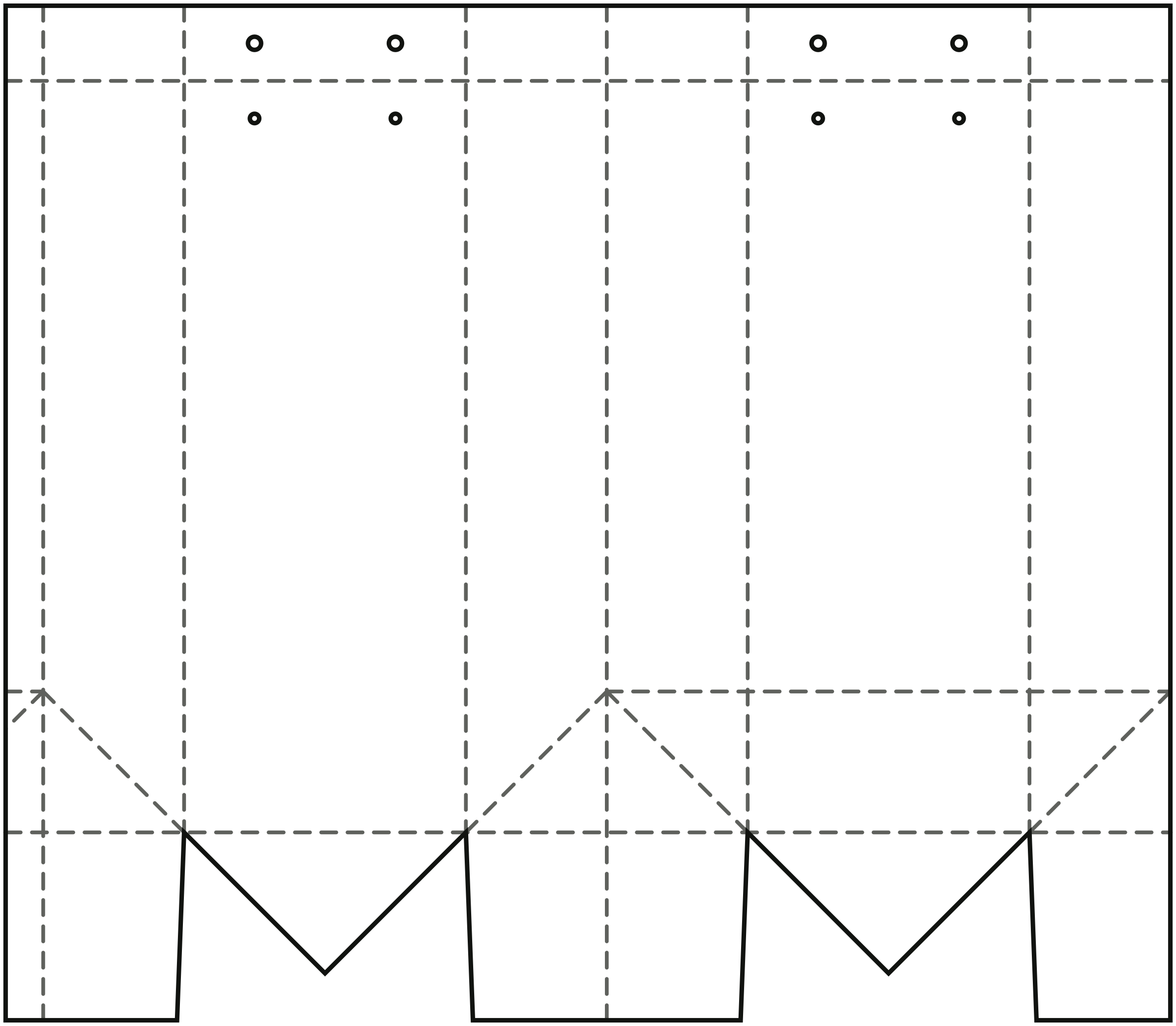
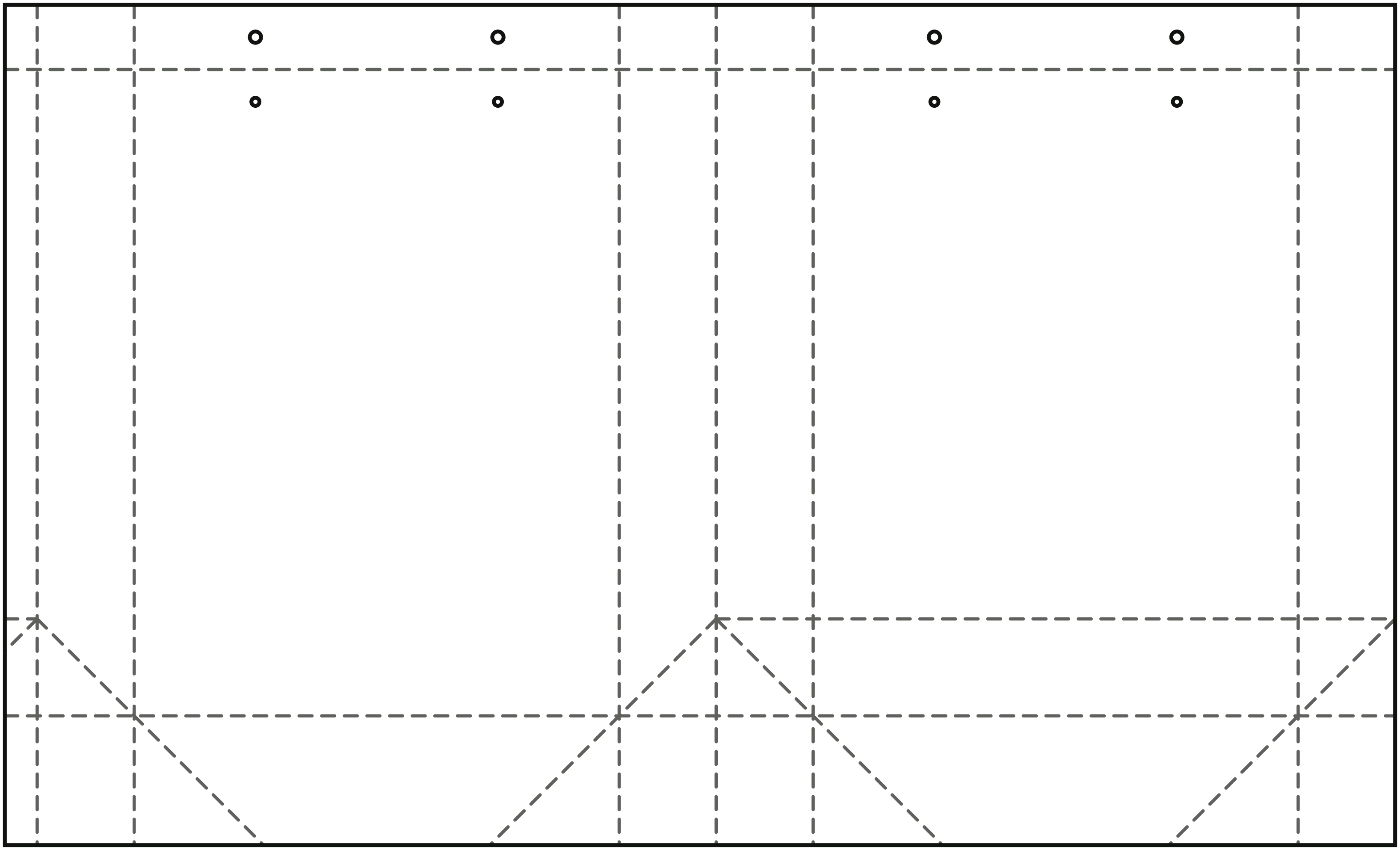
It is easy to think of bags as sewn or wrapped rather than engineered — but a paper bag is a die-cut and folded blank like any carton: front and back panels, side gussets, a base that folds into shape, and glue areas that hold the tube together.
Seen as a dieline, a bag becomes precise: gusset depth, base overlap and top finish are all measurable decisions rather than guesses, and they interact with each other as real geometry.
Construction series
The catalogue includes bag constructions with different panel, gusset and base proportions. Open a template to see the folds that define it and the dimension range it supports.
As elsewhere in the catalogue, nothing here is a static download: the blank regenerates from your dimensions.
Gussets and the base fold
The character of a bag lives in its gussets and base. Side gussets let the bag expand to hold volume and fold flat for storage; the base construction decides whether it stands open on the counter or folds away to nothing. These are also the areas where geometry most often goes wrong — a base whose folds don't close cleanly, or gussets out of proportion to the opening.
Because the parameters drive the whole structure, changing a gusset or base dimension updates every dependent panel in the blank at once.
Material and direction
Bags are typically converted from kraft papers whose weight and grain direction affect how folds set and how much load the finished bag carries. Handle and closure choices add their own reinforcement needs at the top edge.
As with every template in the catalogue, treat the generated dieline as the structural starting point and confirm paper grade, grain and reinforcement details with your converter before production.
Where the artwork goes
A bag is also a print product, and the dieline is where artwork decisions become real. The front and back panels are the primary print surfaces; gussets fold away and reappear as the bag opens, and the glue seam runs through one panel — artwork that ignores it ends up with a logo interrupted by the joint.
Laying artwork out on the structural dieline, rather than on a flat rectangle, is what keeps brand elements clear of folds, seams and turn-ins. Generate the blank at your real dimensions first, then hand that exact geometry to the artwork stage.
Ships flat, stands upright
One of the bag's quiet advantages is that it lives two lives: flat in storage and transport, dimensional at the moment of use. That dual life is a structural requirement — the same folds that let the bag collapse must let it stand square when opened, which constrains how gussets, base and panels can relate to each other.
When you evaluate a bag design, think in both states: how the flat blank nests for converting and shipping, and how the opened bag presents at the counter. A proportion that optimizes one can quietly compromise the other, and comparing variants of the same series is the fastest way to see the trade-off.
See it fold before you cut
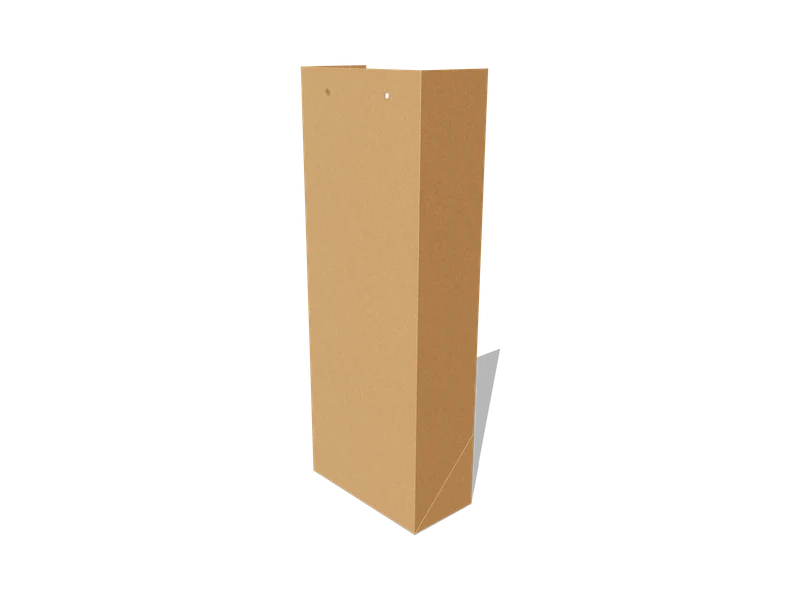
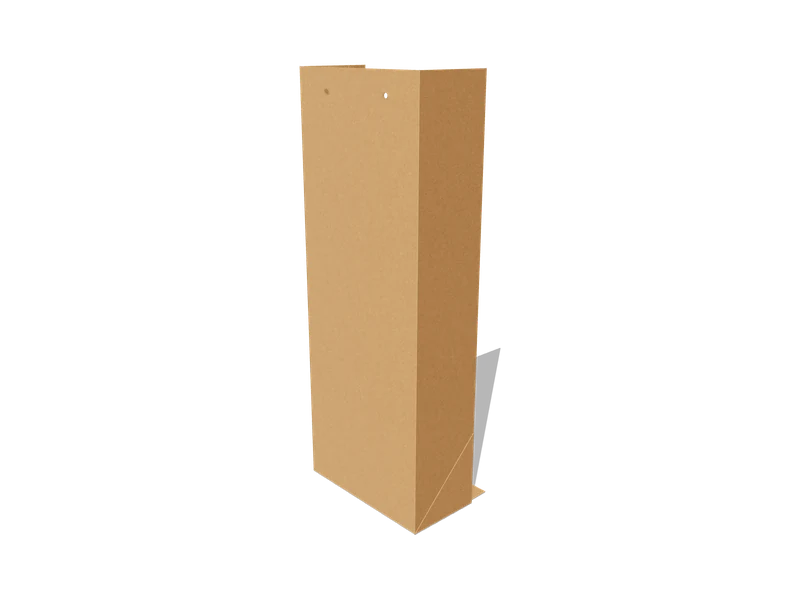
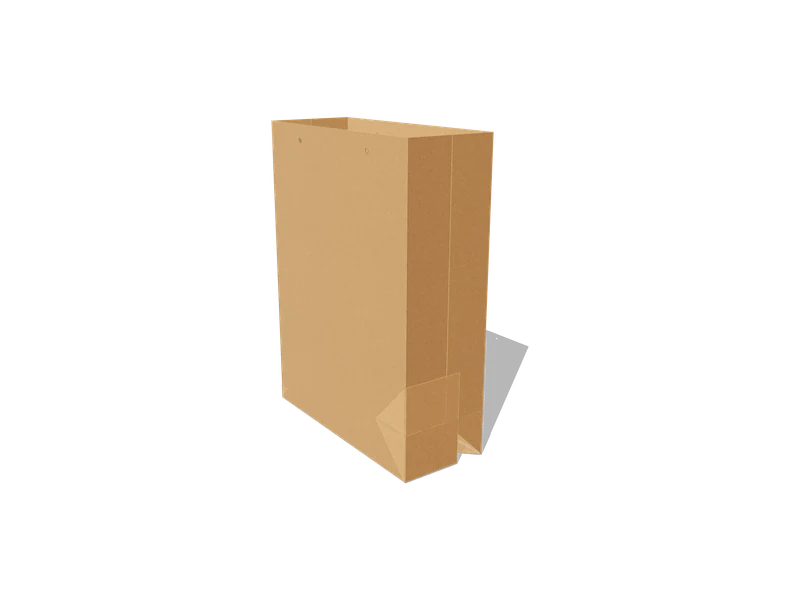
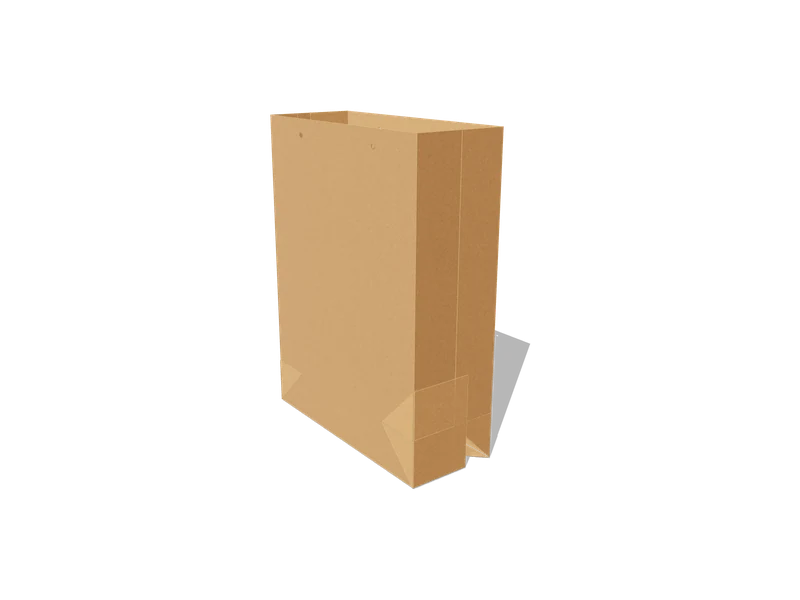
Base formation is hard to judge from a flat drawing. Where a template supports it, use the 3D preview to inspect how the base closes and the gussets fold before a cutting die is made.
Pick a template below, enter your dimensions, and inspect both views in the browser — and if your product also needs a box, the FEFCO and ECMA families are configured from the same kind of parametric models, so dimensions carry over cleanly between structure types.
All paper bag templates
10 templates
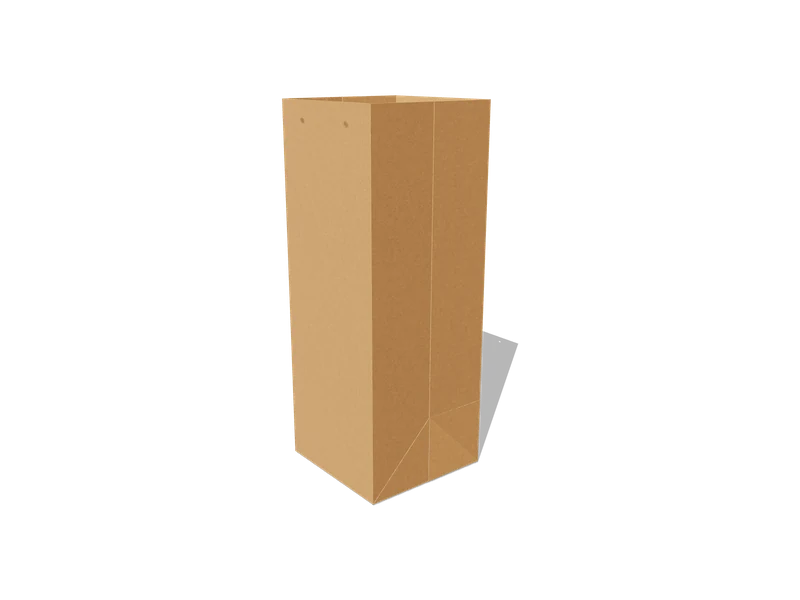
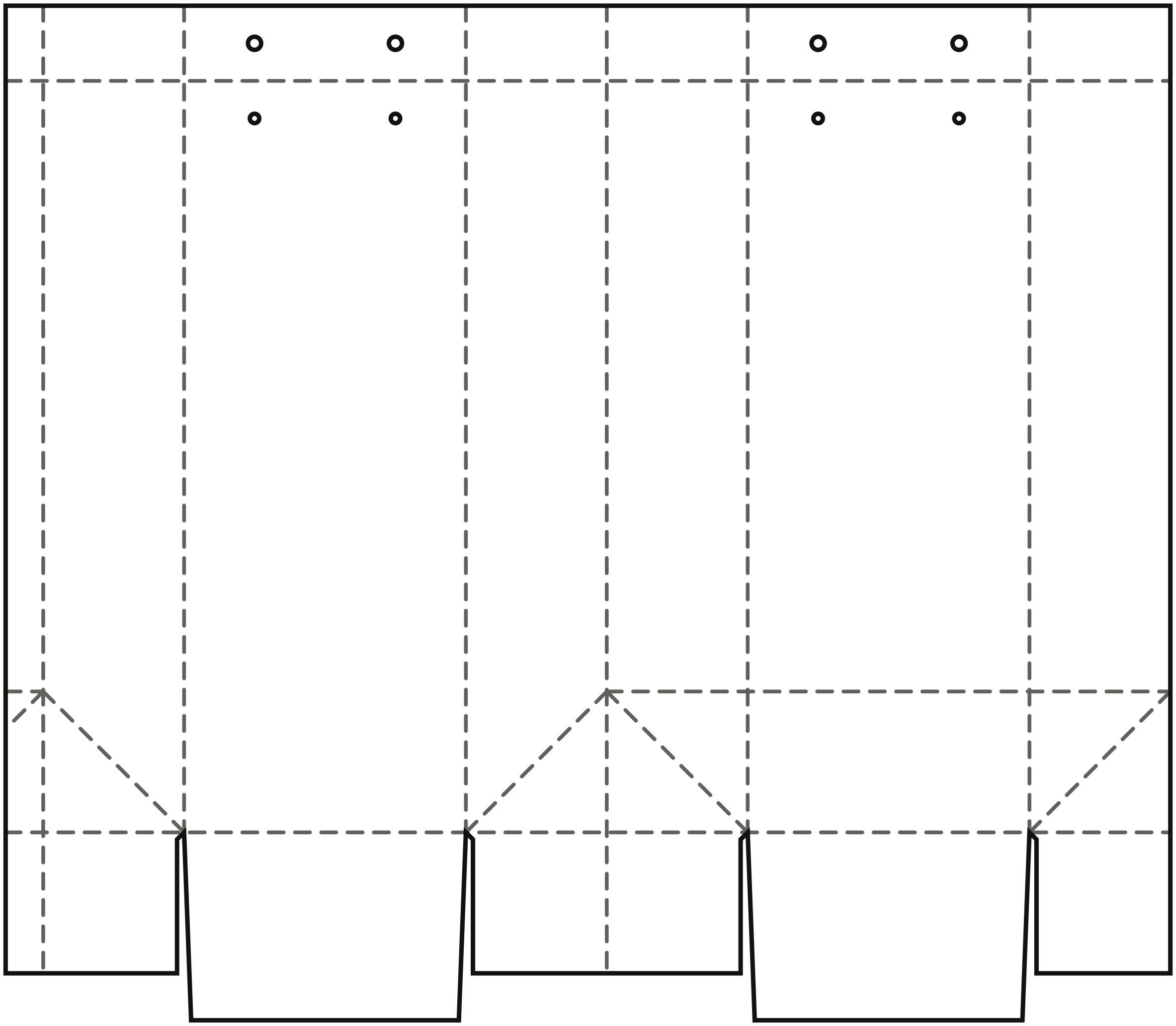
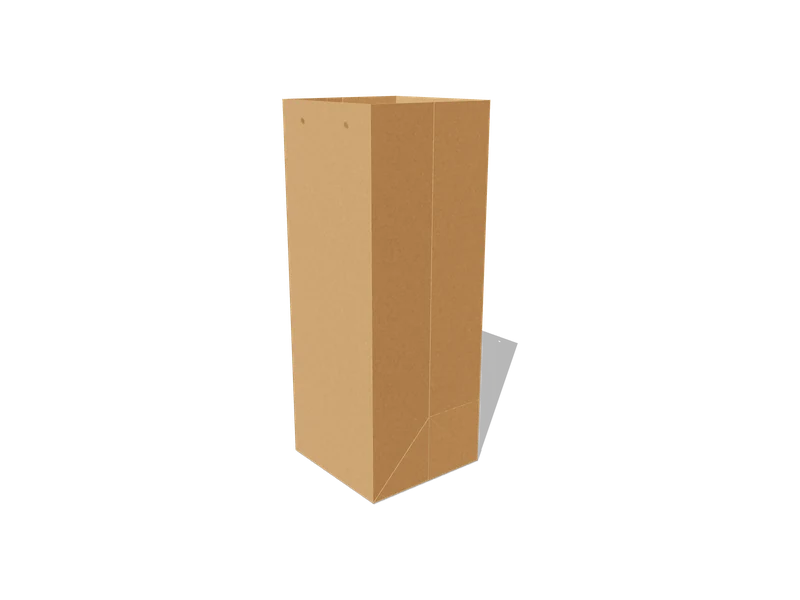
Bags2D DIELINE3D FOLDED
Paper Bag — Square Bottom, Tall
PD-GB02 · 2 configurable parameters
Create dieline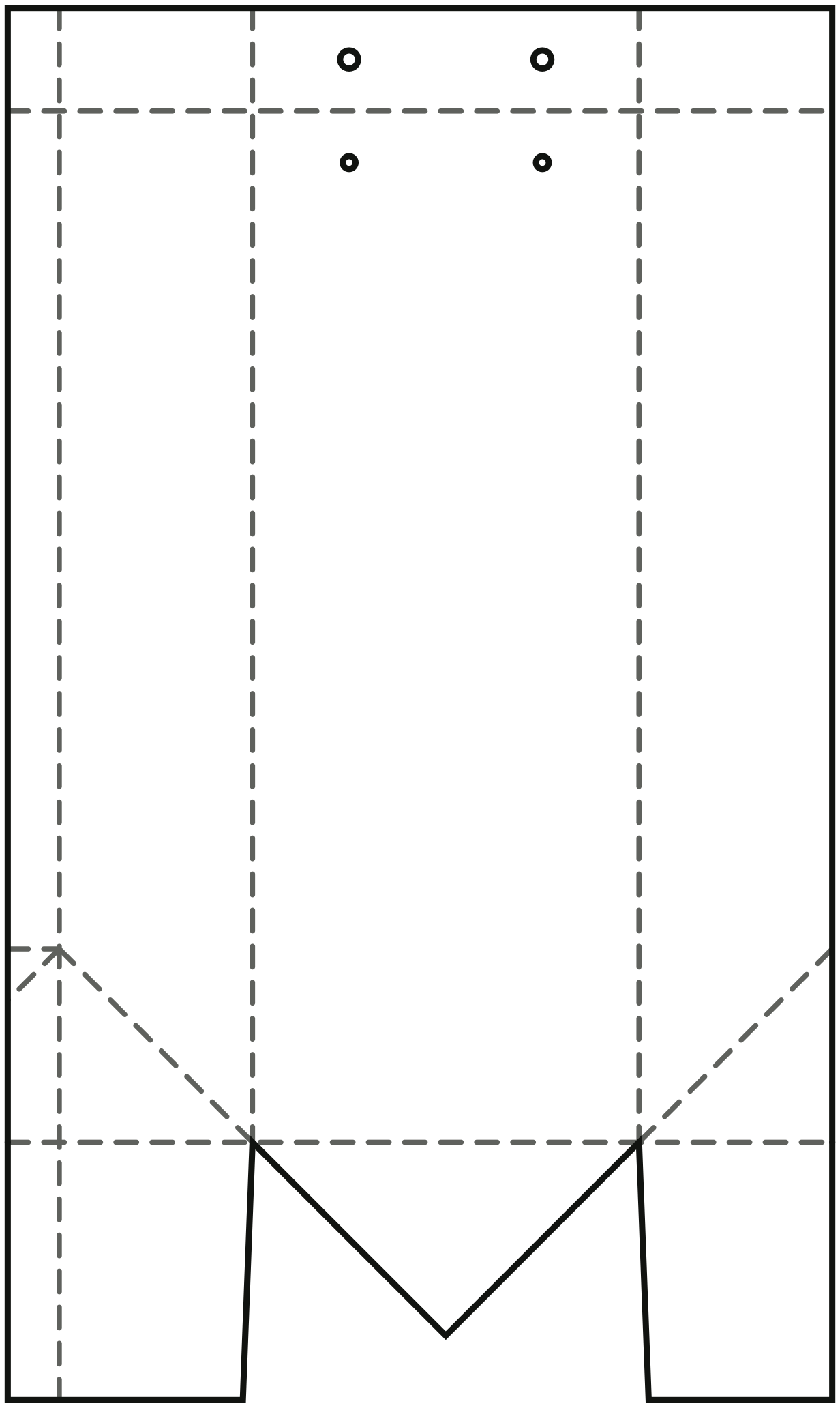
Bags2D DIELINE3D FOLDED
Paper Bag — Two-Piece Square Bottom
PD-GB03 · 2 configurable parameters
Create dieline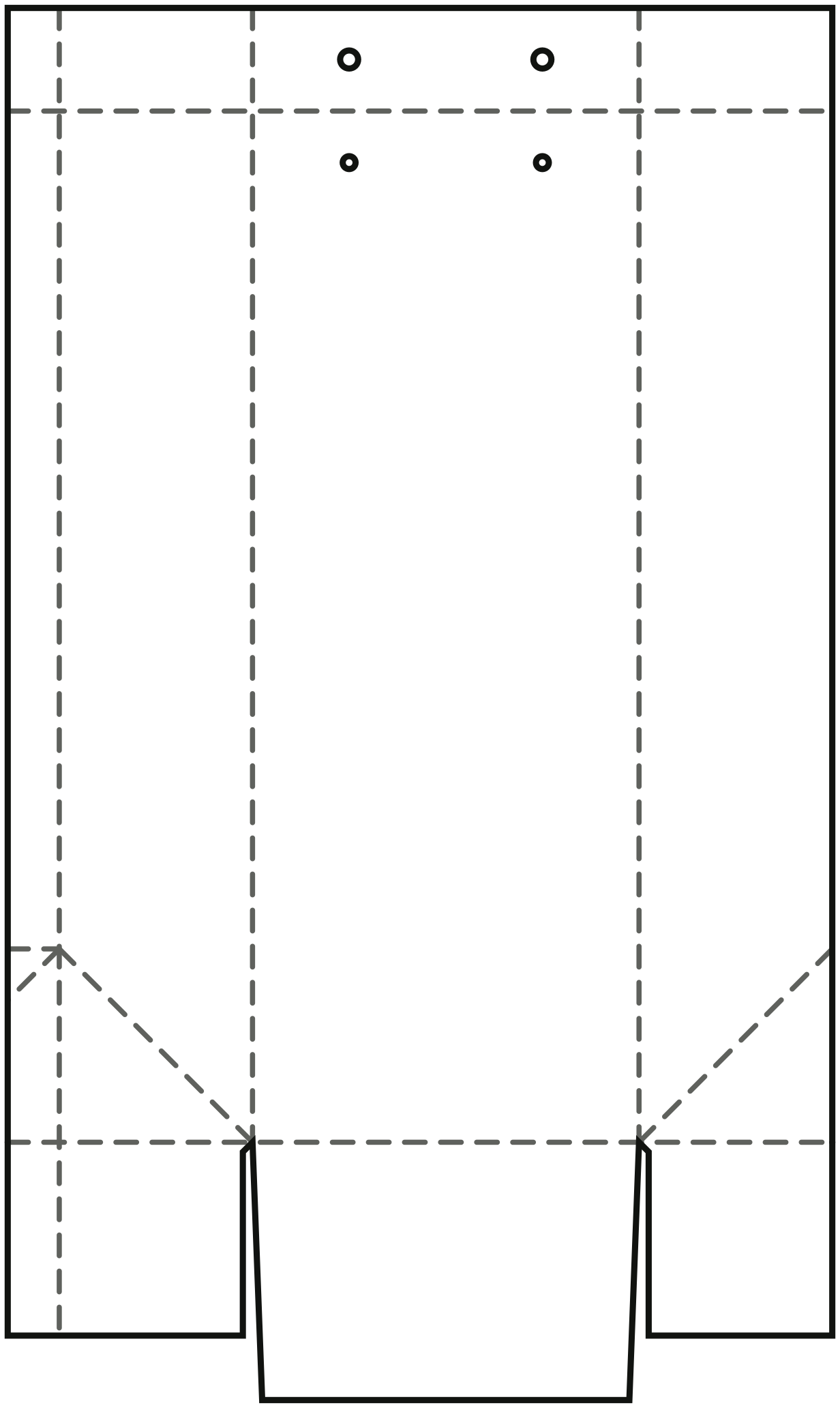
Bags2D DIELINE3D FOLDED
Paper Bag — Two-Piece Square Bottom, Tall
PD-GB04 · 2 configurable parameters
Create dieline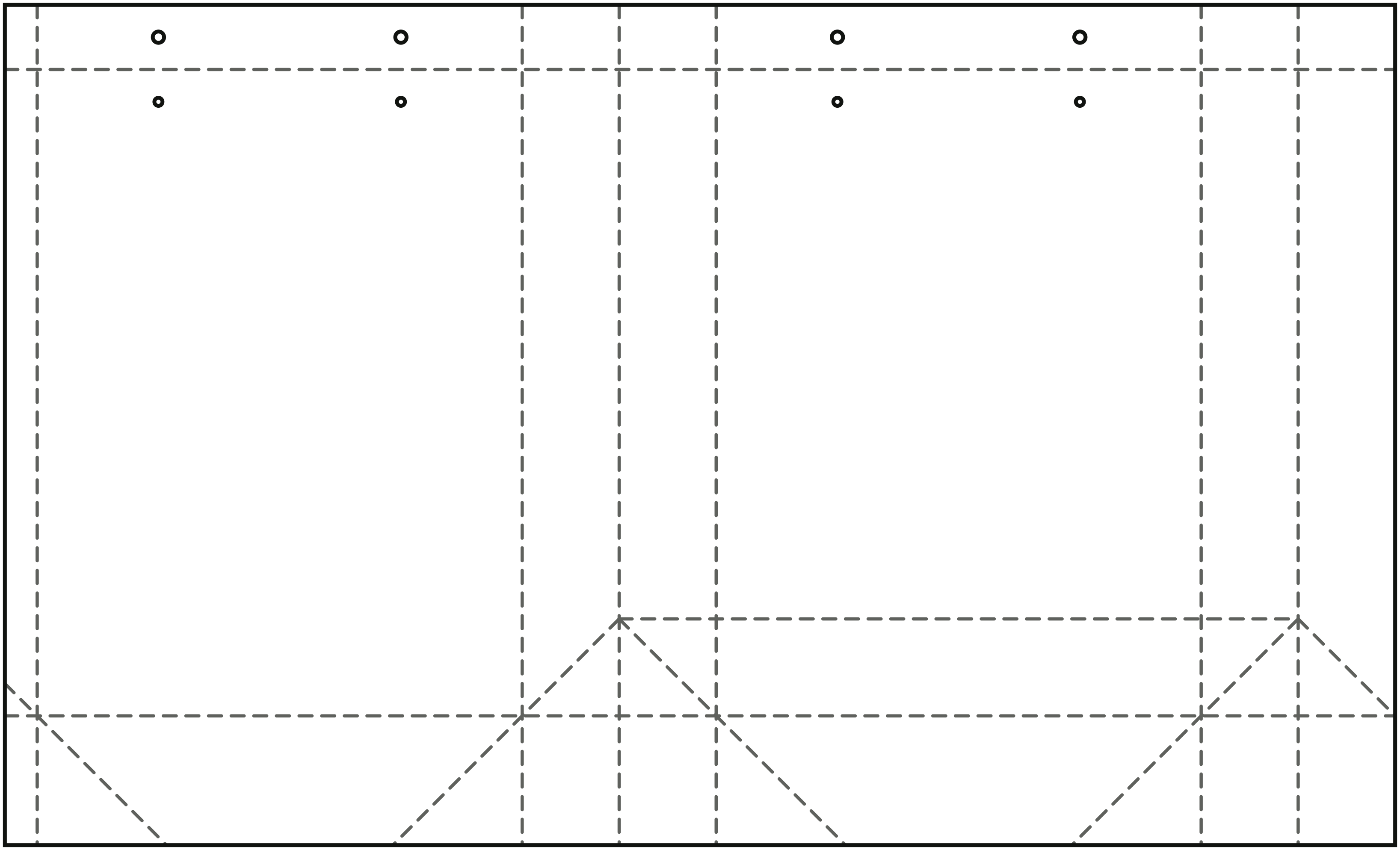
Bags2D DIELINE3D FOLDED
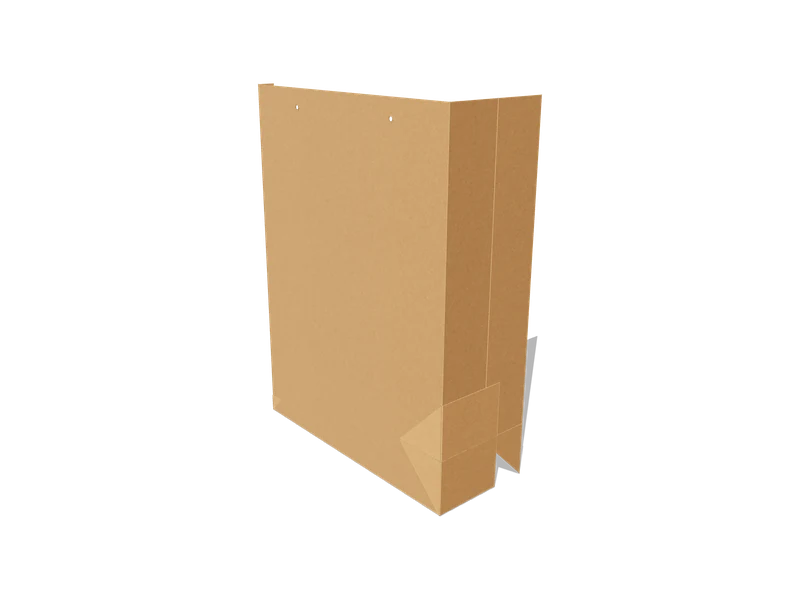
Shopping Bag — Gusseted, Turned-Over Top
PD-SB02 · 3 configurable parameters
Create dieline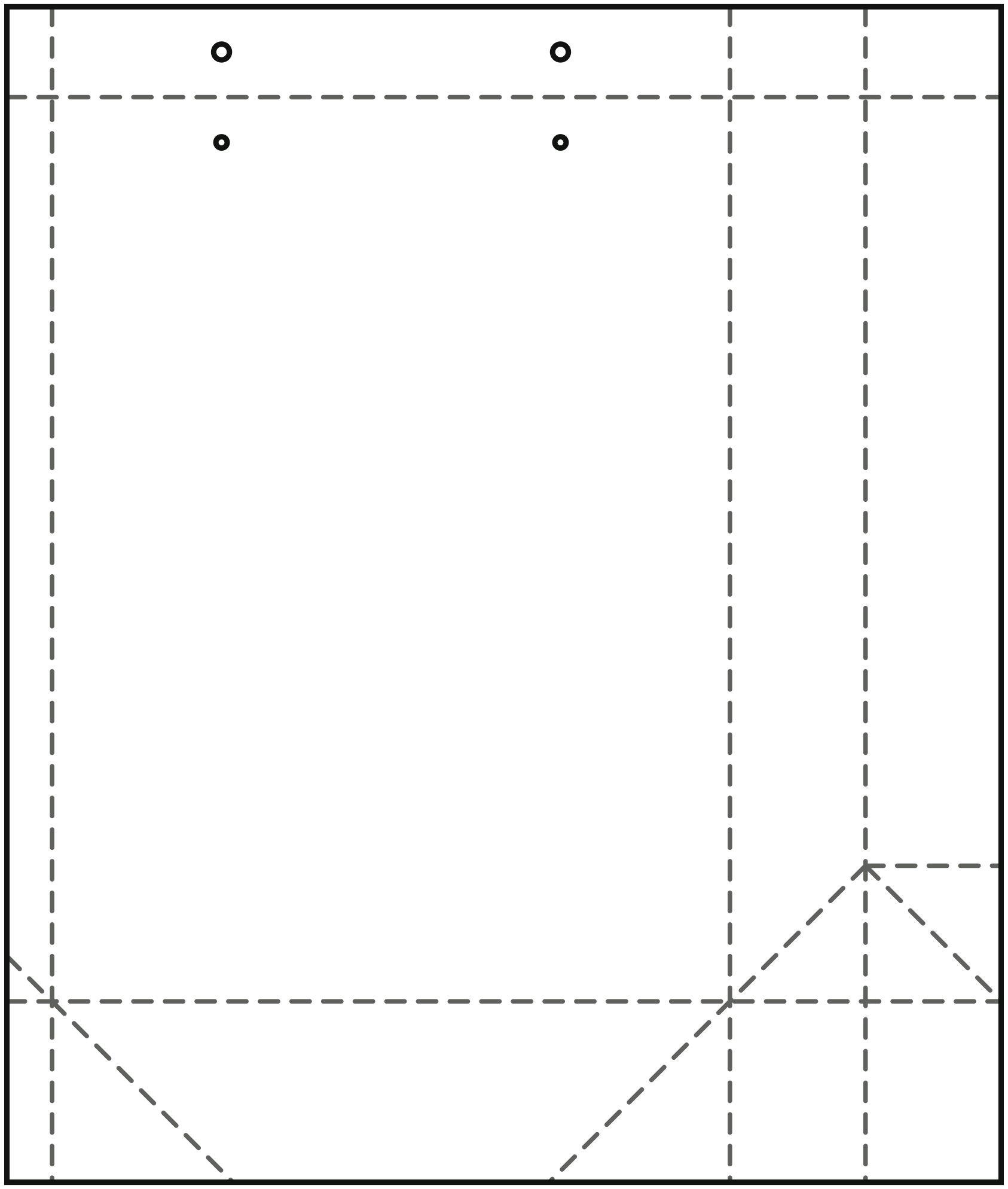
Bags2D DIELINE3D FOLDED
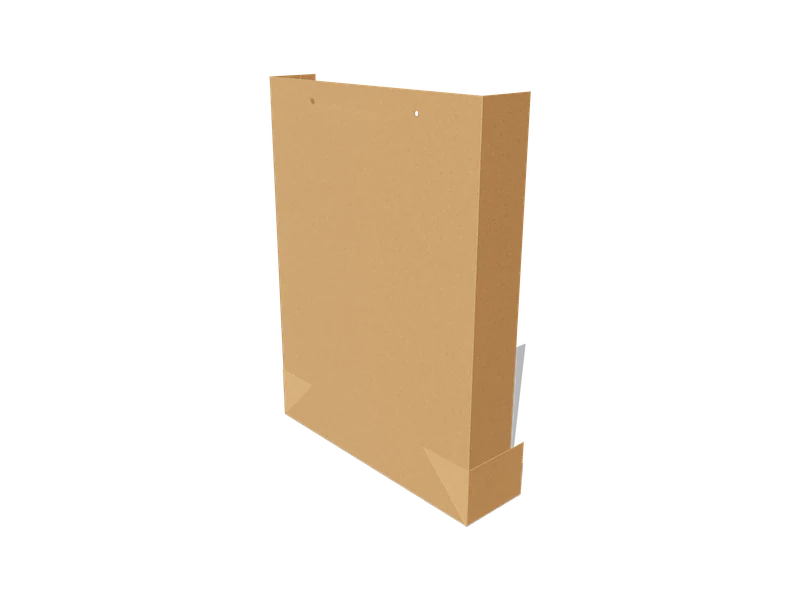
Shopping Bag — Two-Piece Gusseted
PD-SB03 · 3 configurable parameters
Create dieline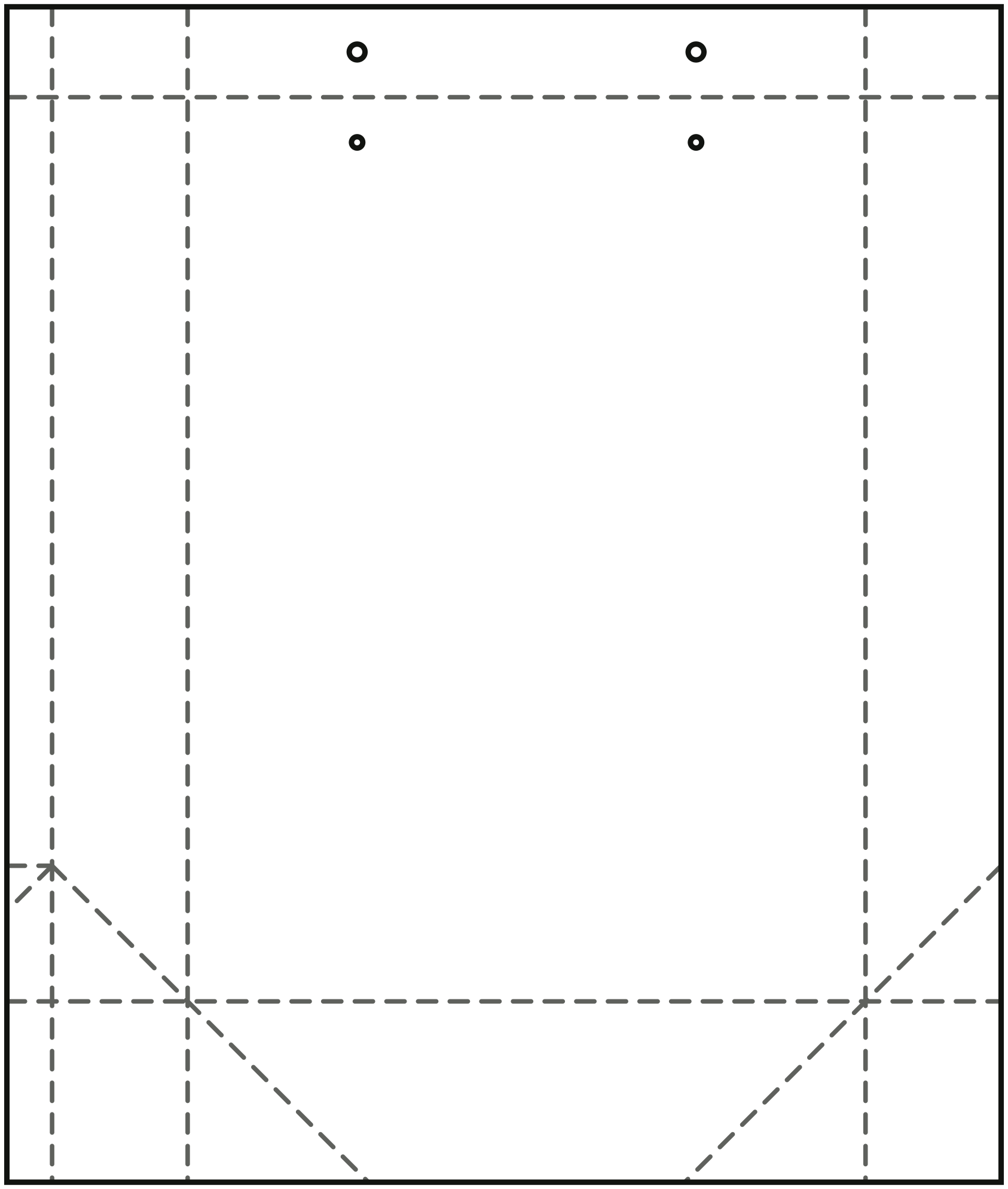
Bags2D DIELINE3D FOLDED
Shopping Bag — Two-Piece, Turned-Over Top
PD-SB04 · 3 configurable parameters
Create dieline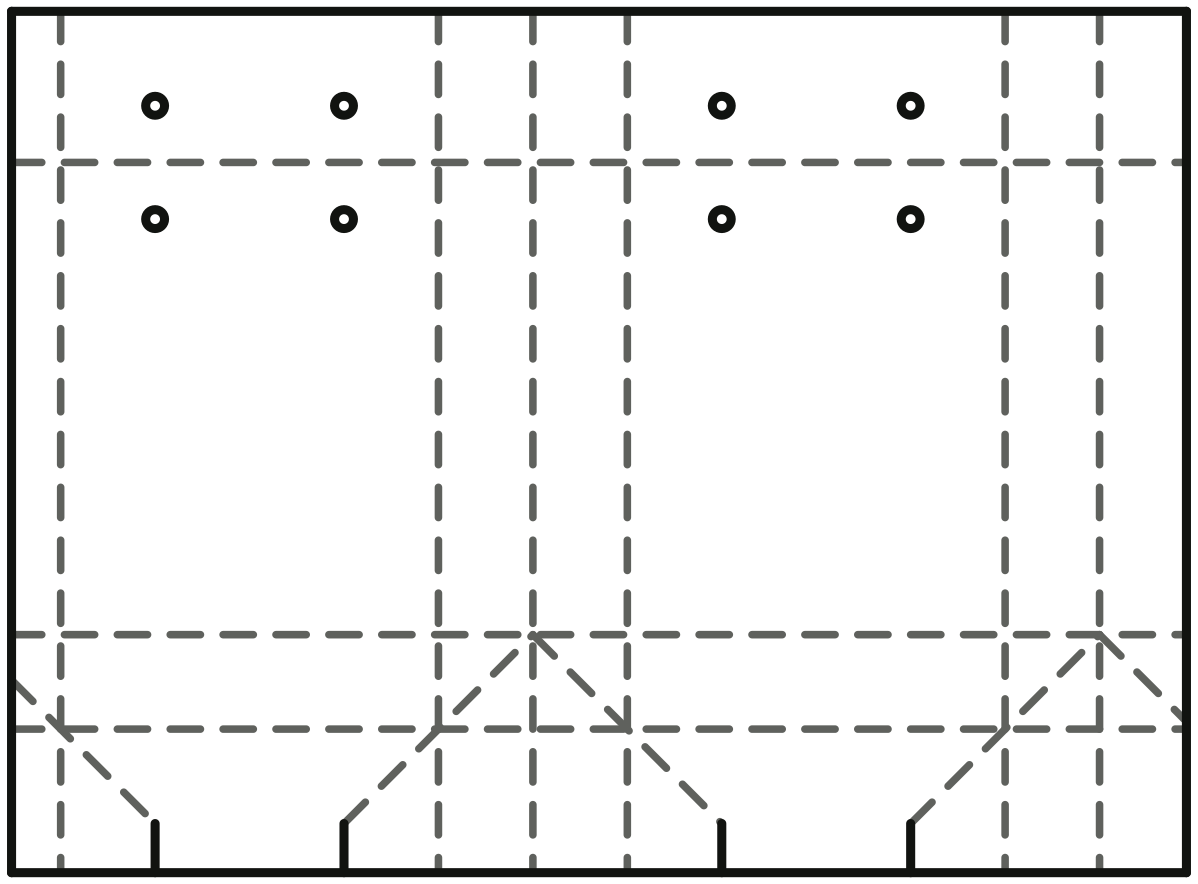
Bags2D DIELINE3D FOLDED
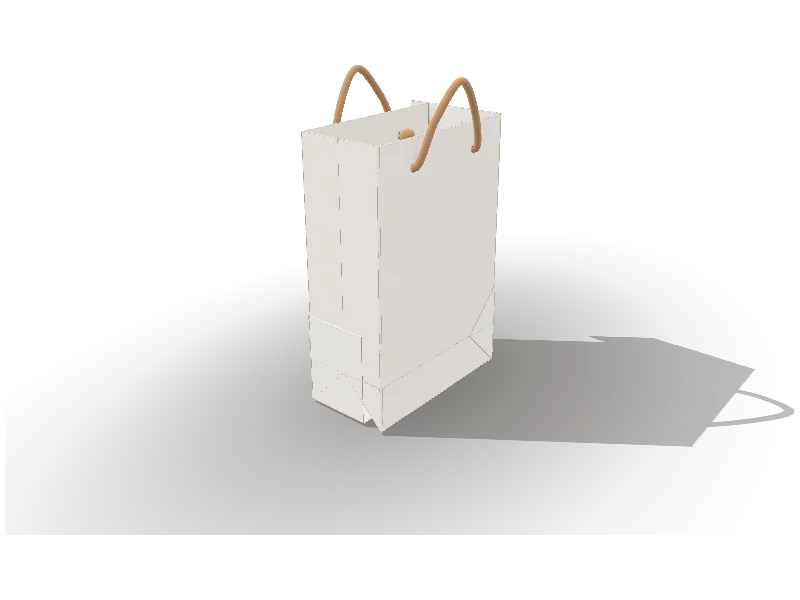
Shopping Bag — Full-Wrap Rope Handles
PD-SB05 · 3 configurable parameters
Create dieline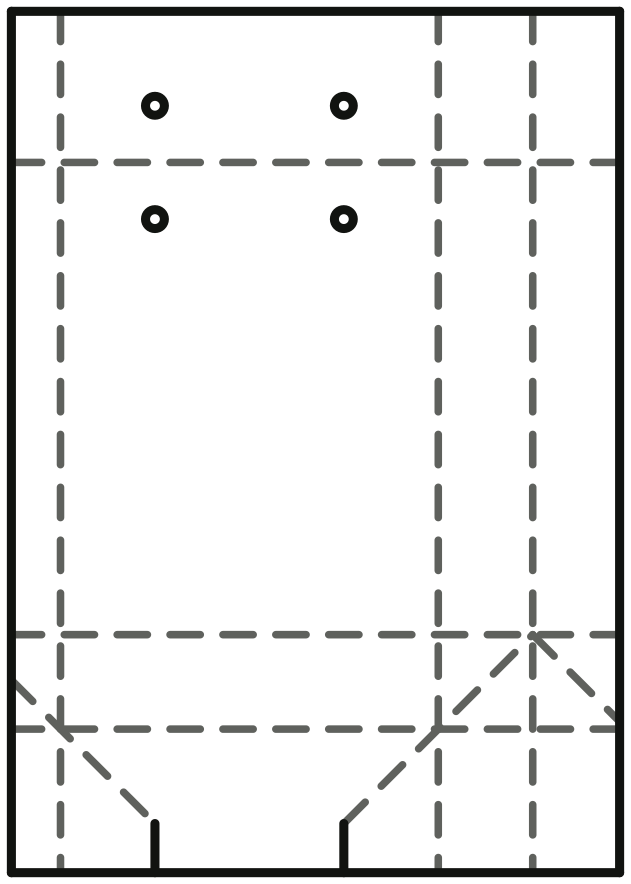
Bags2D DIELINE3D FOLDED
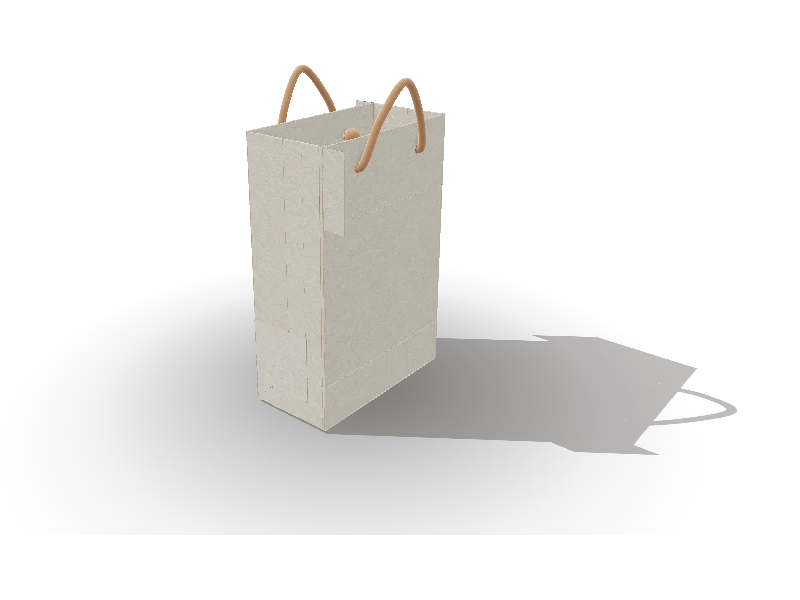
Shopping Bag — Single-Panel Rope Handles
PD-SB06 · 3 configurable parameters
Create dieline